Doing It Yourself
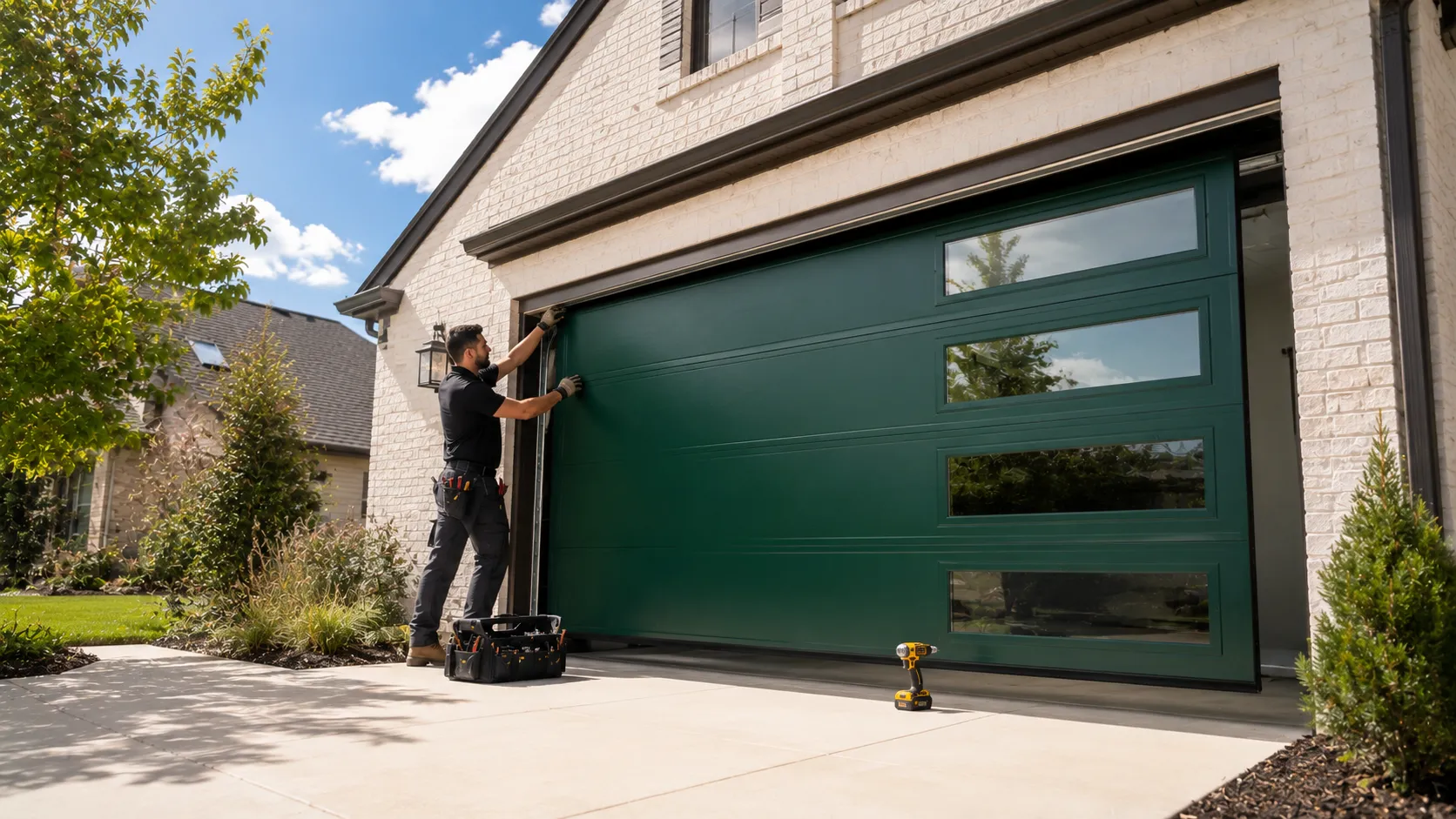
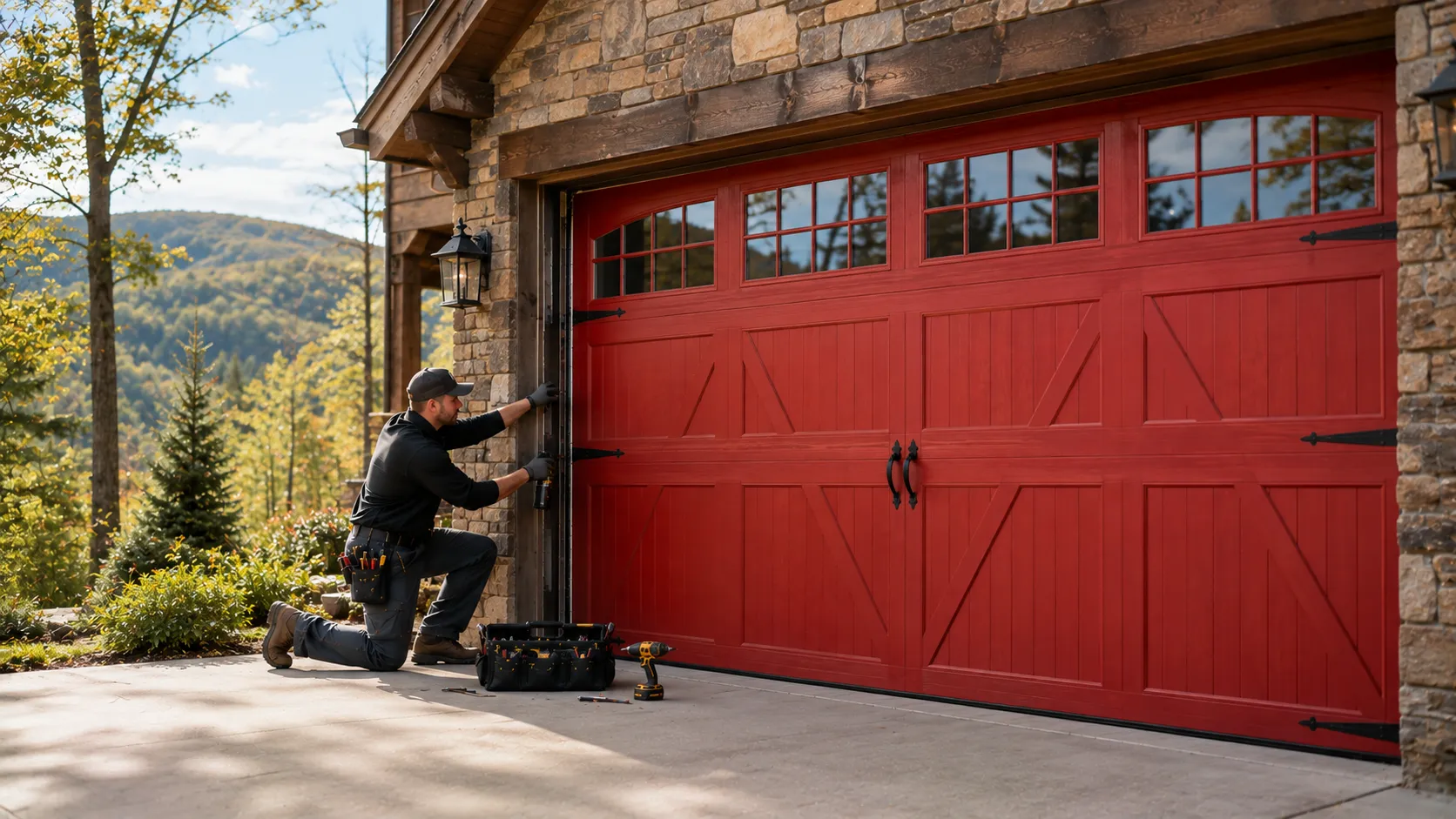
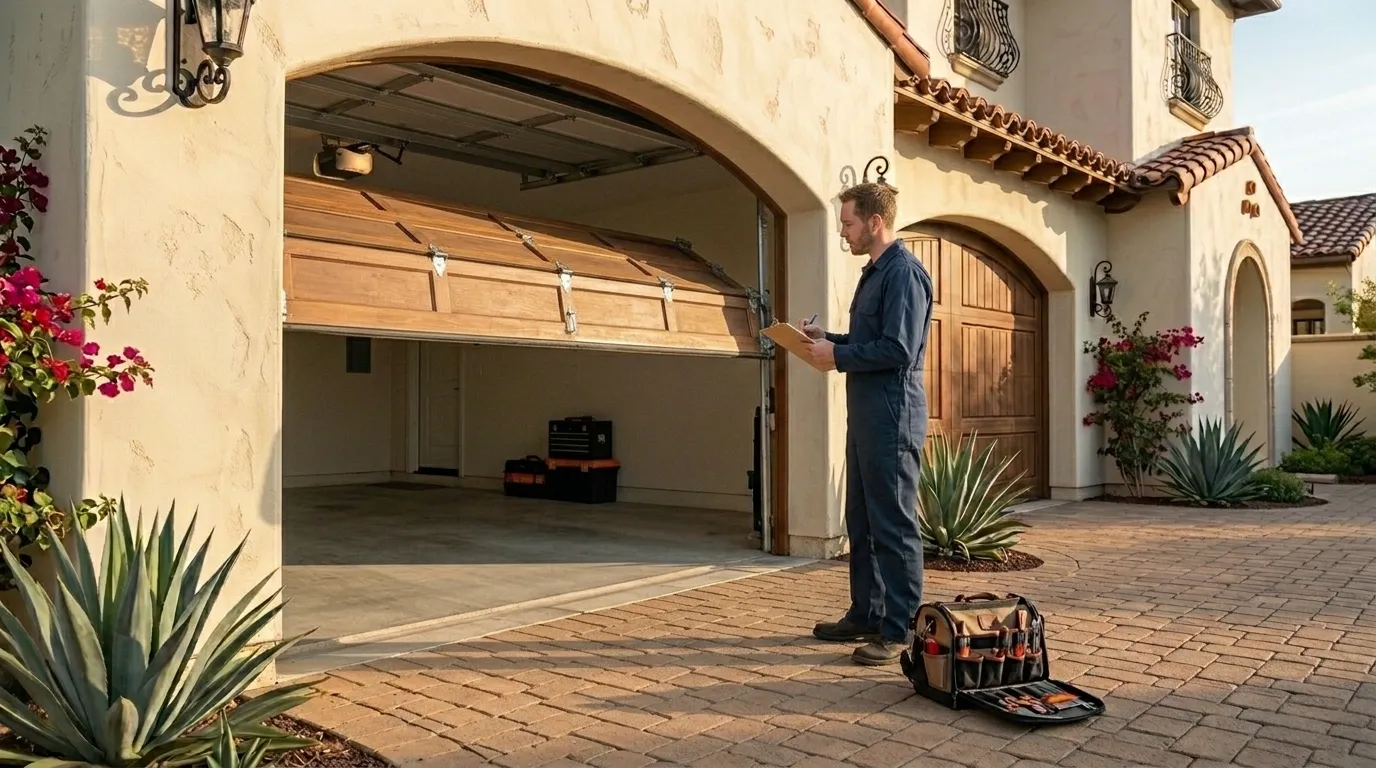
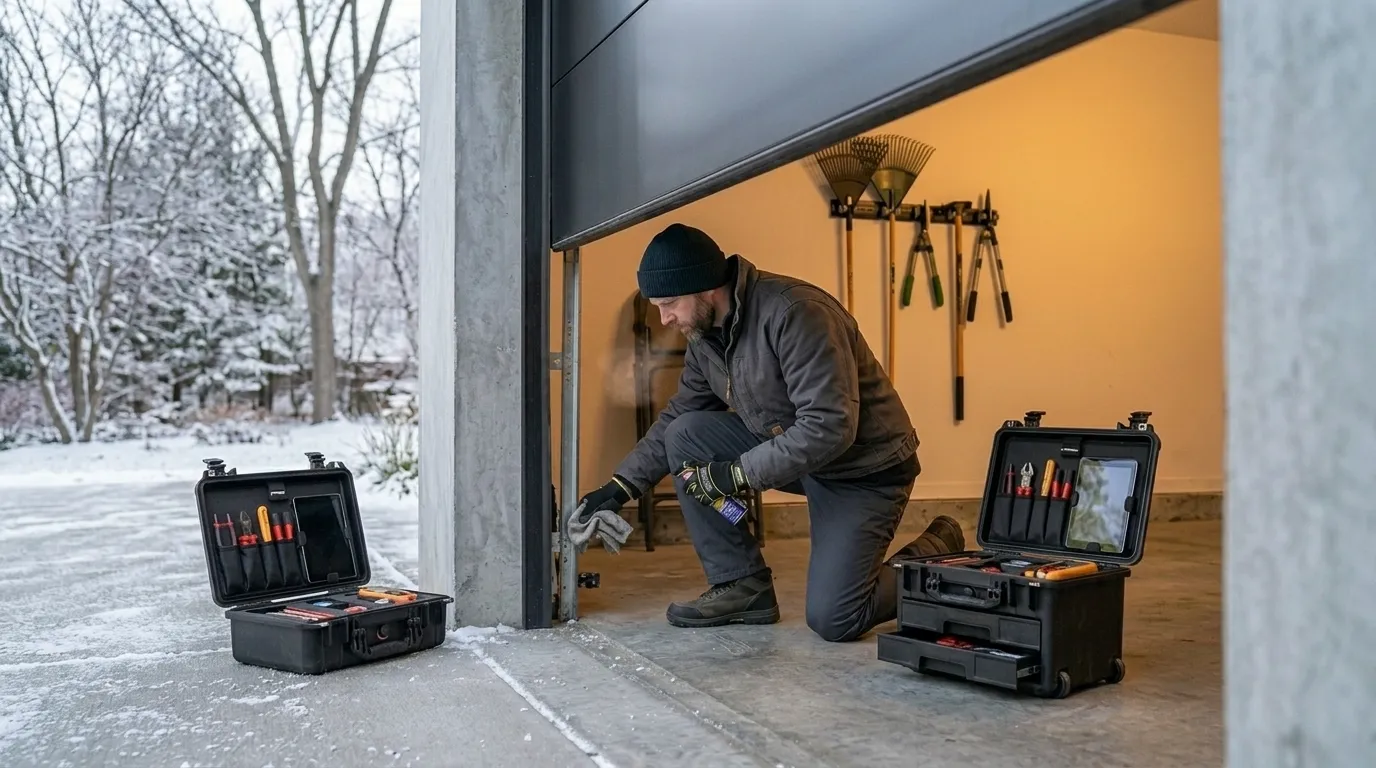
There's real stuff you can do without calling anyone. Wipe down the tracks and check them for dents or debris. Spray the rollers and hinges with a light lubricant a couple times a year - not WD-40, an actual garage door lubricant. Pull the emergency release, let the door drop a few inches by hand, and see if it holds steady. If it drifts up or down on its own, the springs are out of balance and that's not a DIY fix.
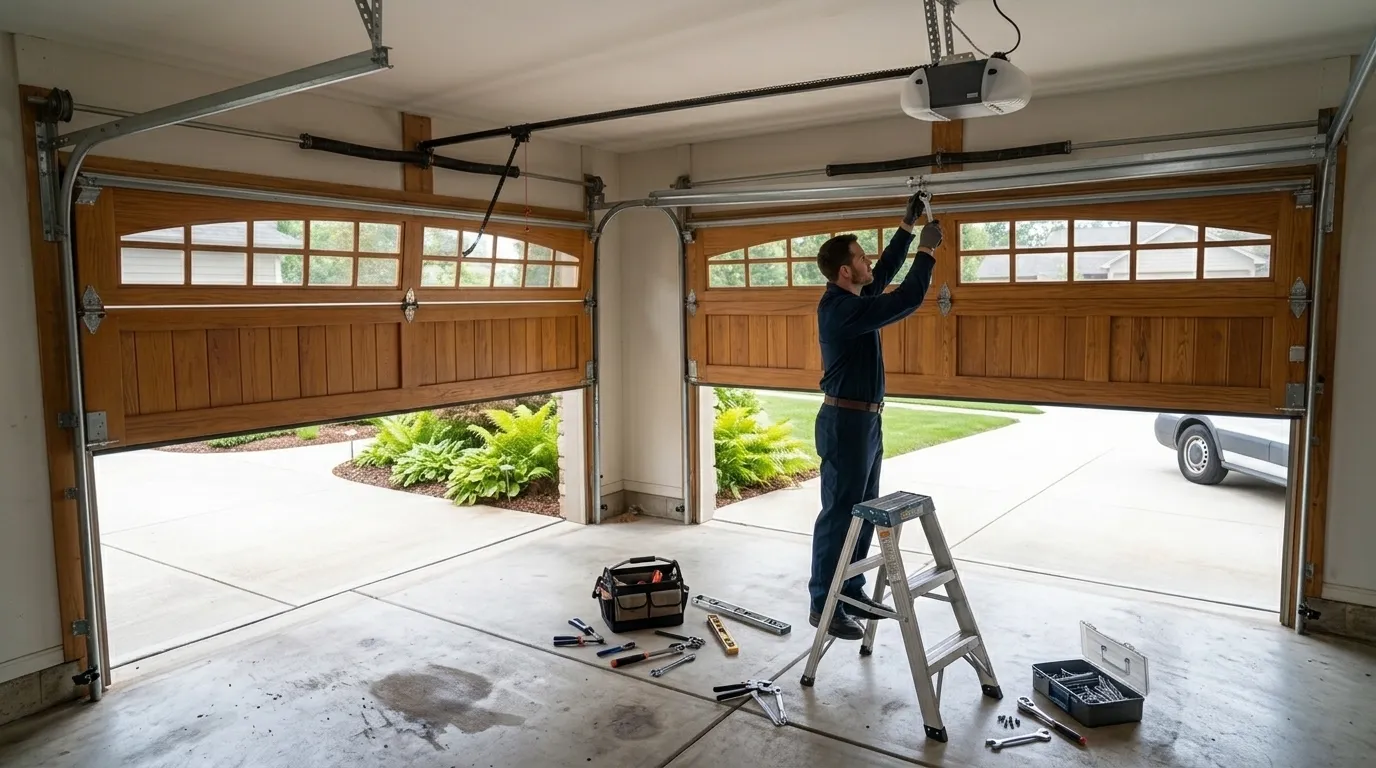
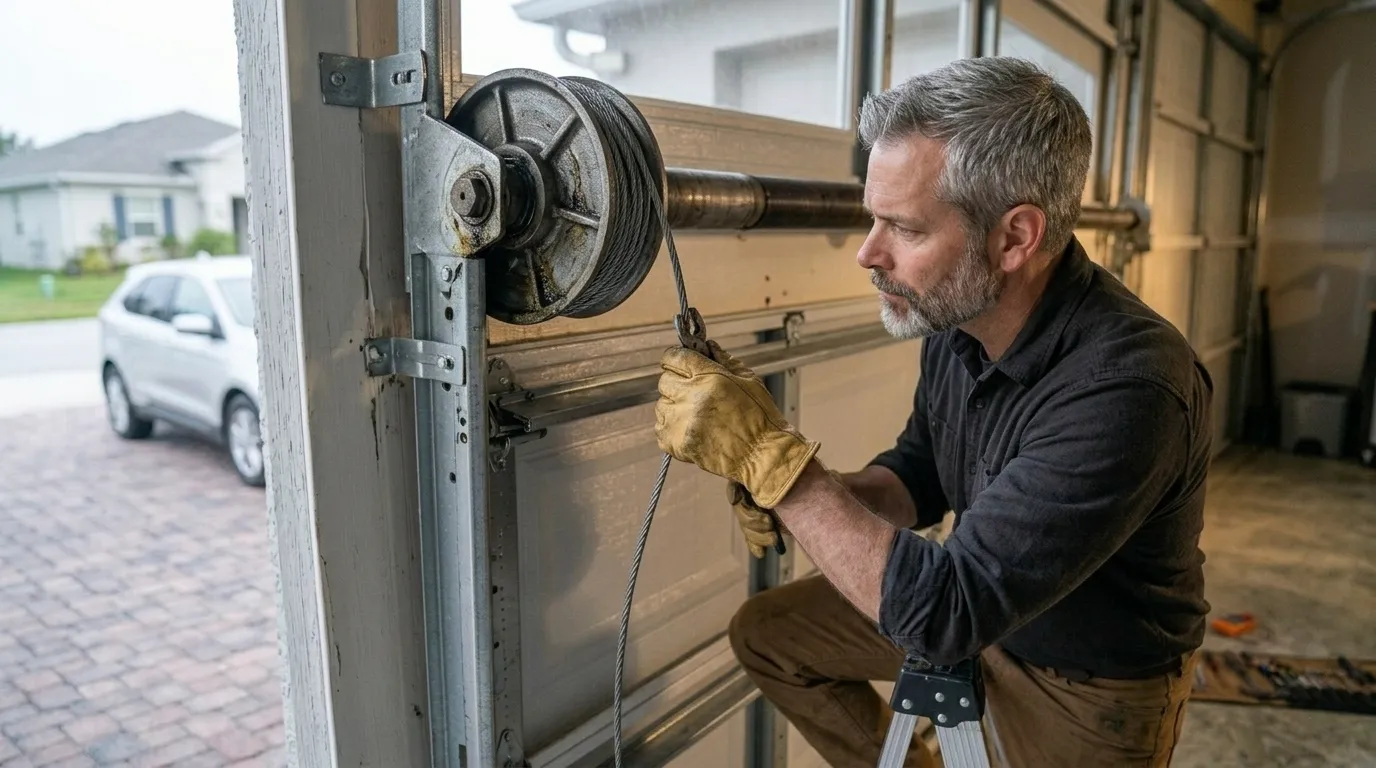
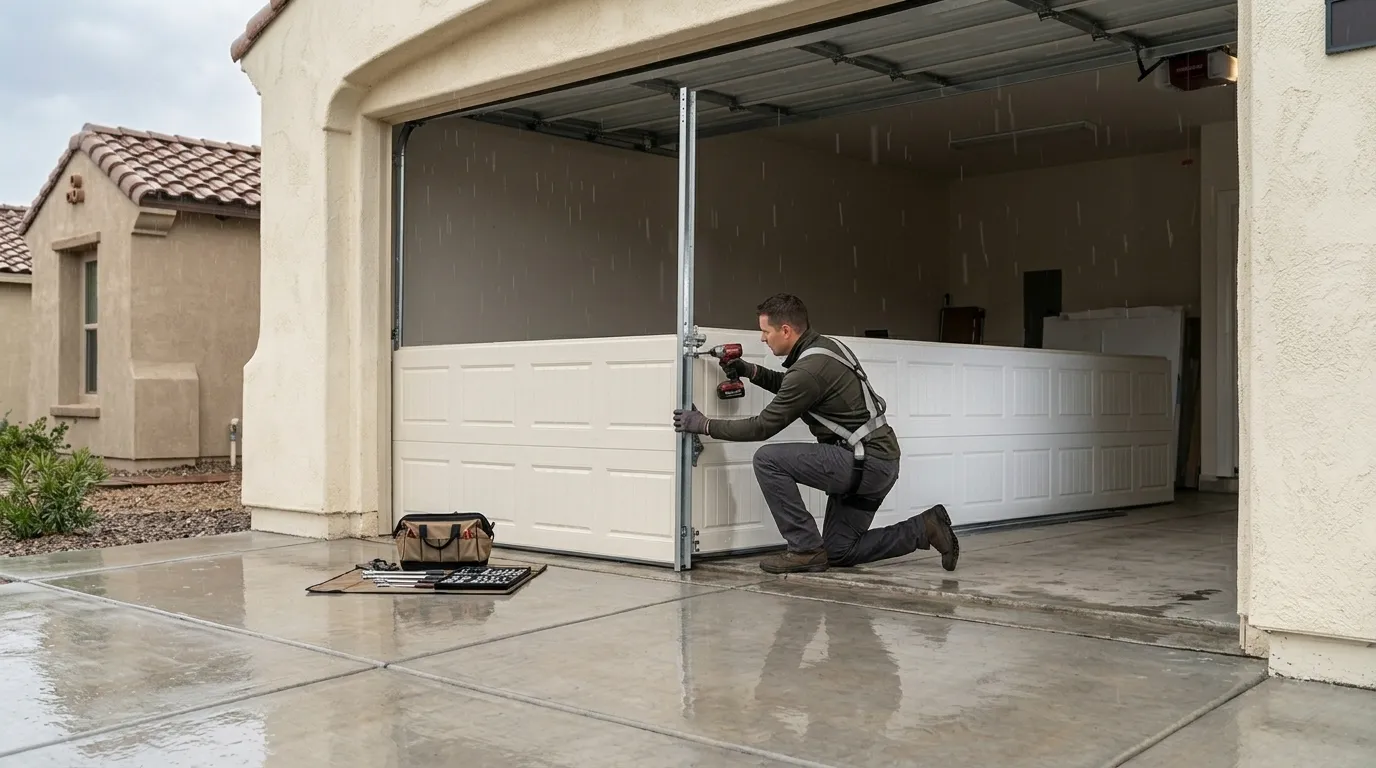
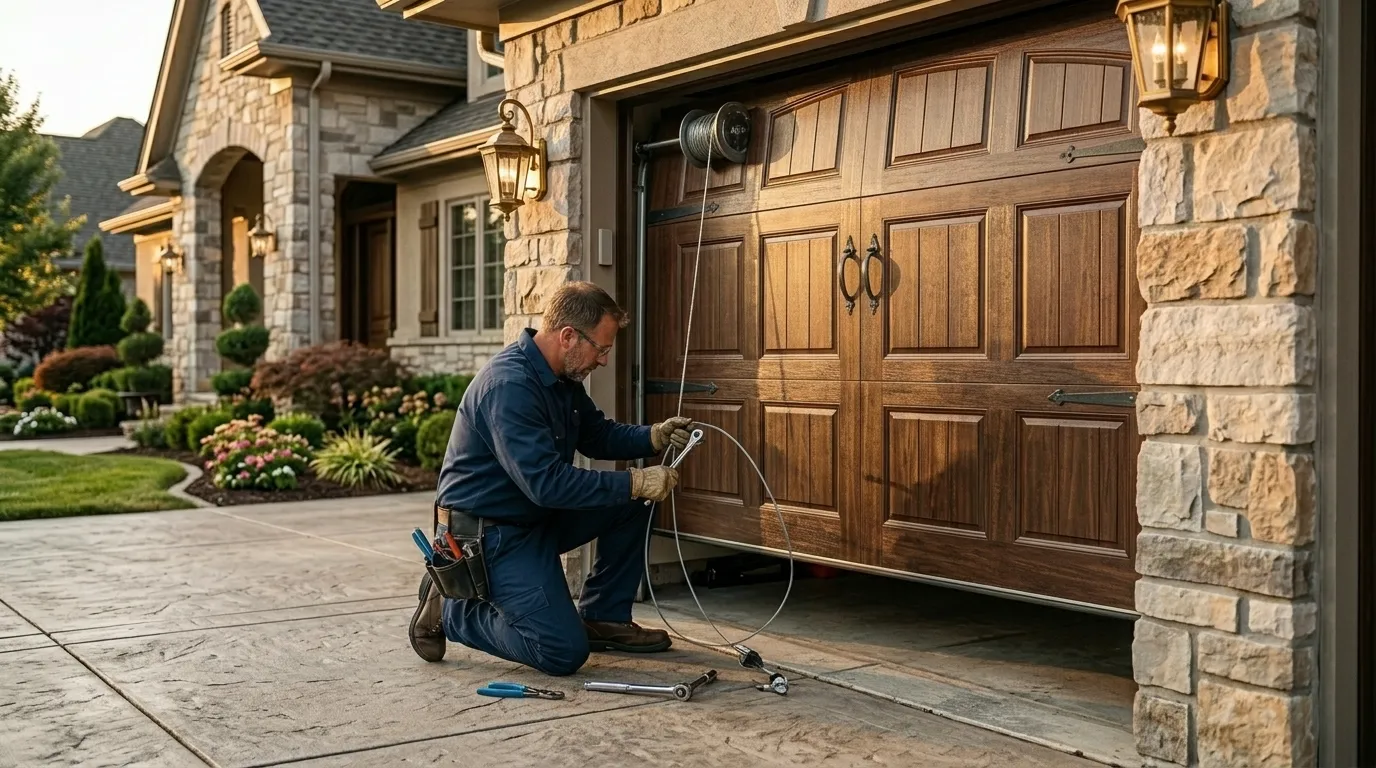
What you shouldn't touch: the torsion spring itself. A wound torsion spring holds enough tension to break bones, and on a lot of Petaluma houses built in the 1960s and 70s, that spring has never been replaced. If you don't know the wind direction or the wire gauge, you're guessing with something that can put you in the hospital. Same goes for the bottom brackets on older extension-spring setups - those cables are under load even when the door looks still. Lubrication, visual checks, and the balance test are the ceiling for a homeowner here. Past that, it's a call.
Why It Happens Here
Most of Petaluma's housing stock went up between 1938 and 1988, with the median build year landing around 1966. That means a lot of driveways here still sit behind doors hung on original 1960s and 70s track and spring hardware, or hardware from a replacement door installed decades ago onto that same original frame. Parts that old don't fail the way new parts fail - they wear slowly, quietly, for years, then let go all at once.
Petaluma sits in a mild temperate band, so torsion springs and rollers don't get the freeze-thaw cycling that wears them out fast in colder climates. That's the good news. The trade-off is that slow, steady wear here doesn't announce itself the way a cold-snap failure does elsewhere - a spring can lose tension gradually over a couple decades of daily use without ever seizing up dramatically, so a lot of owners don't know how close it is to done until the day it lets go mid-cycle.
How It Shows Up
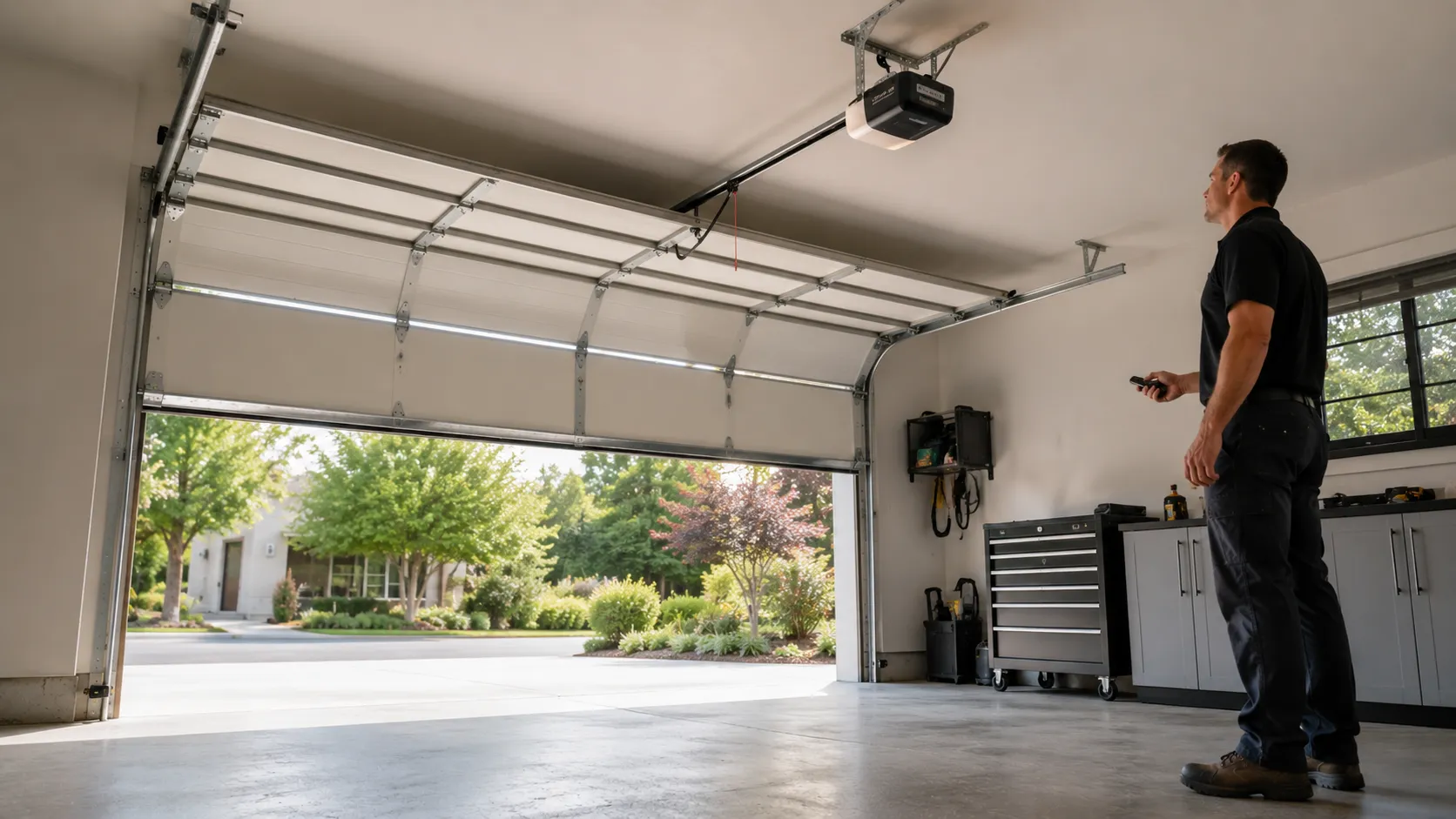
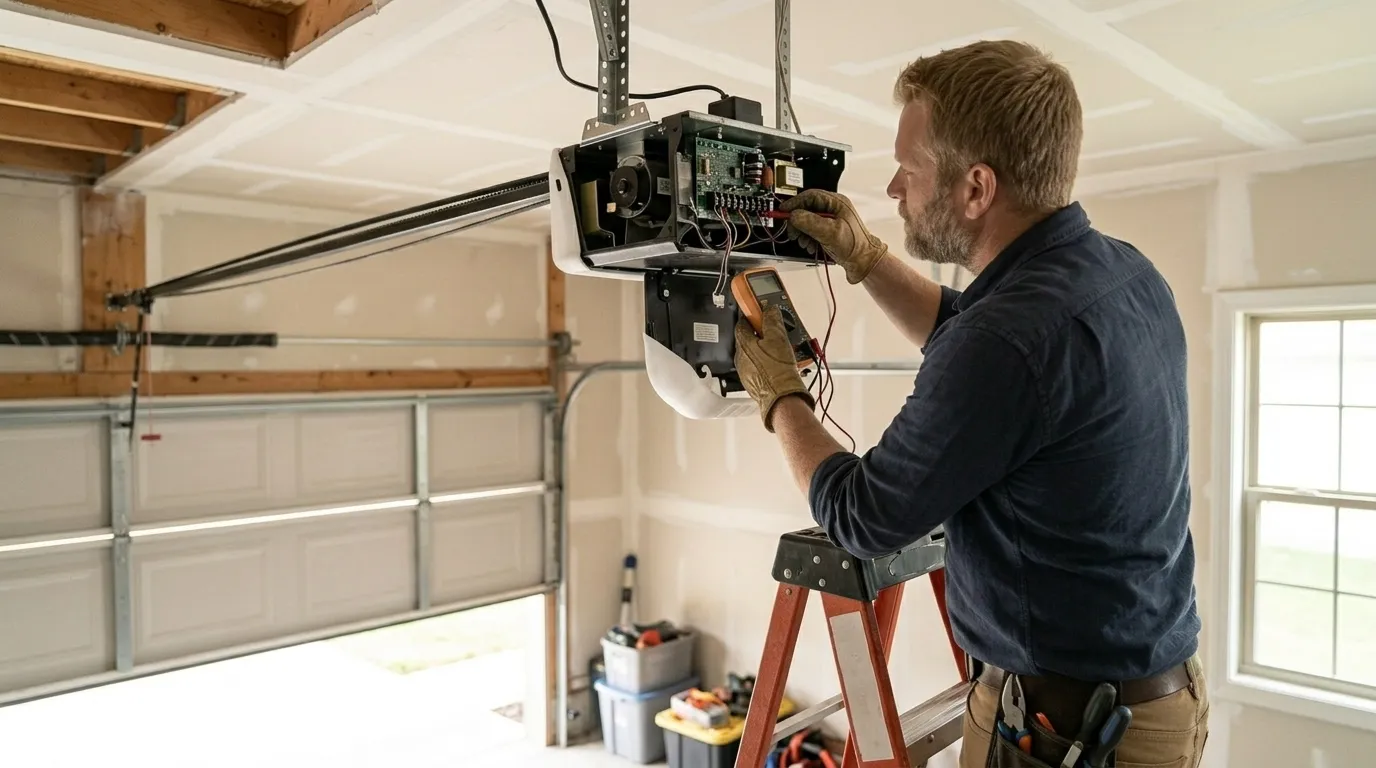
On a house from the 1960s or 70s, the pattern is usually the same: the door starts sagging slightly on one side before it fully fails, because one spring has weakened faster than the other. You'll hear a grinding or popping sound from the rollers, especially on doors that still run steel rollers instead of nylon. The opener starts straining - you'll notice it takes a beat longer to lift, or it reverses partway up because the door's heavier than the opener expects once the spring's lost tension.
Across the roughly 53,399 households we serve, about 24,784 are owner-occupied houses, most sitting on that same mid-century door hardware, so this isn't a rare call - it's the most common one we take. We cover the city and nearby unincorporated areas out to about Penngrove, five miles east, and towns like Cotati and Rohnert Park a bit farther out, so the pattern holds across a wide stretch of similar-era housing, not just one block.