What We Do Most in This Area
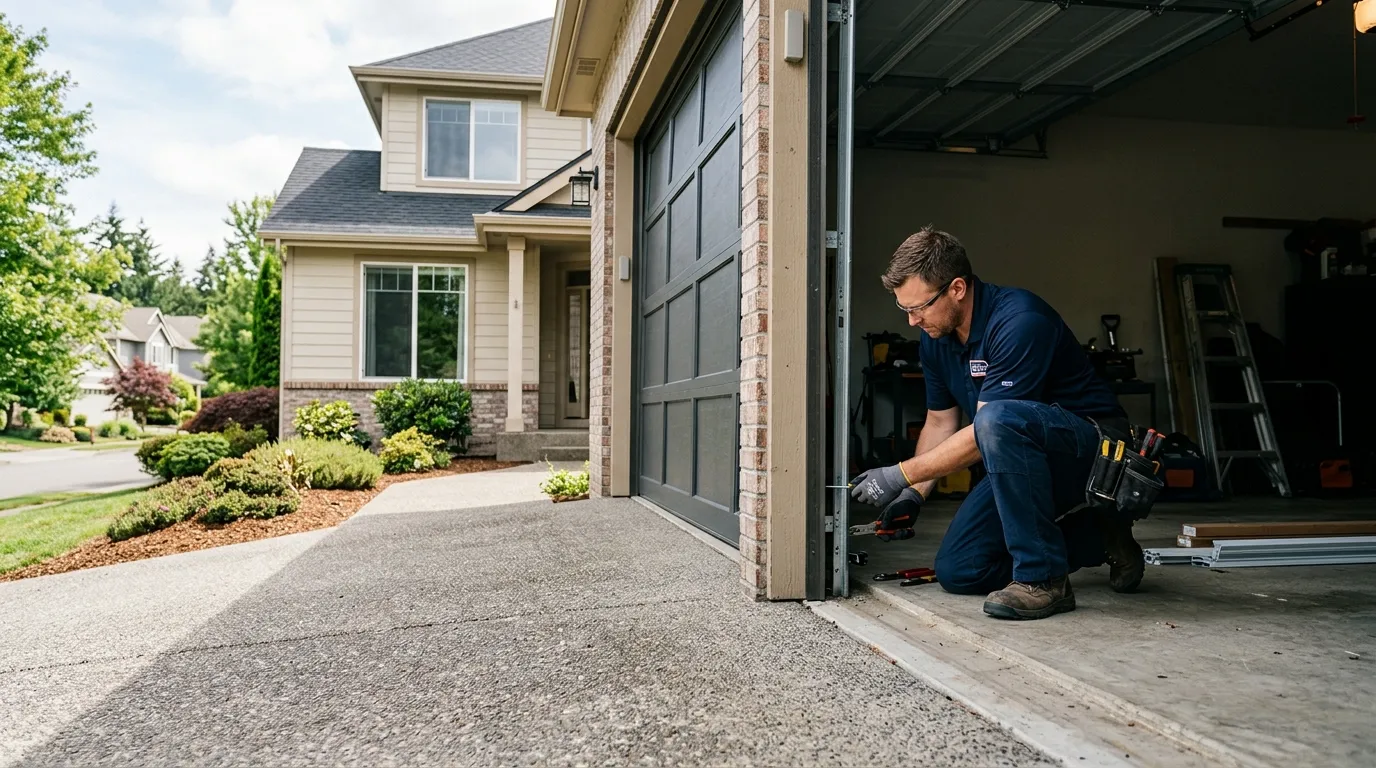
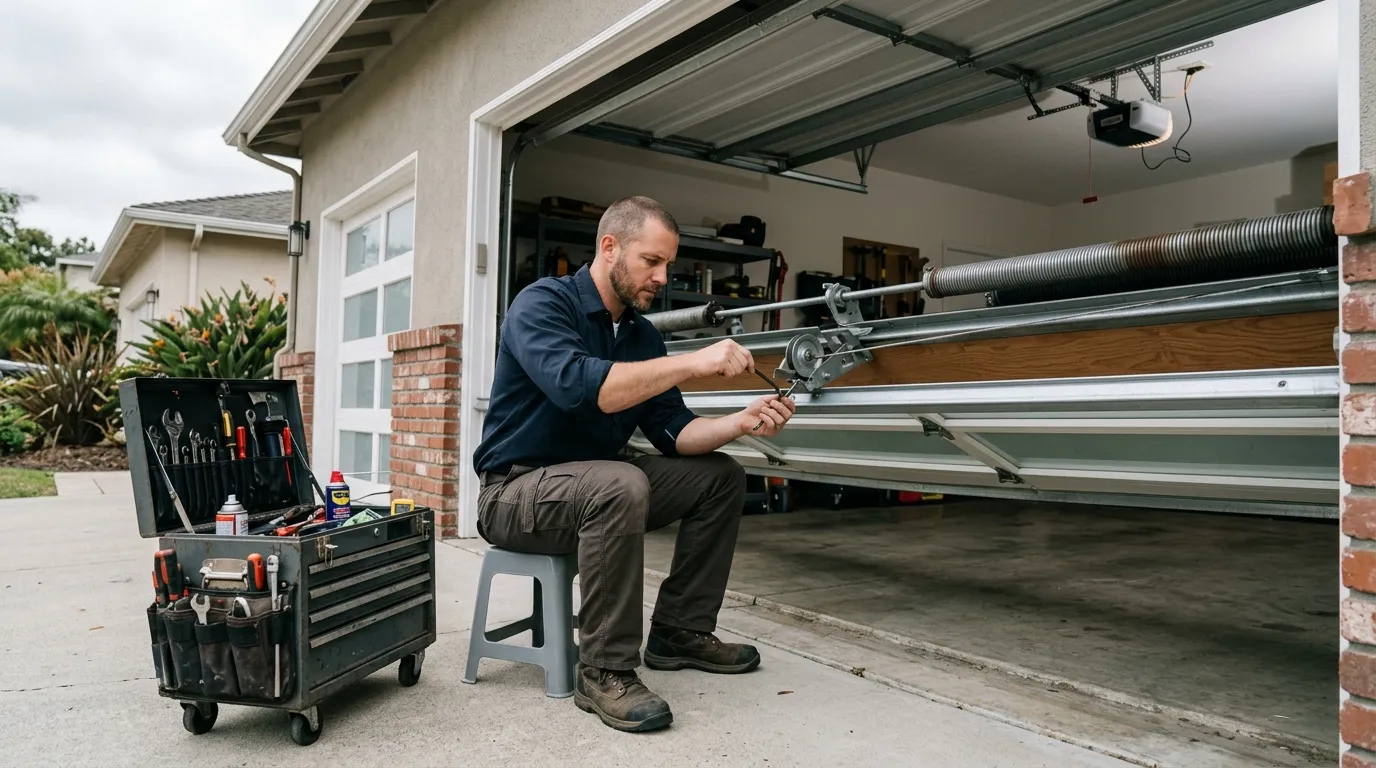
The houses out here mostly went up around 1956, a good decade before the median for the wider service area, which sits closer to 1966. That decade matters. A lot of the calls we get from this pocket of Lagunitas-Forest Knolls involve original steel doors on hardware that predates the torsion-spring setups most newer subdivisions use. We spend a fair amount of time on extension springs mounted along the horizontal track, on loose or rusted pulley systems, and on openers that were clearly swapped in later but bolted to framing that was never built for them. With about 831 households spread through this stretch, it's a small enough area that the housing stock reads consistent - older frames, older track geometry, doors that were heavy steel before lighter insulated panels became standard. We also see a good number of manual doors that got a bolt-on opener added sometime in the 80s or 90s, which is its own category of repair work: the door itself is fine, the retrofit is what's failing.
What That Means for Doors
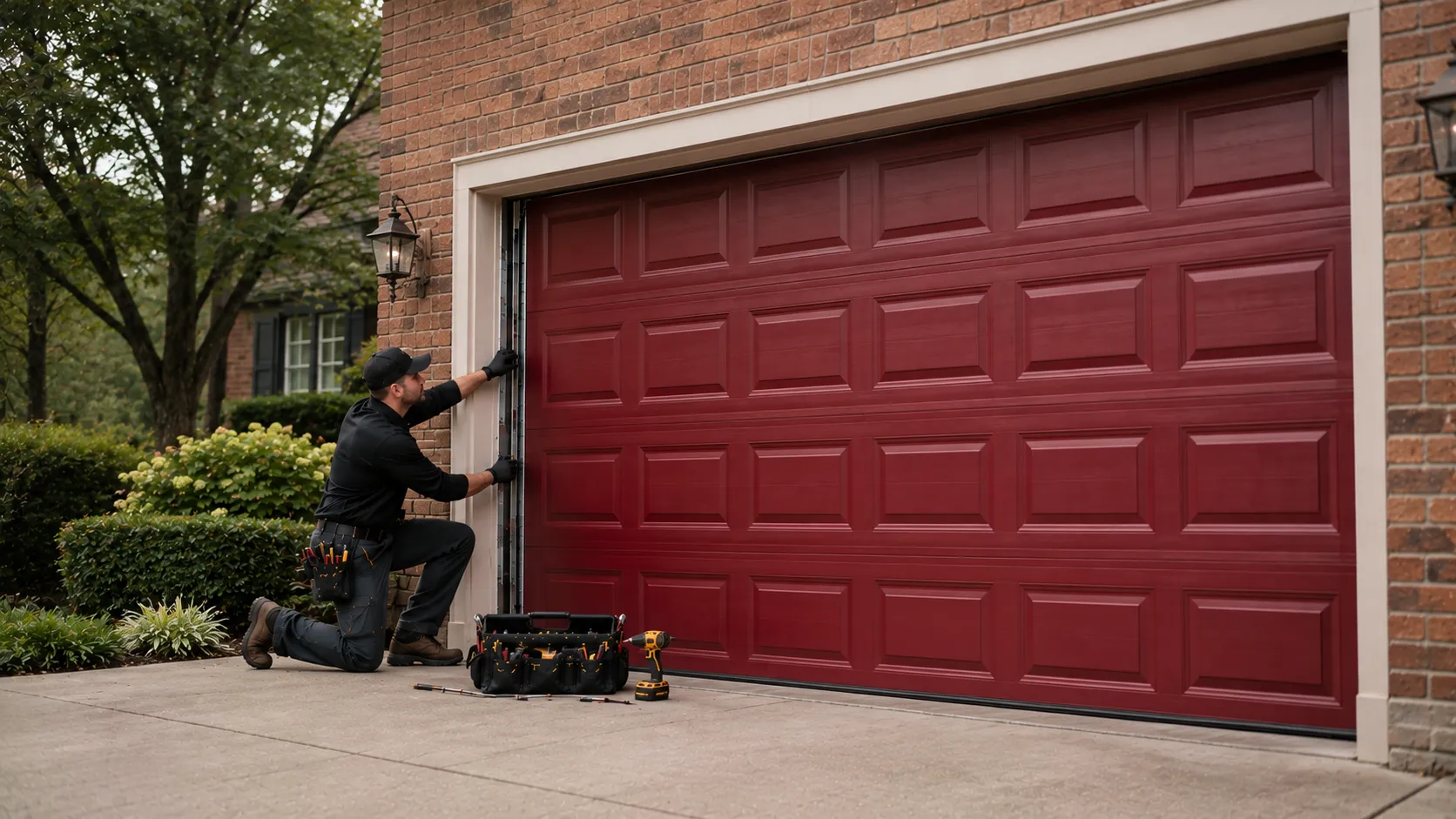
Doors built around the mid-1950s were engineered around different assumptions than the doors sold today. Panels tend to be heavier gauge steel, sometimes without any insulation layer at all, which the area's mild temperate climate has let slide for decades - nobody was fighting extreme heat or hard freezes, so a lot of these original doors just kept working long past when they'd have failed somewhere harsher. That same mildness is why so much of this hardware survives untouched: no one had a forcing reason to replace it. What fails now is usually fatigue - springs that have cycled tens of thousands of times, cables starting to fray at the drum, rollers that have worn oval instead of round. None of that is dramatic, but it's the kind of wear you don't see coming until the door won't lift, or lifts unevenly and starts binding in the track.
This Area's Housing
Lagunitas-Forest Knolls sits about 16 miles from Petaluma, and it's one of the smaller communities in this part of the service area at roughly 831 households. Median household income here runs around $128,656, a bit above the wider area's $125,548, but the housing itself skews older than most - a 1956 median build year against a service-area median closer to 1966, and well ahead of the 1960s-70s stock that's typical across the other 30 communities we track. That earlier build date is the throughline for almost everything we see here: original hardware, original door leaves in some cases, and mounting details that a newer torsion-spring kit won't simply bolt onto without modification.