What You Pay
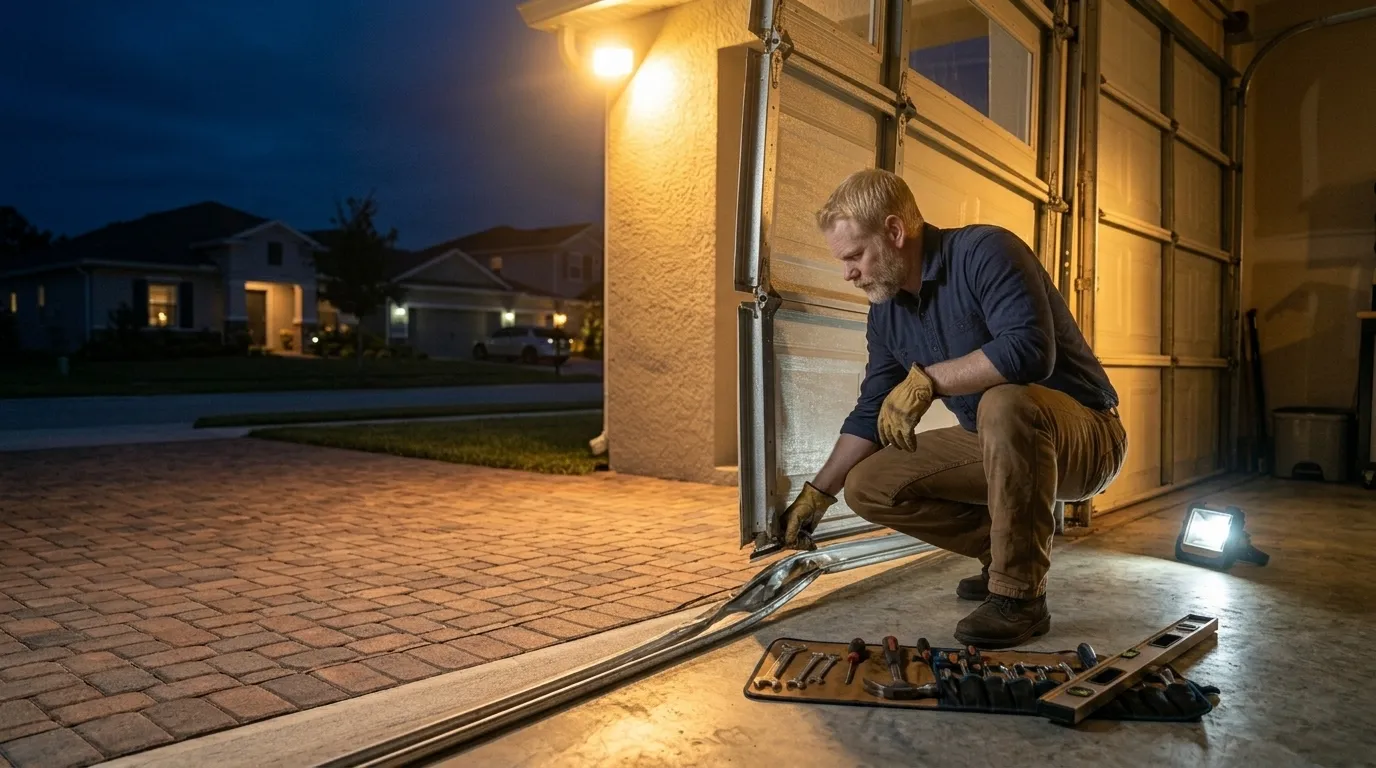
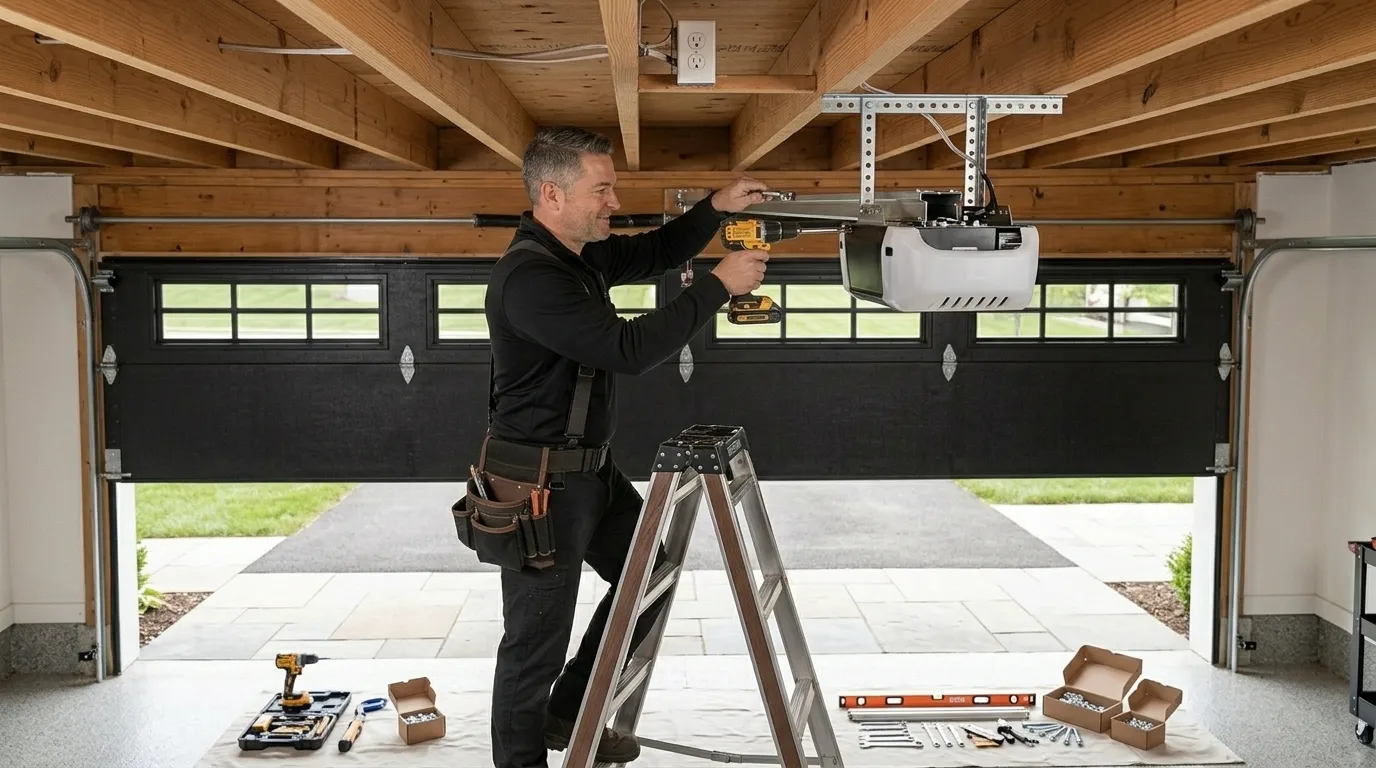
There's no flat number that works for every job, and we won't pretend otherwise. What we can tell you is what tends to drive the bill in this area. Petaluma's housing stock runs from 1938 to 1988, with the median build year sitting at 1966, so a lot of the doors we see aren't a simple panel swap - they're full hardware jobs because the track, spring, and opener are all from the same era and none of it is compatible with today's parts in isolation. Replace one piece and the rest often follows within a season or two. Median household income in this service area is $125,548, and most owners we talk to would rather pay once for a matched system than pay three times for patches on a door that's already 50-plus years old. If your door is from the newer end of that range, built in the 80s, repair usually makes more sense than replacement. If it's from the 40s or 50s, we'll tell you straight when a part isn't worth chasing anymore.
How Local Conditions Play In
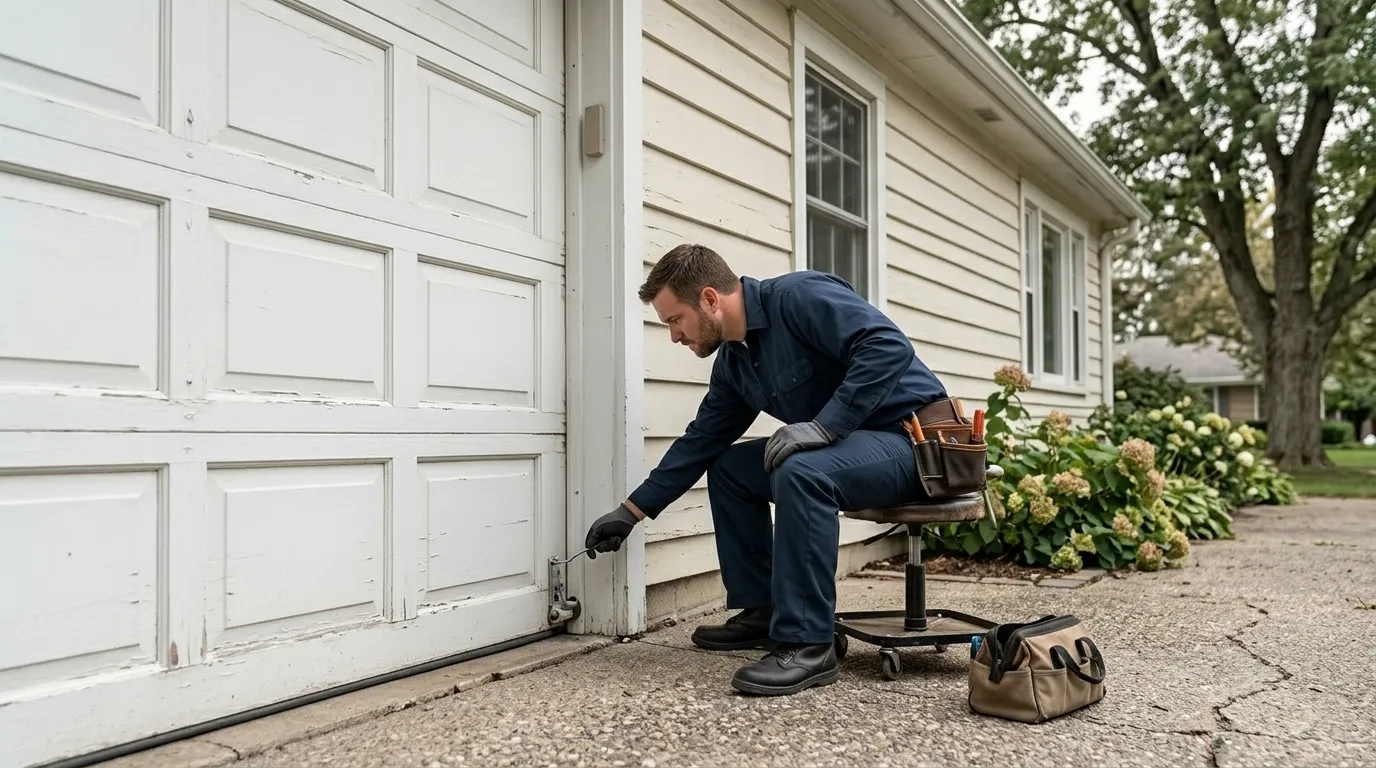
This area sits in a mild temperate band, which is good news for the metal - you're not getting the freeze-thaw cycling that cracks welds and snaps springs in colder climates, and that's part of why doors here can run 40, 50, even 60 years before the springs finally give out. But mild doesn't mean maintenance-free. Steady moderate temperatures mean less stress-driven failure, but the doors themselves are still original to houses built decades before anyone thought about insulation, weatherstripping, or vapor sealing at the base. That combination - old hardware, gentle climate - is exactly why some of these doors have quietly outlived three or four owners without ever getting serviced. It's also why, when something finally does go wrong, it's often the whole system giving out at once rather than one part failing early. The mild weather bought this stock extra decades. It didn't stop the clock.
The Situation
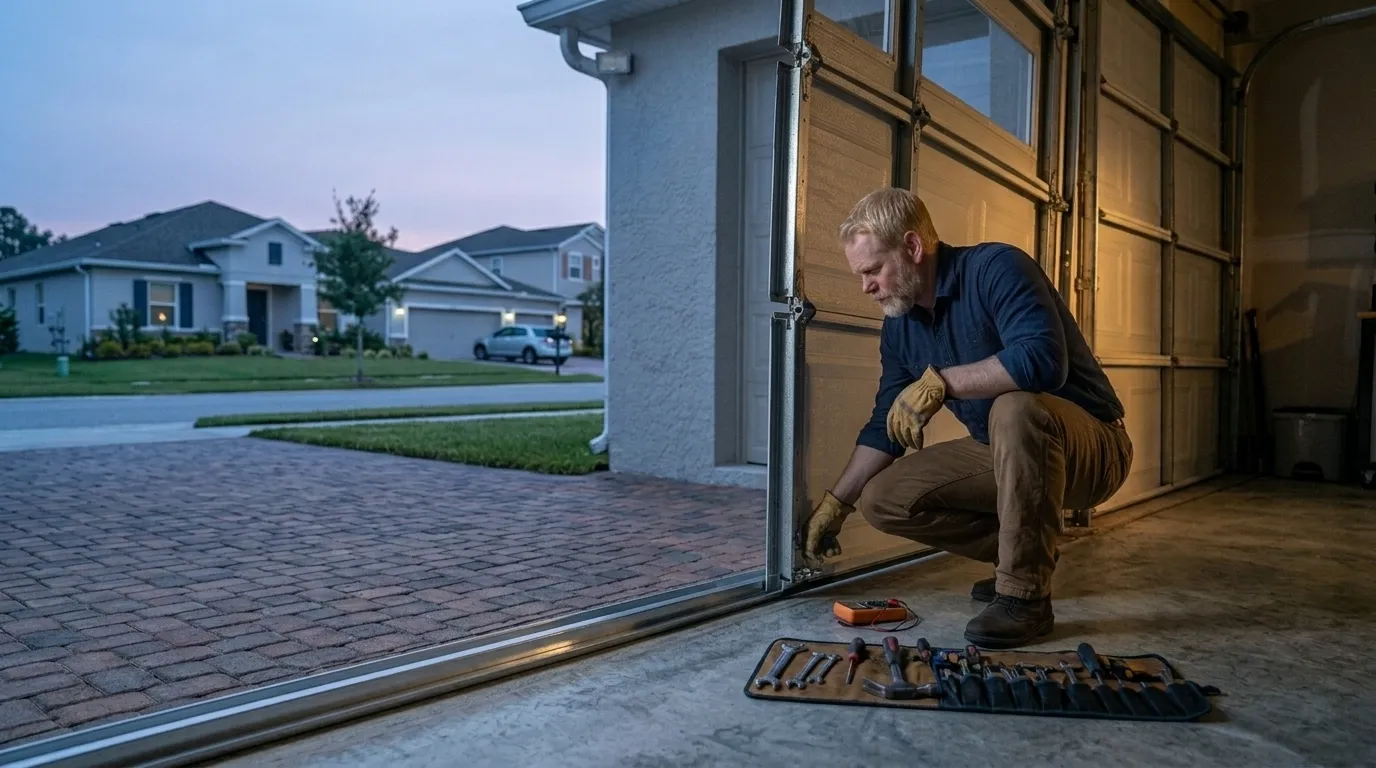
This service area covers 53,399 households, including 24,784 owner-occupied houses, spread across 30 named communities, and the door on your garage is very likely the same age as the roof and the water heater - original, or close to it. Penngrove sits five miles out, Cotati seven, and Rohnert Park eight, and the housing pattern doesn't change much house to house across that stretch: same building era, same original hardware, same slow drift toward failure that nobody notices until the door won't open one morning. We don't stock every obsolete part for a 1966 door - some of it simply isn't made anymore, and we'll say so rather than string out a repair that should be a replacement. What we can do is look at what you've actually got, tell you honestly whether it's a fix or a swap, and not pad the invoice with work the door doesn't need yet.