What We Do Most in This Area
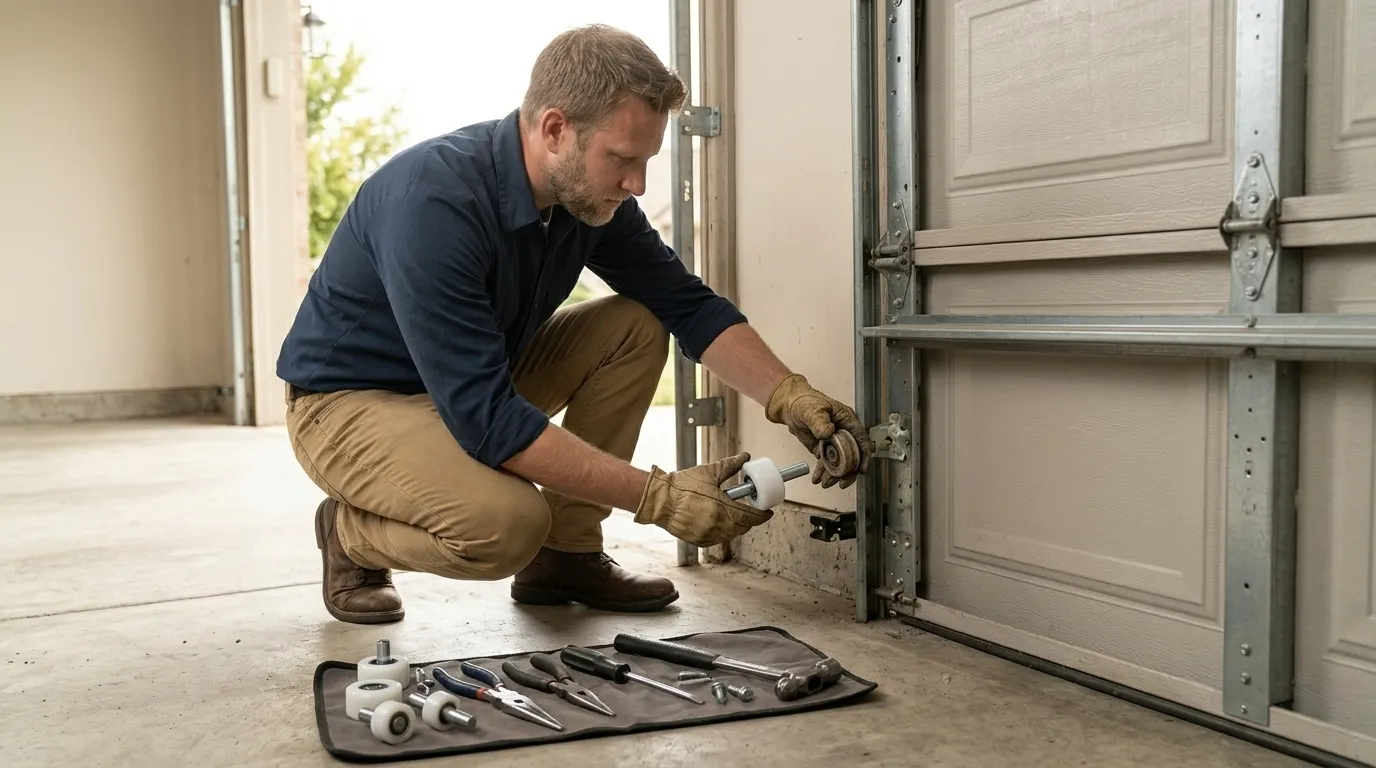
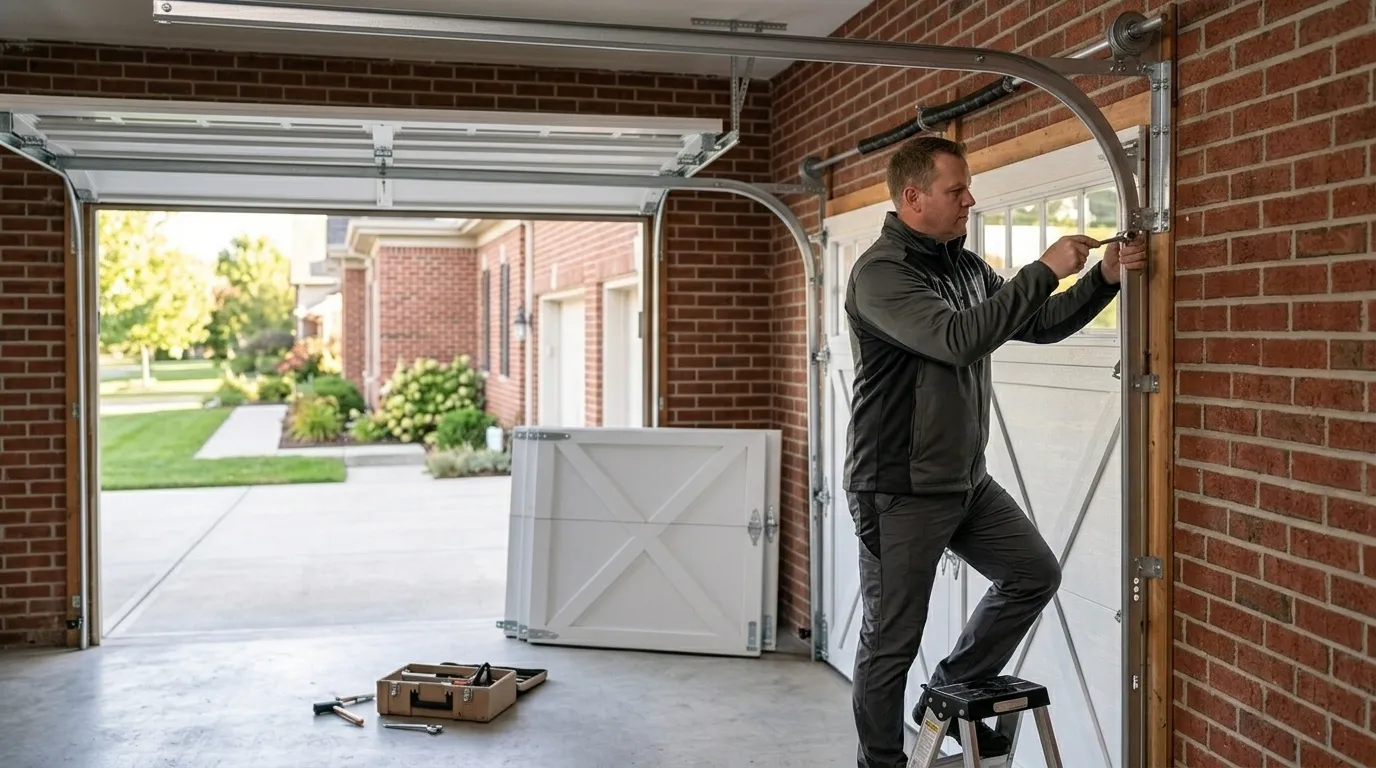
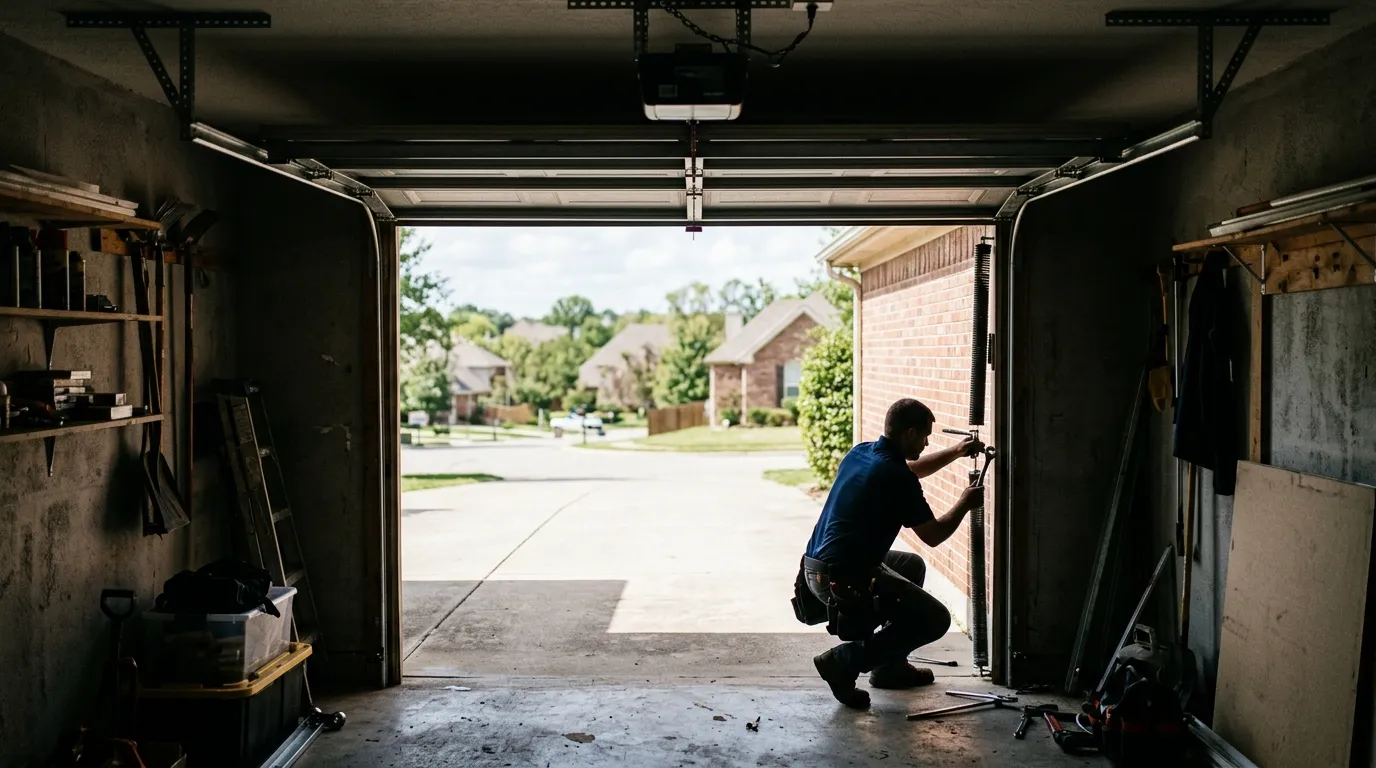
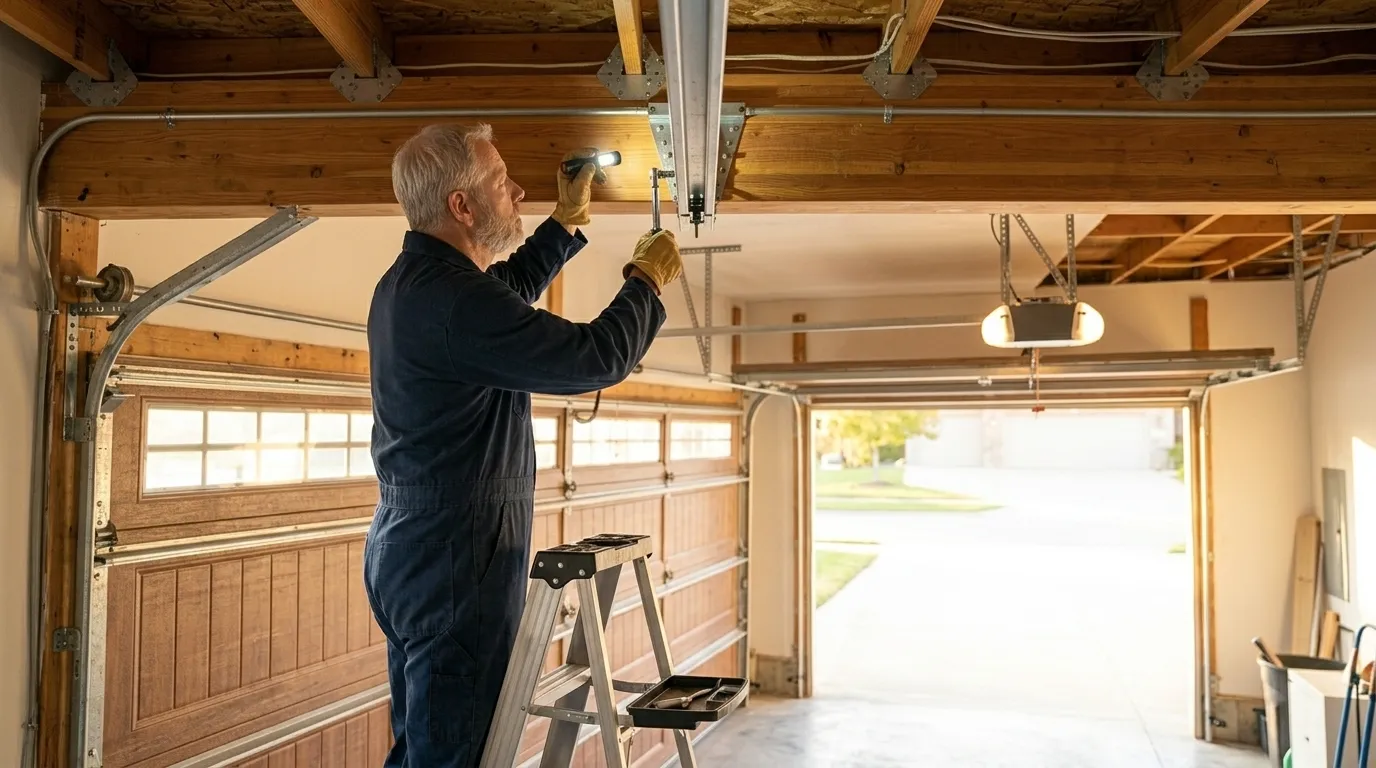
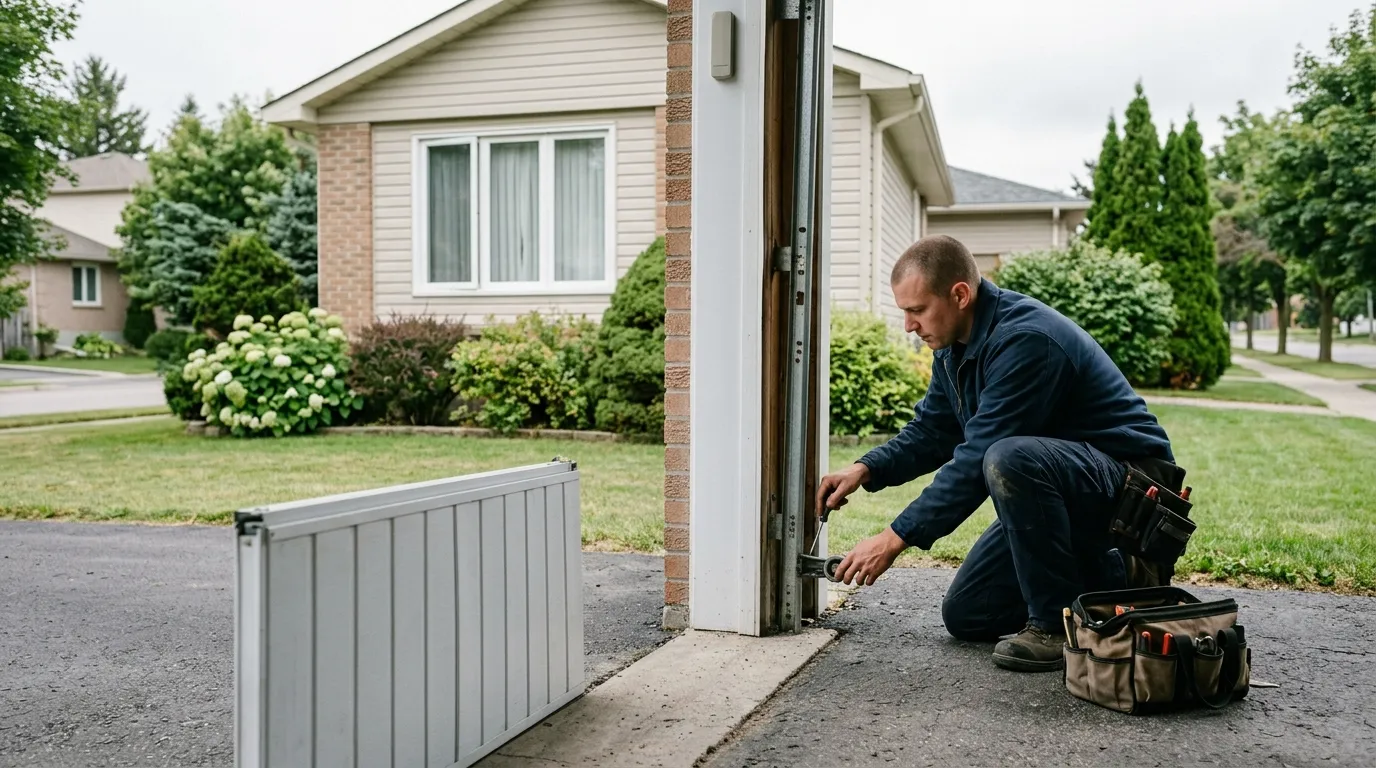
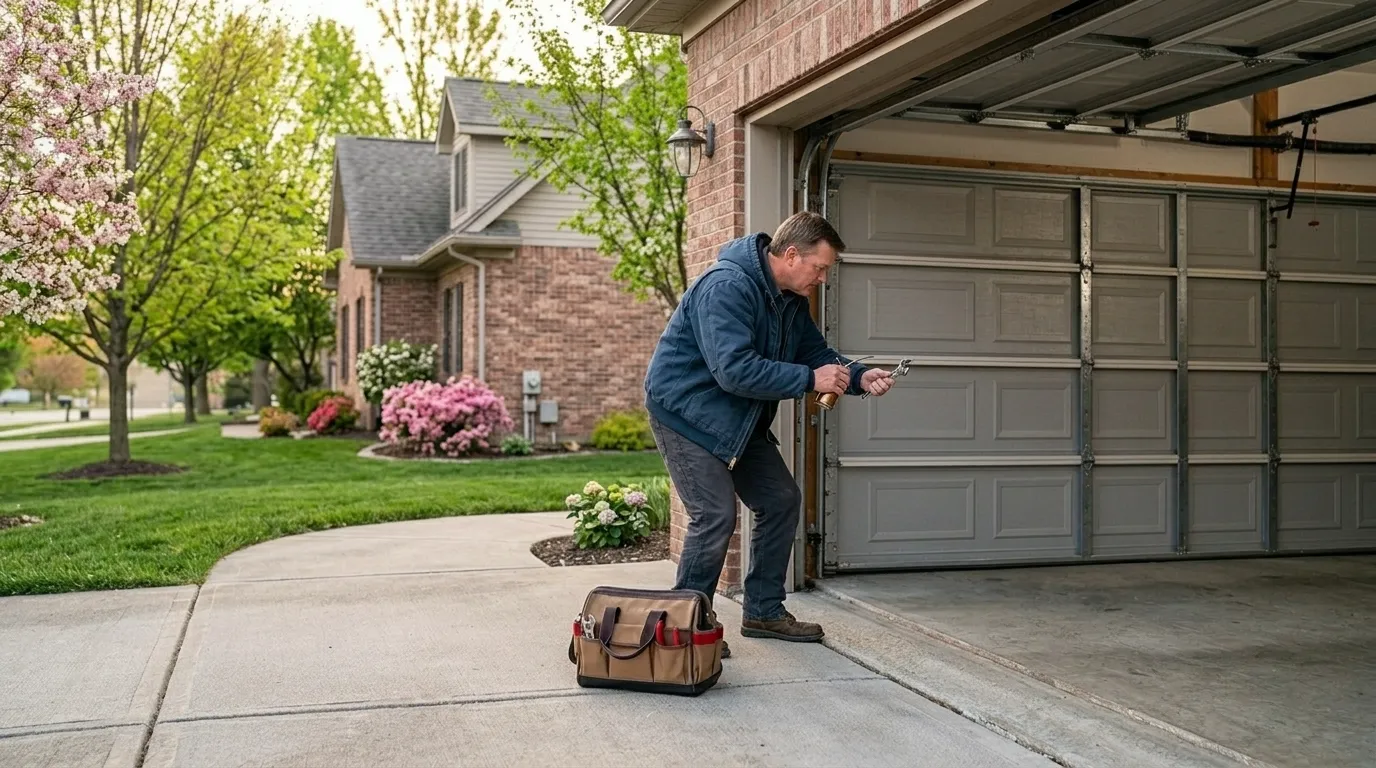
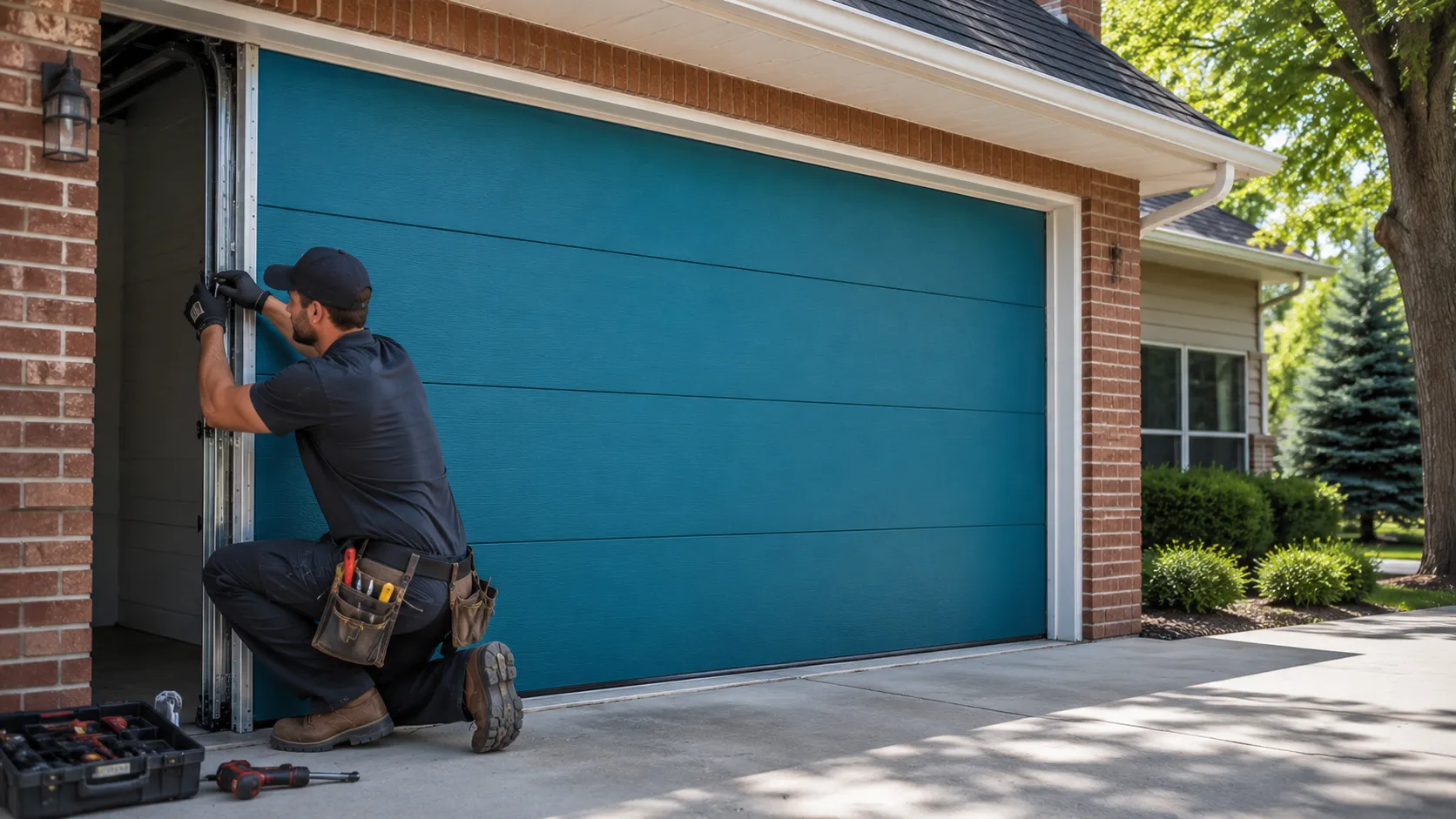
Black Point-Green Point sits about 11 miles from our shop in Petaluma, and the houses here skew younger than a lot of the rest of the county's stock. The median build year in this area is 1973, later than the roughly 1966 median across our wider service territory, and that shows up in what we get called for. Doors from this era are more likely to already be on extension or torsion setups that were factory-matched to a steel section door rather than retrofitted onto an older wood door frame. So the calls here run heavier on worn rollers, opener logic boards from later replacement cycles, and torsion springs that have simply cycled out after decades of use, rather than the odder one-off hardware you find on pre-1960s builds elsewhere in the area. We also see standard cable fraying and worn end bearing plates, which is normal wear for a door installed in the early-to-mid 1970s and never touched since. None of this is exotic work. It's the maintenance a 50-year-old garage door needs, and with 628 households in this pocket, most of them built in a tight window, the fixes tend to repeat house to house.
What That Means for Doors
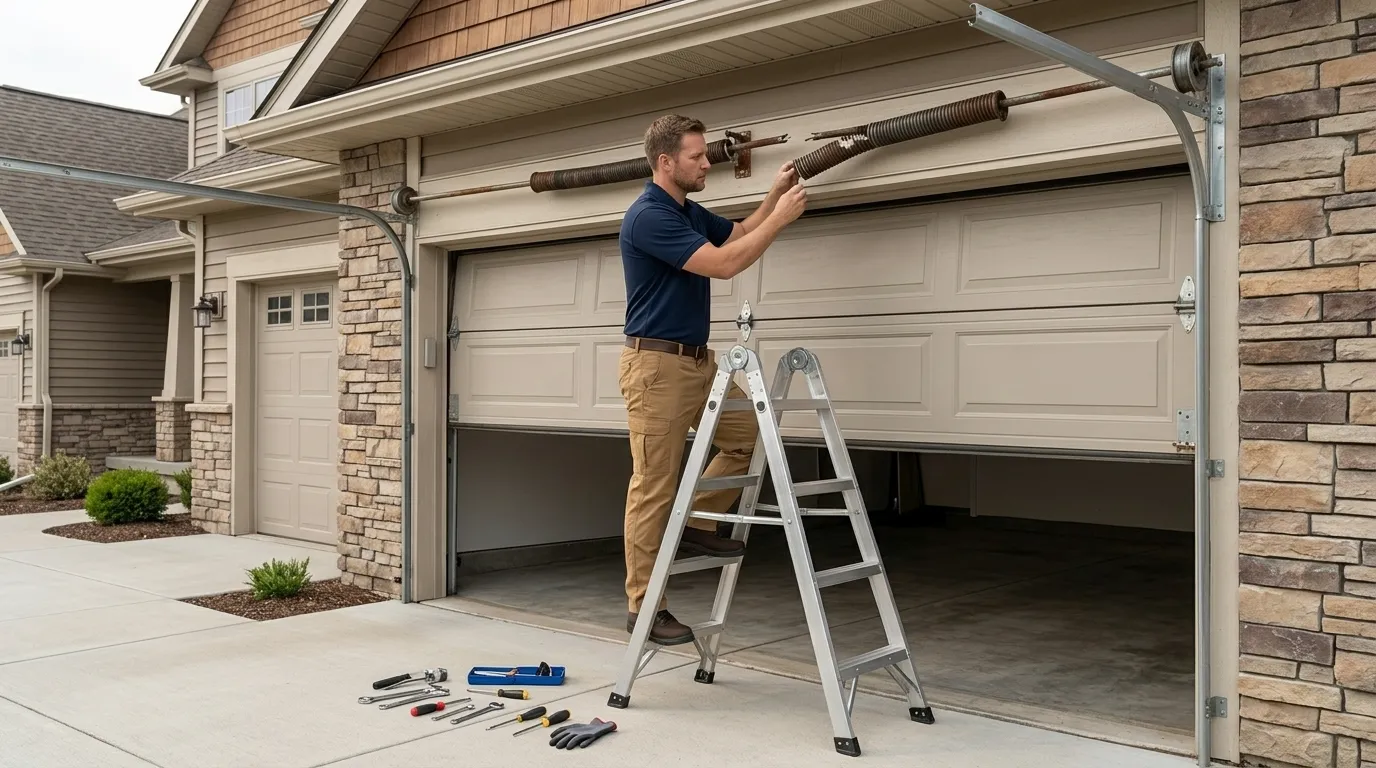
A door installed around 1973 was almost certainly built for a torsion or extension spring system designed to that era's door weight and section thickness, which differs from the mismatched retrofits common on older homes elsewhere in our area. That's a good thing for repair work - torsion springs, drums, and cables from this period are still common sizes, not the odd fractional shaft diameters we sometimes find on 1940s and 1950s installs. The mild temperate climate here means we're not fighting the freeze-thaw cycles that crack door bottom seals or seize hardware in colder regions, so most failures we see are wear-based rather than weather-based: fatigued springs, glazed rollers, and openers reaching the end of their working life rather than doors damaged by moisture or ice. That combination - a mid-tier build era plus a mild climate - generally means longer intervals between failures, but it doesn't mean zero. A door installed in 1973 is now over fifty years old, and torsion springs rated for a set number of cycles wear out regardless of weather.
This Area's Housing
With roughly 628 households in Black Point-Green Point and a median household income of $125,875, this pocket runs close to the broader area's median of $125,548, which tells us homeowners here are generally investing in upkeep rather than deferring it. The median build year of 1973 puts most of this area's housing about seven years newer than the wider service area's 1966 median, and that gap is the whole story behind why hardware here tends to be more standard and less improvised. It's a small area by household count compared to some of the other 30-plus communities we cover, but the housing is consistent enough in age that we can generally predict what we'll find before we get there - torsion hardware sized for a 1970s door, rather than the mixed bag of updates and originals you find in older stock.