What You Pay
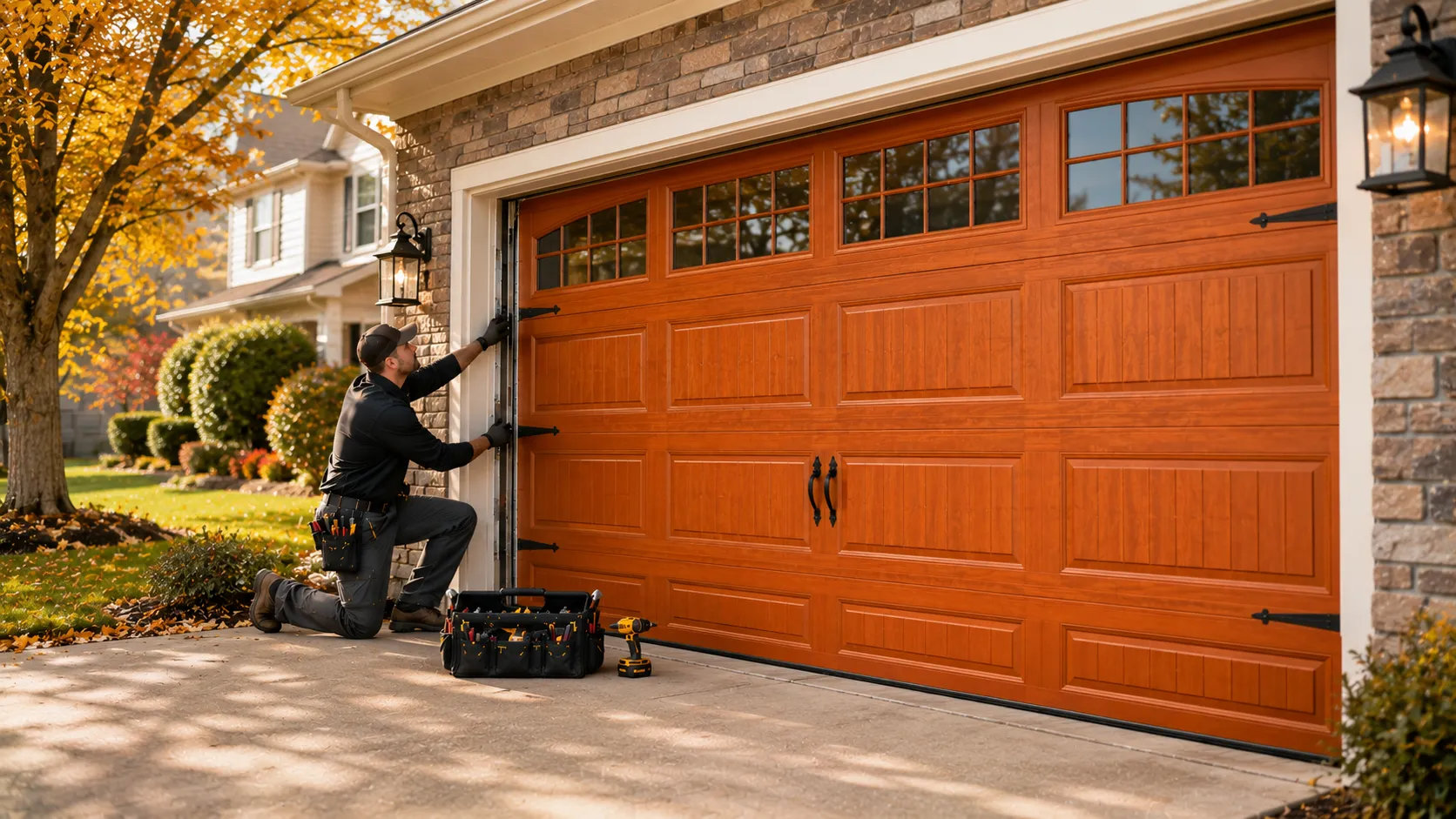
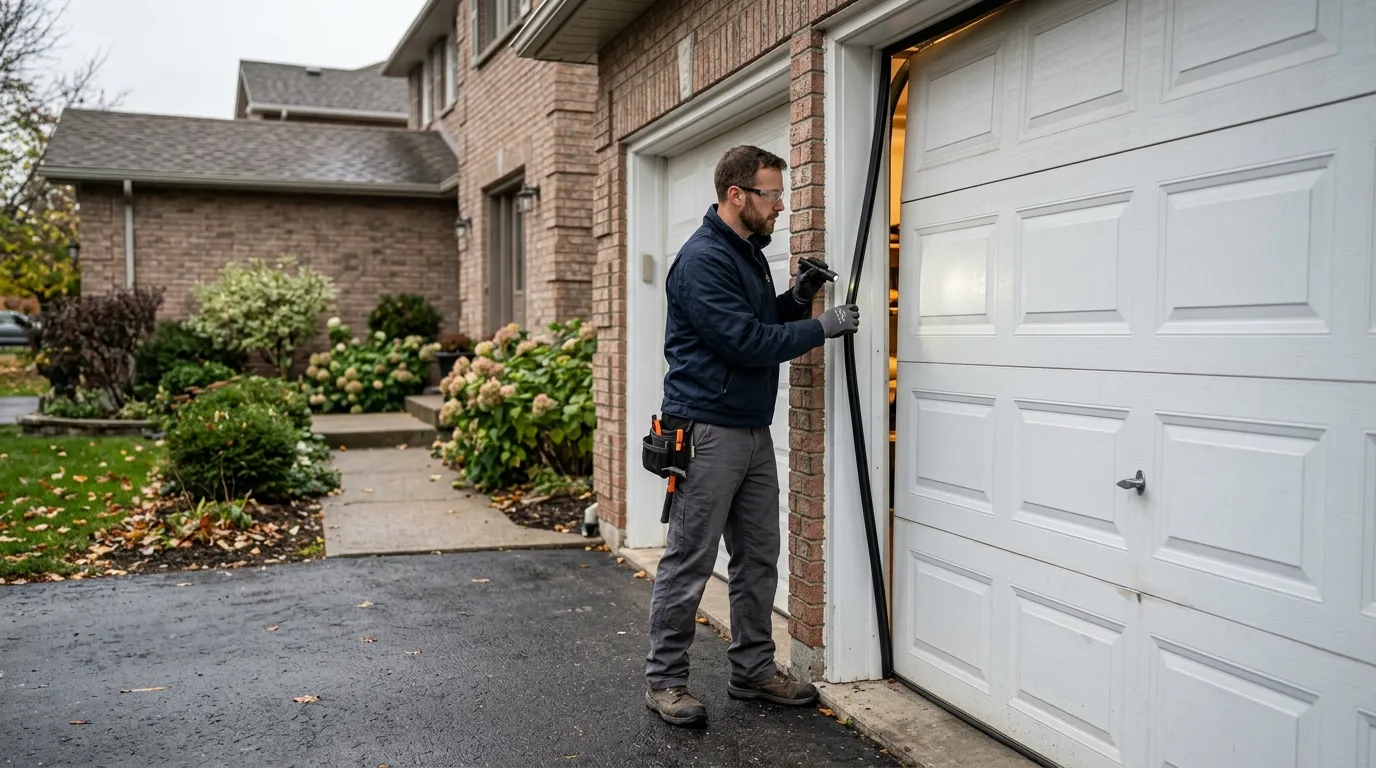
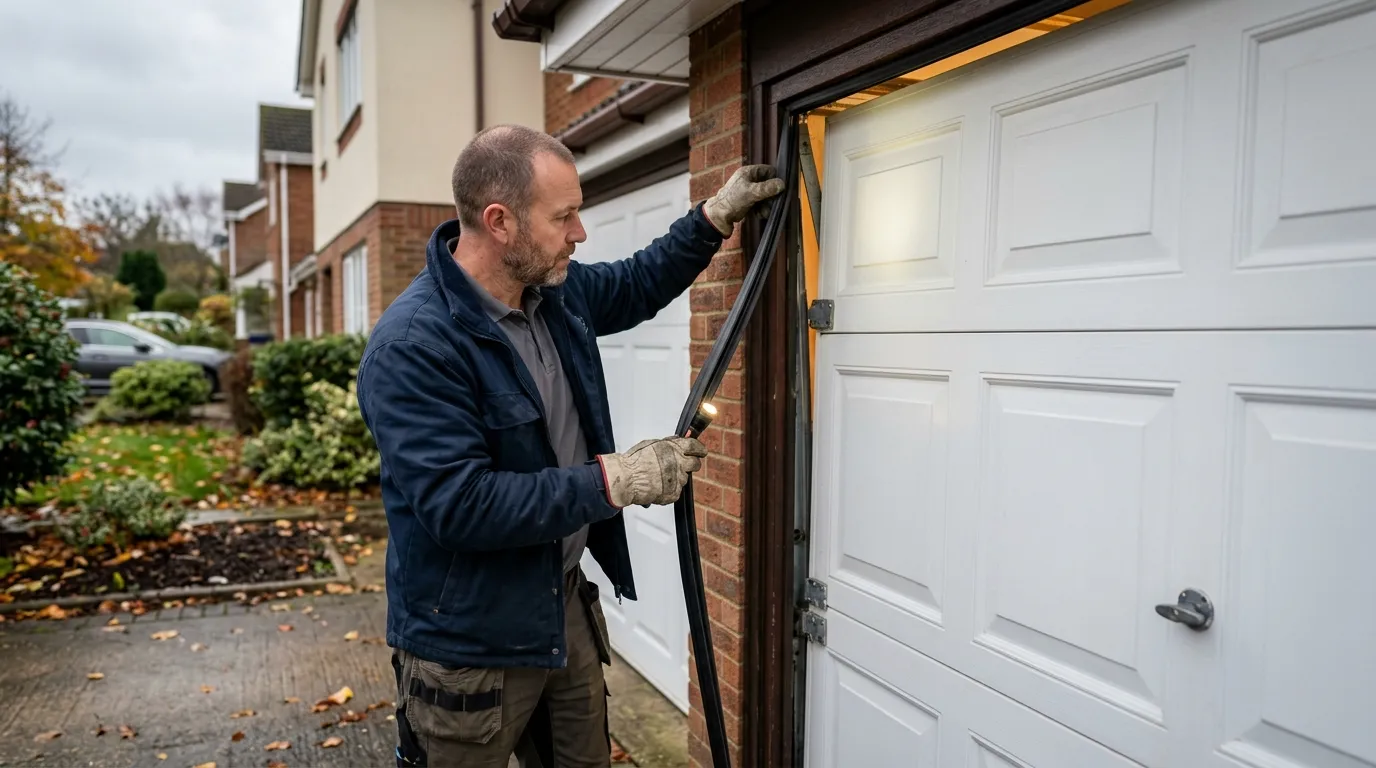
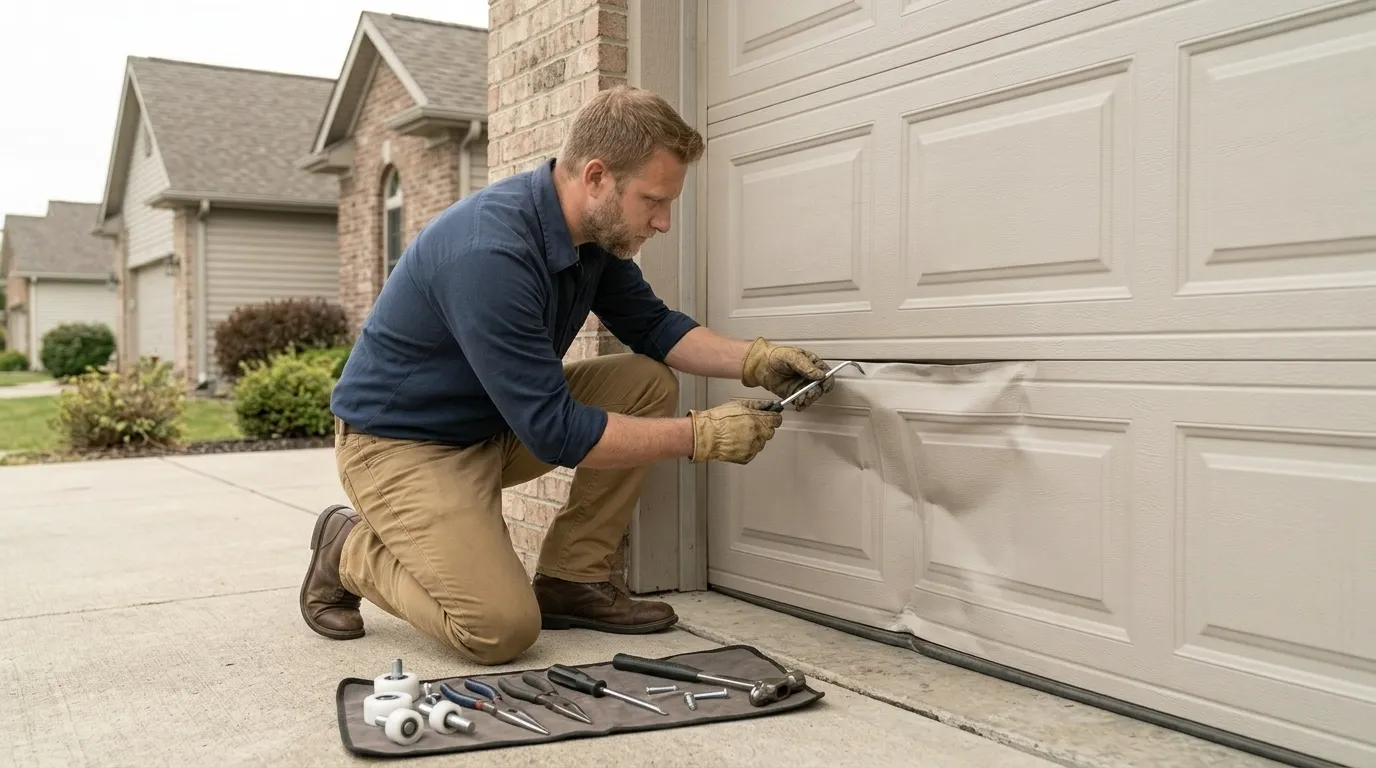
We're not going to hand you a number here, because the honest answer is it depends on what's actually failing - a bottom seal is a different job than replacing the whole weatherstrip channel on a door frame that's shifted with the house. What we can tell you is what drives the cost conversation in this area specifically. Most of the housing stock around Petaluma went up between 1938 and 1988, with the median build year sitting at 1966. That means a lot of jambs and tracks are original or close to it, and seal replacement on those older frames sometimes turns into a bigger job than a simple strip swap - you're dealing with warped wood or a track that's no longer square. Newer builds in the same neighborhoods, where the frame is straighter, are usually a faster fix. If a technician tells you the seal alone won't solve the draught, ask why - on a house this age, the answer is often the frame, not the rubber. We'd rather tell you that up front than sell you a strip that won't fix the problem.
How Local Conditions Play In
Petaluma sits in a mild temperate band - no hard freeze-thaw cycling, no extreme heat that cooks rubber in a season. That's good news in one sense: seals here don't crack from thermal shock the way they do in places with real winters. But mild doesn't mean gentle. UV exposure and slow dry-rot are the more common failure mode in this climate, especially on garage doors facing west or south where the sun sits on the seal for hours. A seal here often looks fine and then fails all at once, brittle rather than visibly cracked. Combine that with a housing stock built mostly across the 1960s and 70s, and you get a specific pattern: original wood door frames that have shrunk slightly over sixty years, paired with seals that degrade quietly rather than dramatically. Across the wider service area - Cotati and Rohnert Park, both seven to eight miles out, Penngrove at five miles, and Kenwood out at thirteen - the same mild band applies, so if you're hearing from a neighbor in one of those spots about the same slow draught creeping in, it's not a coincidence. It's the climate and the era of the build working together.
The Situation
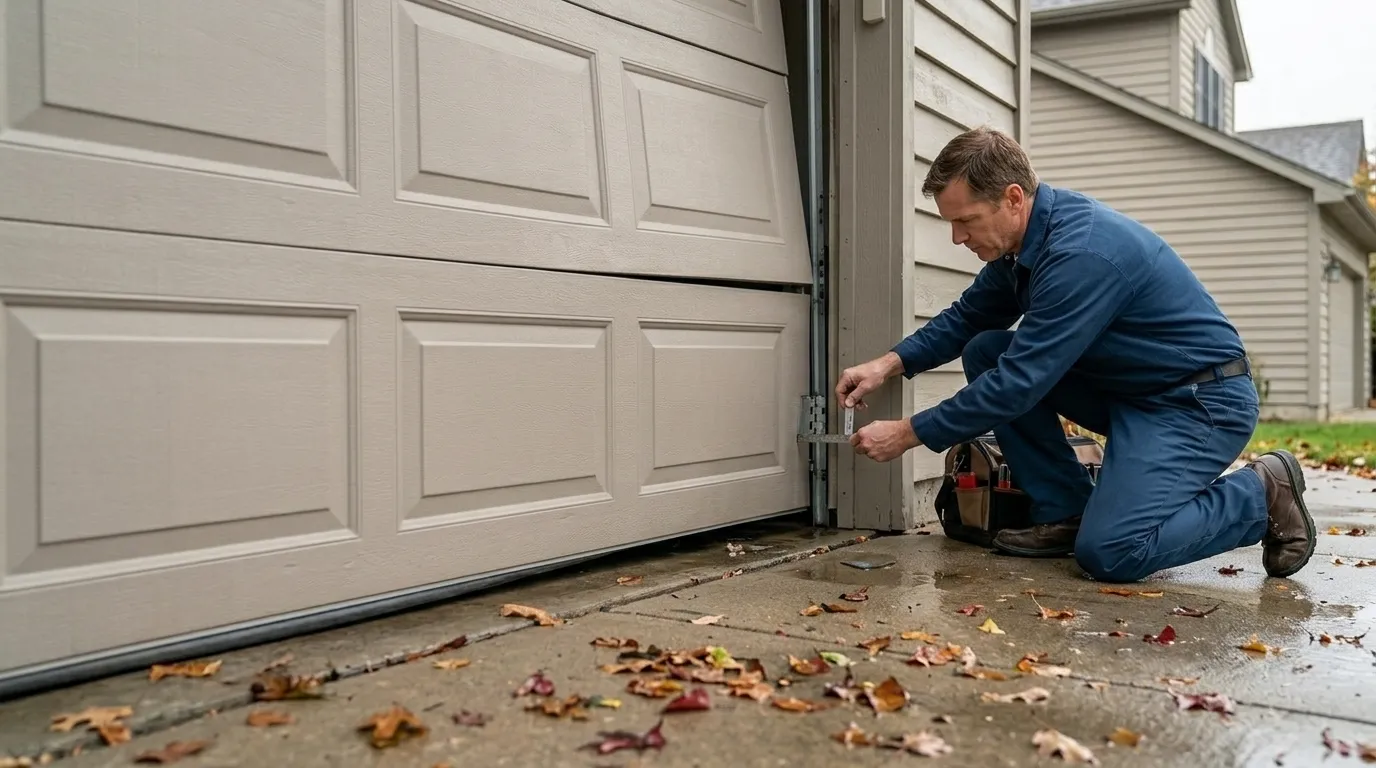
Across this service area there are roughly 53,399 households and 24,784 owner-occupied houses, and a meaningful share of them are sitting on the original seals and frames from a build era that's now pushing sixty years old. That's not a scare number - it's just context for why a draught complaint here is rarely random. If your door is from that same era and you've never replaced the weatherstripping, it's probably due regardless of whether you've noticed a draught yet. One limitation worth saying plainly: we can fix a seal or a track, but if the wood jamb itself has rotted or racked out of square, no strip of rubber is going to seal that gap for long, and at that point you're looking at frame repair, not a weatherstrip job. We'd rather flag that possibility now than have you buy a seal twice.