What You Pay
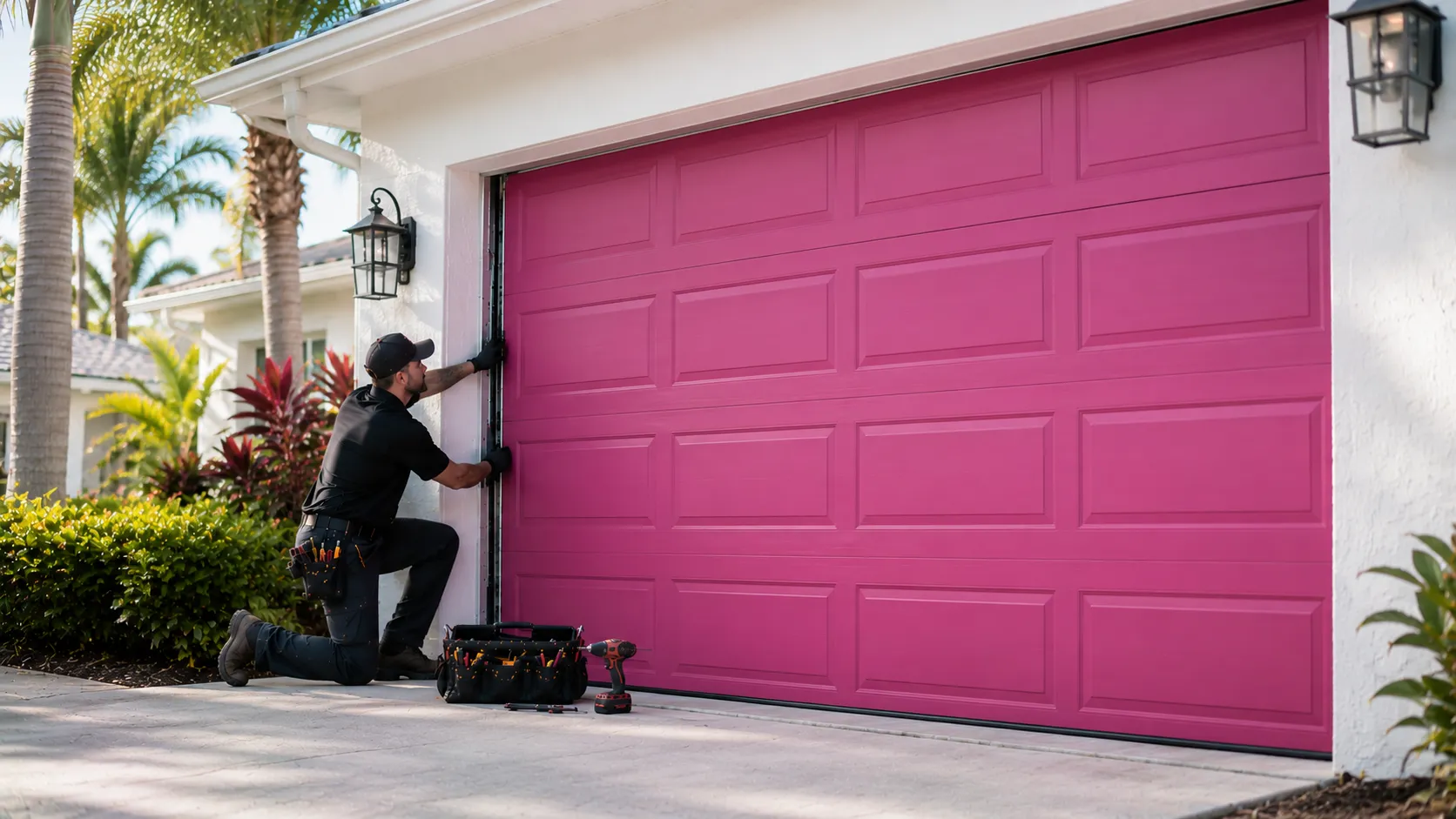
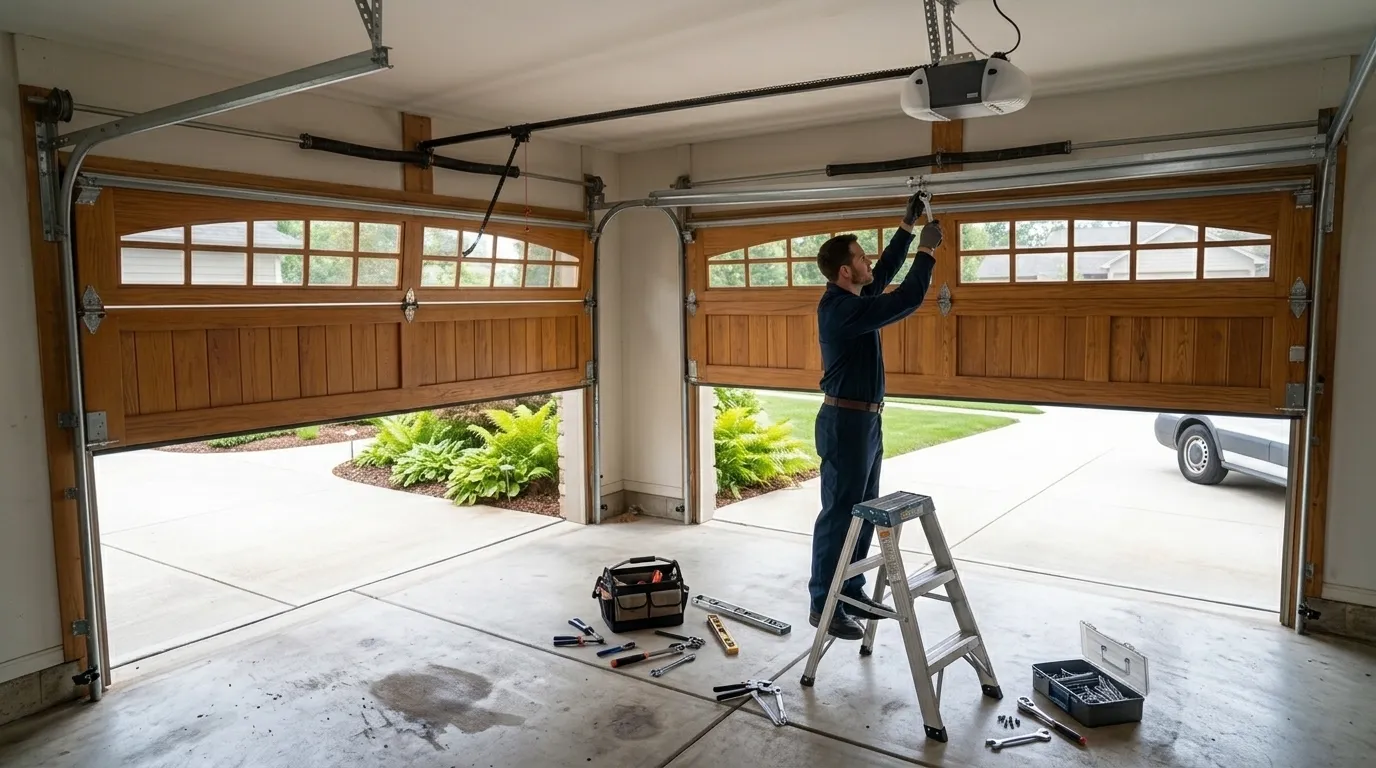
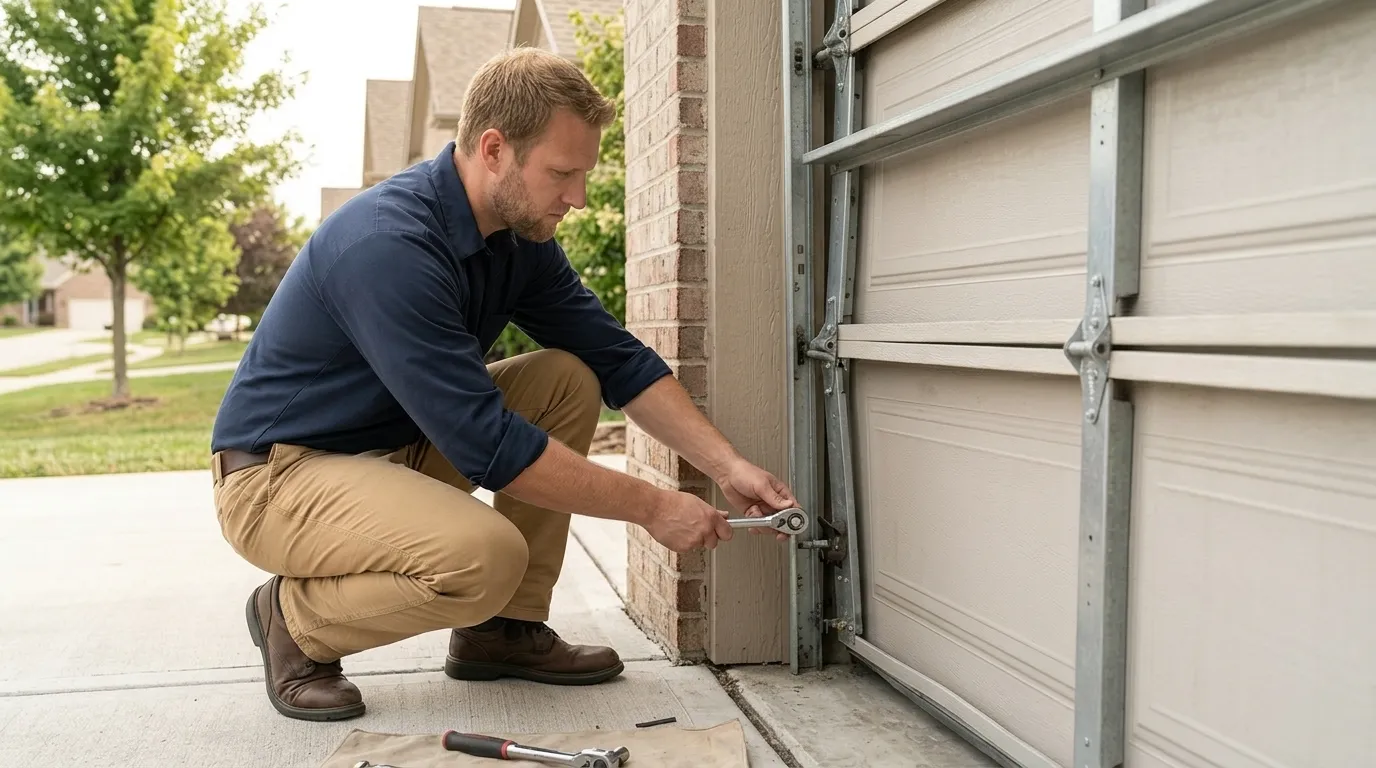
We're not going to hand you a made-up number here - we don't have pricing data to put in front of you on this page, and guessing would do you no favors. What we can tell you is what drives the cost on a call like this: whether it's one spring or a matched pair (doors from the 1960s-70s stock that makes up most of this area almost always came with two), whether the drums or cables need to come off with it, and whether the opener has been straining against a dead spring long enough to need attention too. A single spring on a lighter door is a different job than a matched set on a heavier one, and the age of the hardware - a lot of it original to houses built between 1938 and 1988 - plays into that. Call and describe what you're seeing and hearing; that's the fastest way to get an honest number instead of a range that doesn't mean anything.
One limitation worth saying up front: if the drums, bearing plates, or track are also worn from the same decades of use, a spring swap alone won't fix the door for long. We'll tell you that on-site rather than sell you a spring and let the rest fail next month.
How Local Conditions Play In
Petaluma sits in a mild temperate band - we don't get the hard, sustained freezes that snap cold steel outright the way a harsher climate does. But mild doesn't mean flat. Overnight temperature drops still shrink steel slightly, and a coil that's already fatigued from decades of cycling doesn't need much of a nudge to finally separate. That's why cold mornings, more than cold weeks, are when the calls come in.
This matters more here because of the housing stock: median build year 1966, with most of the area's homes going up between 1938 and 1988. Springs wound that long ago, or replaced once somewhere in the intervening decades, are well past any reasonable cycle-life expectation regardless of weather. The cold snap isn't the cause so much as the trigger on hardware that was already near the end.
We don't see the same failure pattern on newer doors with modern coil coatings, which handle temperature swings with less fatigue. If your door and opener are recent, a cold-morning break is less likely to be age-related and more worth a second look at installation or load.
The Situation
The service area runs through a mix of established neighborhoods, with 53,399 households total and 24,784 of those owner-occupied houses - the segment where original torsion hardware from the 1960s and 70s tends to still be in place, untouched since the door was hung. Median household income across the area sits at $125,548, and in practice that means most calls end in a full spring replacement rather than a stopgap fix, since a proper matched-pair swap isn't usually the deciding cost factor for these households.
We cover the town itself and out toward nearby communities like Penngrove and Cotati, with Rohnert Park, Temelec, and towns further out like Sebastopol also within reach. Distance isn't usually the constraint on a broken-spring call - availability of the right spring size for an older door sometimes is, particularly on original hardware that isn't a stock size anymore.
If your door dates to that original build era and hasn't had the spring replaced since, a cold morning is as good a reason as any to get ahead of it rather than wait for the bang.