What We Do Most in This Area
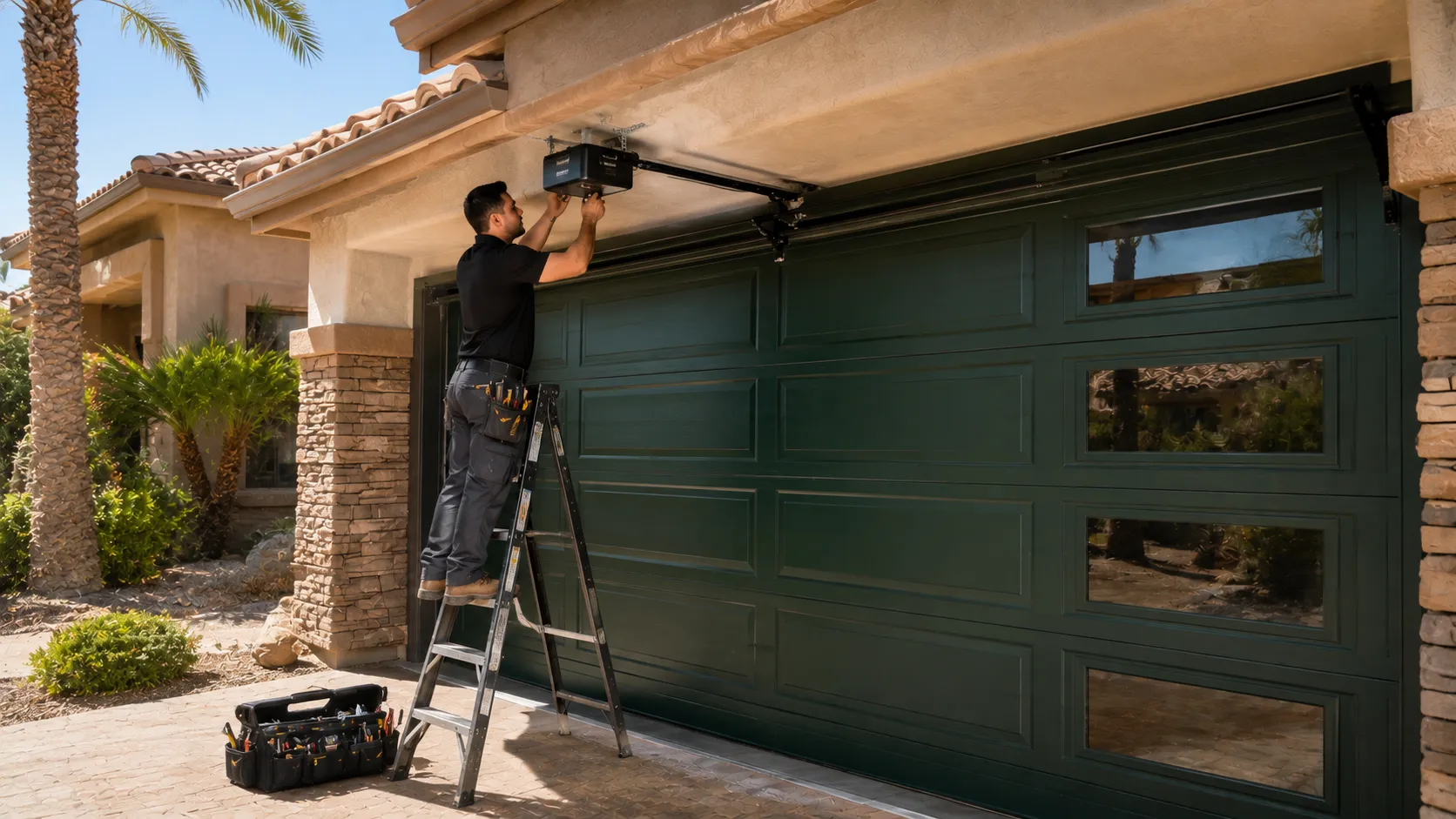
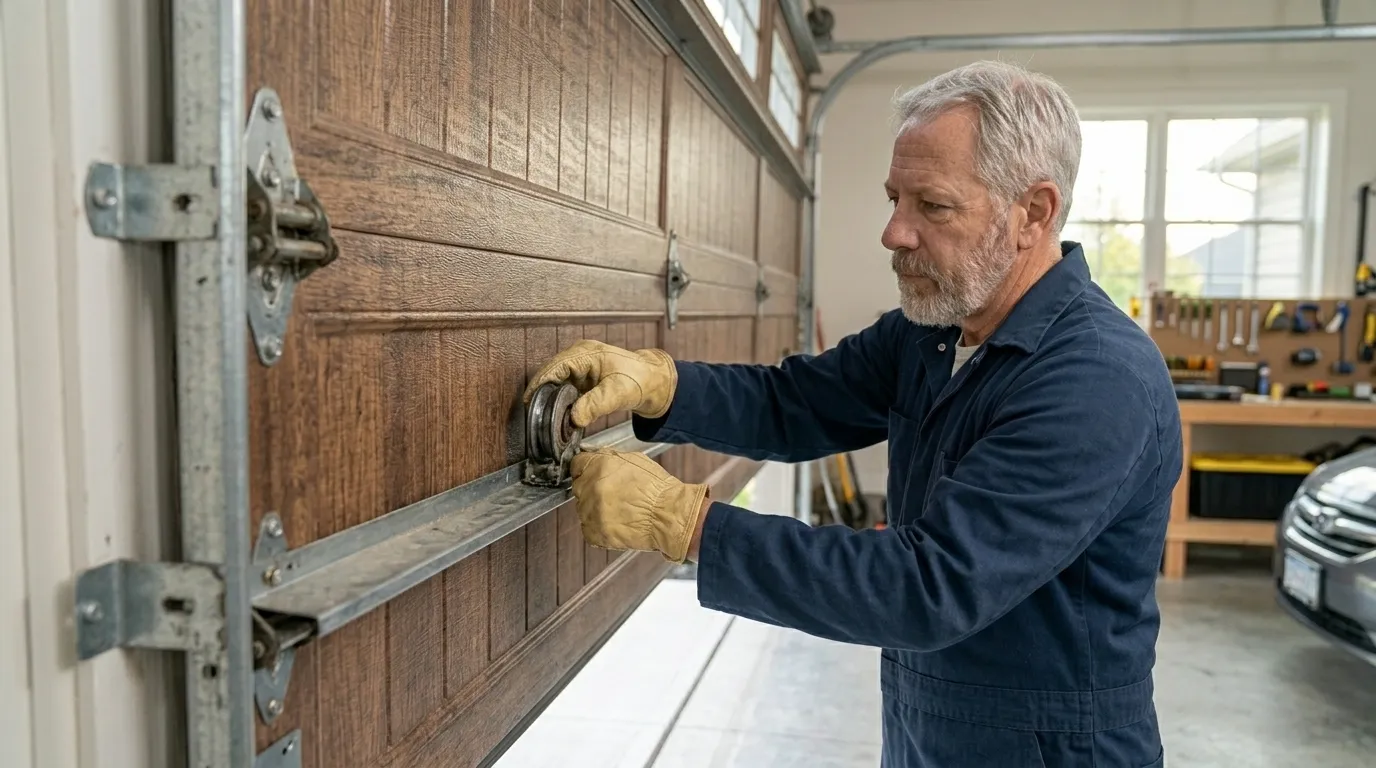
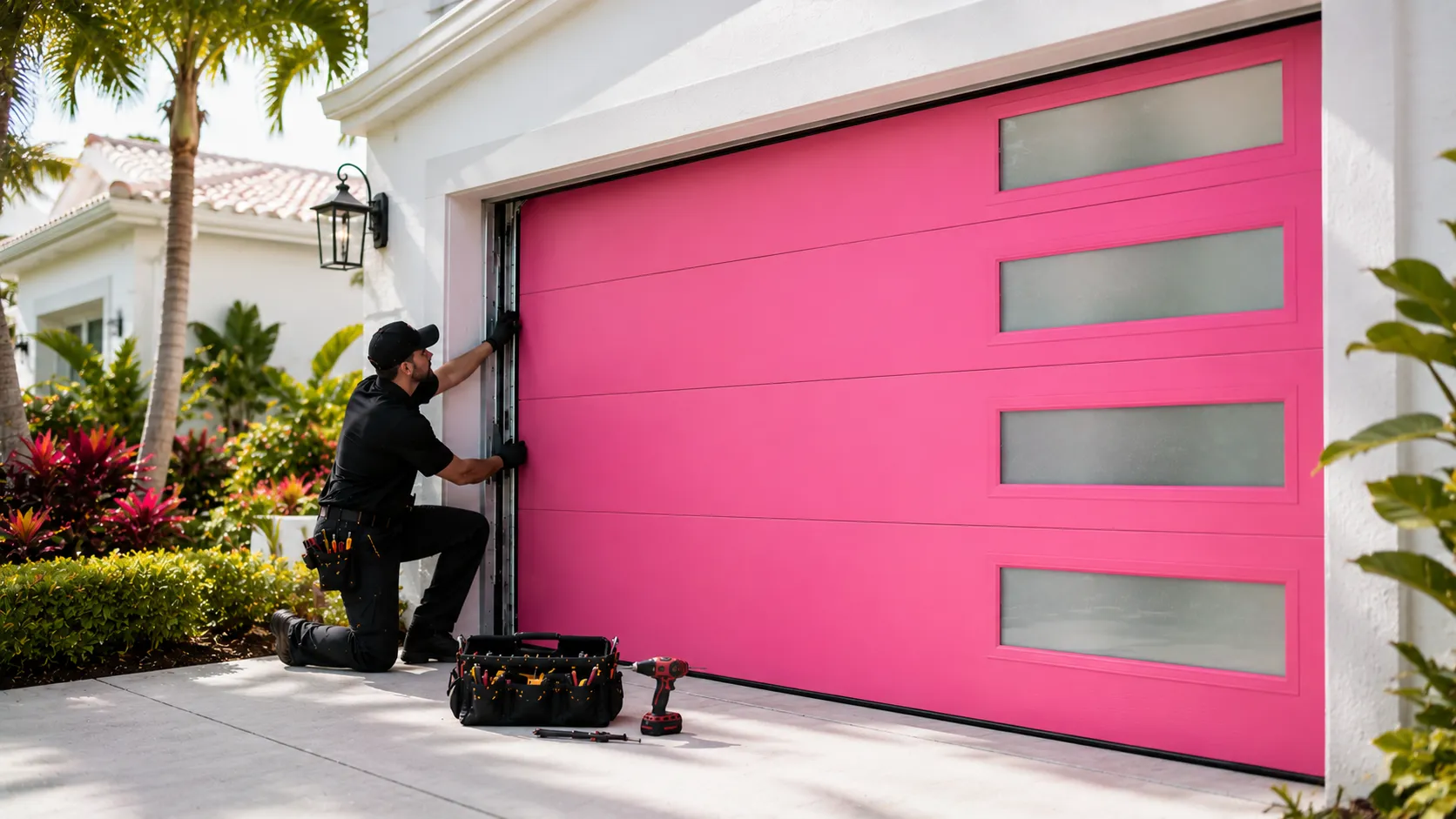
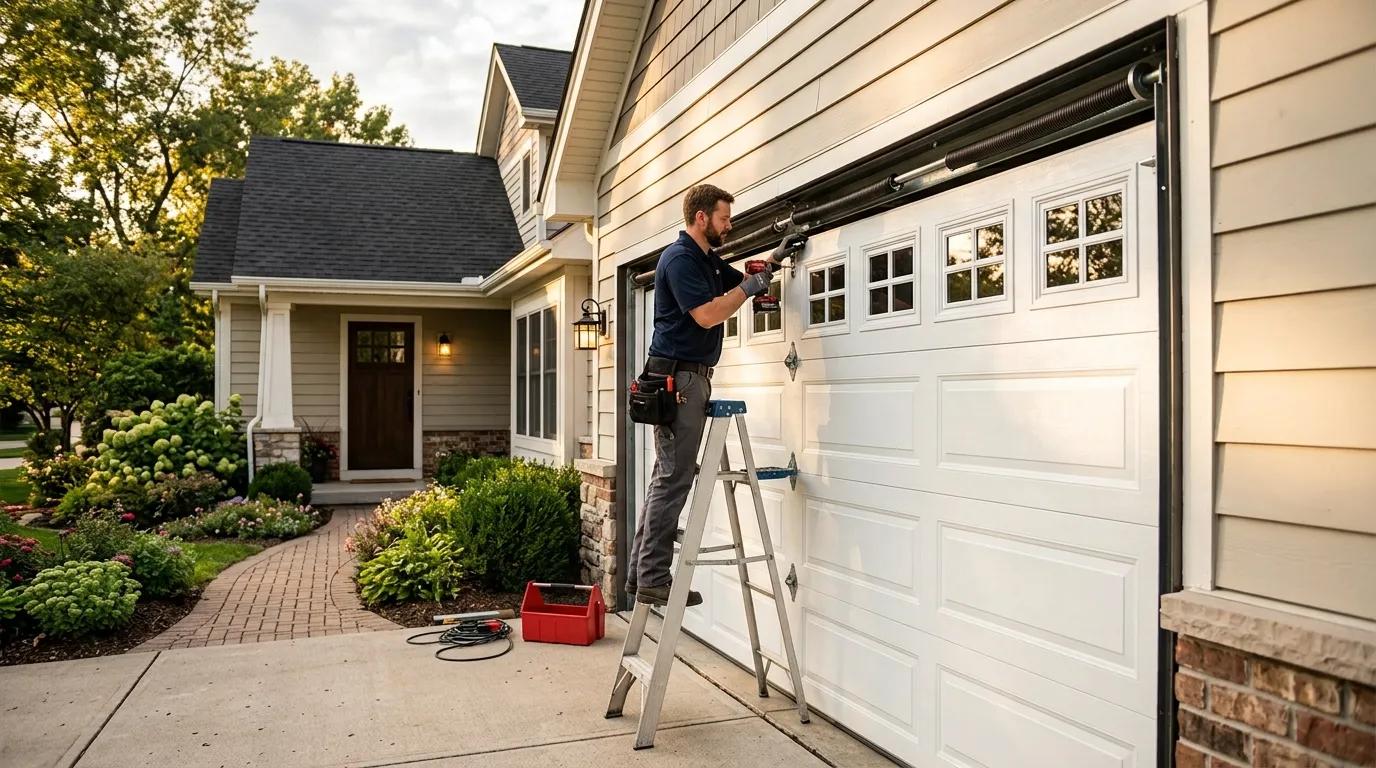
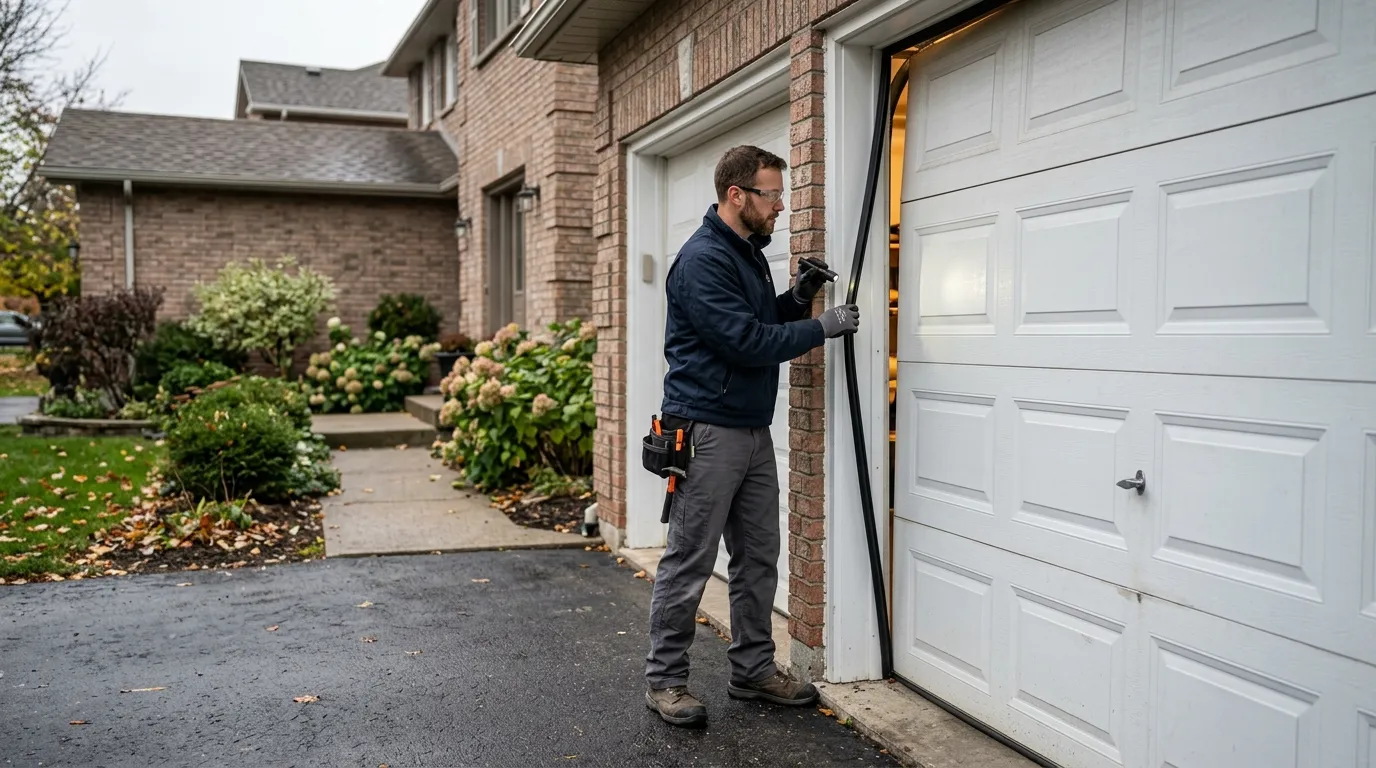
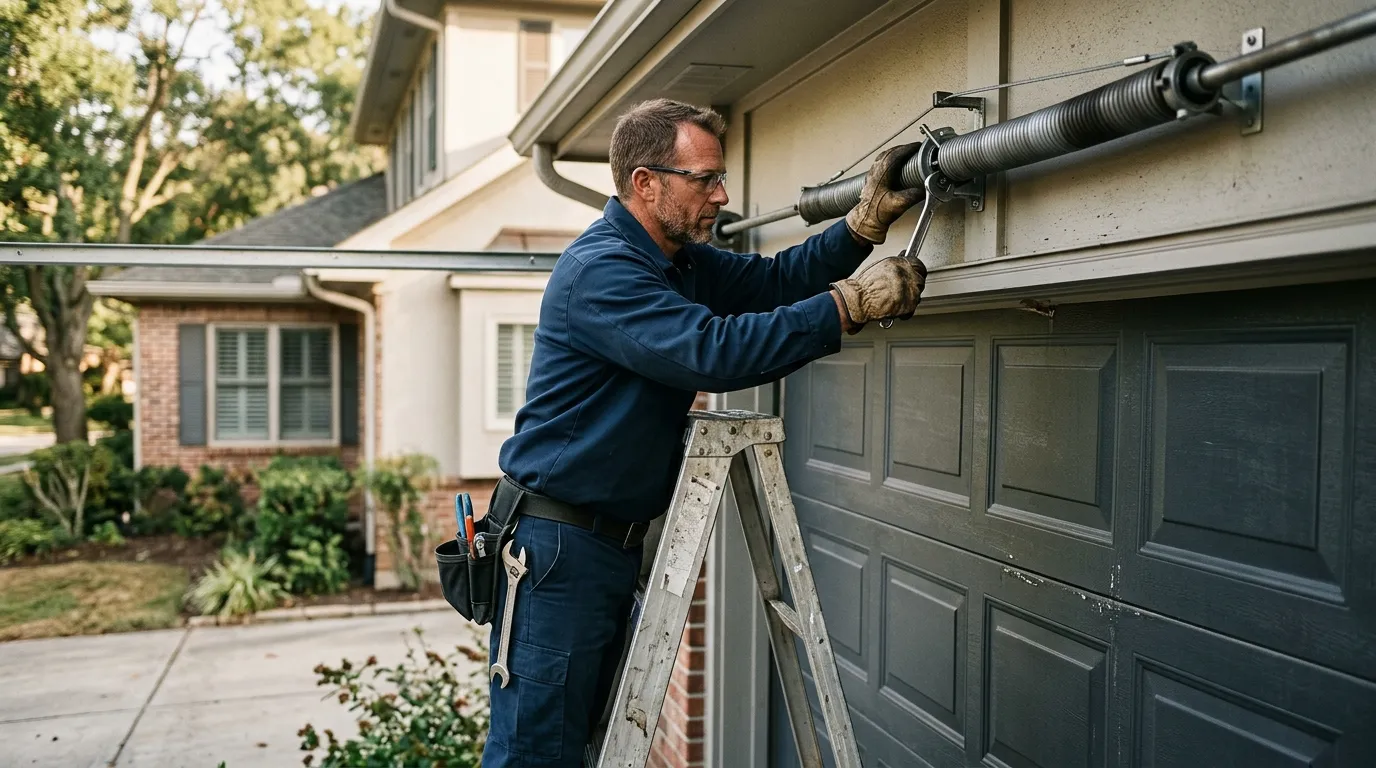
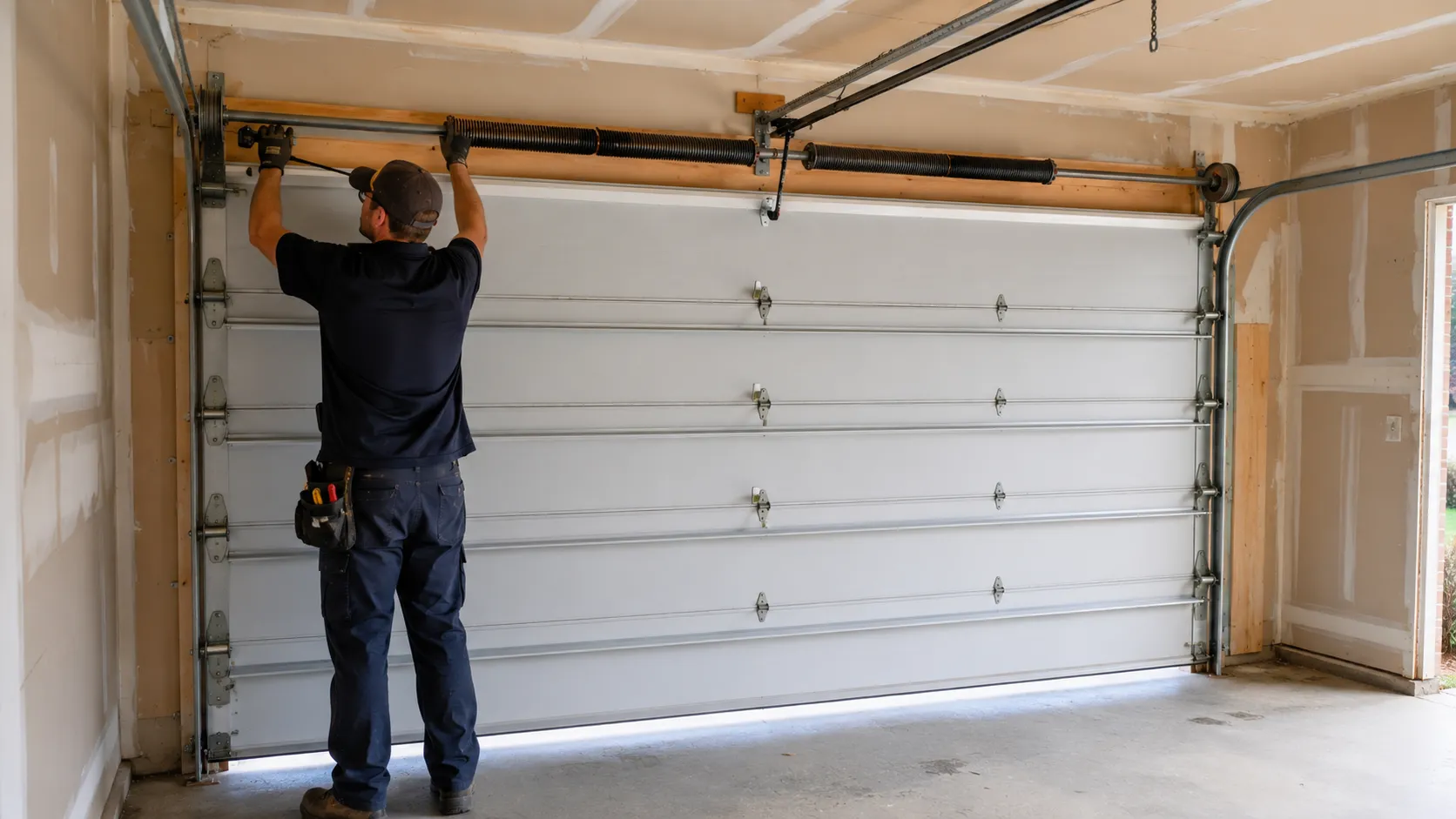
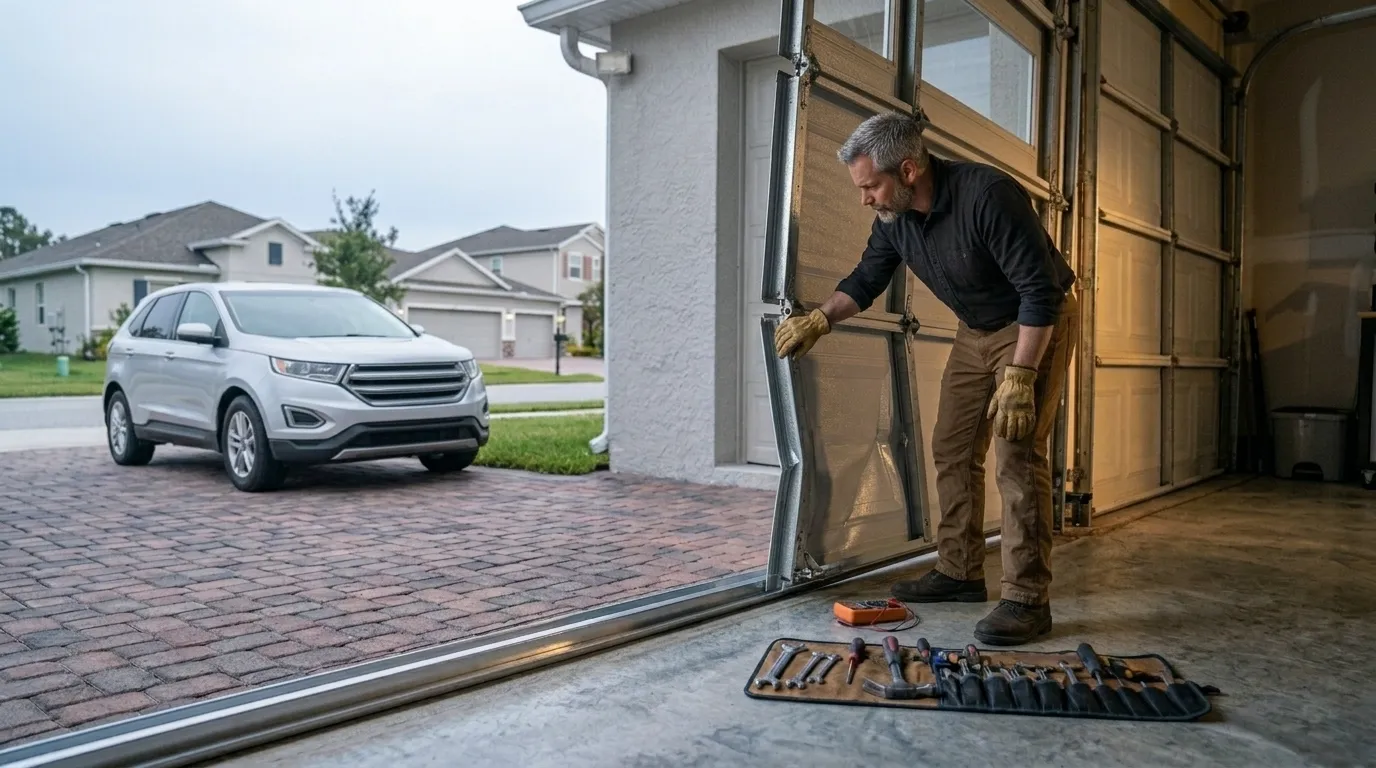
The call we get most from Boyes Hot Springs is a torsion spring that let go on a door installed when the house was built, or not long after. Median year built here is 1974, which is newer than a lot of the neighborhoods we cover between here and Petaluma, but it still means original steel doors on hardware that's now pushing fifty years old. Springs from that era were sized for lighter panel doors than what's often been swapped in since, so we see mismatched replacements that wore out early. Rollers are usually the original steel ones, loud and pitted, and openers are frequently a second or third unit bolted onto first-generation rail. With 2,623 households in this pocket, we're not guessing at a type - it's a consistent pattern, and it's why we bring parts sized for mid-70s track spacing rather than assuming a modern kit will bolt straight on. Cable fraying at the drum is common too, usually from a spring that was already weak and put extra load on the cable during the last few closes before it broke.
What That Means for Doors
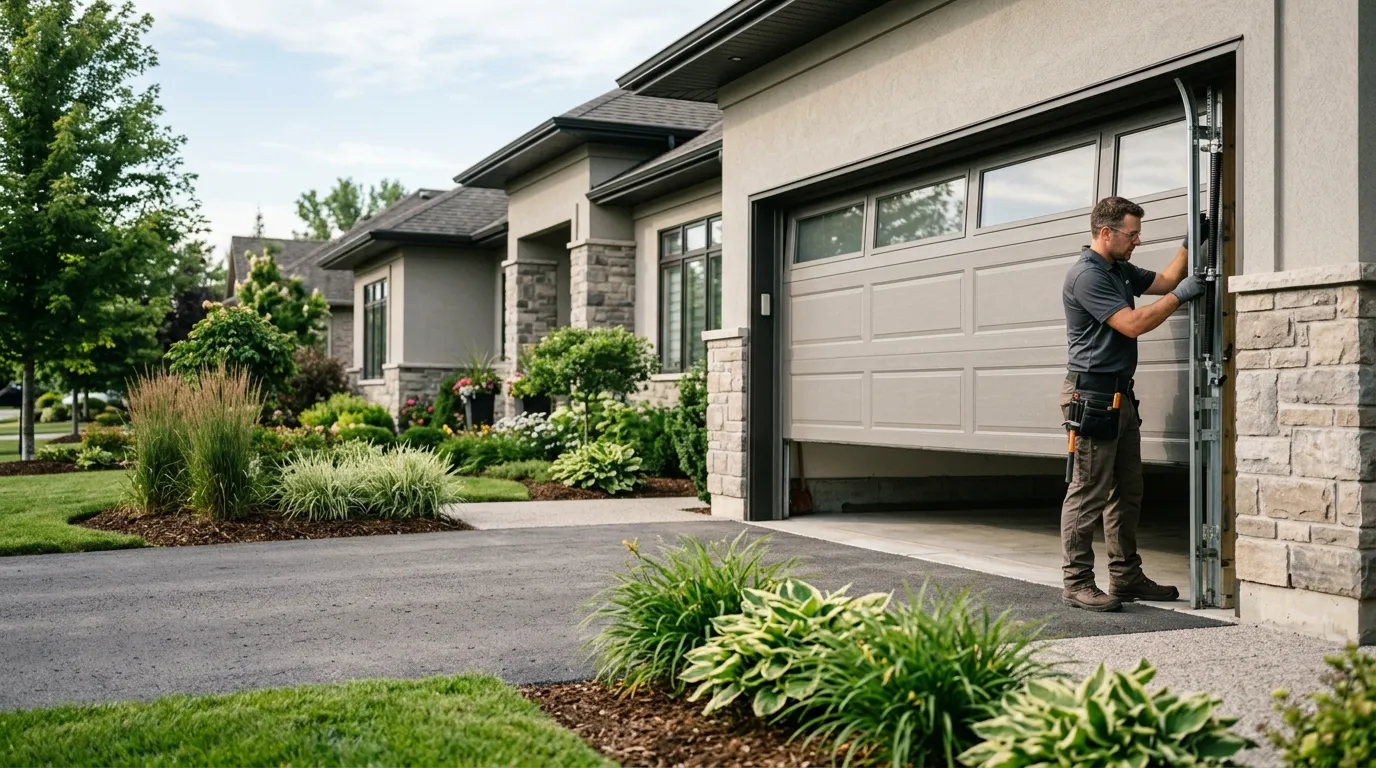
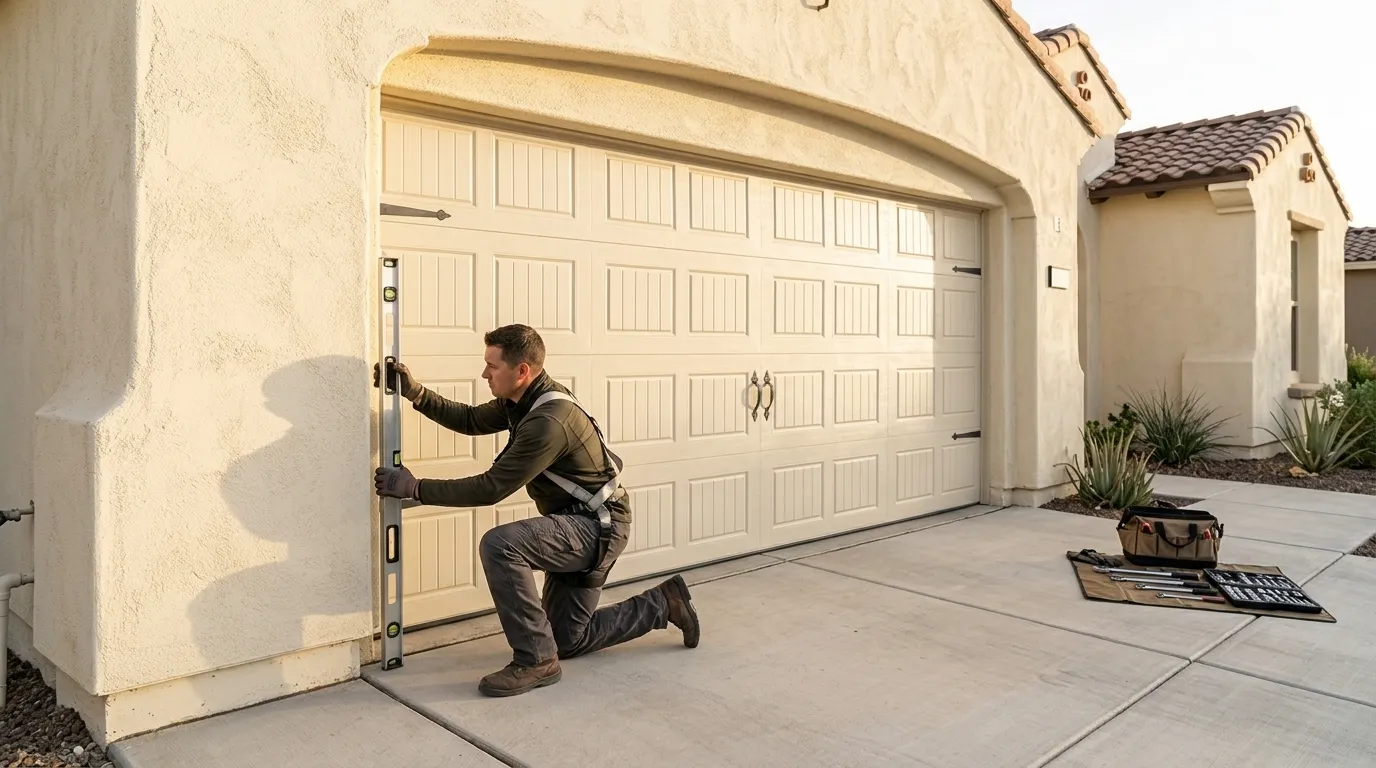
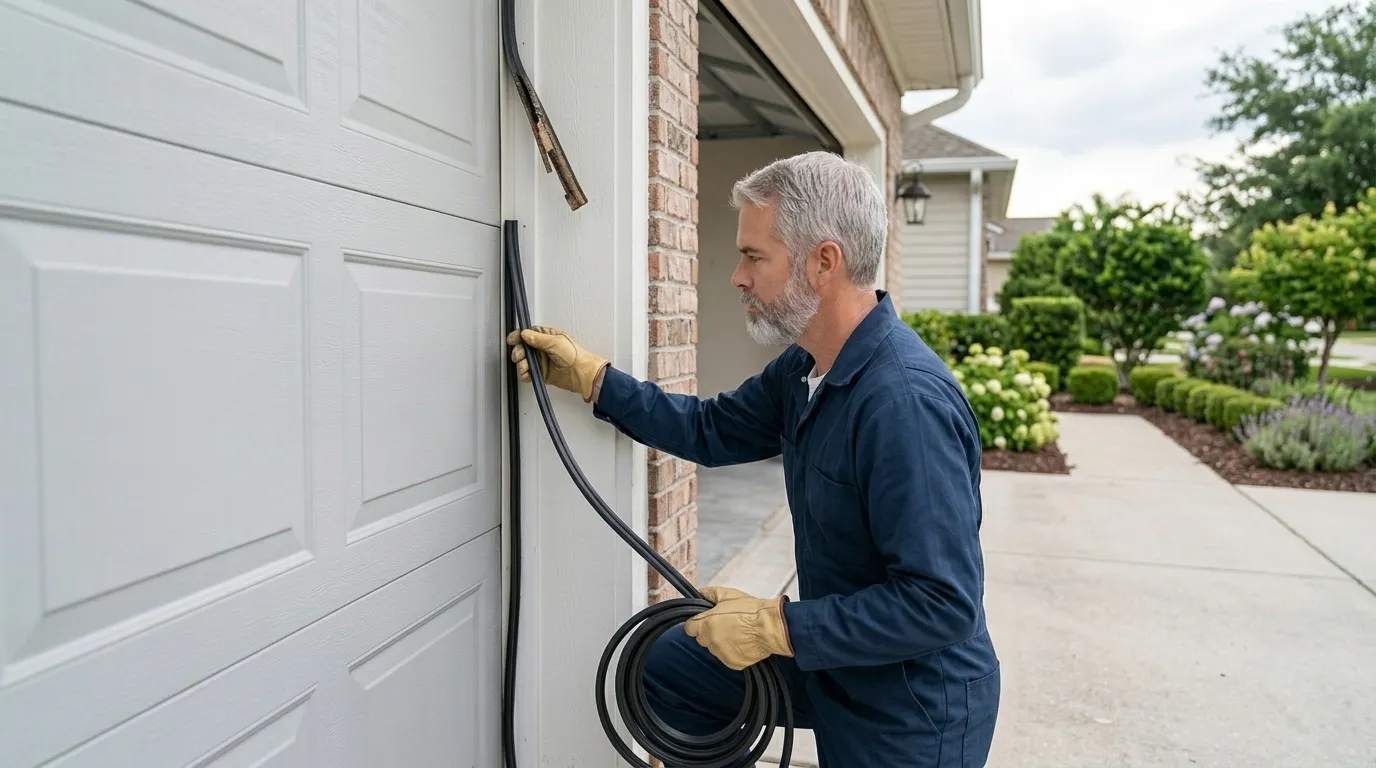
A 1974-built door in mild coastal-influenced climate like this doesn't fight the extremes that crack panels or rust hardware fast, so a lot of these doors have simply outlasted their springs and cables several times over without anyone touching the actual door. That's good news for repair versus replace decisions - the wood or steel panel is often still straight even when the moving parts are shot. The catch is finding hardware that matches: older doors here often used a heavier gauge track than what ships standard today, and 30-year torsion springs on a door that's now closer to 50 are simply due, whether or not they've broken yet. Median household income in this area runs $89,568, noticeably below the wider service area's $125,548, and that shapes the calls we get - more requests for a spring and cable service that buys another decade, fewer for a full teardown and premium insulated door unless the panels are actually damaged.
This Area's Housing
Boyes Hot Springs households number 2,623, a small slice of the roughly 53,399 households across the wider area we cover out of Petaluma, and the housing stock here skews to that 1974 median build year rather than the older end of the 1938-1988 range you'll find in some of the other 30 communities nearby. That narrower build window is useful - it means we're not chasing five different eras of hardware standards in the same few blocks. Homes going up in the mid-70s here typically got single-car and two-car steel sectional doors on torsion or extension spring setups depending on the builder, and we still see both configurations depending on which street you're on. If your opener has been replaced more than once but the door and track are original, that's the profile we see constantly out here, and it usually means the fix is in the hardware, not the door itself.