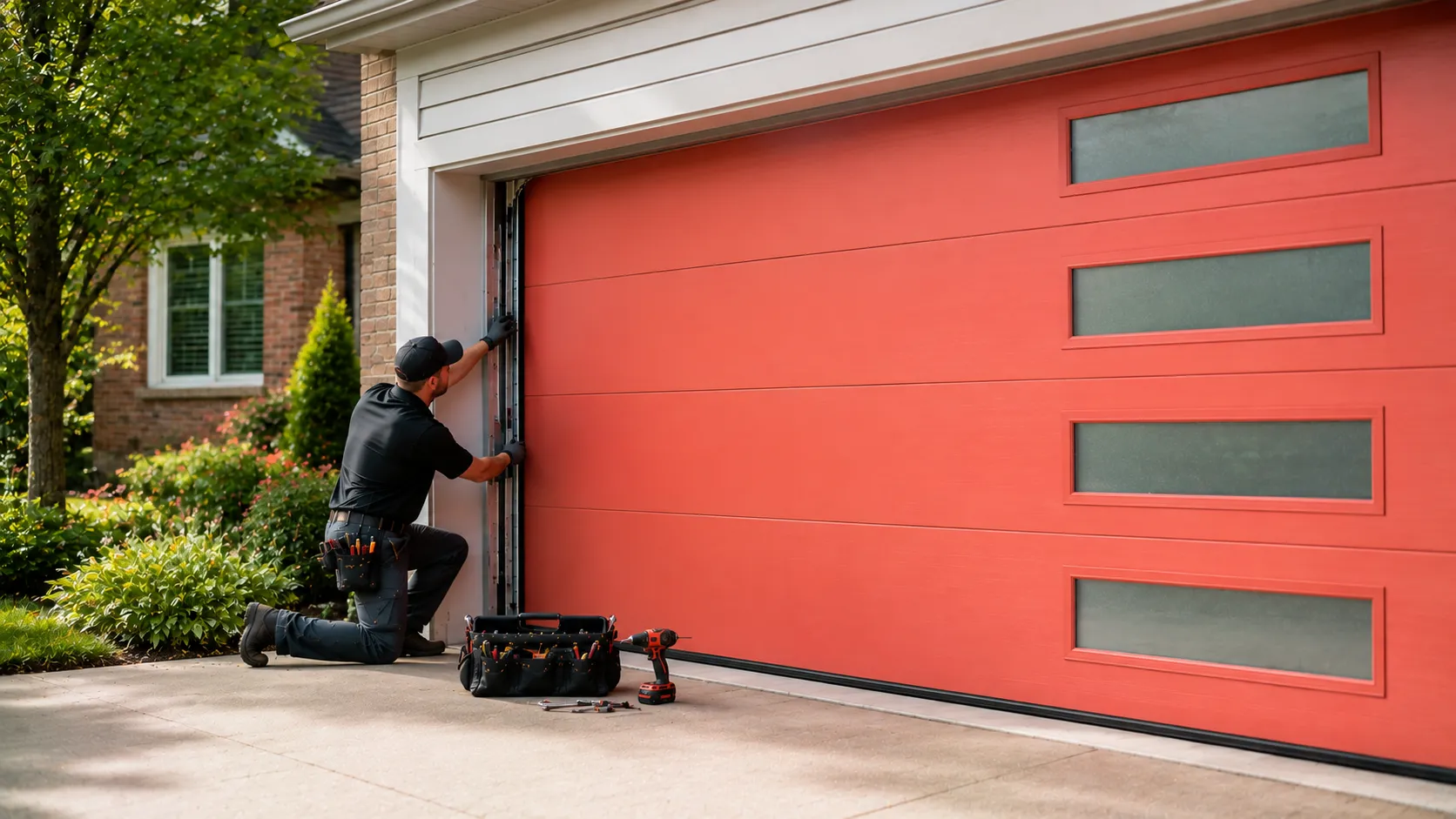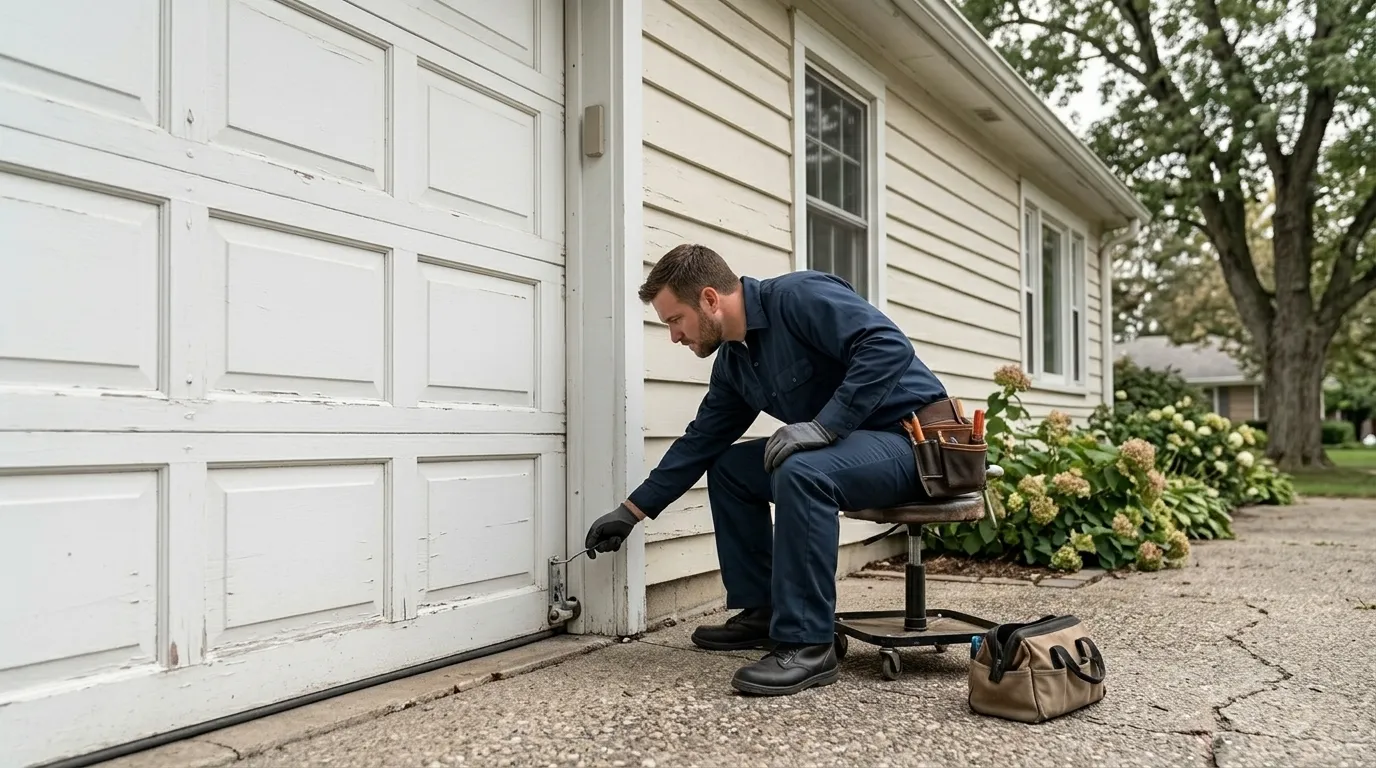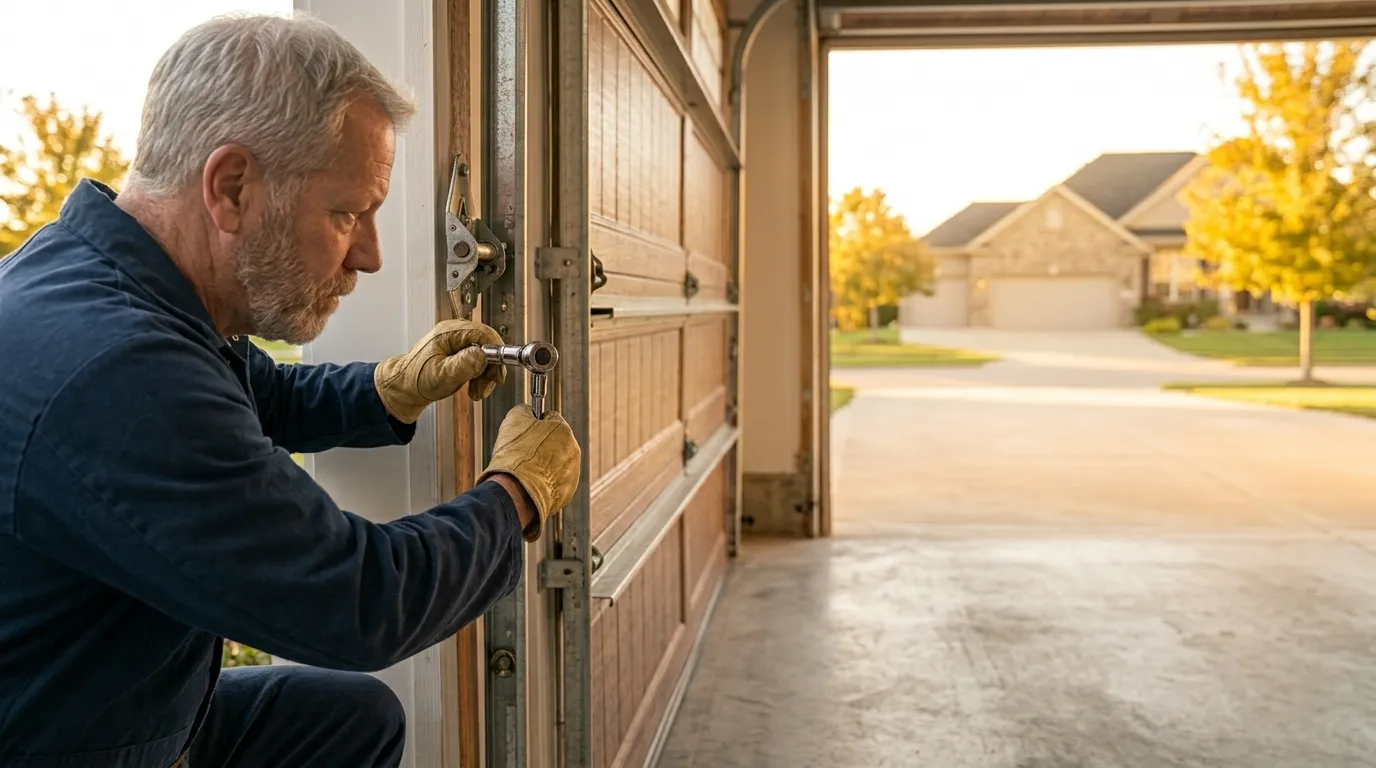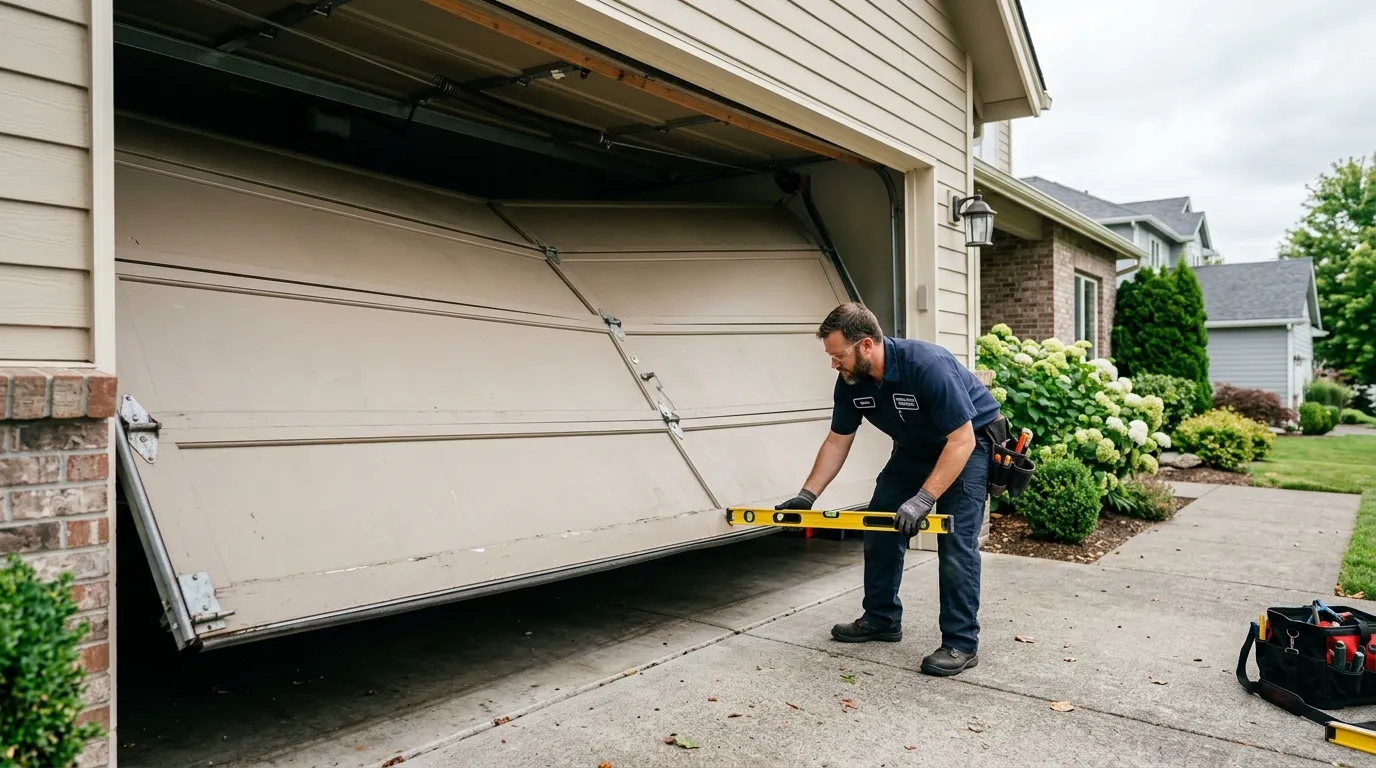
Getting Hold of Us
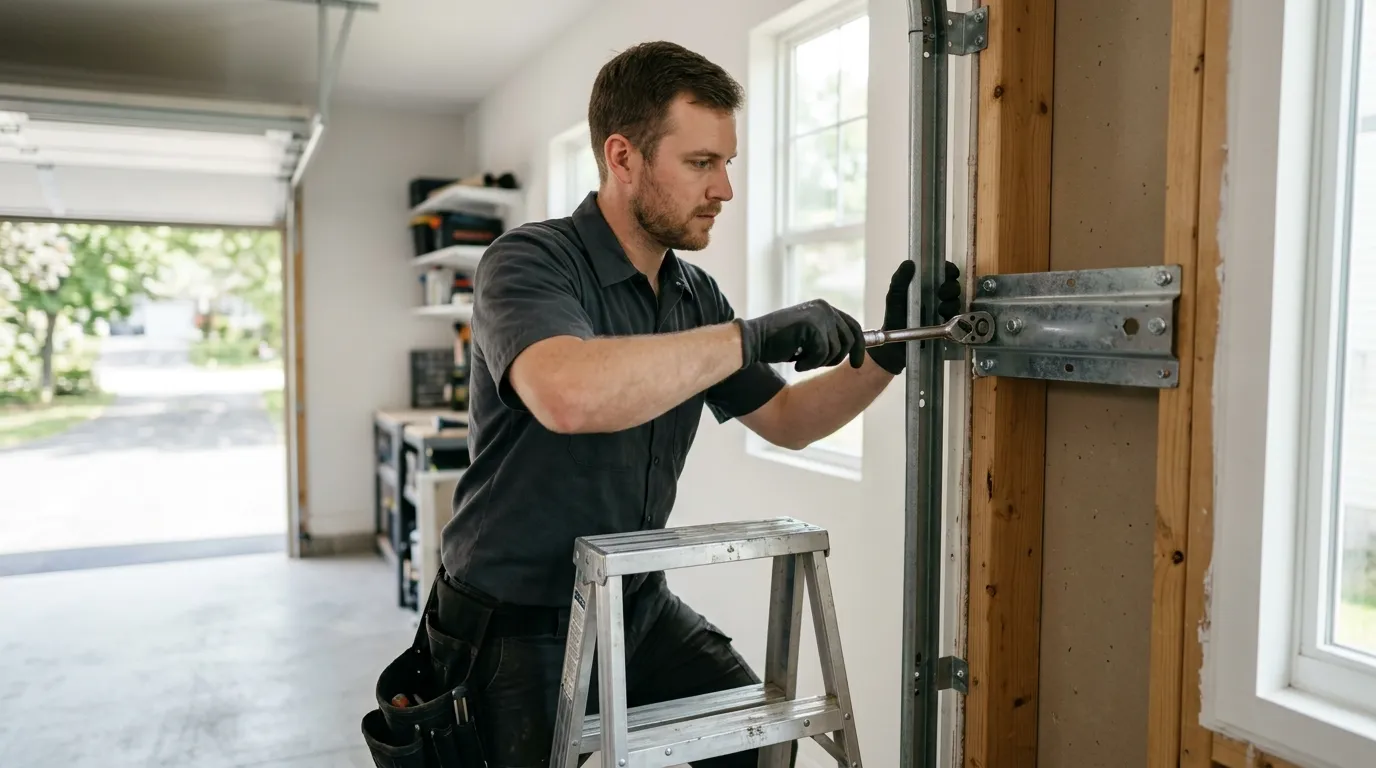
Call (707) 610-8836 and you'll reach the shop, not a call center reading from a script. We're based at 3925 Cypress Dr, Petaluma, CA 94954, and that's also where the parts live - the springs, rollers, and cable sized for the doors that went up on this side of the county between 1938 and 1988, with most of the stock dating to somewhere around 1966.
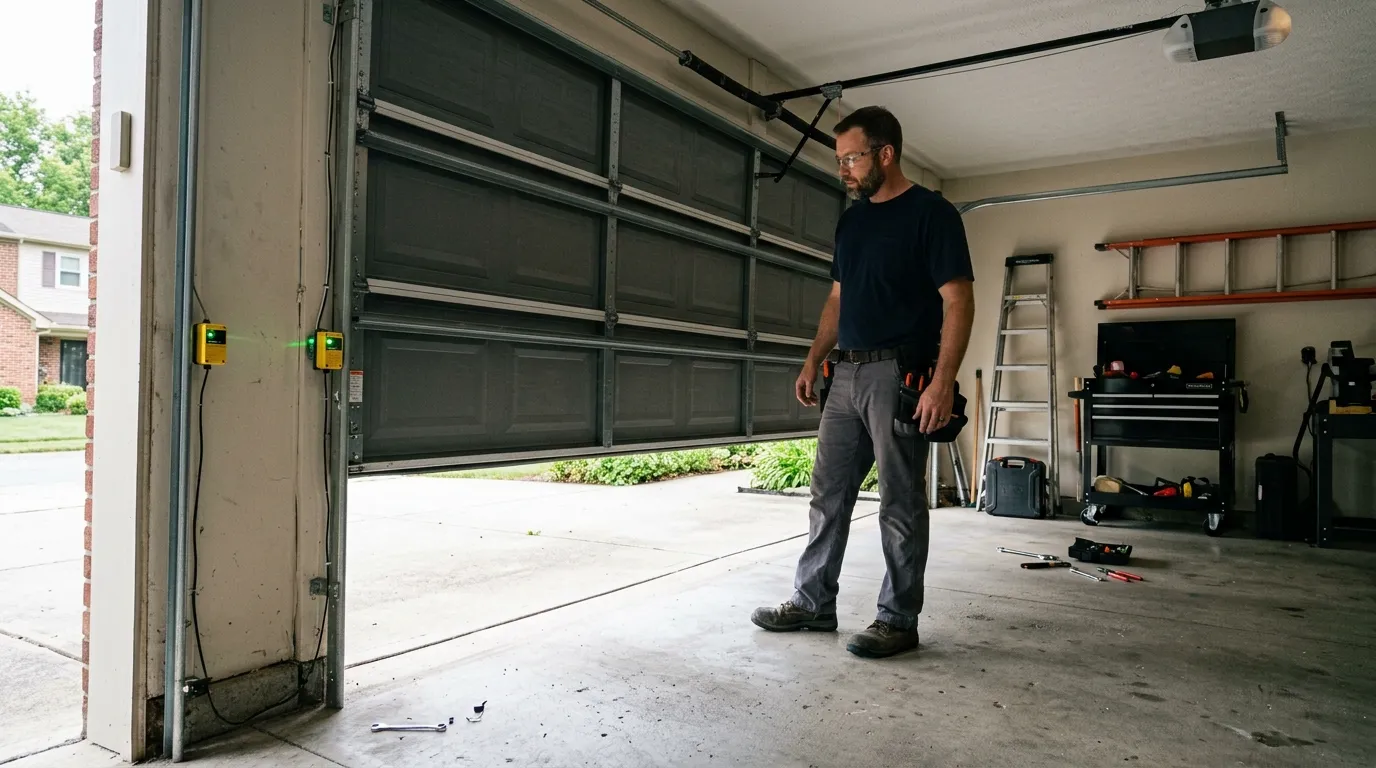
That build window matters more than it sounds like it should. A door installed in 1965 doesn't take the same torsion spring as one installed in 1985, and a lot of the openers from that era were never designed to pair with the safety sensors that are standard now. When you call, tell us the rough age of the house if you know it - it saves a truck roll for the wrong part.
We don't run a 24-hour dispatch line. If your call comes in after hours, you'll get a message back, not a live person standing by. For a spring that's already snapped and a door that won't move, that's worth knowing before you're stuck waiting.
Straight Answers
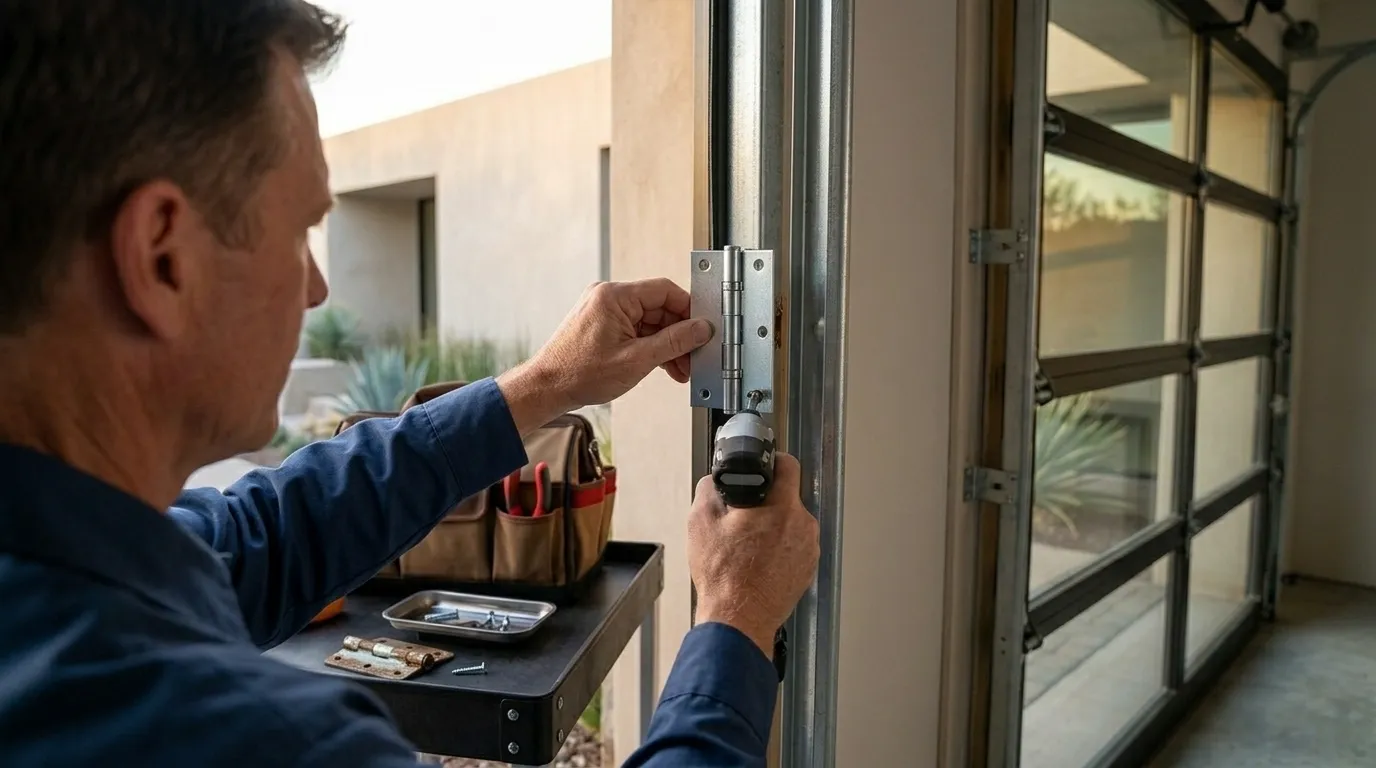
The climate here is mild temperate, which is easier on a garage door than a lot of the country deals with - no deep freeze cracking seals, no monsoon season swelling wood panels. That doesn't mean doors last forever. It means when something fails, it's almost always wear, not weather: a spring that's done its cycles, a roller that's worn its track groove smooth, hinges that have loosened over decades of use.
Median household income in the service area runs around $125,548, and we see that reflected in the calls - more people asking for a repair estimate before they commit, rather than an automatic full replacement. That's a fair way to approach it. A worn spring or a bent track section is usually a repair. A door that's rusted through, warped, or paired with an opener nobody makes parts for anymore is a harder conversation, and honestly, sometimes replacement is the cheaper long-term answer even when the repair looks doable today.
One limit worth stating plainly: we don't stock every part for every era on the truck at all times. Some older openers need a part ordered in, and that can mean a second visit instead of one.