Doing It Yourself
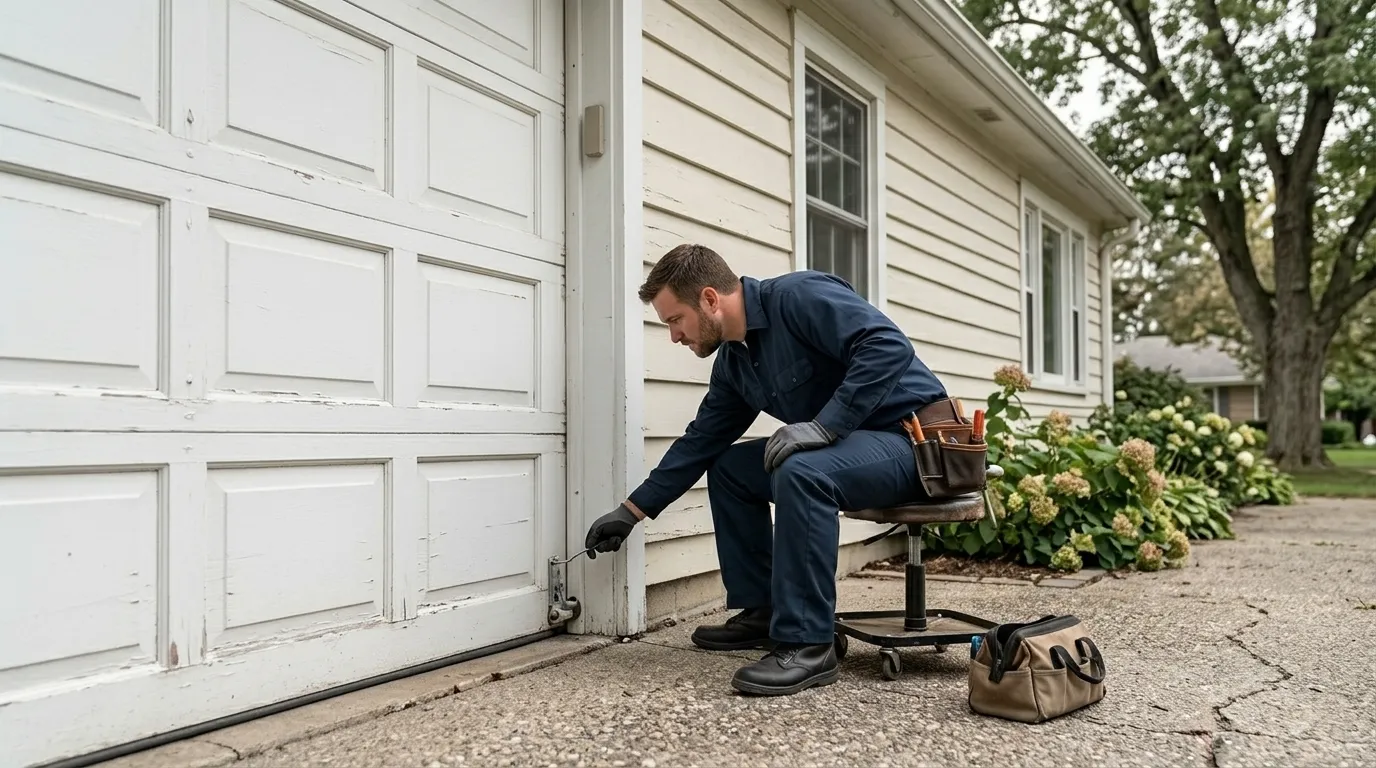
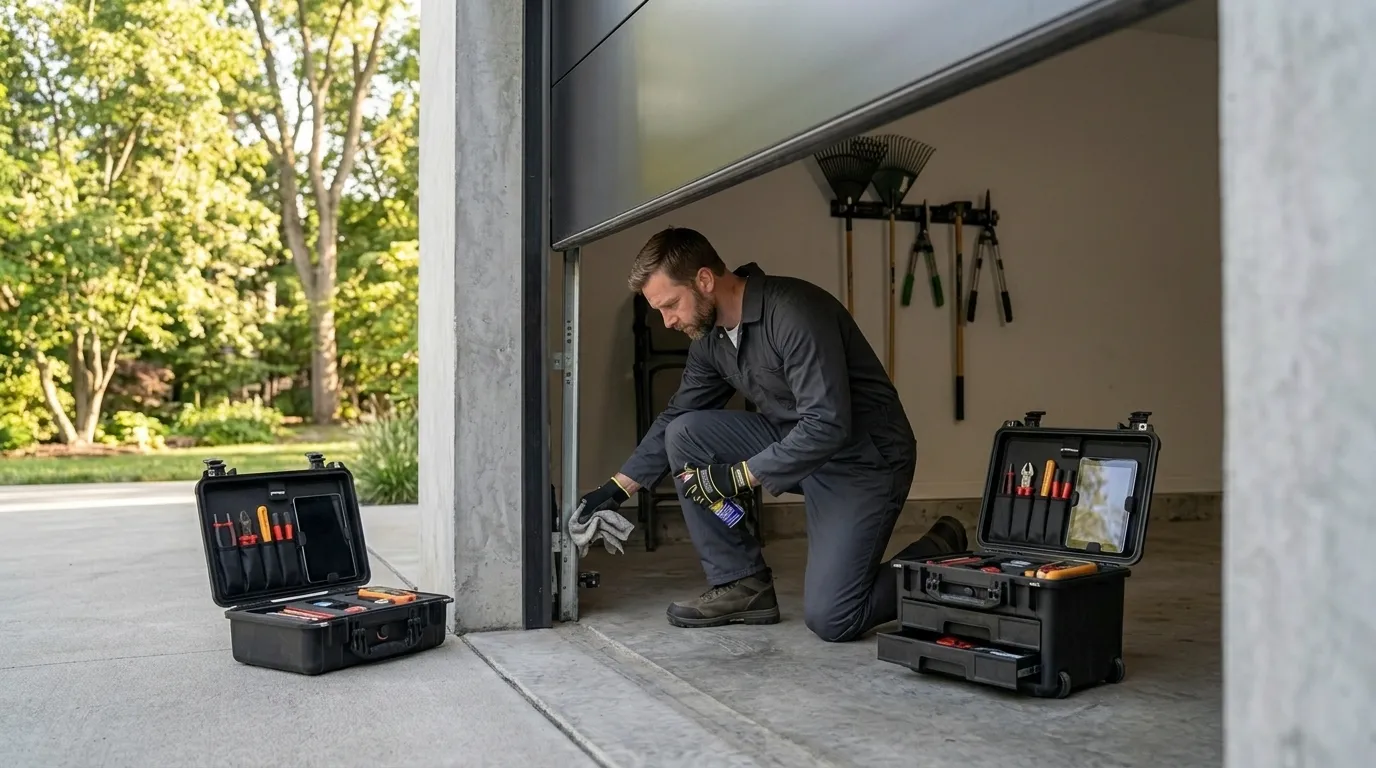
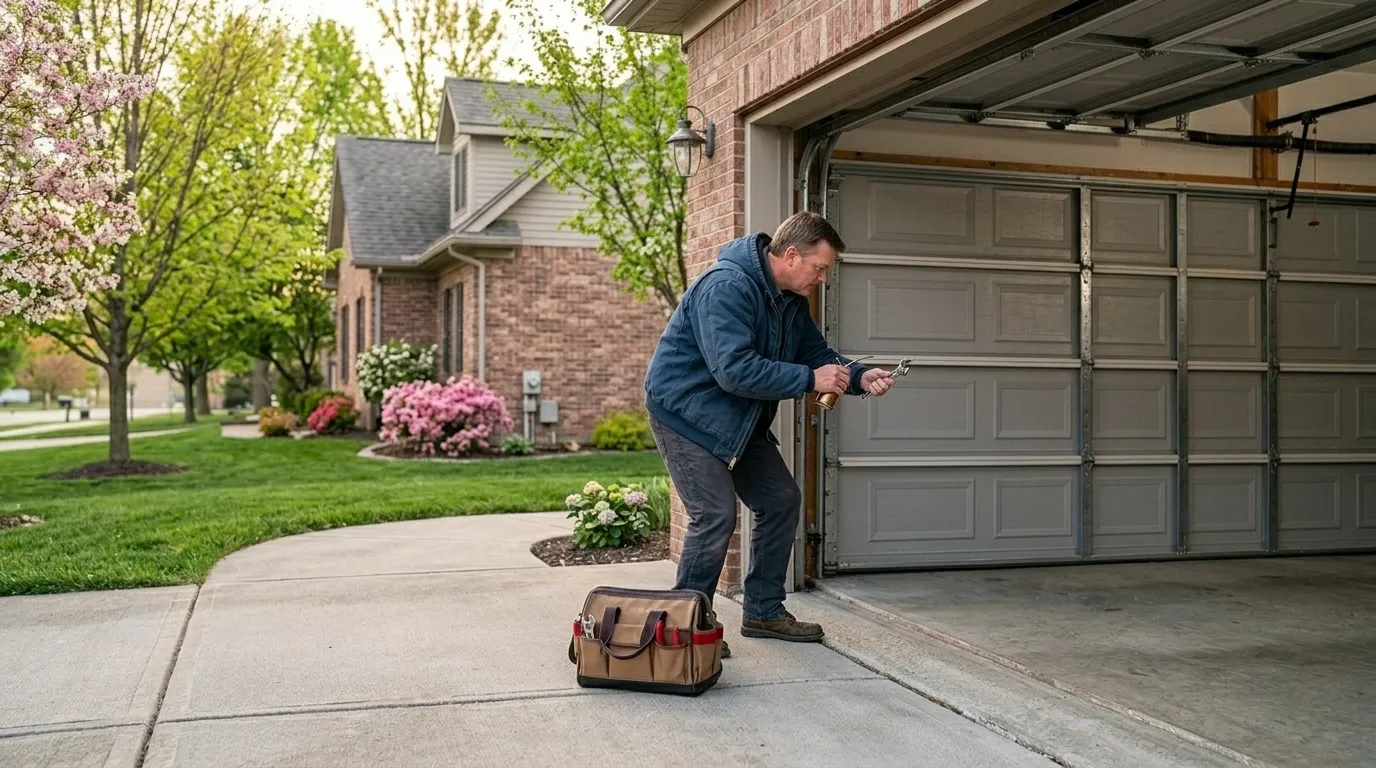
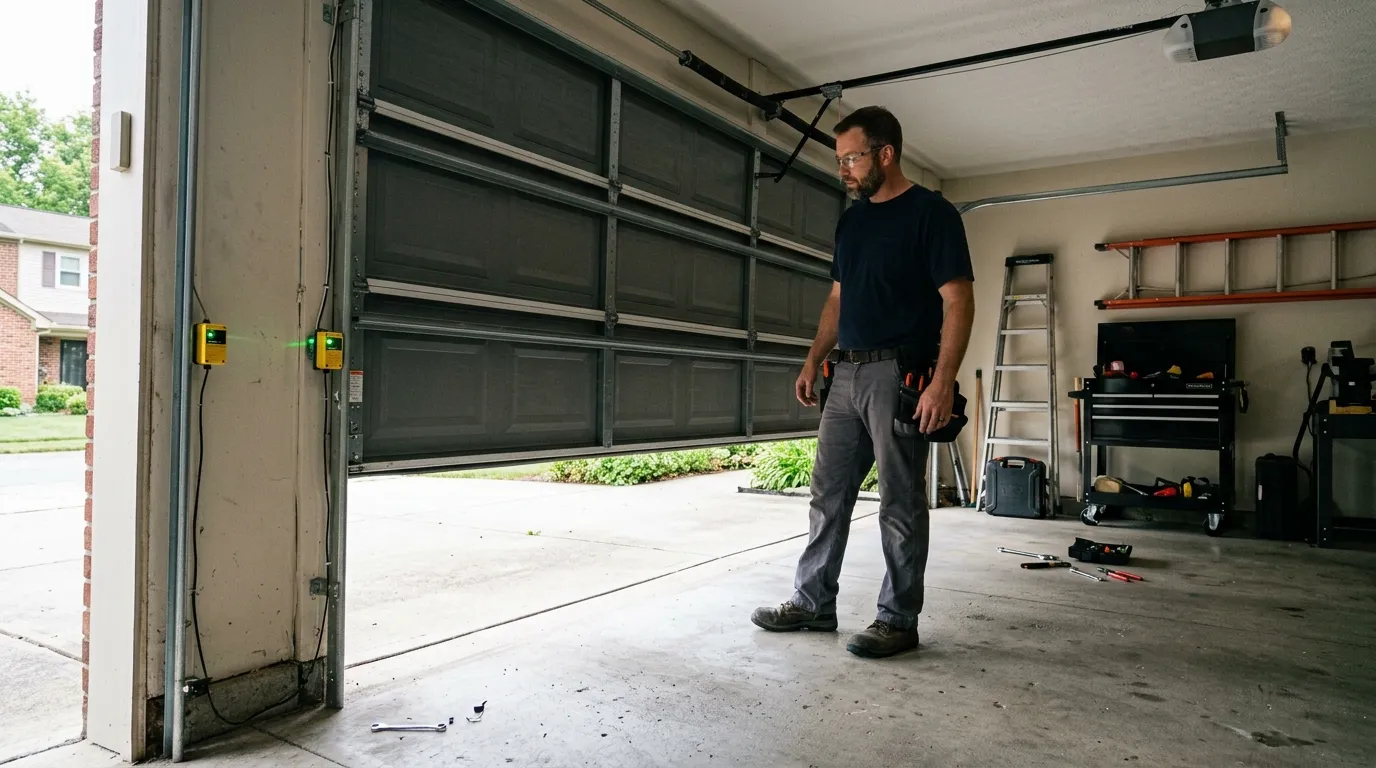
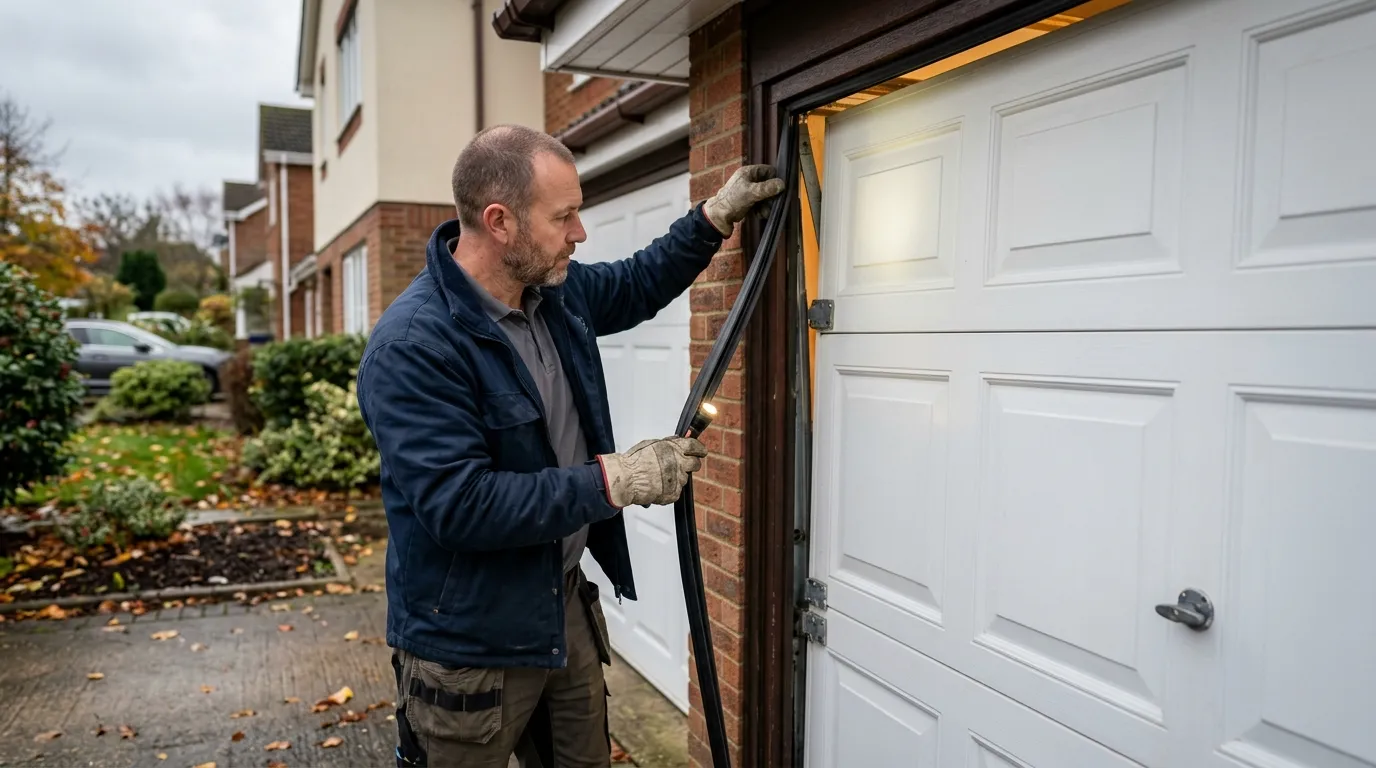
An opener that hums but doesn't move the door, or clicks and stops, sends most people to a video before they call anyone. Some of that is fair. You can reset limit switches, check the wall button wiring, swap remote batteries, and clean the photo-eye sensors on the safety reversal system yourself, and that fixes a real share of no-go calls with no tools beyond a screwdriver.
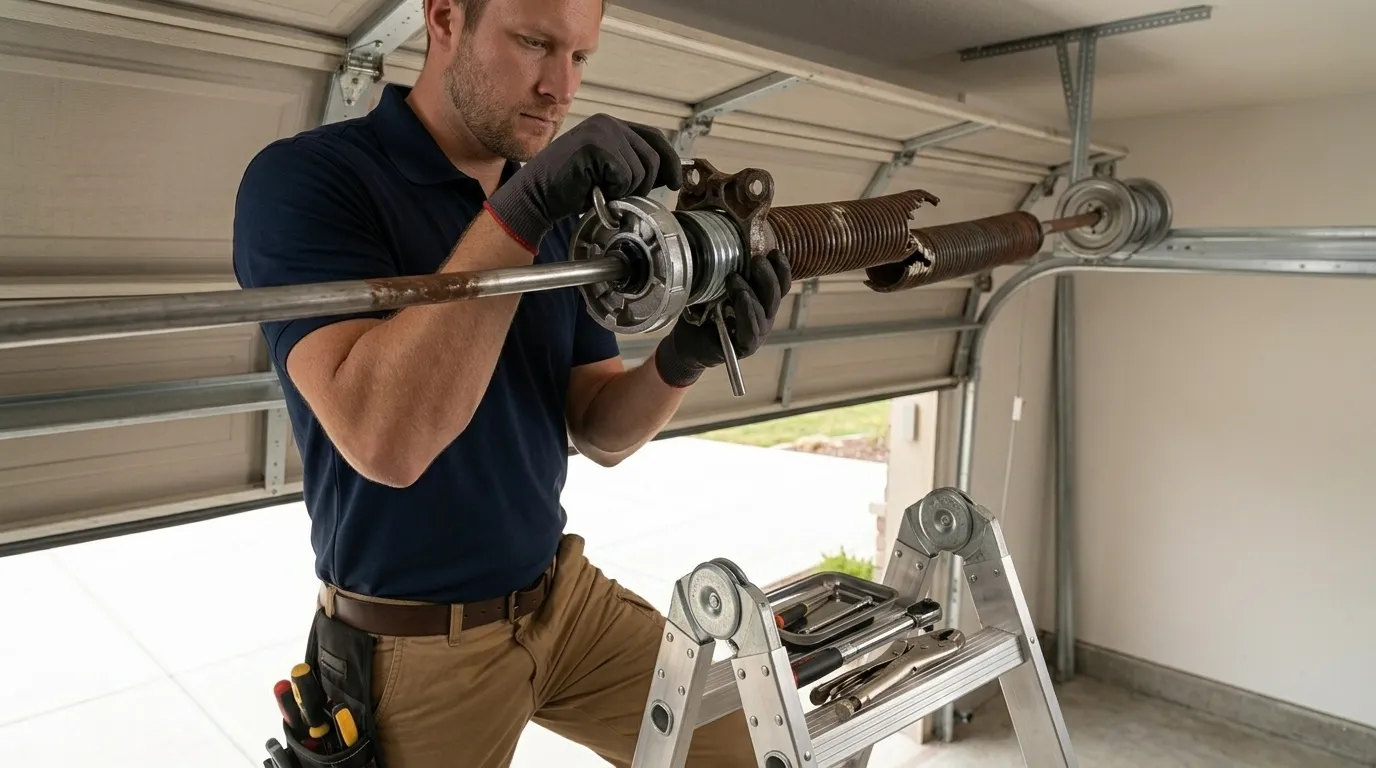
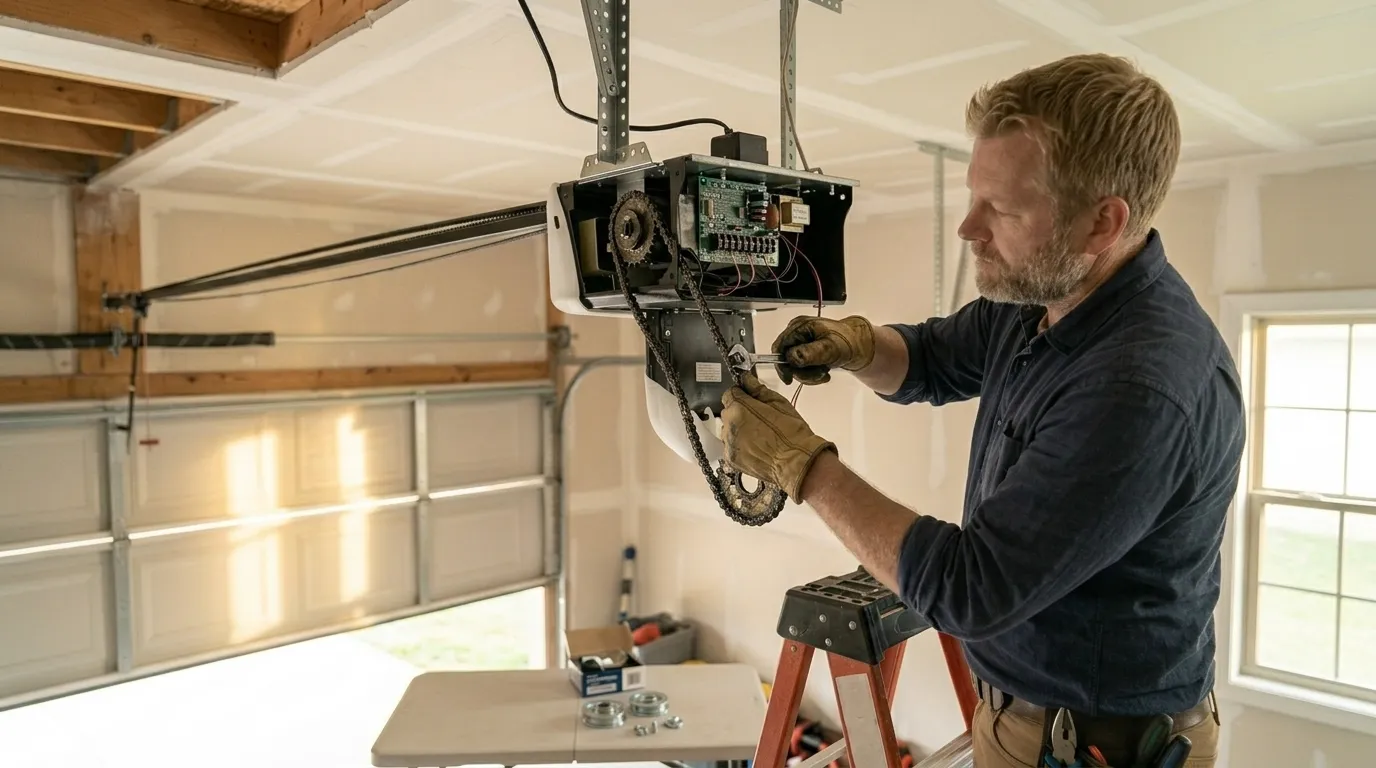
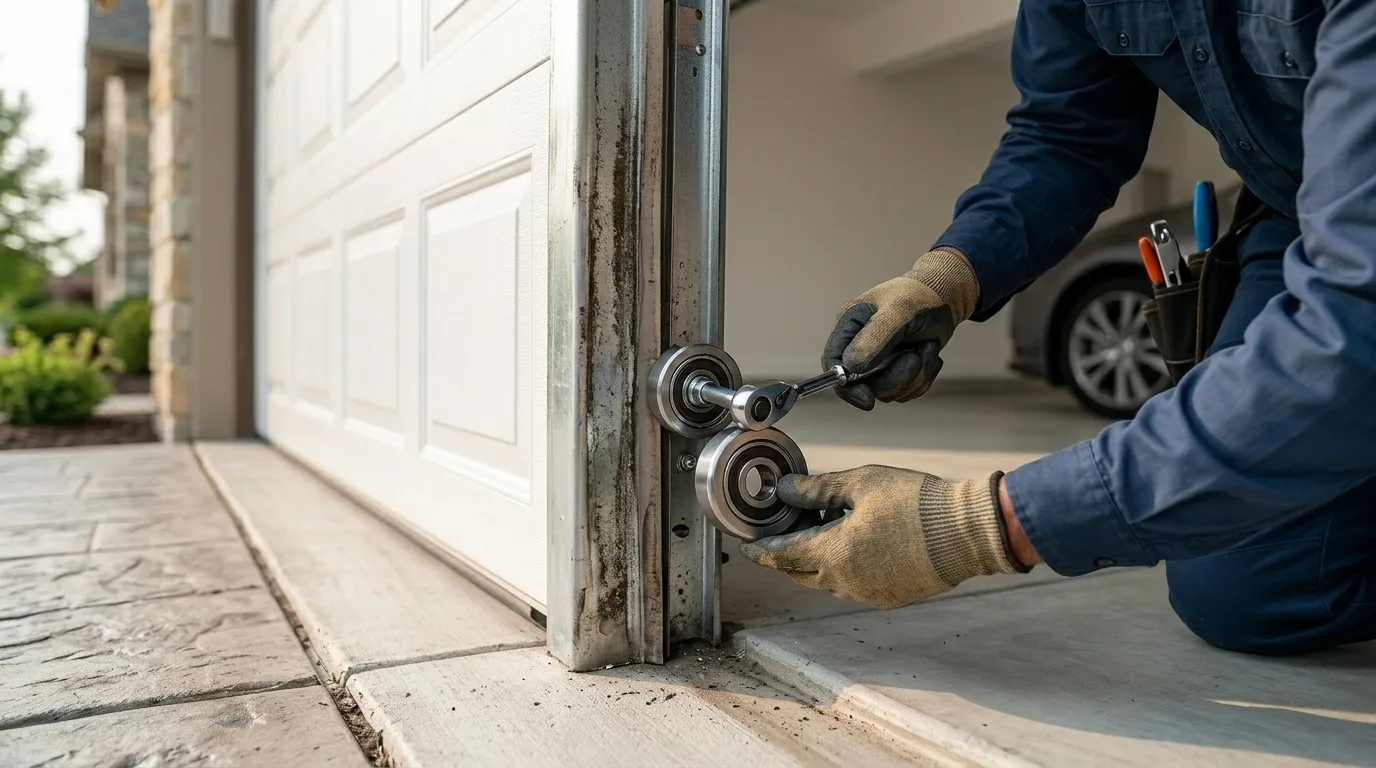
Where DIY runs out is the drive itself. If the opener is straining against a spring that's lost tension, or a chain that's jumped its sprocket, working on the opener treats the symptom, not the cause - and forcing a motor to fight a bad spring burns out the circuit board faster than normal use would. We also don't recommend opening the opener's control housing; the capacitors inside hold a charge even unplugged, and parts for units built before the last decade are often no longer stocked by the manufacturer at all.
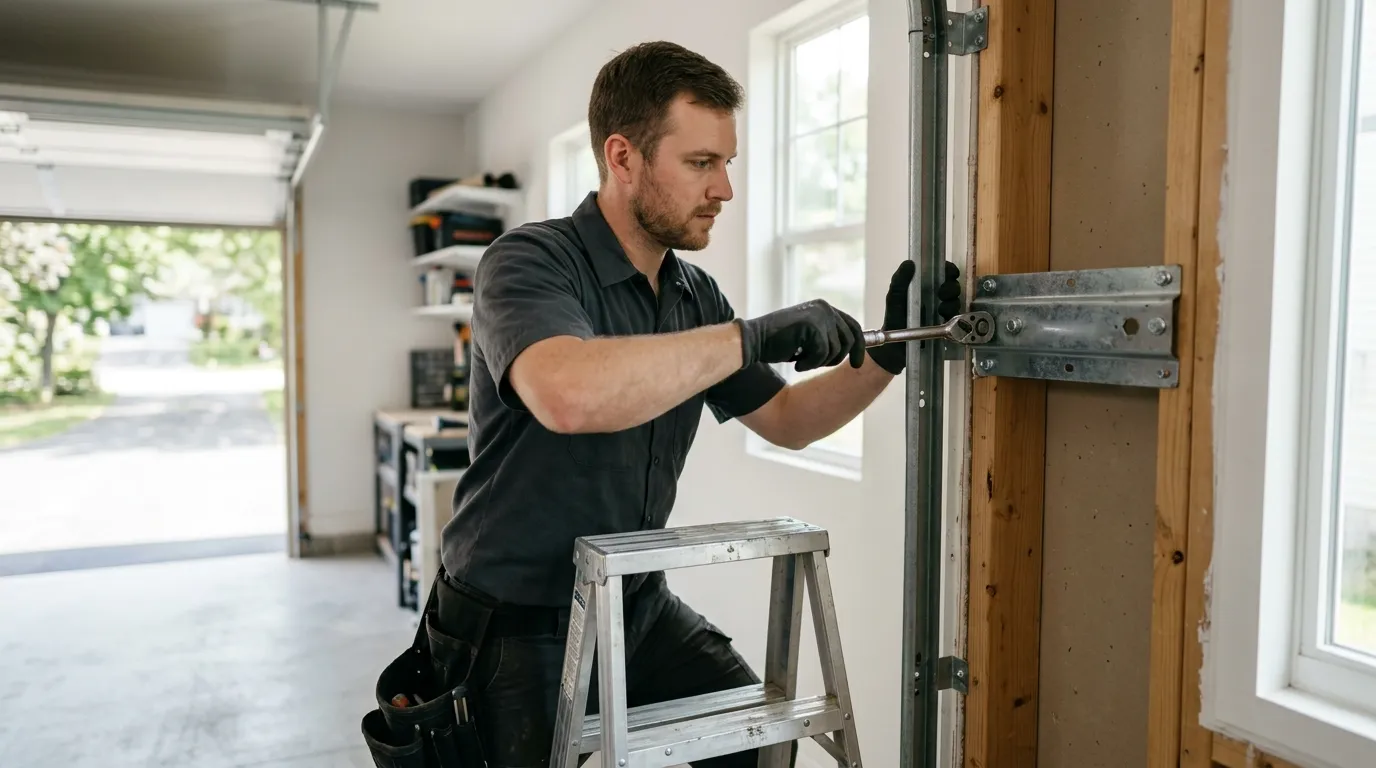
A fair rule: if resetting the sensors and checking the remote doesn't solve it in fifteen minutes, stop. You're now troubleshooting a mechanical problem with an electrical fix, and that's how a $40 part becomes a cracked header panel.
Why It Happens Here
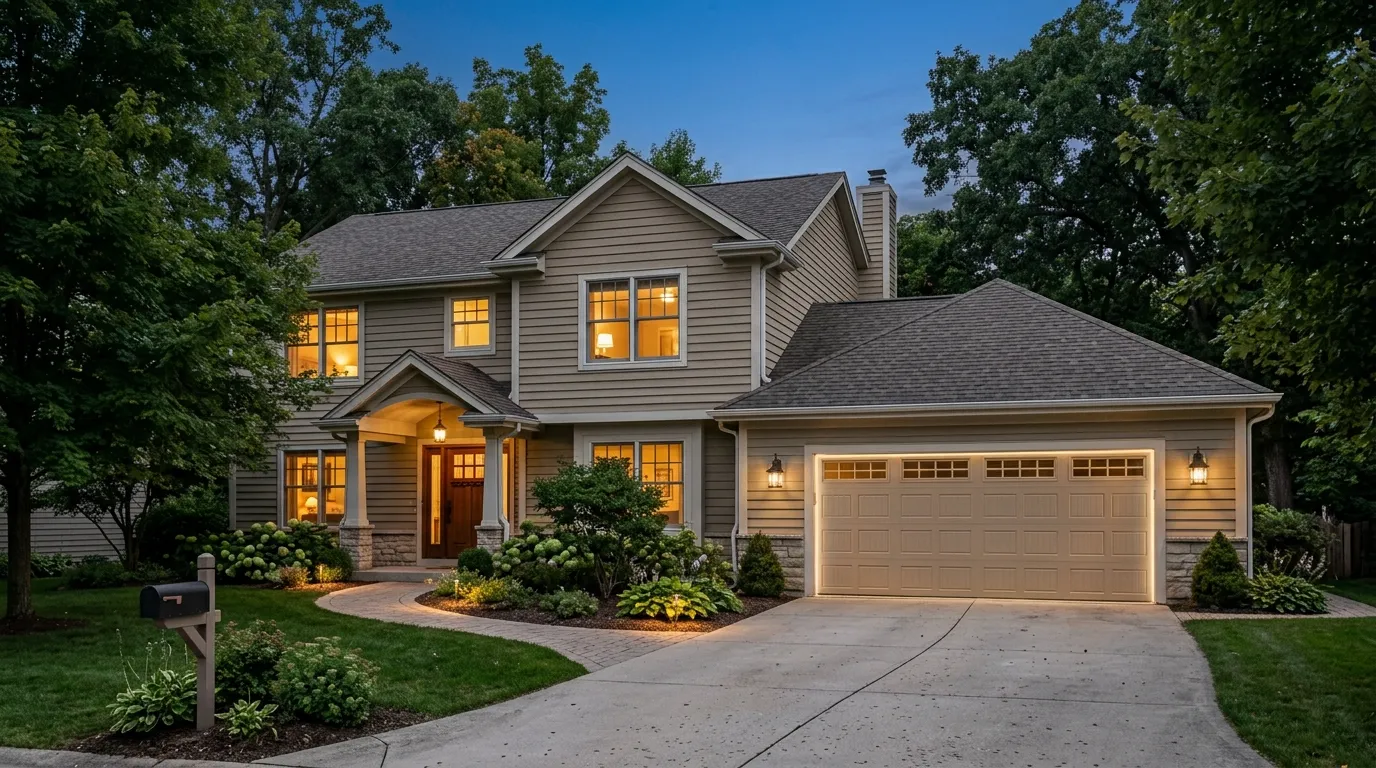
Housing across this service area went up mostly between 1938 and 1988, with the typical house dating to around 1966, and that matters directly for openers. Chain and belt drives from that era were built for lighter doors and simpler safety systems, long before photo-eye reversal sensors became standard equipment. When a homeowner adds a heavier insulated door decades later without upgrading the drive, the opener works harder than it was designed to, and parts fatigue faster.
Climate plays a smaller but real role. This area sits in a mild temperate band, so openers here don't fight the hard freeze-thaw cycles that crack circuit boards in colder regions. What they do fight is persistent coastal damp, which corrodes wiring connections and sensor contacts slowly over years rather than failing them outright in one season. That shows up as intermittent faults - a door that works fine on a dry week and balks on a wet one - which is a different repair conversation than a dead motor.
Across the roughly 53,399 households and 24,784 owner-occupied houses in this service area, that combination of aging original drives and slow-corroding contacts is the single most common reason an opener call turns into more than a battery swap.
How It Shows Up
The most common version: the opener runs, the light comes on, but the door doesn't move, or moves and reverses partway up. That's usually a worn drive gear or a chain that's stretched past its sprocket's reach - both wear items on units running original hardware from the 1960s-70s stock common across this area.
A second pattern is the opener that works only sometimes, especially after damp weather. That points at corroded sensor wiring or a control board connection that's degraded slowly rather than failed all at once. It's frustrating because it's inconsistent, which makes people assume it's the remote before they call anyone.
Third is silence - nothing happens at all, not even a hum. That's either a dead capacitor in the logic board or, less often, a tripped breaker from an overworked motor that finally gave out. Given the median household income of $125,548 across this service area, most owners in that situation are weighing a repair against full opener replacement, and for units built before major safety-reversal standards took hold, replacement is often the more sensible call - we'll tell you which way that math points before we start the job.