Doing It Yourself
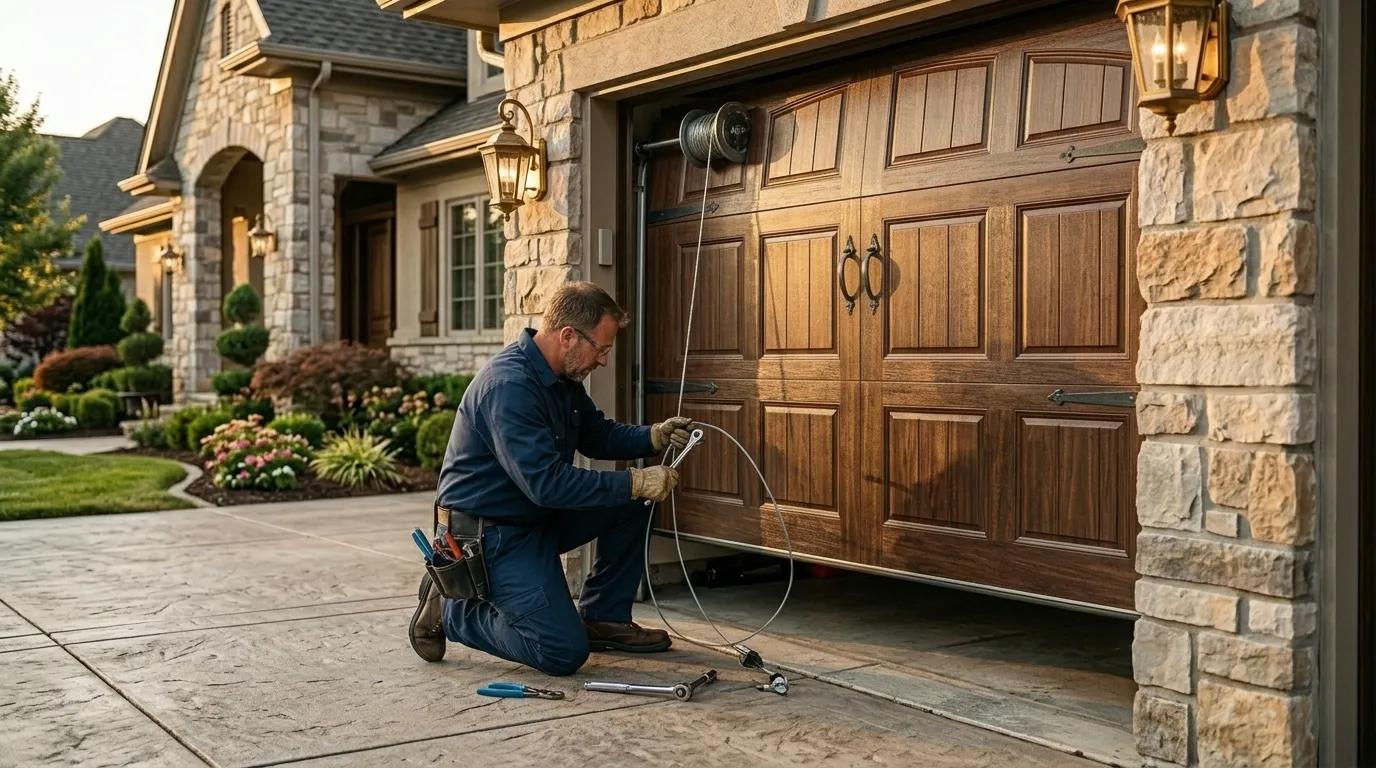
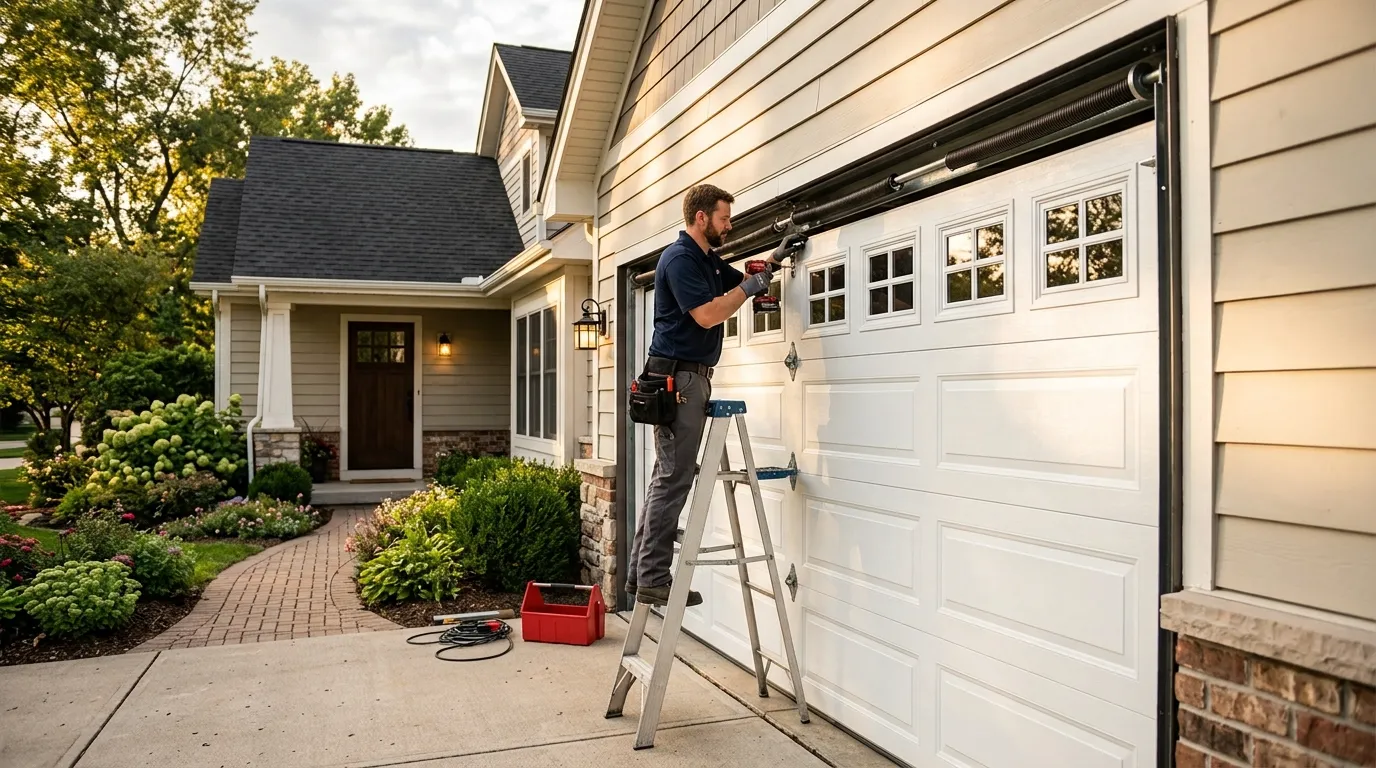
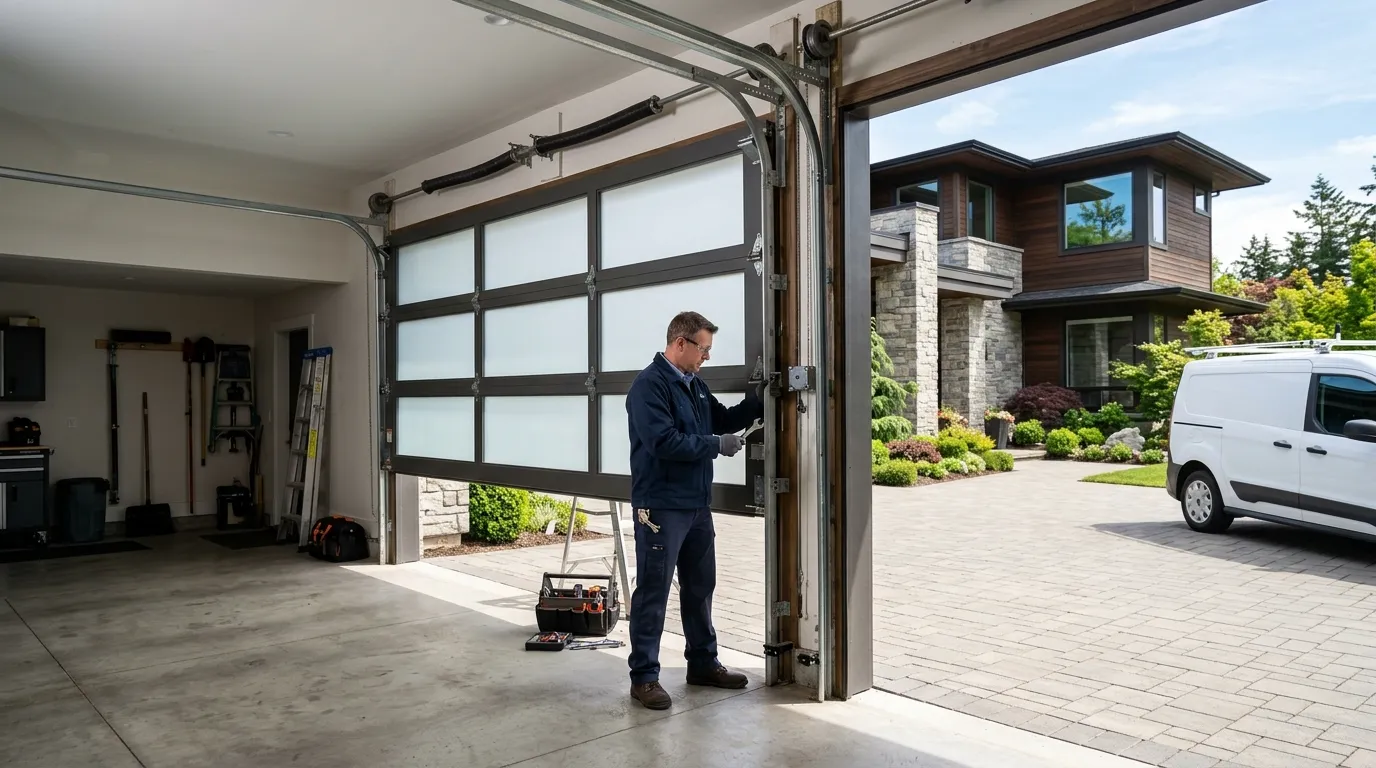
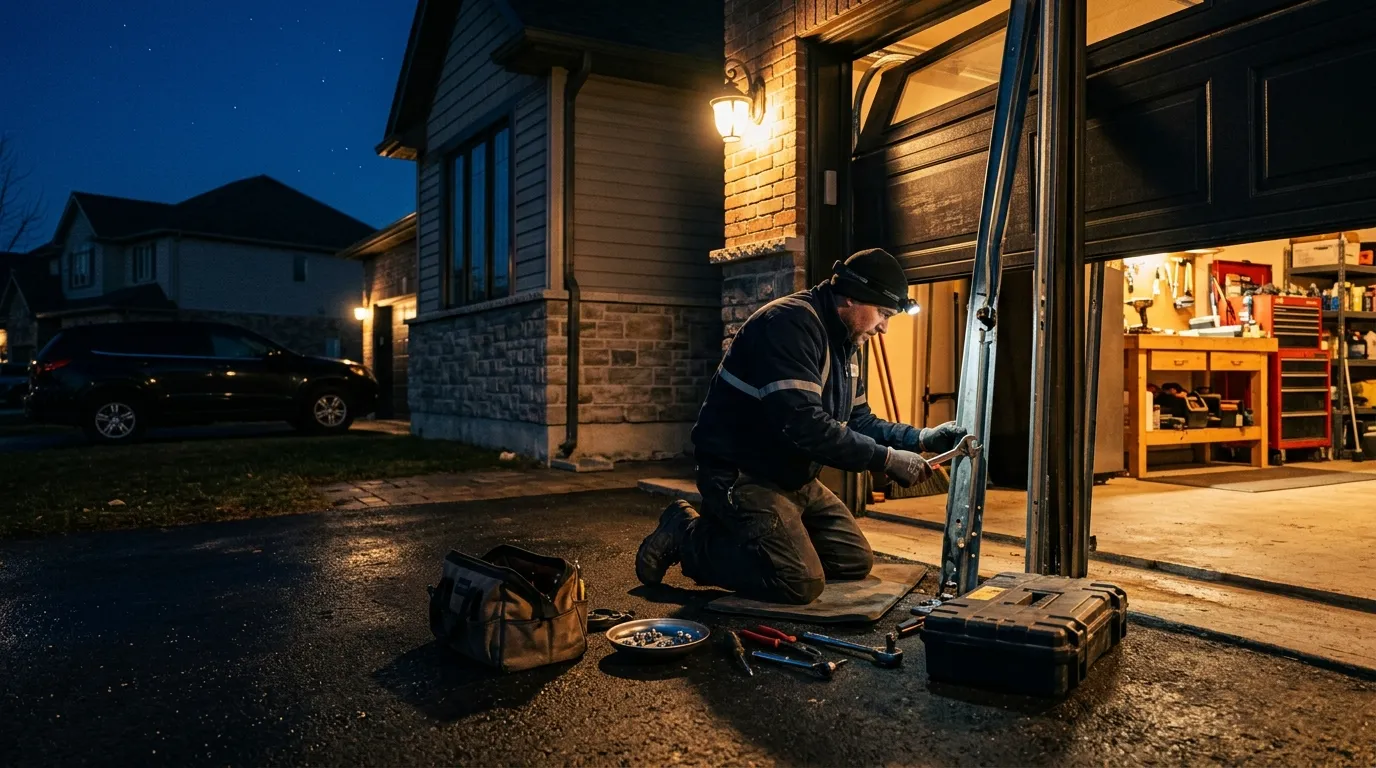
A garage door cable runs under real tension, and that's the part people underestimate. The cable is wound tight against the spring system, and if it lets go while you're working near it, it can snap back hard enough to cut skin or take out an eye. Even loosening the wrong bolt on a door that's already sagging on one side can drop the whole panel.
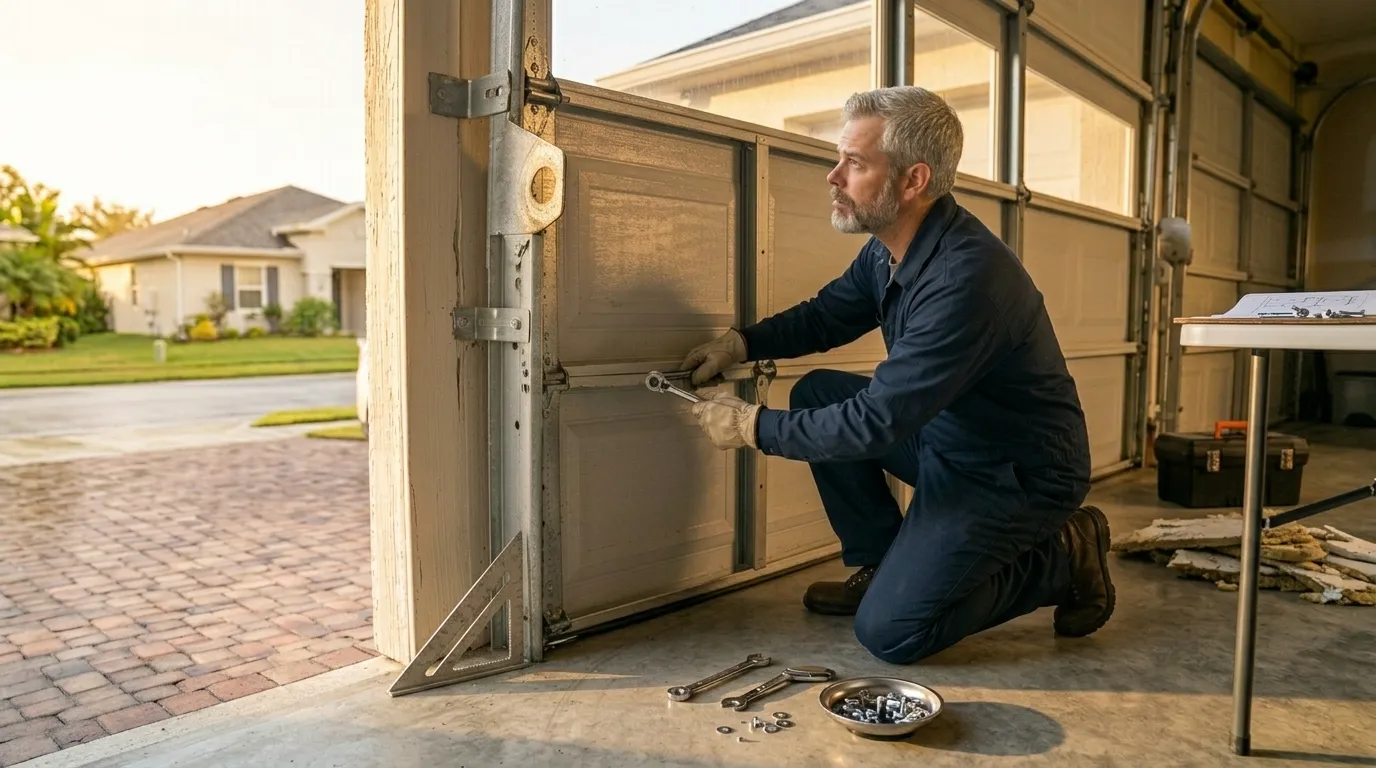
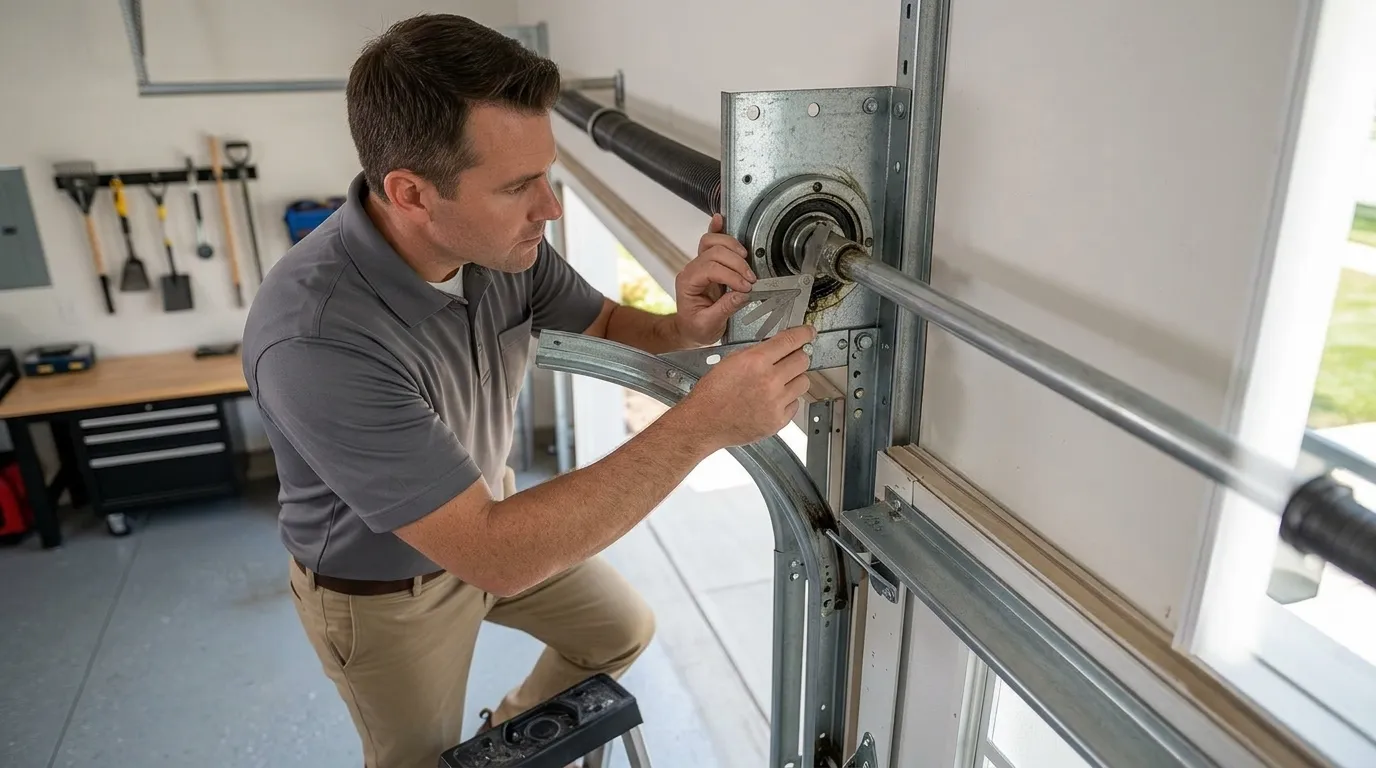
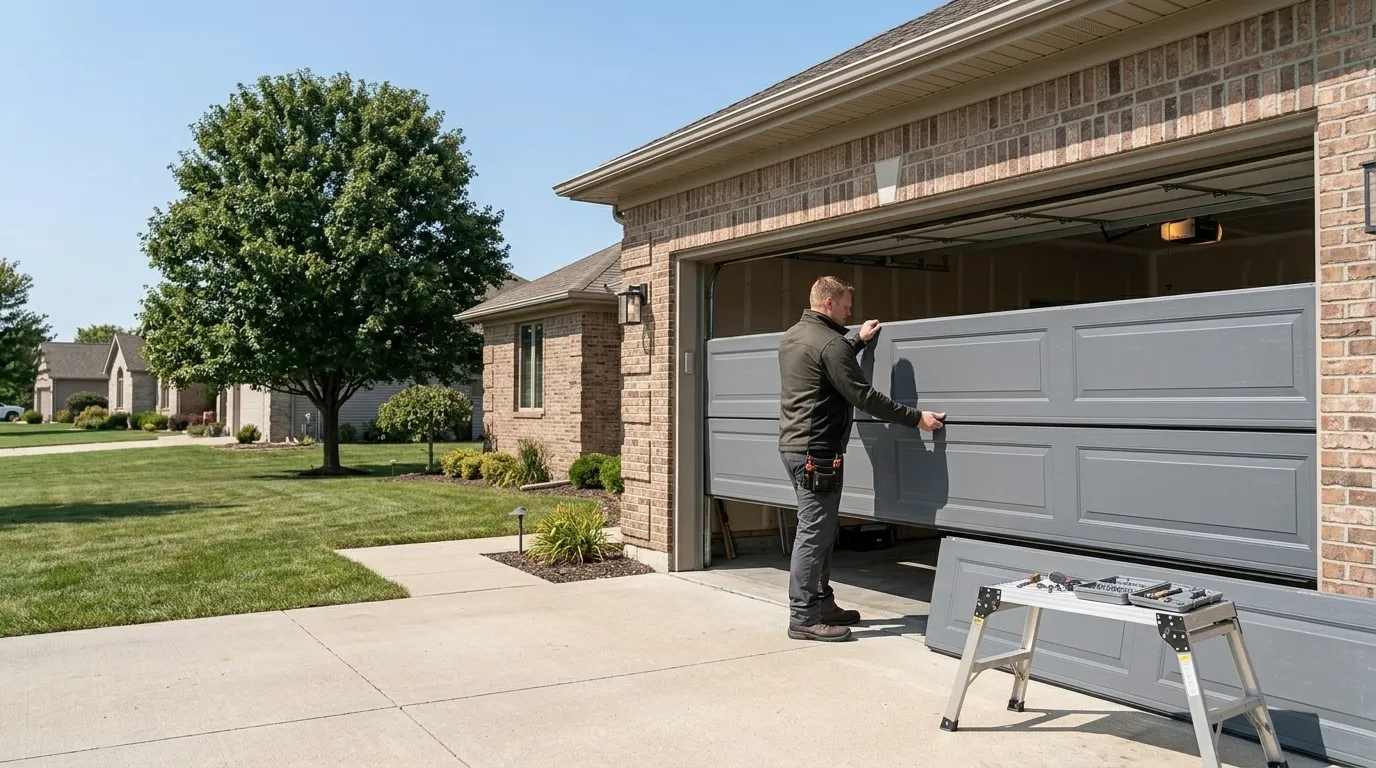
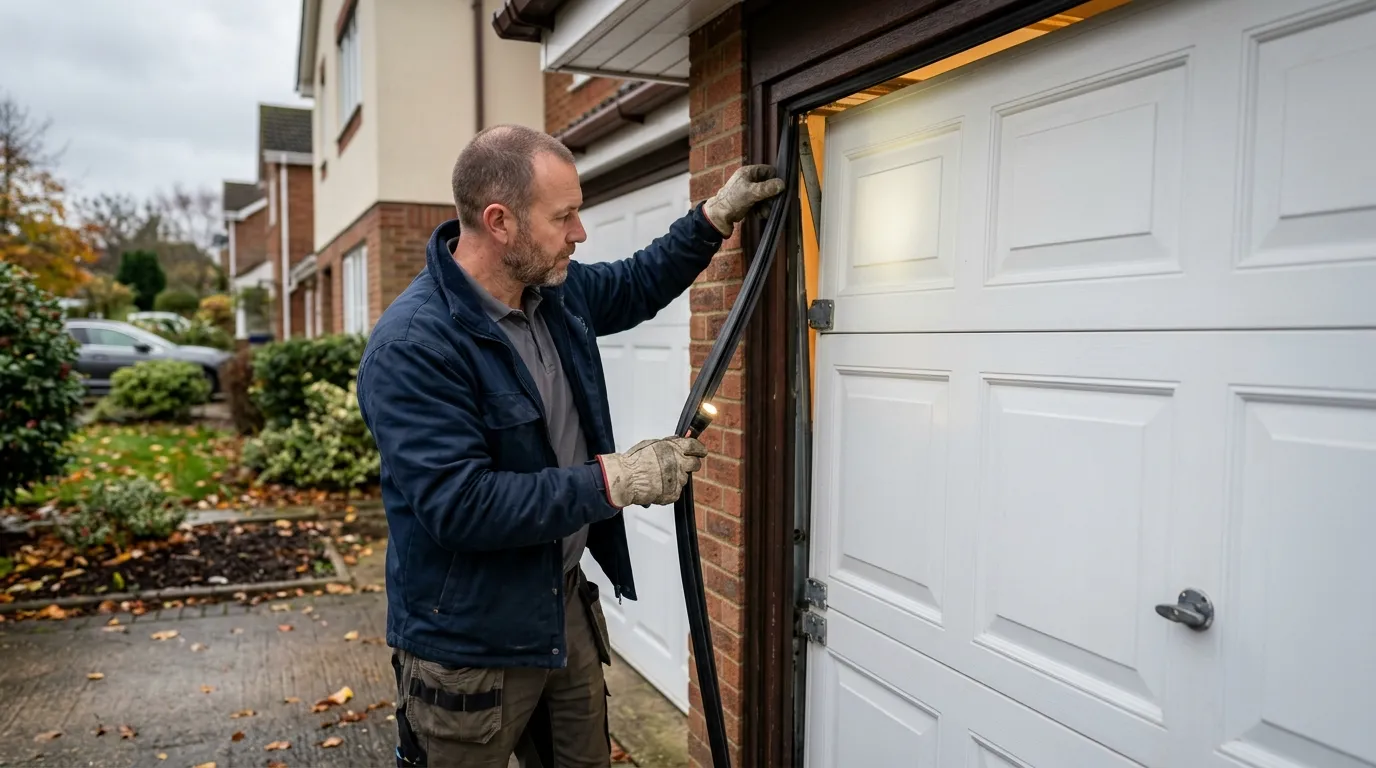
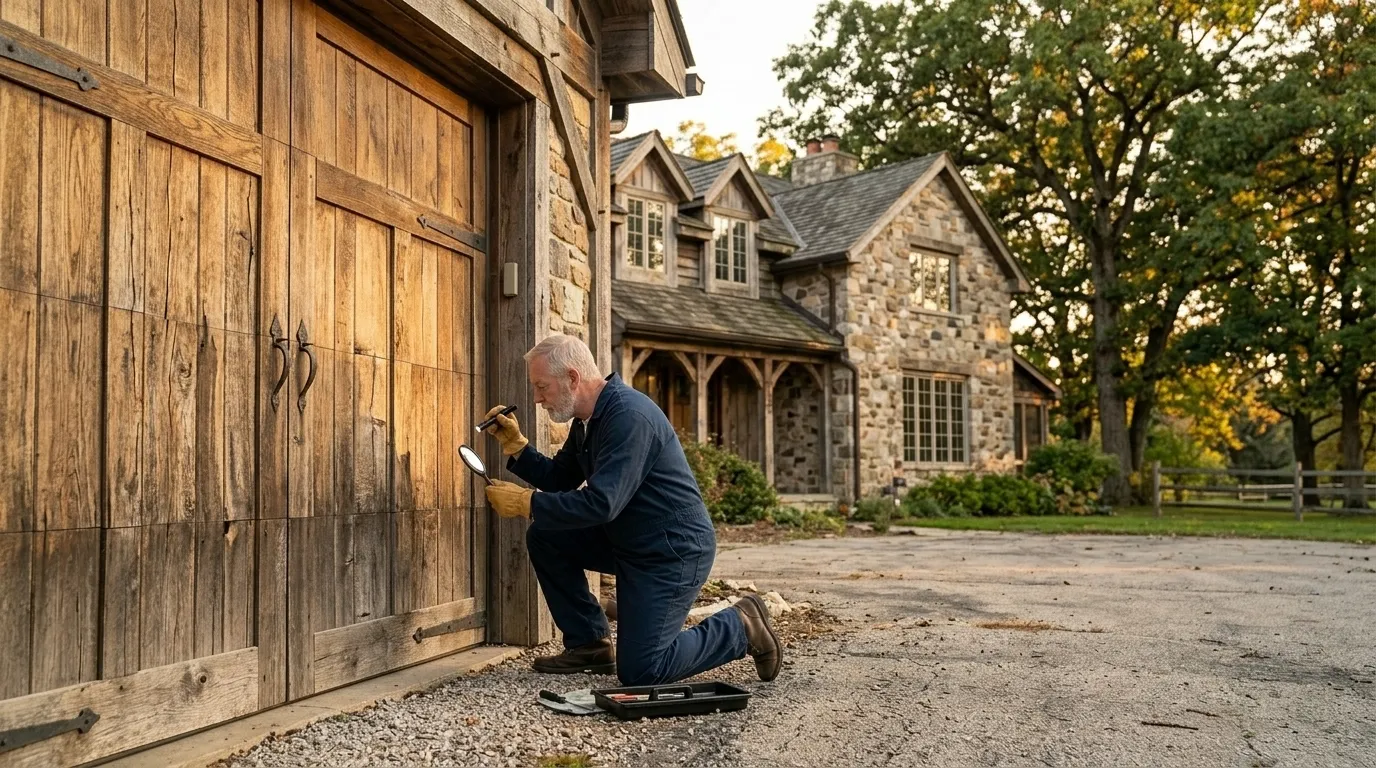
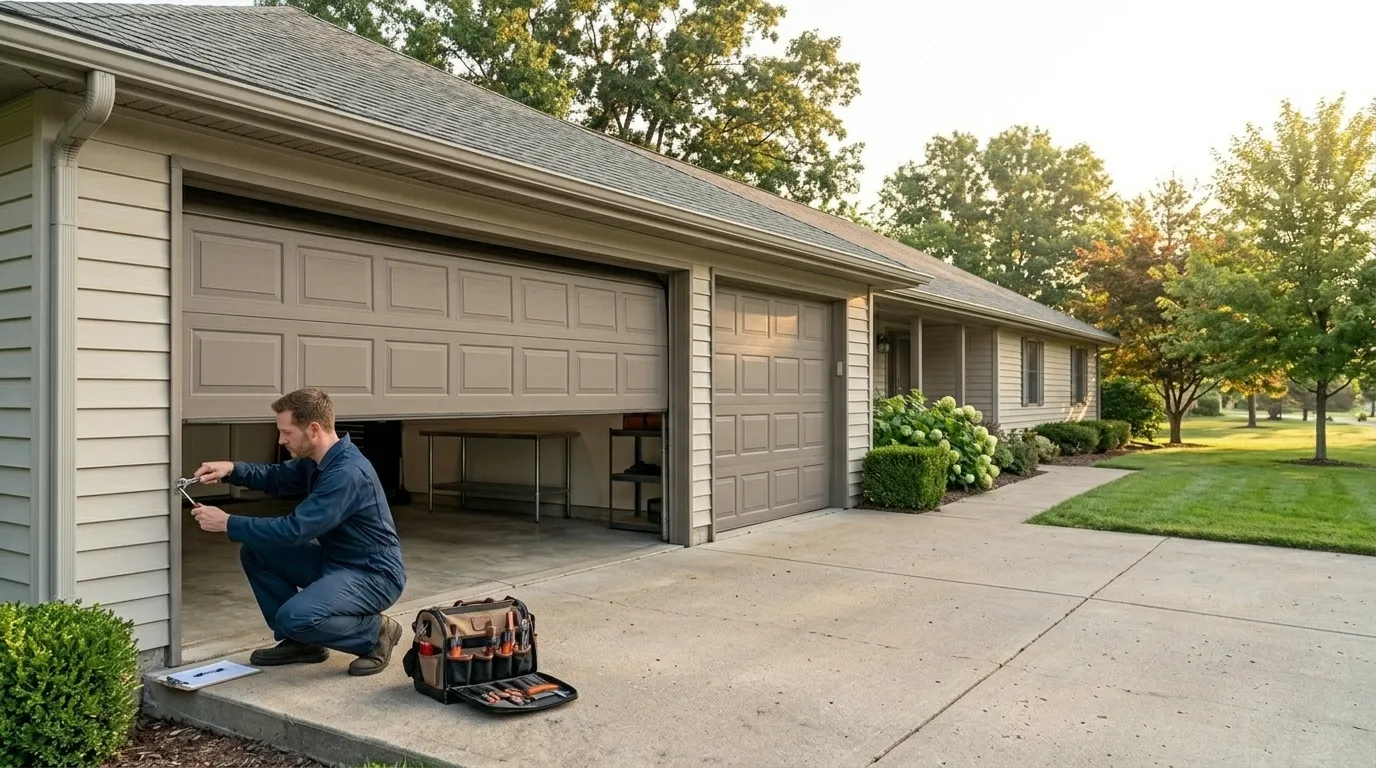
What you can safely check yourself: look at the cable where it wraps the bottom bracket and the drum near the top. Frayed strands, a kink, or visible rust on the wire itself means the cable is close to failing, not something to wait on. If the door is already sitting crooked, or one cable has already snapped and the door is stuck at an angle, stop there. Don't try to lift it, don't cut the other cable to "even it out," and don't run the opener to force it. That's how a $150 cable repair turns into a bent track and a new opener.
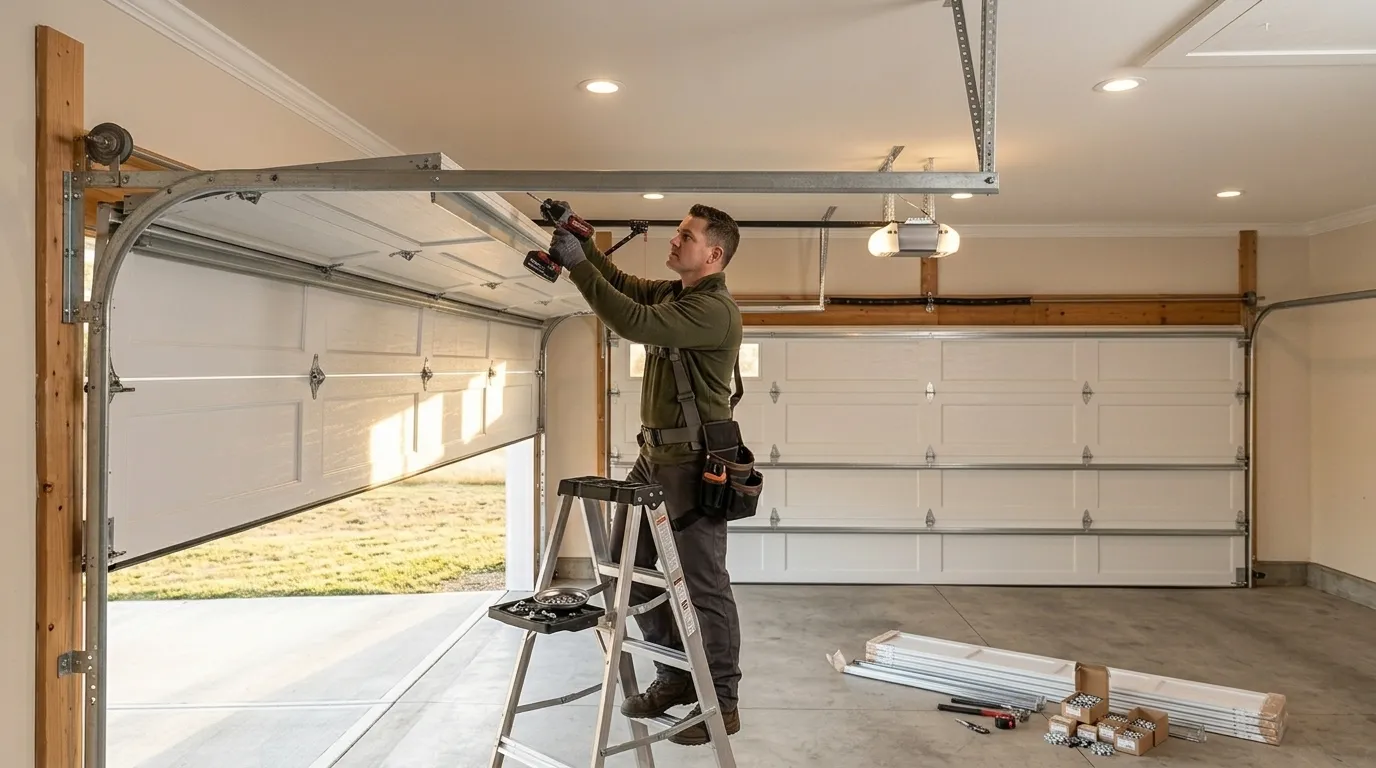
We'll say this plainly: if you're comfortable replacing a light fixture, you're not automatically equipped to work on a wound spring system. This is one of the few jobs in the house where calling someone is the cheaper option, not the lazier one.
Why It Happens Here
Housing across this service area mostly went up between 1938 and 1988, with the bulk of it dating to the 1960s and '70s. That matters for cables specifically: doors and openers installed or upgraded in that era often still run original-style drums and mismatched cable gauges from a repair job decades back, not the standard sizing a shop would use today. When a cable finally gives out on one of these older setups, it's rarely a clean, isolated failure - it's usually the whole hardware set showing its age at once.
The area's mild temperate climate works in homeowners' favor here compared to places with real freeze-thaw cycles or heavy salt air - cables aren't getting hammered by ice expansion or coastal corrosion the way they would elsewhere. But mild doesn't mean maintenance-free. Decades of daily openings on the same original cable, with no lubrication and no inspection, wear the strands down slowly and quietly until one gives without warning. That slow, unnoticed wear - not a single weather event - is the pattern behind most of the cable calls we take.
How It Shows Up
Most cable failures announce themselves before they fully let go, if you know what to watch for. A door that used to run smooth and starts making a rhythmic snapping or popping sound partway through its travel is often a strand starting to fray against the drum. A door that suddenly sits an inch or two off-level when closed, even though it worked fine last week, usually means one cable has stretched or slipped while the other hasn't.
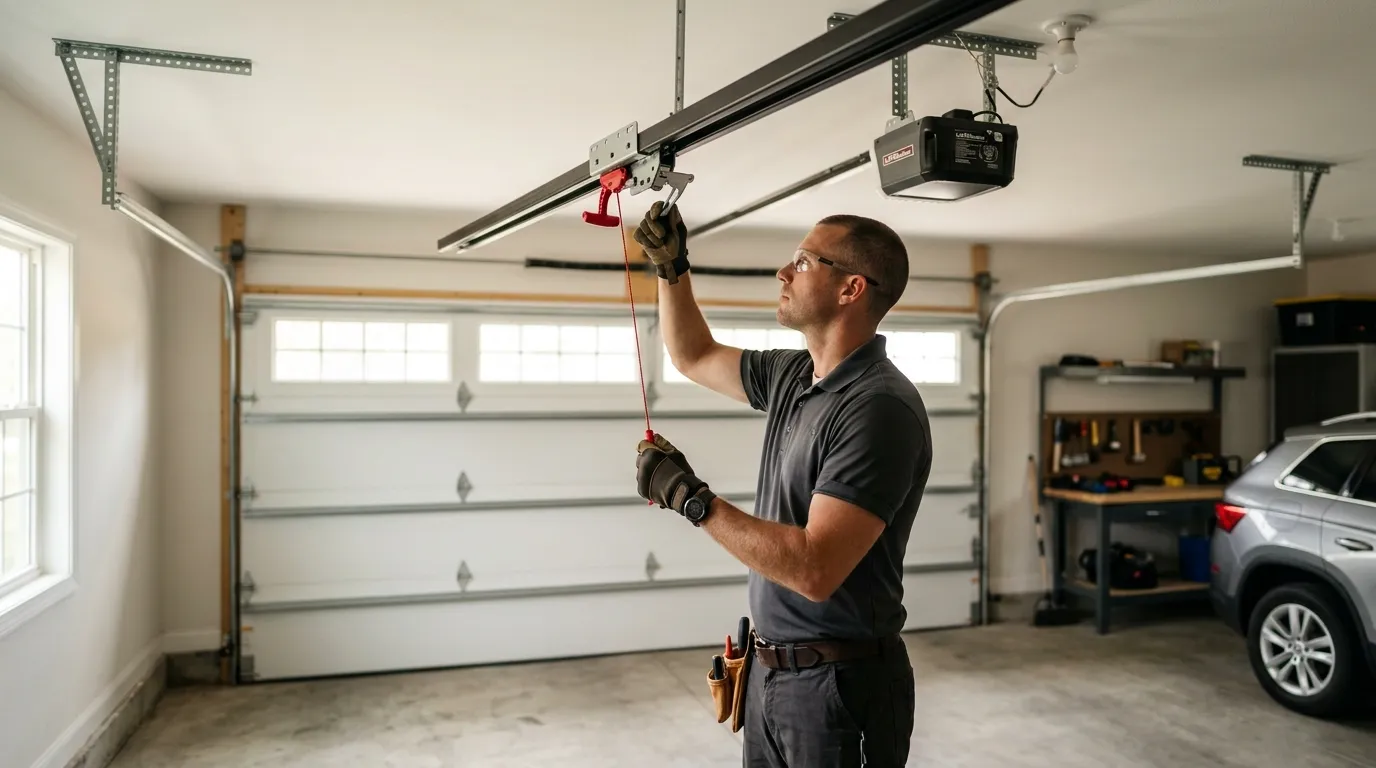
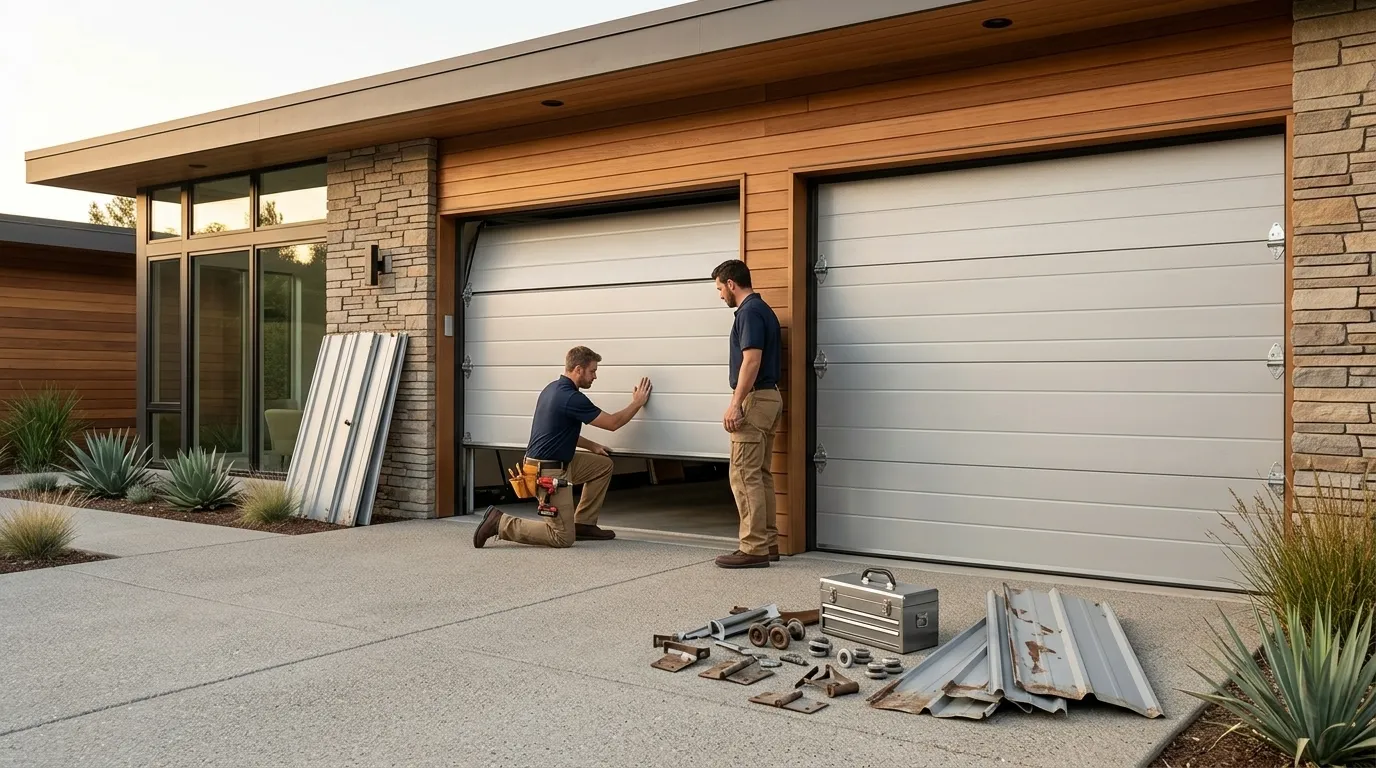
The clearest sign is a door that won't move at all, sitting stuck a few inches up with the opener straining or clicking and going nowhere. That's typically a snapped cable jamming the mechanism, not a dead opener. Less obvious: a door that closes fine but the opener's travel limit seems to have shifted, closing harder or softer than it used to. That can point to a cable slowly slipping on the drum rather than breaking outright.
Across the households we serve in this area, this is one of the more common calls we get on doors installed decades ago and never touched since. If your door is doing any of the above, it's worth a look before it fails the rest of the way.