Serving Petaluma, CA & nearby
(707) 610-8836
Petaluma, CA

Garage Door Maintenance Around Petaluma

Garage door maintenance for Petaluma's 1960s-70s housing stock. What to check yourself, what fails quietly in our mild climate, and when to call a tech.

Garage Door Maintenance Around Petaluma
Petaluma, CA
8 services
4 service areas
Diagnosis first, then the fix

Doing It Yourself

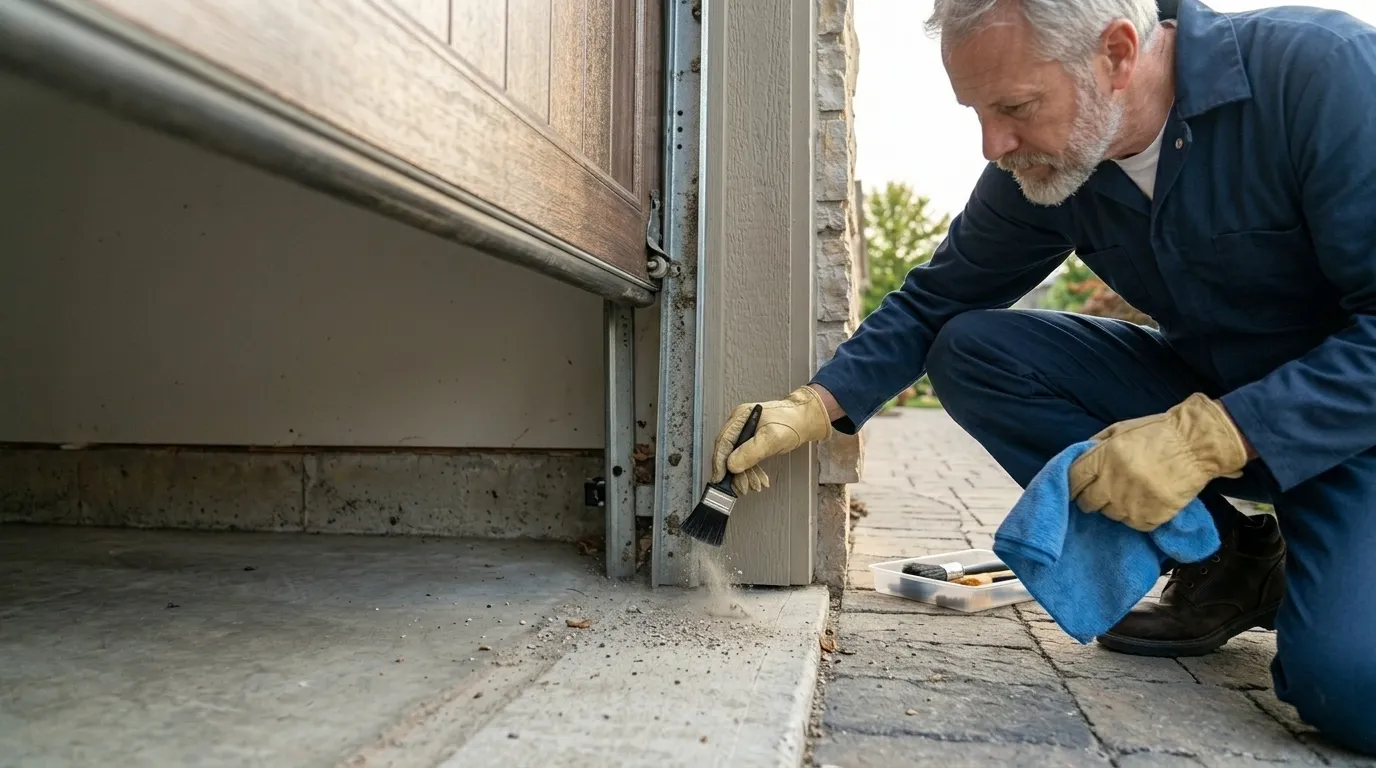
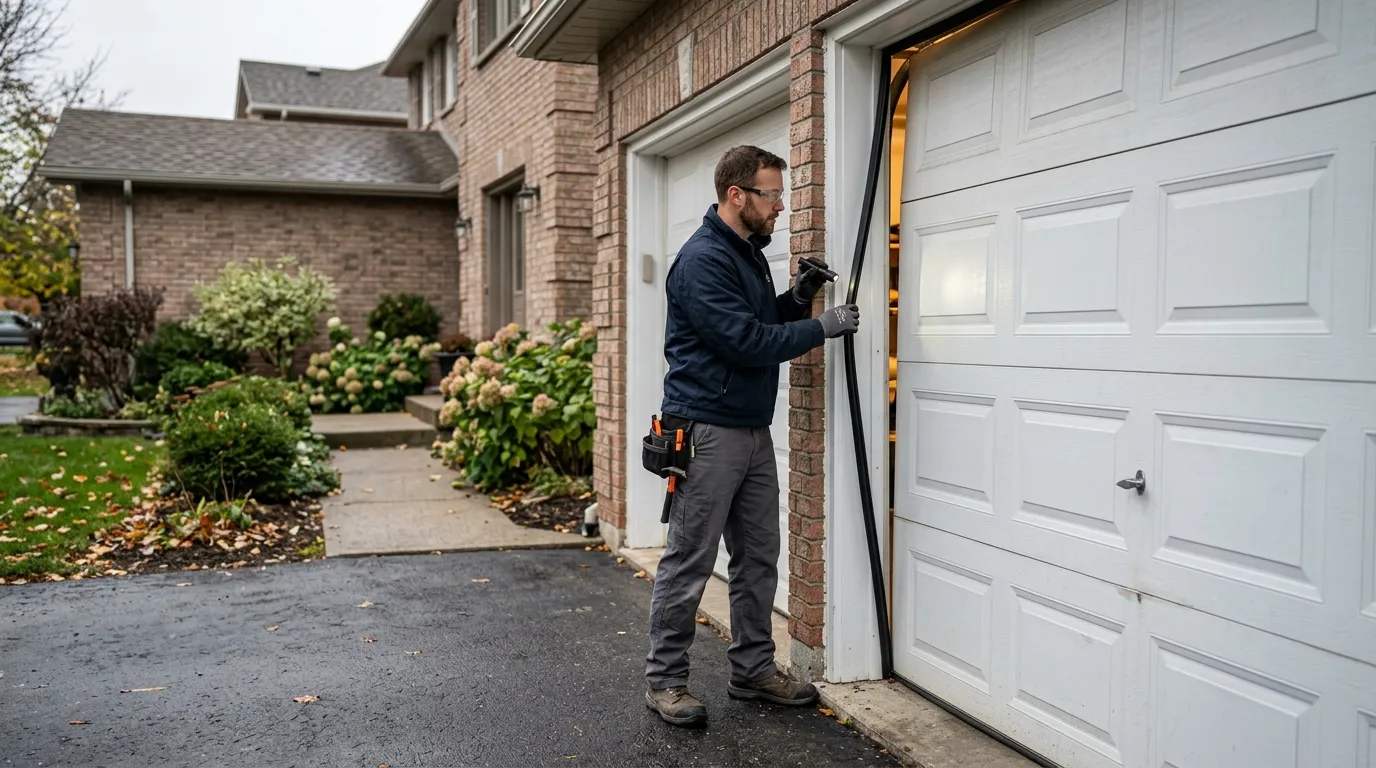
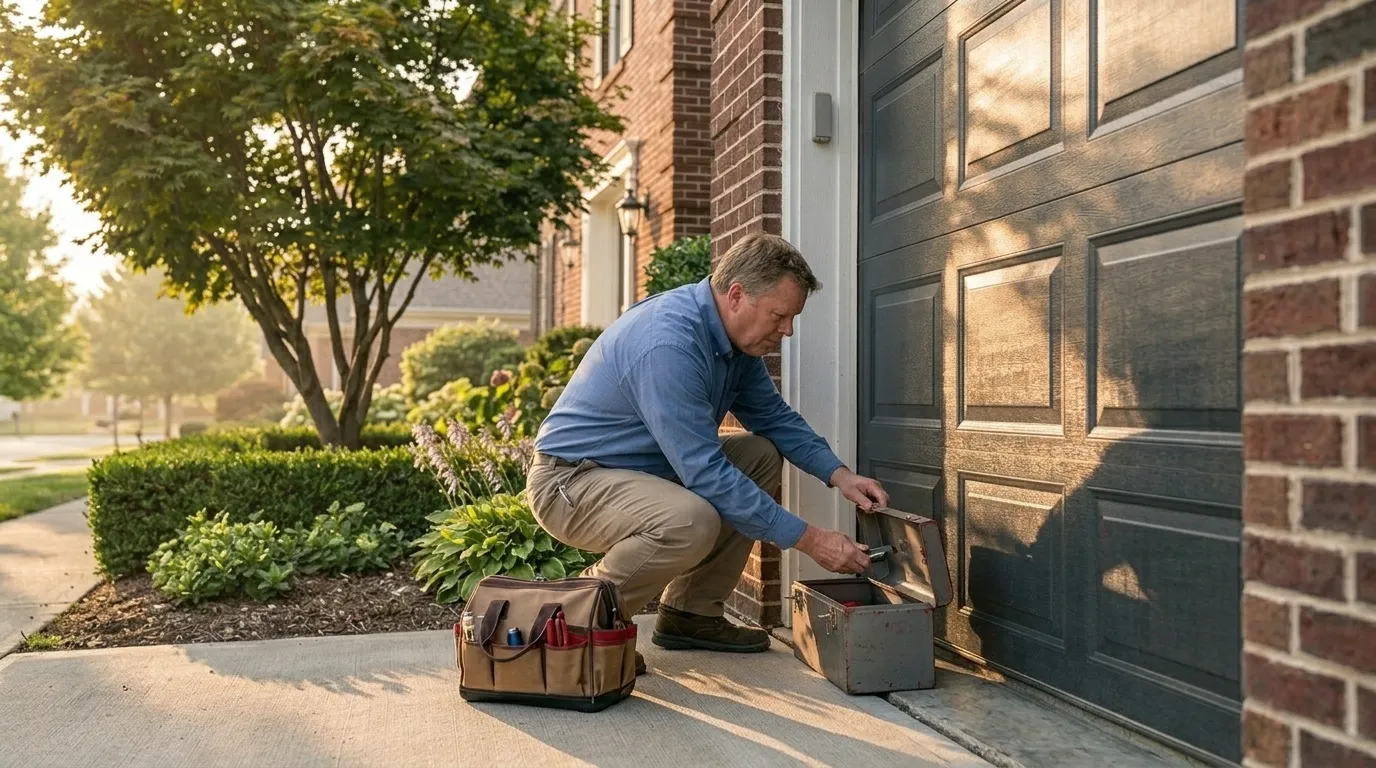
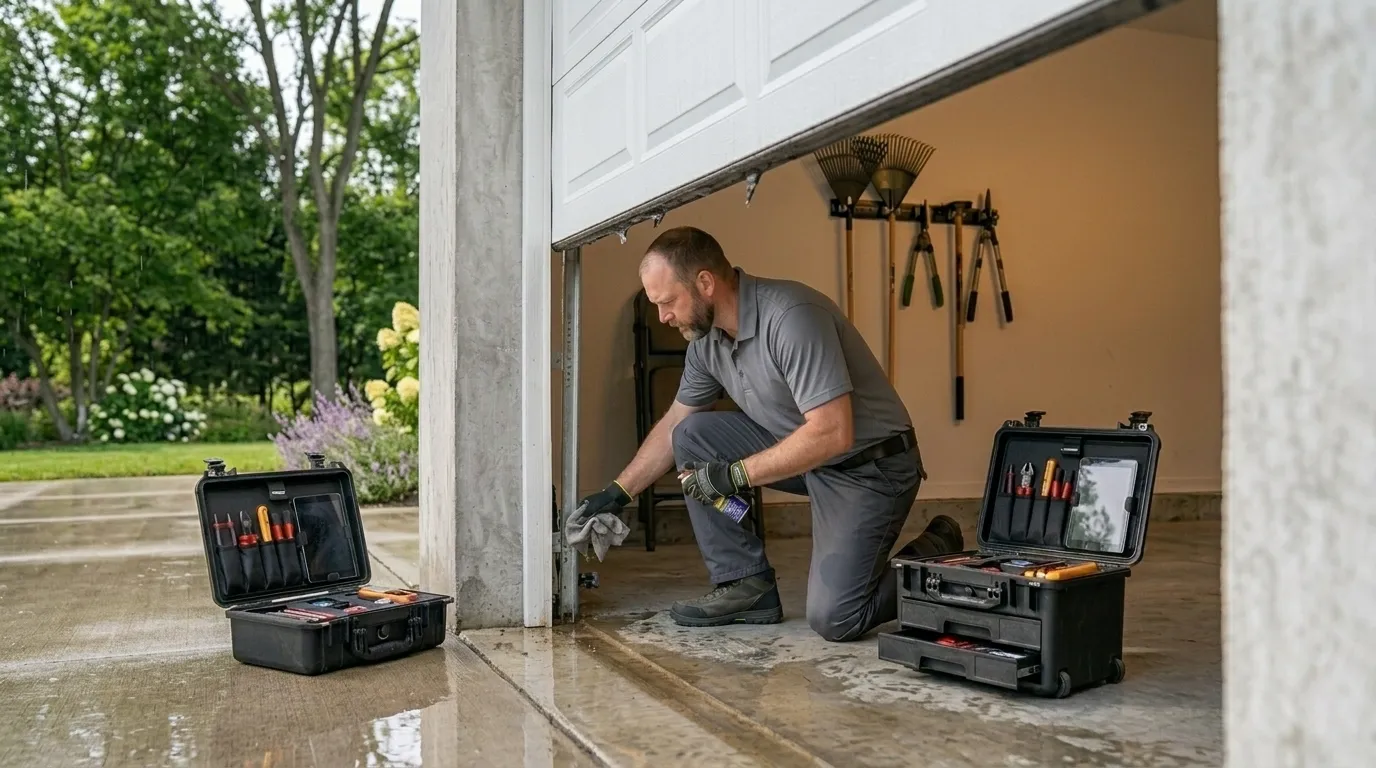
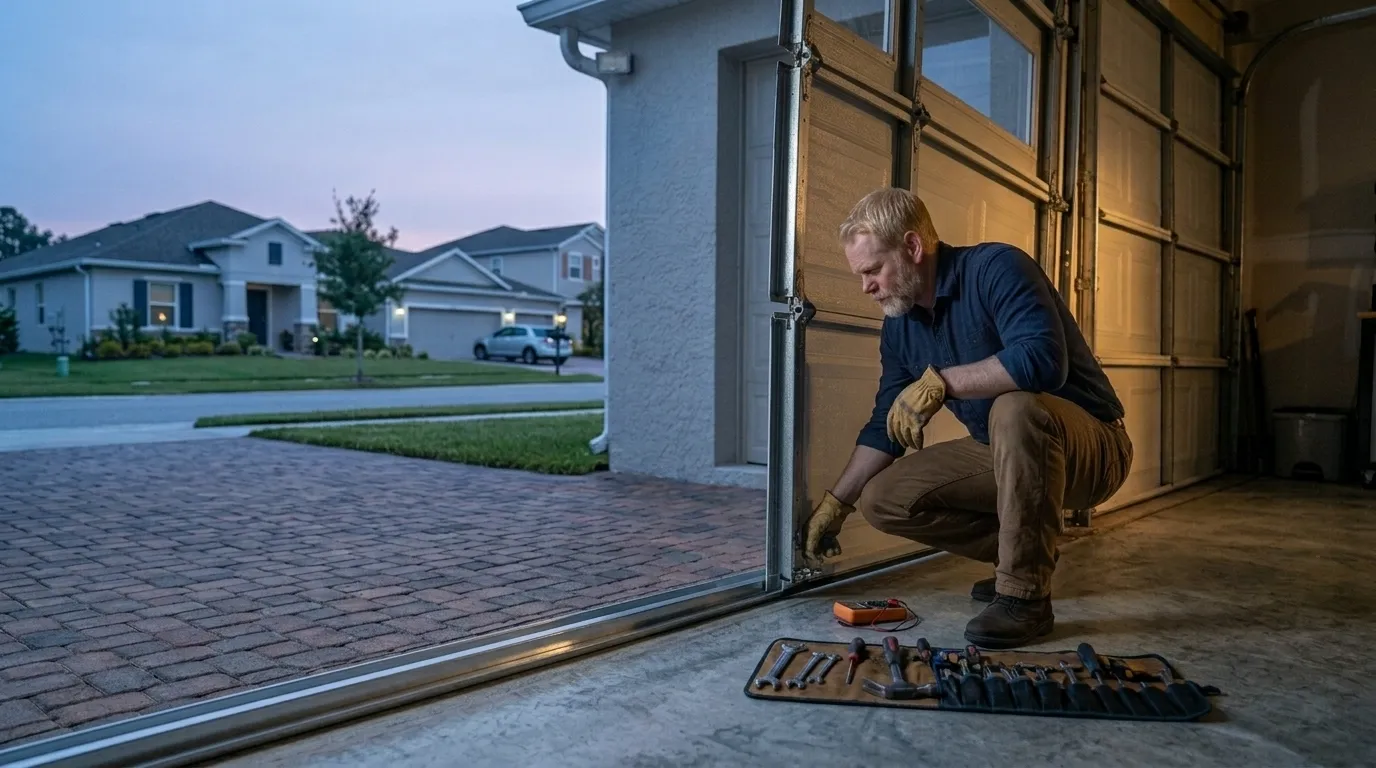
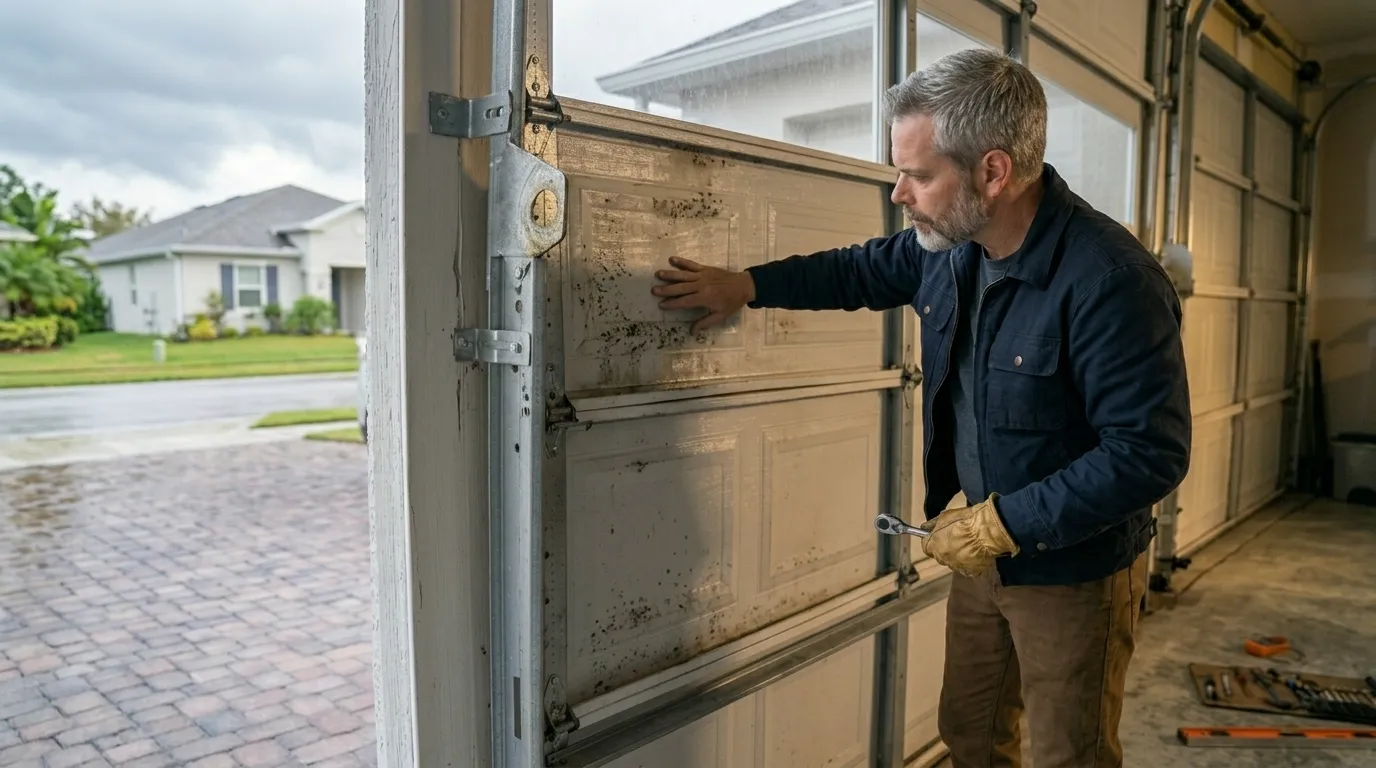
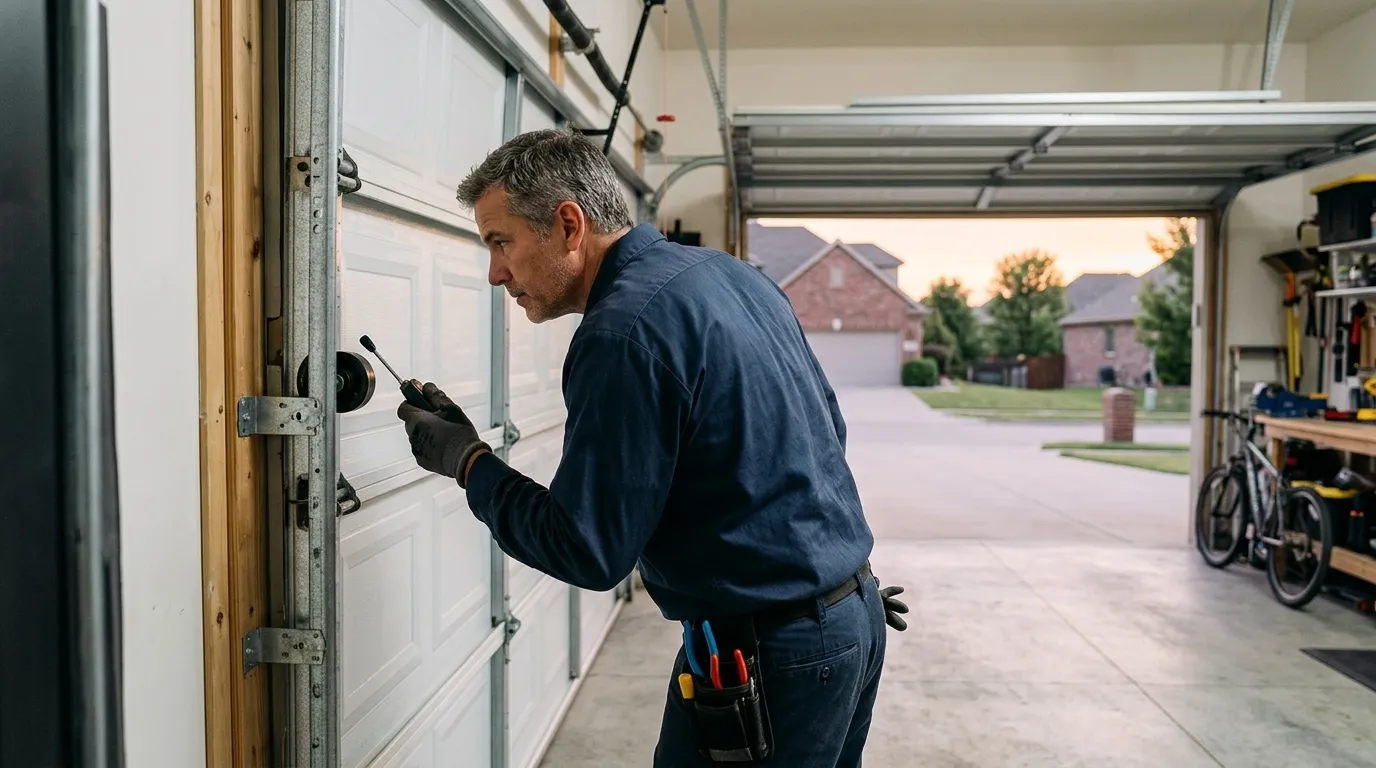
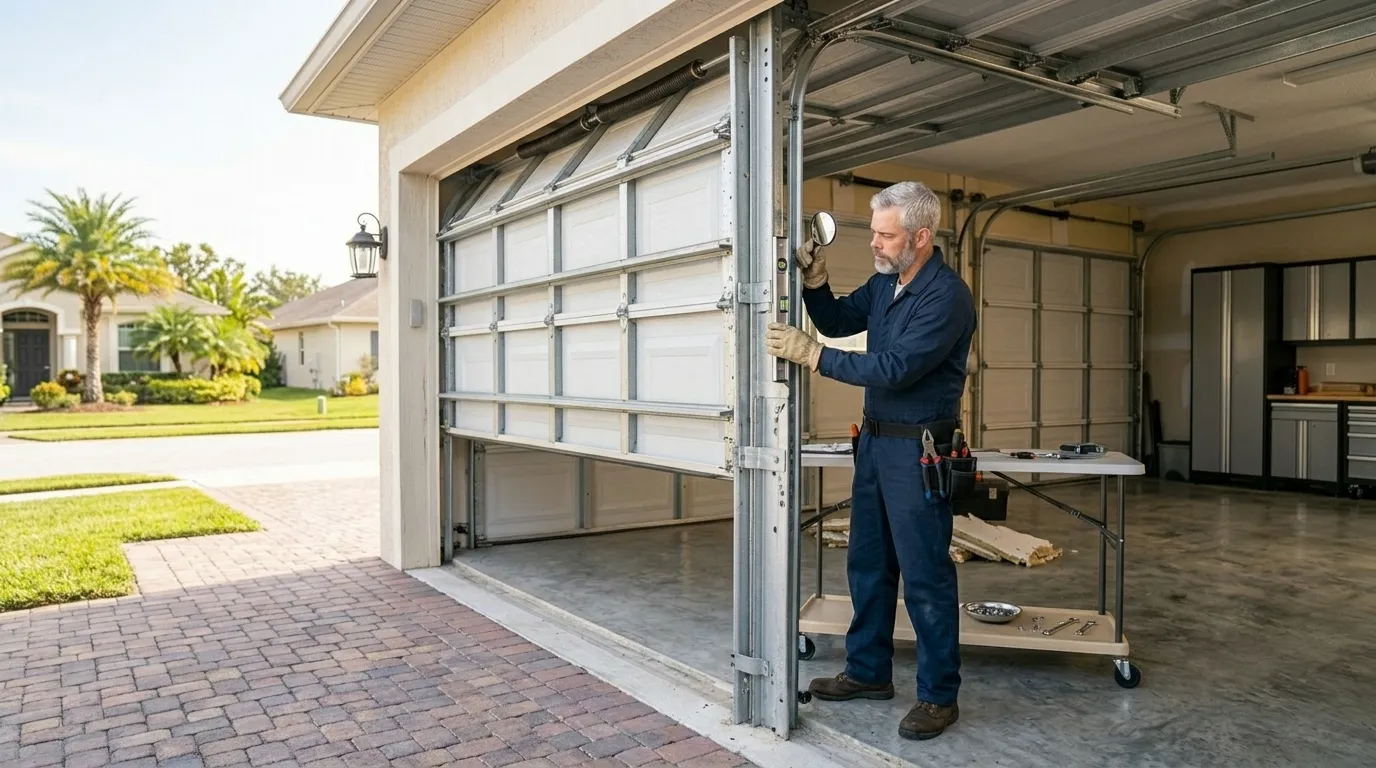
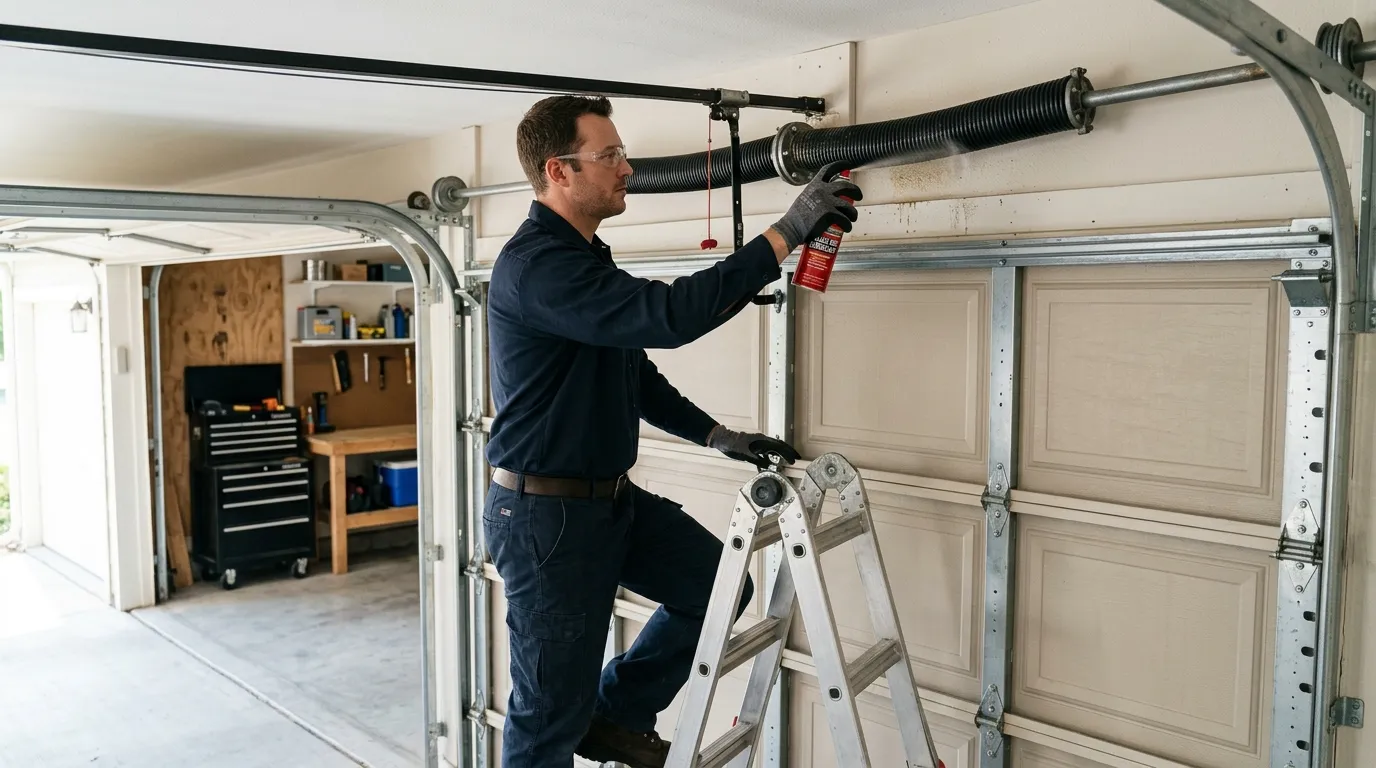
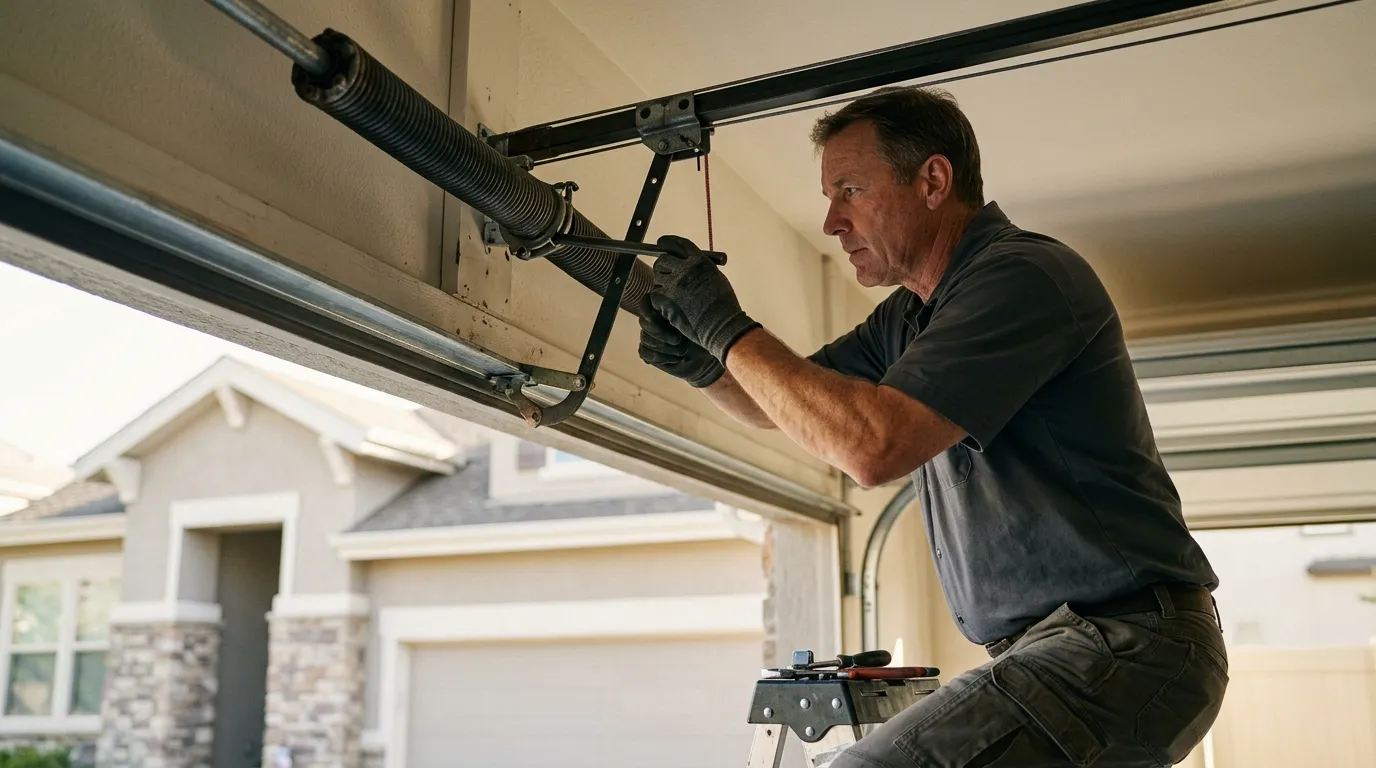
There's a real list of things you can do yourself, and it's worth doing on a regular basis rather than waiting for a problem. Wipe down the tracks and check that they're not bent or pulling away from the wall. Look at the springs - not to adjust them, just to see if the coils look uneven or stretched. Lubricate the rollers and hinges with a garage door lubricant, not household oil, which attracts grit and gums up over time. Test the auto-reverse: set a piece of wood on the floor under the door and see if it stops and reverses on contact. Check that the weatherstripping along the bottom panel is still sealing, since a lot of homes in this area have doors original or close to original to when the house was built.

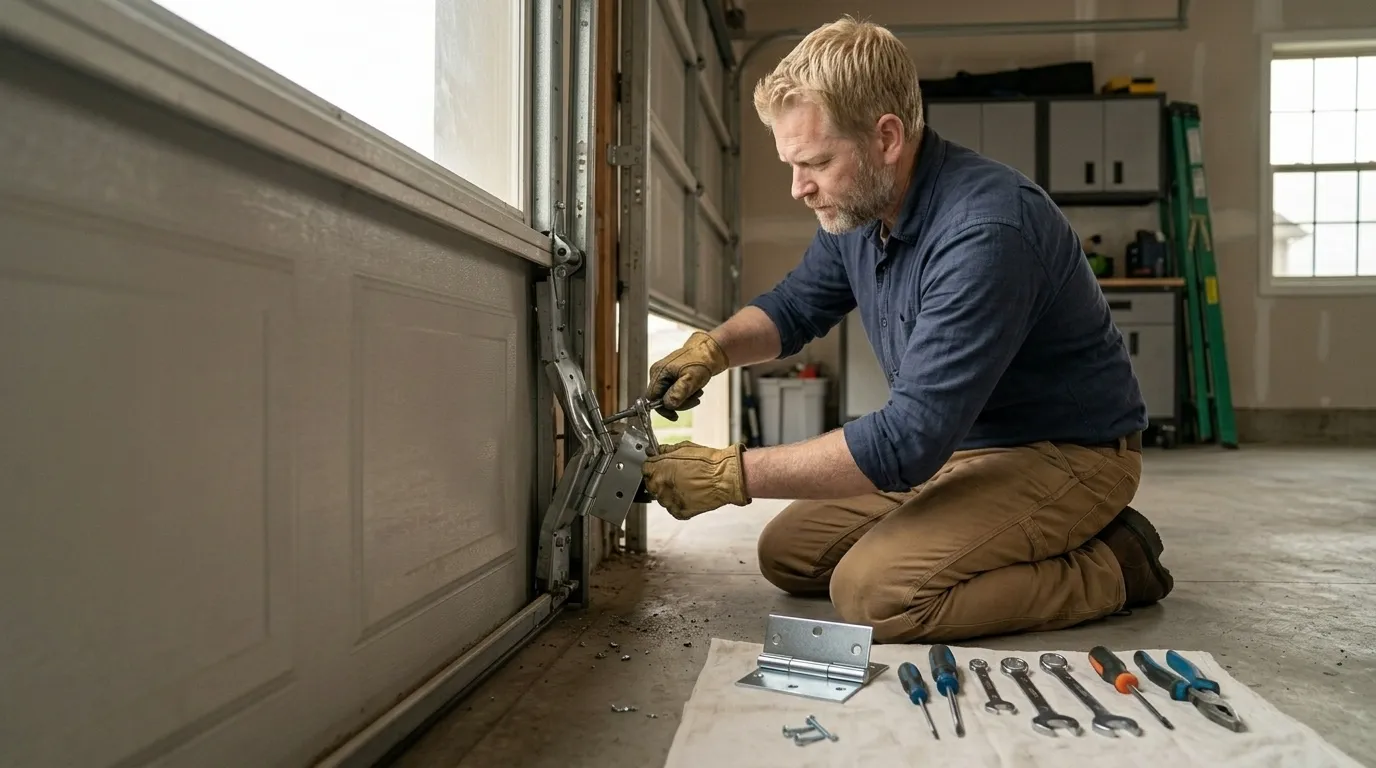
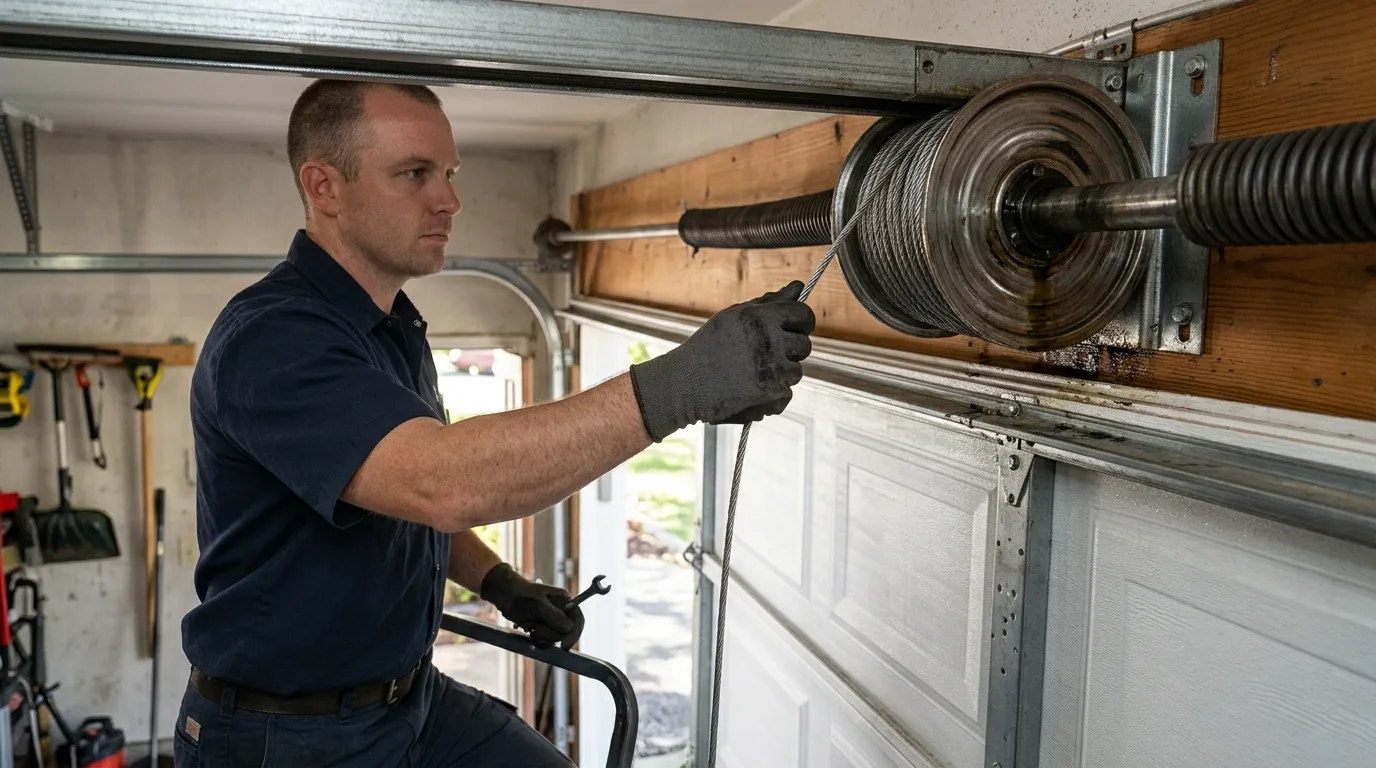
What you shouldn't do yourself is touch the torsion spring. It's under enough tension to break a wrist or worse, and it's genuinely not a DIY repair regardless of what a video online tells you. Same goes for the cables under load. If a spring looks worn or a cable is frayed, that's a call, not a project.

A once-a-year walkthrough, plus the auto-reverse test every few months, catches most of what turns into an emergency call later. It's fifteen minutes against an afternoon of being stuck with a door that won't move.

Where This Job Goes Sideways

The most common way maintenance goes wrong here isn't neglect - it's assuming a quiet door is a healthy door. A lot of the housing in this service area went up between 1938 and 1988, with the bulk of it dating to the 1960s and '70s. That means a lot of original or first-generation-replacement hardware: torsion springs and rollers that have been cycling for decades without ever showing an obvious symptom until the day they don't.

Owners also tend to lubricate once and consider the job done, when tracks and hinges on a door that age need it every few months, not once. Another spot where people get caught out: they tighten loose hardware on the track but don't check the mounting brackets bolted into aging framing, which is a different fix.

Here's the honest limit - if a spring is original to a house built before the 1970s, we're generally not going to recommend re-lubricating and calling it done. At that age the metal fatigue is already there, and a maintenance visit on a spring that old usually turns into a replacement conversation. That's not us upselling; it's just what four-plus decades of cycling does to a coil.

Why It Happens Here

Two things are working together in this area, and neither one is dramatic on its own. First, the age of the housing stock - homes built median year 1966 across the service area - means a large share of doors and openers are running on hardware that predates a lot of the safety and material improvements made industry-wide since. Second, the climate here is mild temperate, without the hard freeze-thaw cycles or extreme heat swings that force other regions to replace hardware on a shorter clock.

That mild climate is actually part of the maintenance problem, not separate from it. In a place with harsh winters, a stiff or failing spring announces itself fast - cold makes metal brittle and things snap sooner, so owners get an early warning. Here, moderate temperatures let a worn spring or a dry roller keep functioning marginally for years past the point it should've been serviced, because nothing forces the failure. The door just gets a little louder, a little slower, and owners get used to it instead of flagging it.

So the region doesn't create violent, sudden failures as often. It creates quiet ones that build slowly and get discovered the day the door won't lift at all.

How It Shows Up

Because the failures here tend to be gradual, they show up as small annoyances long before they show up as a dead door. A door that used to lift smoothly starts hesitating partway up. The opener strains longer than it used to, or the motor makes a labored sound at the top of the cycle. Rollers that were quiet start grinding, especially on doors that haven't been touched since they were installed decades ago along with the rest of a 1960s or '70s build.

You might notice one side of the door dropping slightly faster than the other when it closes - that's often an early sign of uneven spring tension, not something to ignore until it becomes a snapped cable. Or the door reverses on its own partway down for no clear reason, which usually means the travel limits or the safety sensors need adjustment, not replacement.

None of these show up as an emergency at first. They show up as things people mention almost as an aside - "it's been a little slow lately" - right up until the day the spring lets go or the opener burns out trying to compensate. Catching it at the slow-and-noisy stage is the whole point of a maintenance visit instead of a repair call.
How it works

From “it’s stuck” to “it’s fixed”

A quick, honest process - no guesswork and no surprises, start to finish.

  1. 1
    Tell us what’s wrong - Petaluma garage door service

    Tell us what’s wrong

    Describe the symptom - won’t open, loud bang, opener runs but the door won’t move.

  2. 2
    On-site diagnosis - Petaluma garage door service

    On-site diagnosis

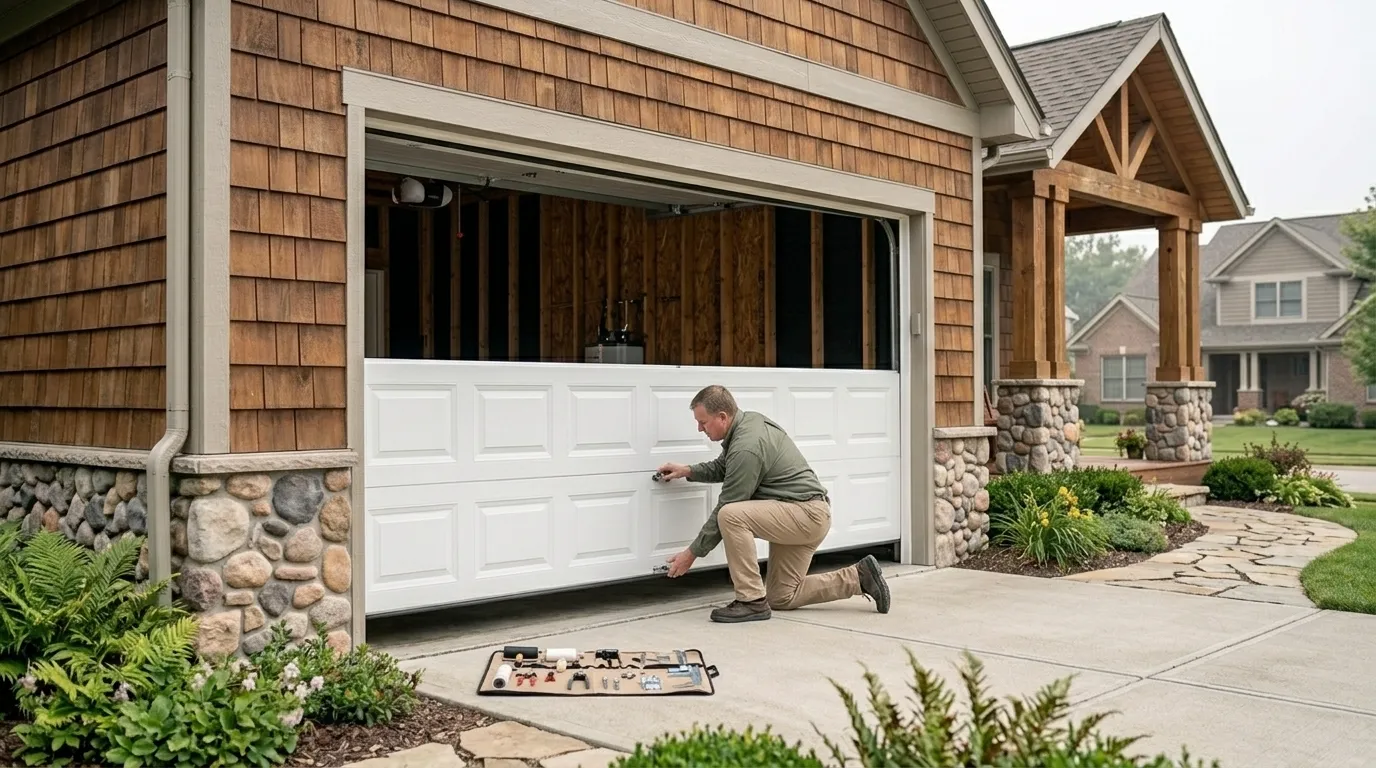
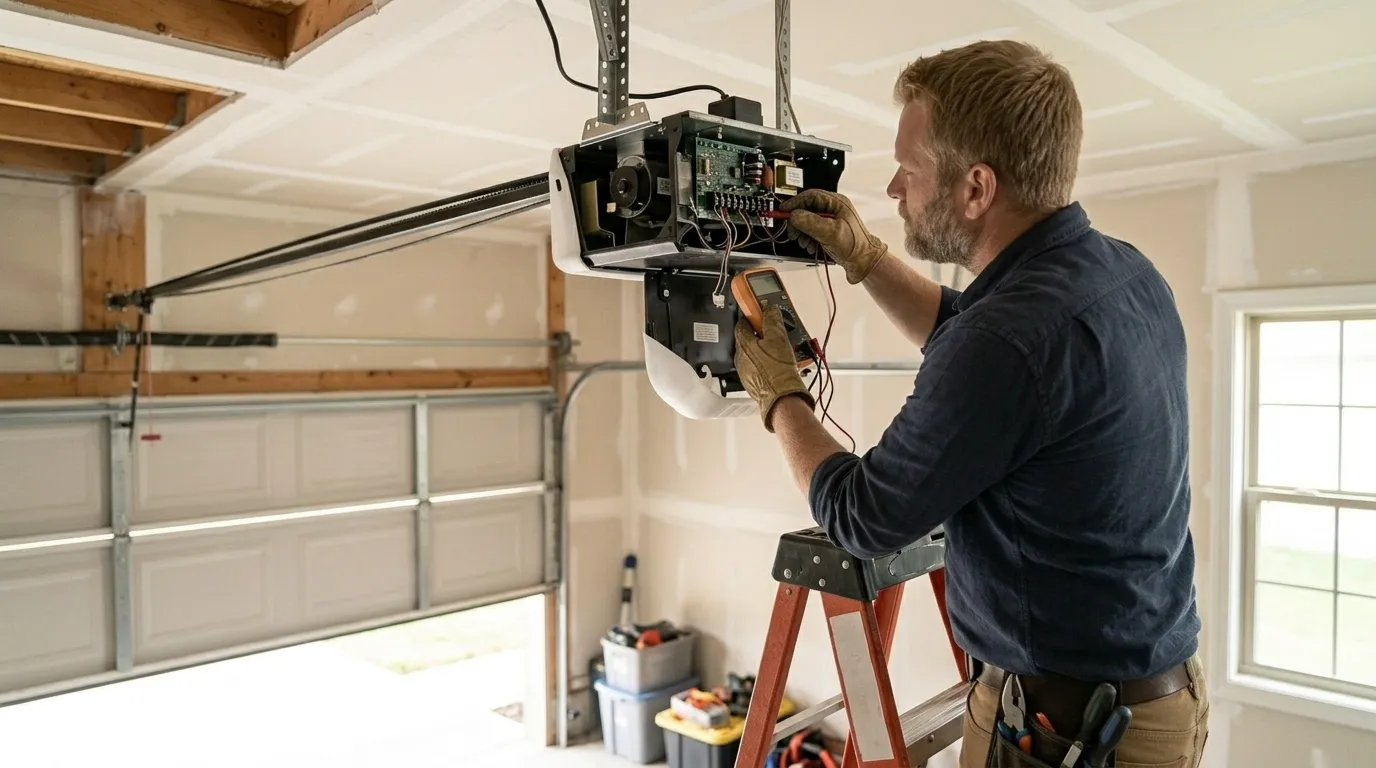
    A technician tests the door under power and by hand and finds what actually failed.

  3. 3
    Clear, up-front plan - Petaluma garage door service

    Clear, up-front plan

    You get the fix that’s needed and what drives the cost - before any work starts.

  4. 4
    Repaired & tested - Petaluma garage door service

    Repaired & tested

    The repair is done, the door is set true and tested, and the work area left clean.

Next step

Serving Petaluma, CA - tell us what your door’s doing and we’ll take it from there.

How we work

What to expect

Diagnosis firstEvery visit starts by finding what actually failed - not a pre-written parts list.
The right part for the doorSprings and openers matched to the door’s weight and age, so the fix holds up.
Straight answersWhen a repair makes more sense than a replacement - or the reverse - you hear it plainly.
Clean, careful workTension released safely, hardware set true, the door tested under power before we leave.
60,438
Residents in Petaluma
8
Garage door services
4
Neighborhoods & suburbs
CA
Serving Petaluma, CA
What we do

Garage Door Services

Repair and installation work for Petaluma homes and businesses.

Where we work

Serving Petaluma & nearby

Local garage door service across 4 Petaluma-area neighborhoods and communities - is your street on the list?

4

Petaluma-area neighborhoods & nearby communities we cover

Questions

Frequently asked

Straight answers about garage door repair in Petaluma. Still unsure? Ask us directly.

How often should I get my garage door serviced in Petaluma?

Once a year is a reasonable baseline for most doors, but if your house dates to the 1960s or earlier and the door hardware hasn't been replaced, twice a year is safer. Mild winters here don't force problems to the surface the way a harsh climate would, so a scheduled look catches wear you wouldn't otherwise notice.

Is it worth maintaining an original 1960s door instead of replacing it?

Sometimes, but not always. Lubrication and track alignment can extend the life of an older door, but if the torsion spring is original, maintenance usually turns into a replacement conversation once we're actually looking at the coil condition. We'll tell you honestly which side of that line your door is on.

Why didn't I get any warning before my door stopped working?

This area's mild temperate climate is part of it. Harsh cold makes worn springs and dry hardware fail obviously and early. Here, components can keep functioning marginally for a long time, so a door can go from "a little slow" to "won't move" without the dramatic warning signs owners in harsher climates get.

Ready to get your garage door sorted?

Tell us what it’s doing and where you are in Petaluma - we’ll take it from there.

Request a QuoteCall