What We Do Most in This Area
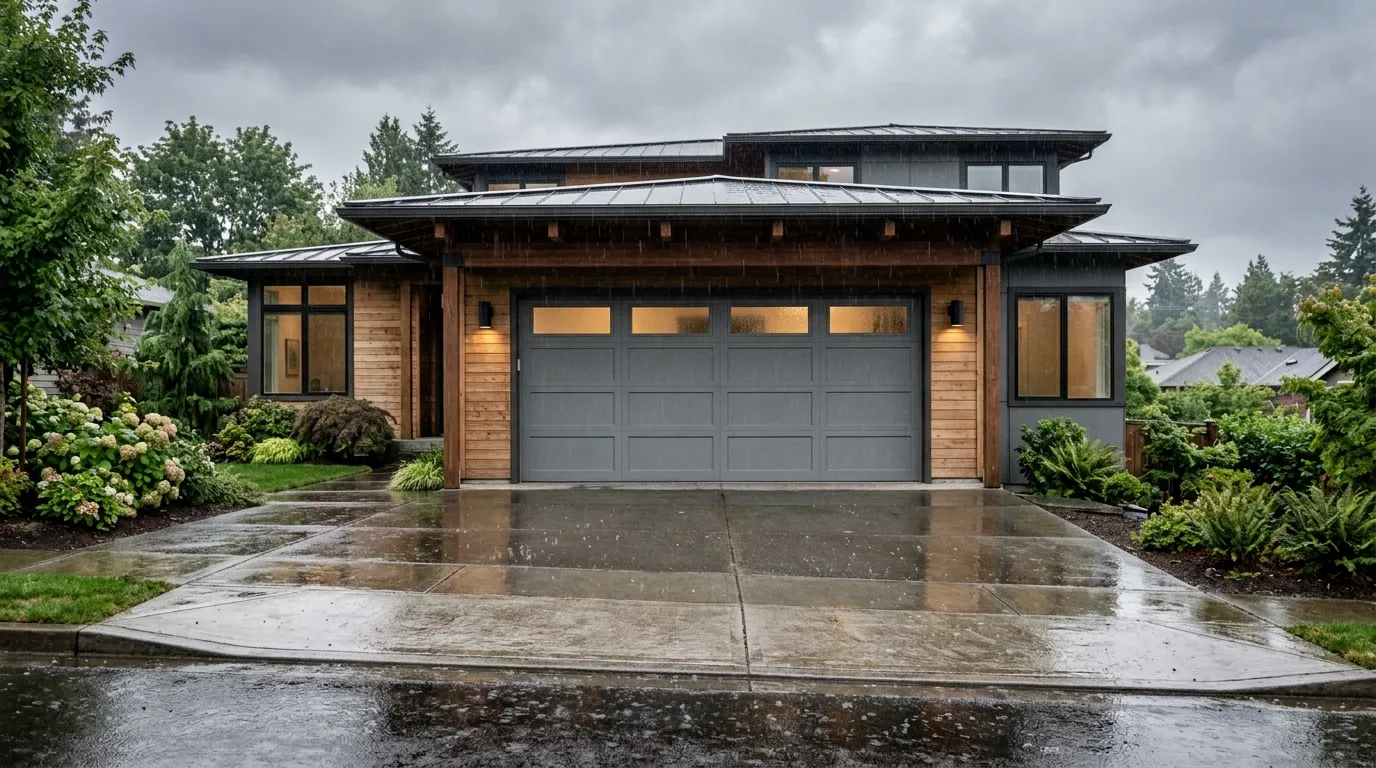
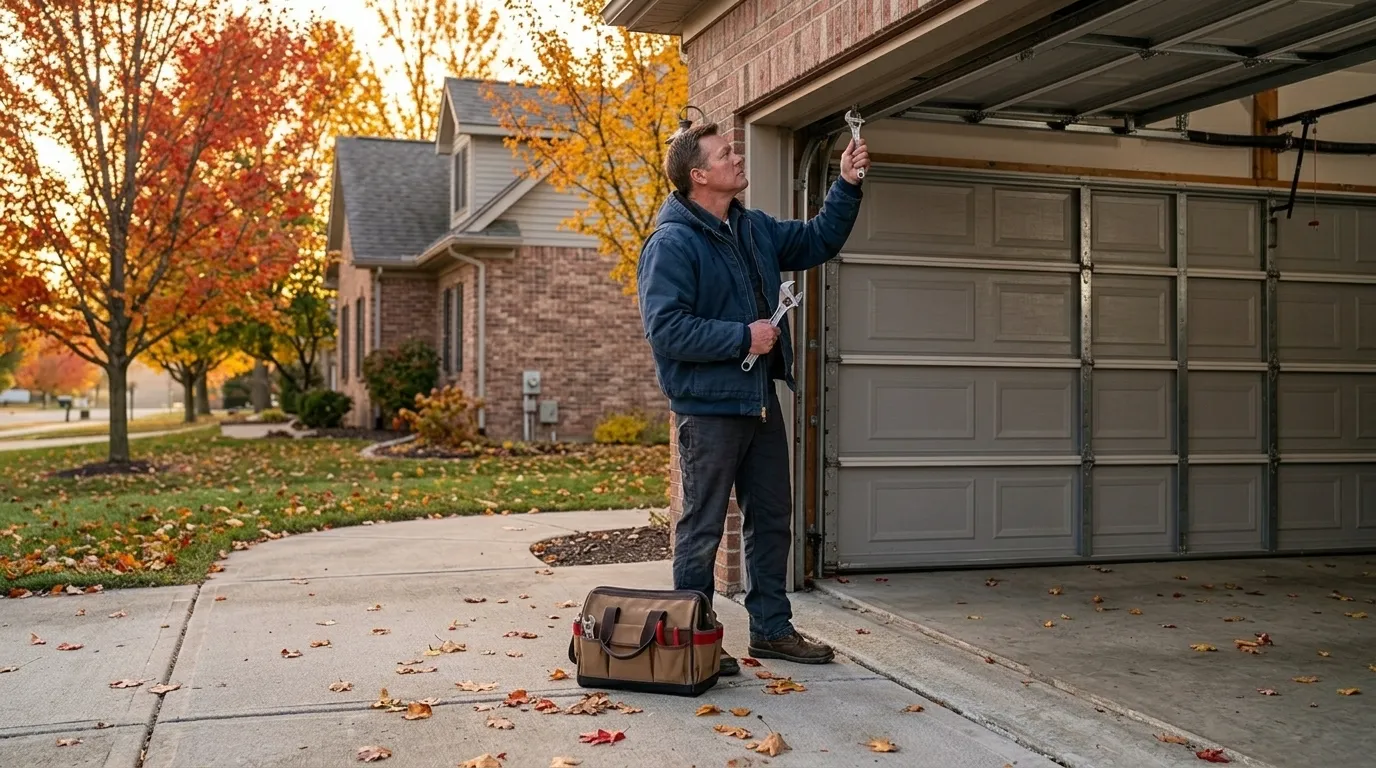
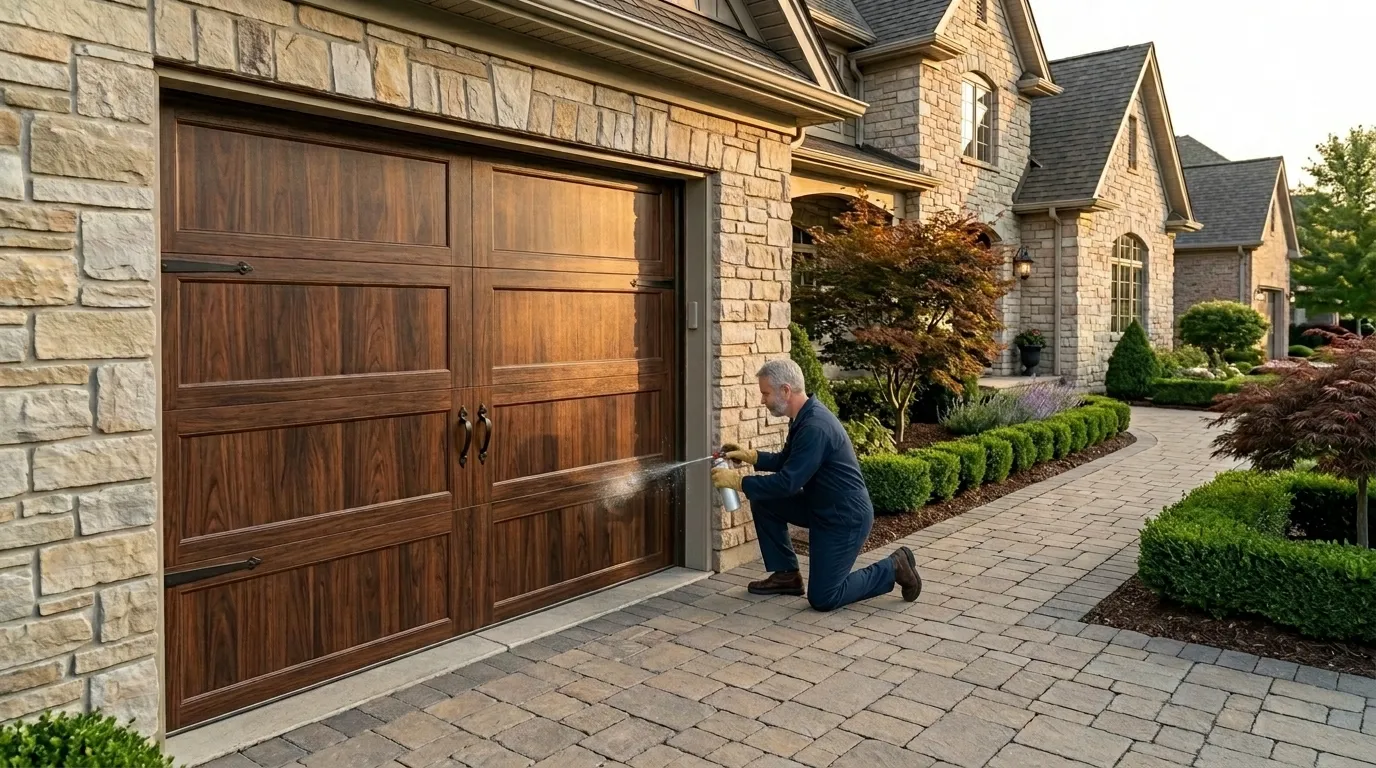
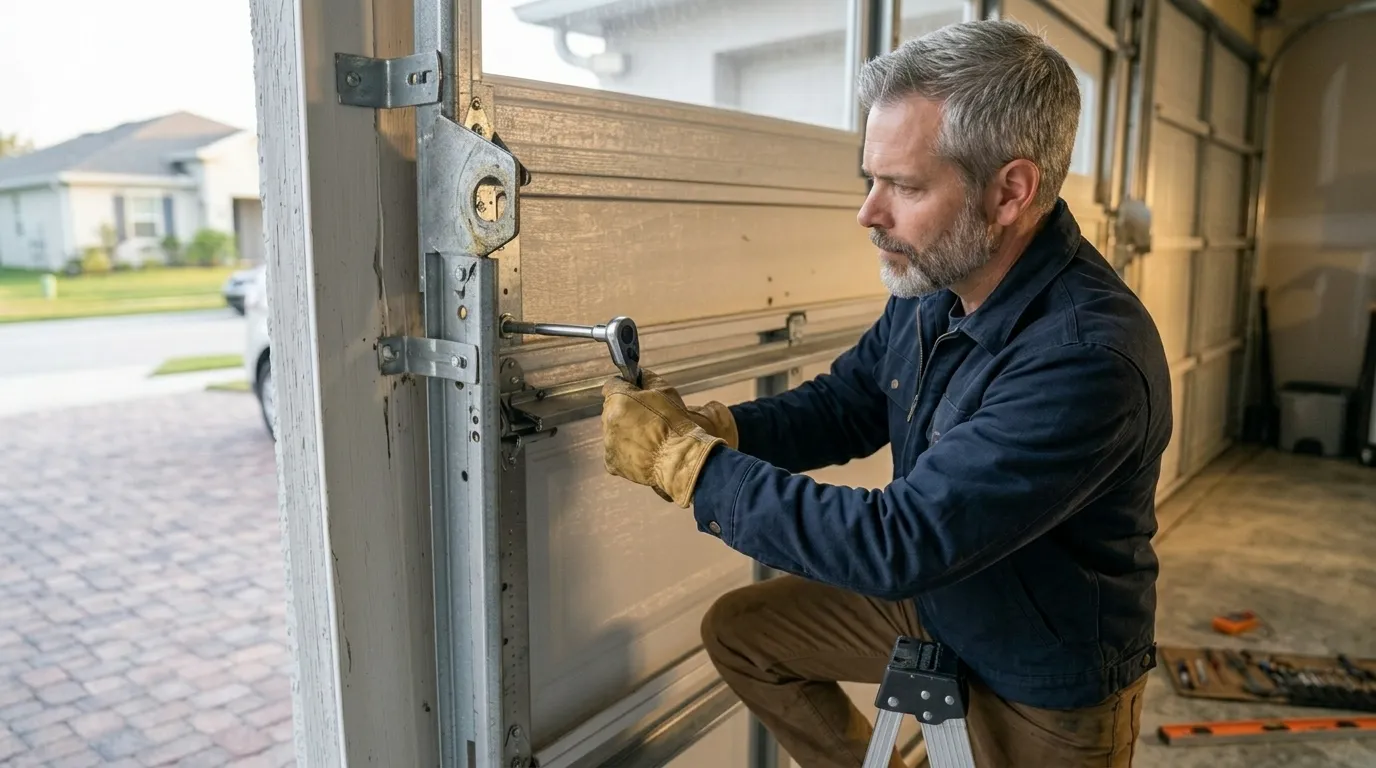
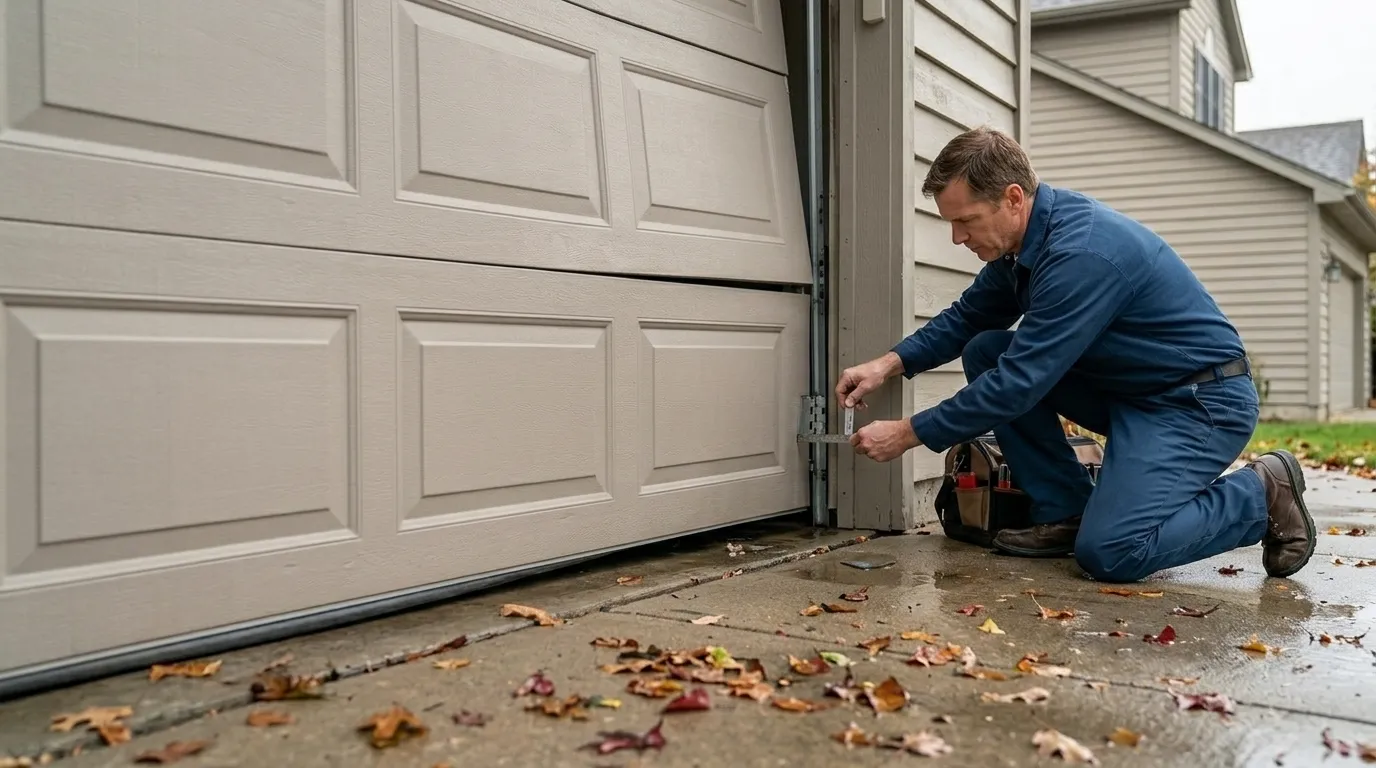
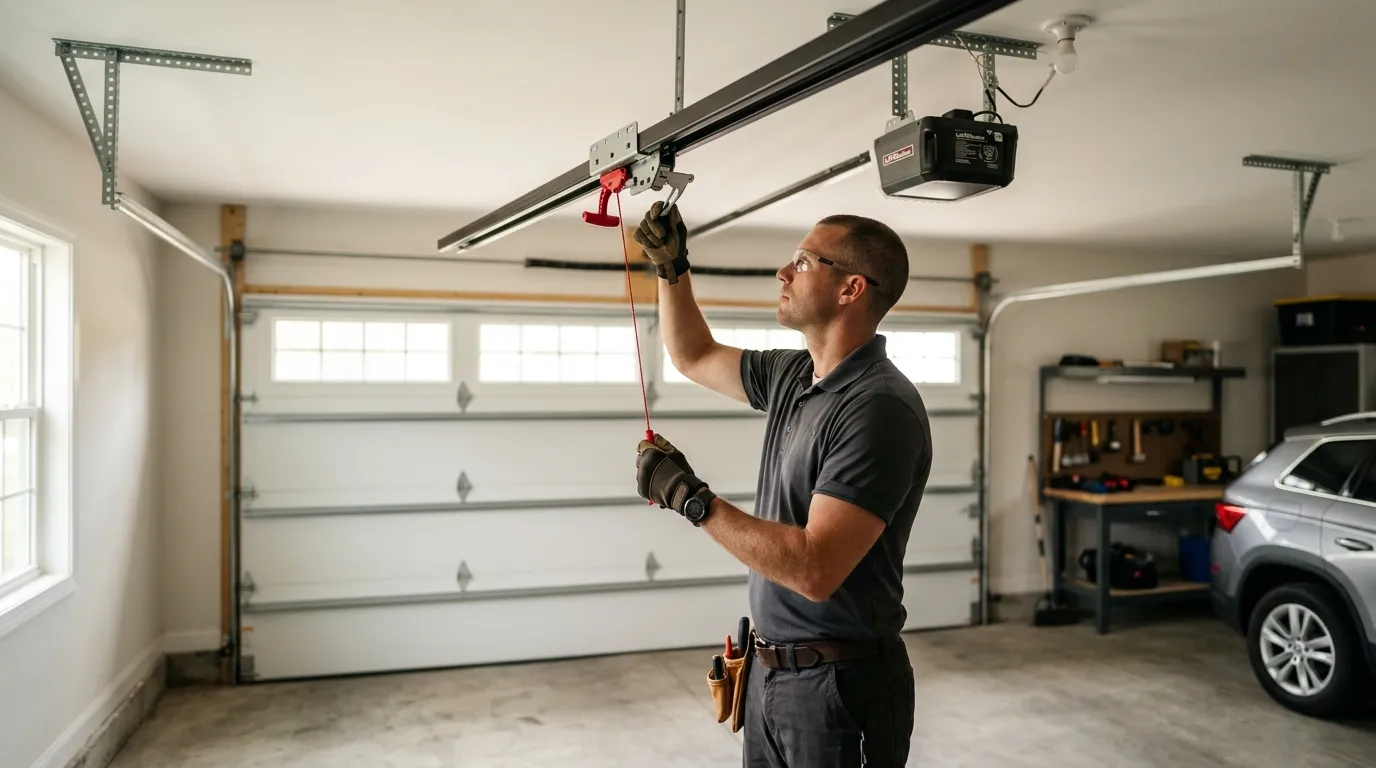
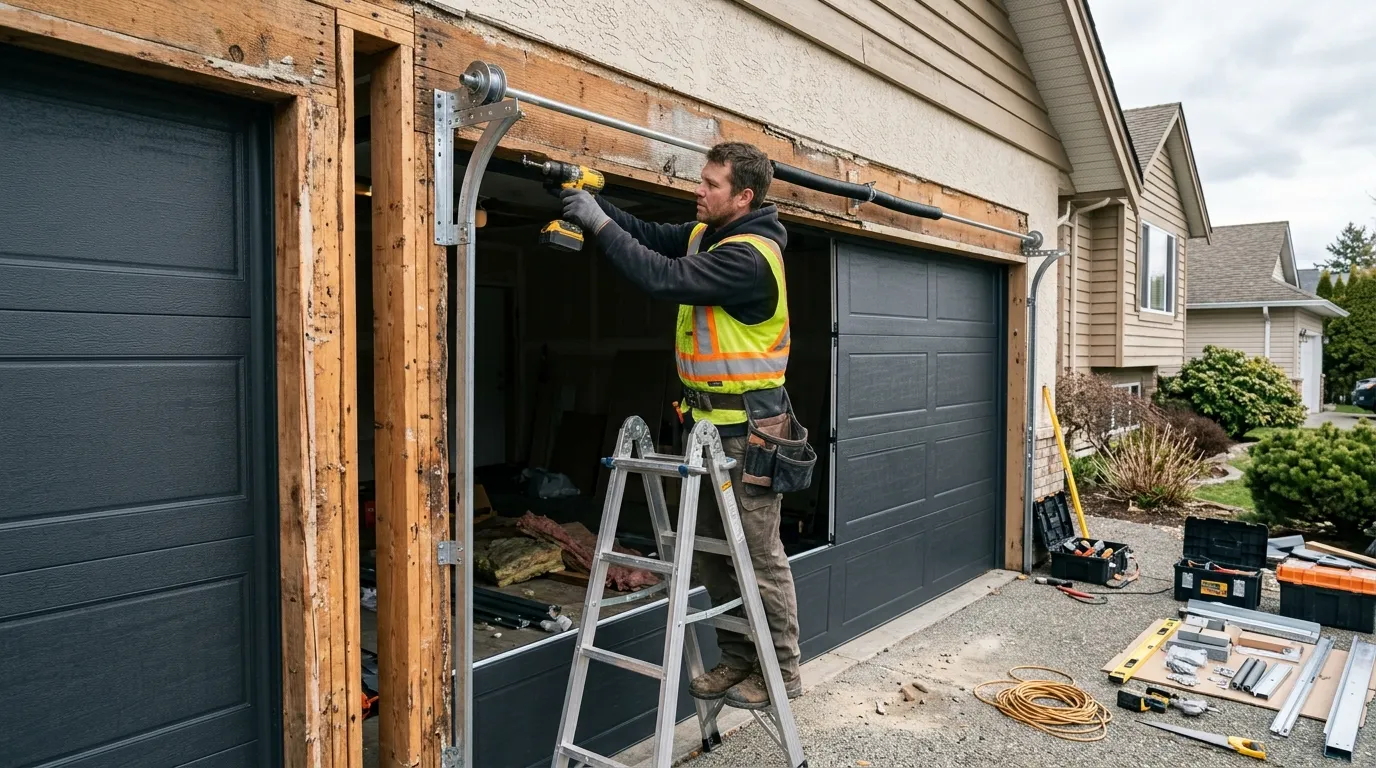
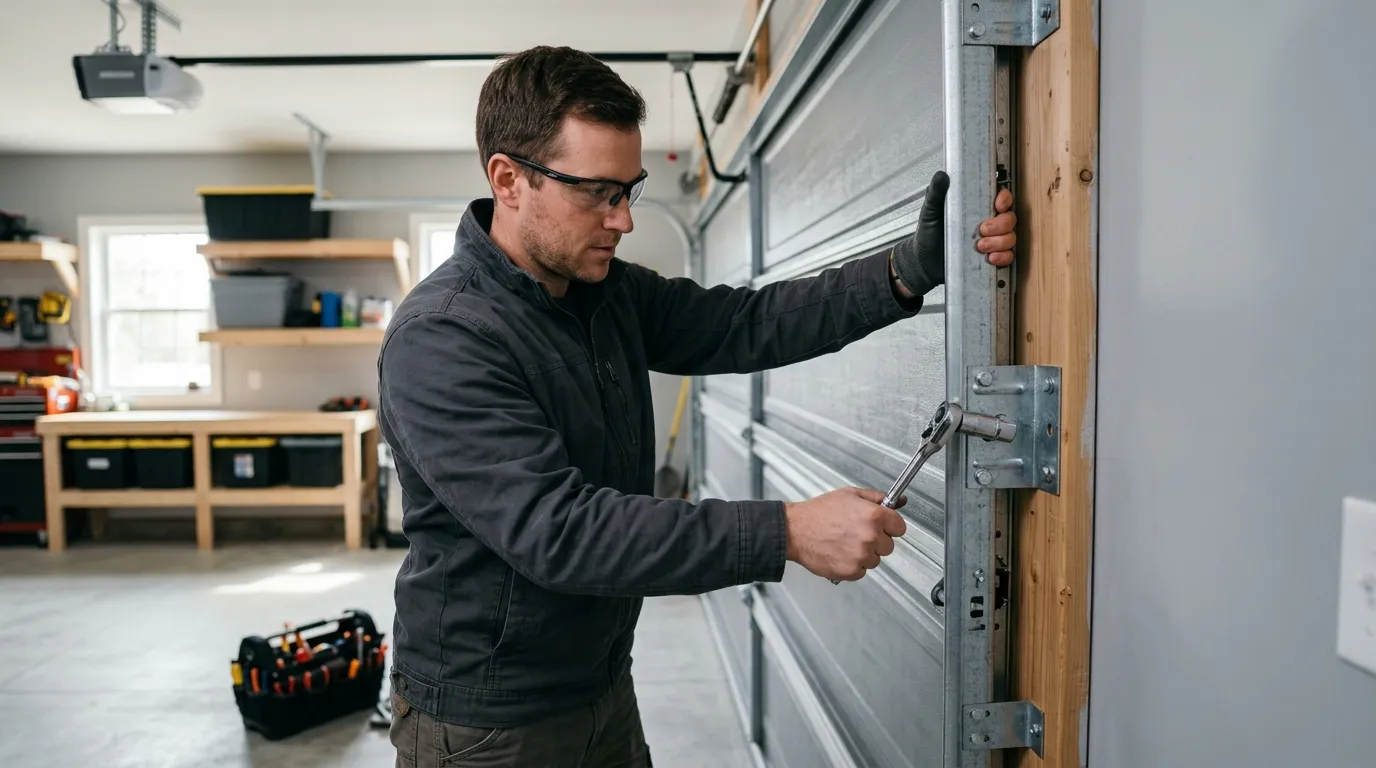
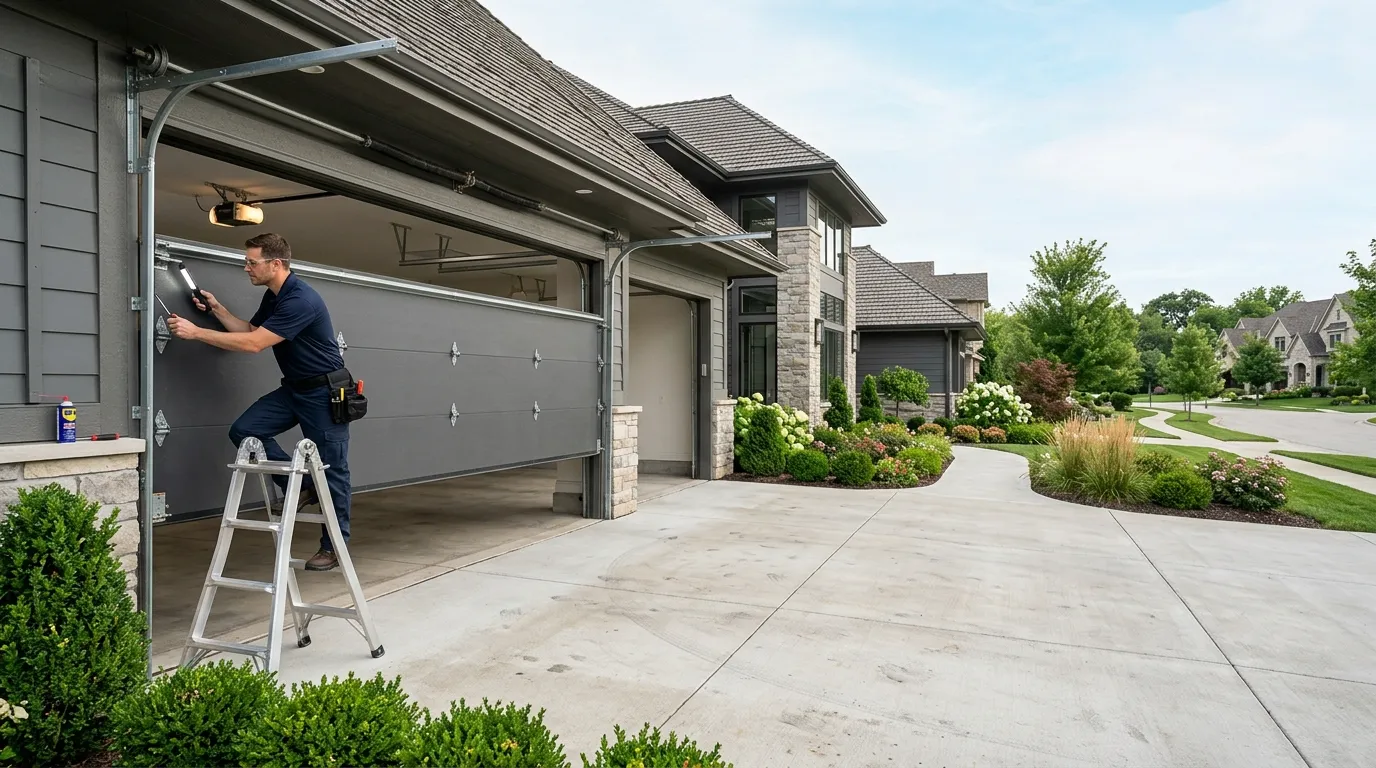
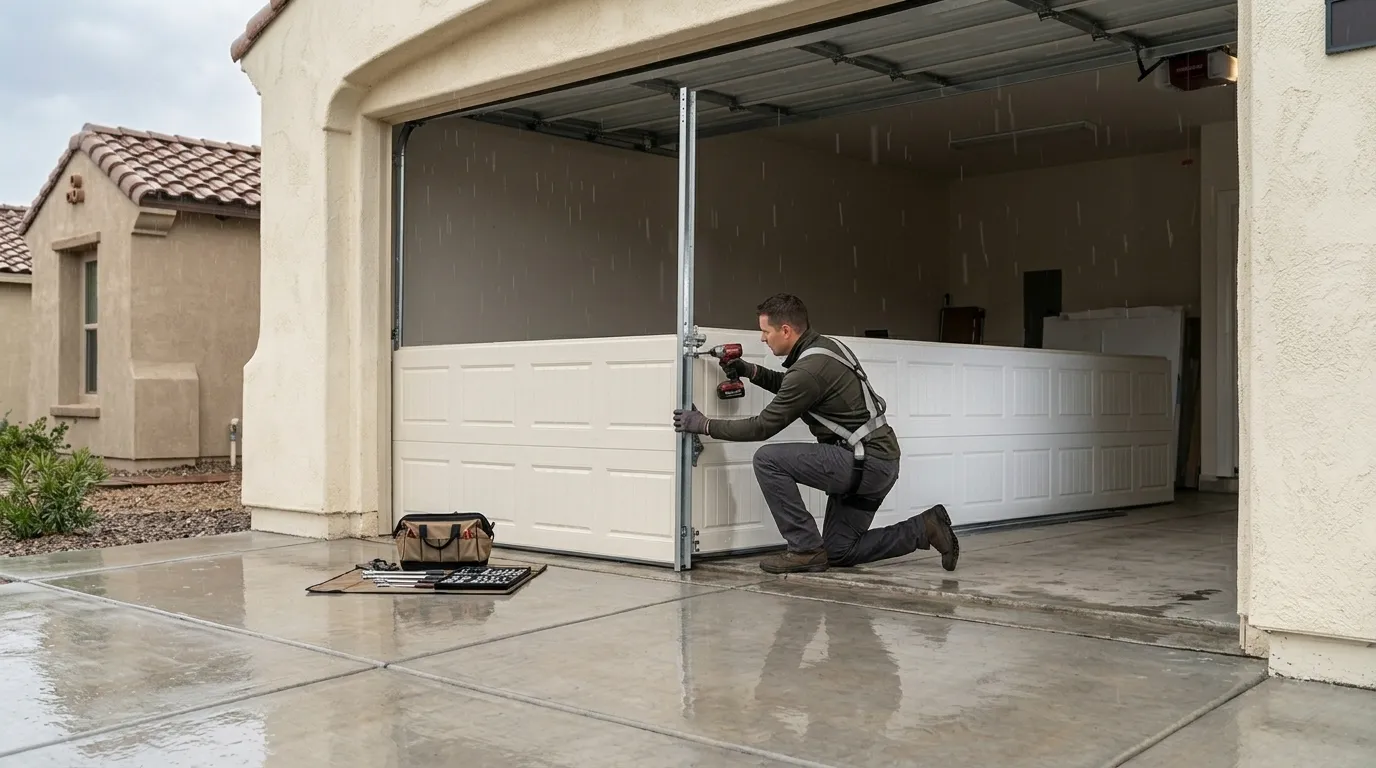
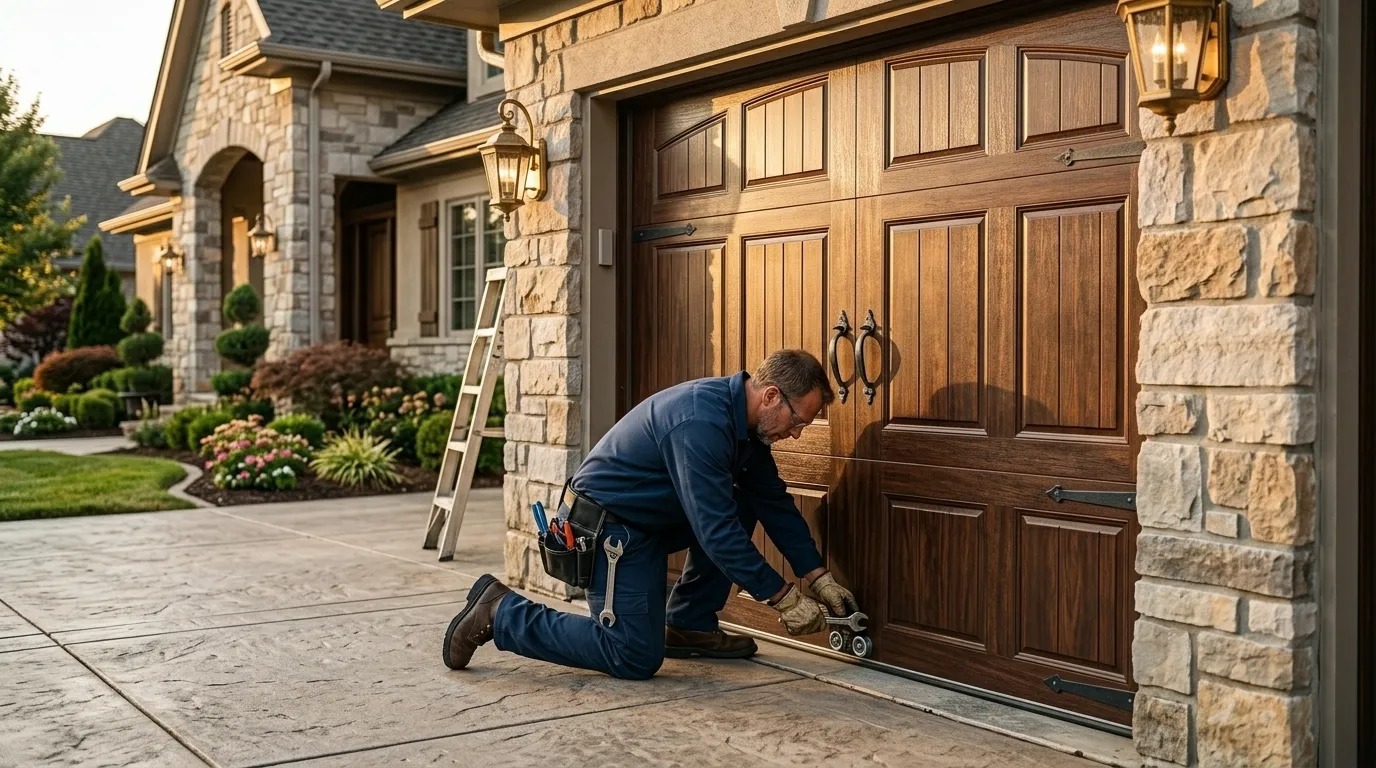
Glen Ellen's housing stock skews older than most of the territory we cover out of Petaluma. The median build year here is 1956, a full decade ahead of the 1966 median across the rest of our service area. That gap matters because it changes what breaks and how it's built. We drive the 9 miles out from Petaluma for spring replacements on doors that still run extension springs stretched along horizontal tracks, not the torsion bars that became standard on later builds. We also see a fair amount of roller and cable wear on doors that have had one or two motorized openers bolted onto original hardware never designed for daily automatic cycling. Panel repair comes up too, since a lot of these doors are wood or early steel single-layer panels that dent and rot differently than the insulated steel doors going into newer construction elsewhere. If your door is original to the house, the fix usually isn't a like-for-like part order - it's matching old geometry with hardware that's still made today.
What That Means for Doors
A door installed around 1956 was almost certainly built for a single-car opening with a manually operated, counterbalanced system - extension springs mounted above the horizontal tracks, not the torsion springs over the header that show up on doors from the 1960s onward. When these get a modern opener added later, the strain often lands on hardware that was never rated for constant motorized use: hinges pull loose, rollers wear oval, and the extension springs themselves can be the wrong tension for the opener's pull. In this mild temperate climate, wood rot and swelling aren't the main threat the way they'd be somewhere with harsh freeze-thaw cycles, but panel warping from decades of sun exposure on an original door is common. The practical result: repairs here take a little longer to diagnose because the parts and geometry aren't standard off a current parts shelf, and a straightforward-sounding spring job can turn into a hardware match-up once we're actually looking at the track.
This Area's Housing
Glen Ellen has roughly 580 households, a small slice next to the 53,399 households and 24,784 owner-occupied houses across the wider territory we serve. The median household income here runs near $213,261, well above the $125,548 median across the rest of our coverage area - and it shows in the doors we're called out to work on, where owners are more often replacing an aging door with something better rather than patching it repeatedly. Housing here sits closer to the older end of the range we see across our 30-plus service communities, most of which were built between 1938 and 1988 with a median around 1966. That earlier build date, combined with the area's mild temperate climate, means less weather damage overall but more age-related wear on original hardware: worn hinges, stretched springs, and tracks that have shifted slightly out of alignment over sixty-plus years of settling.