What You Pay
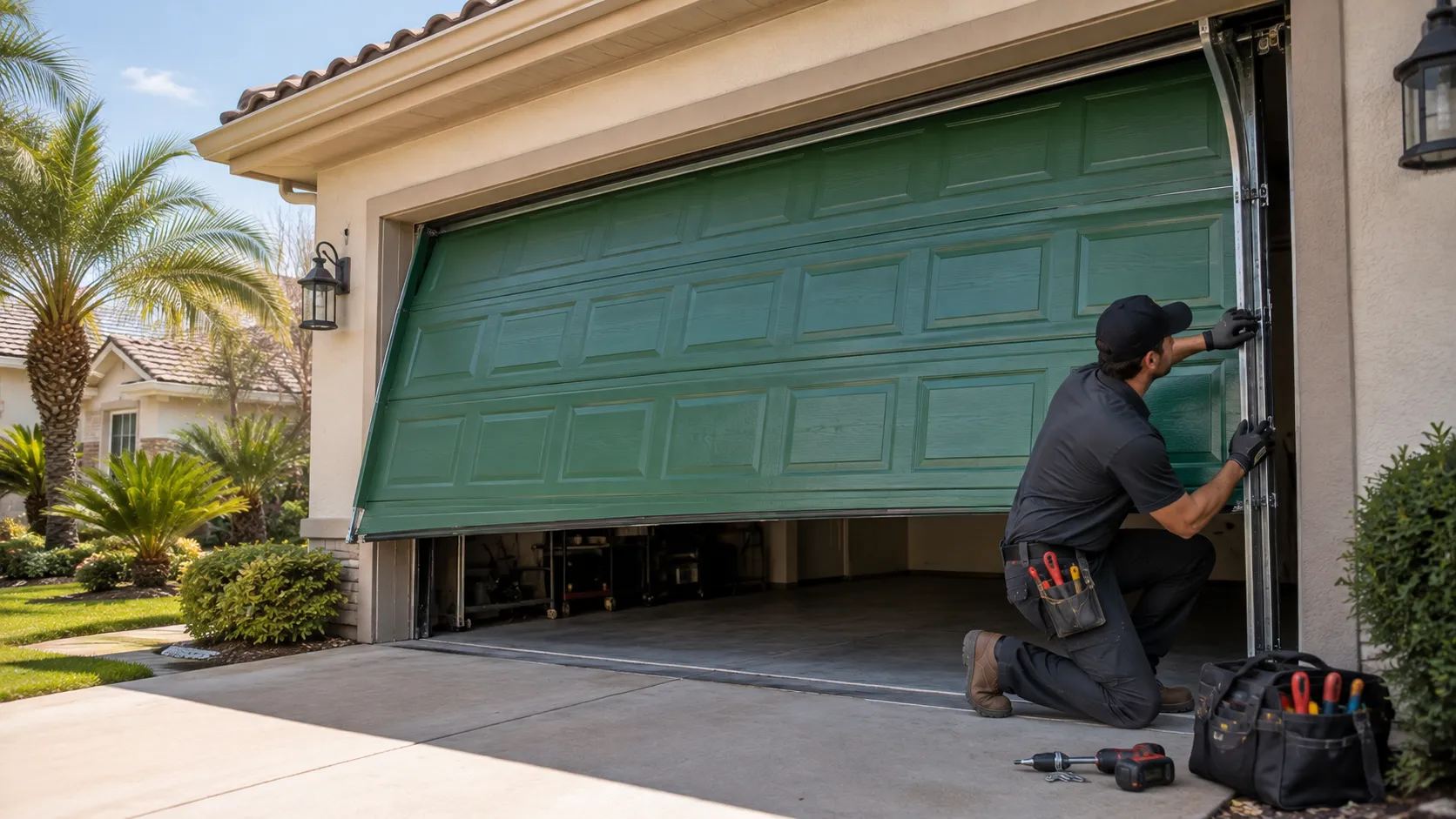
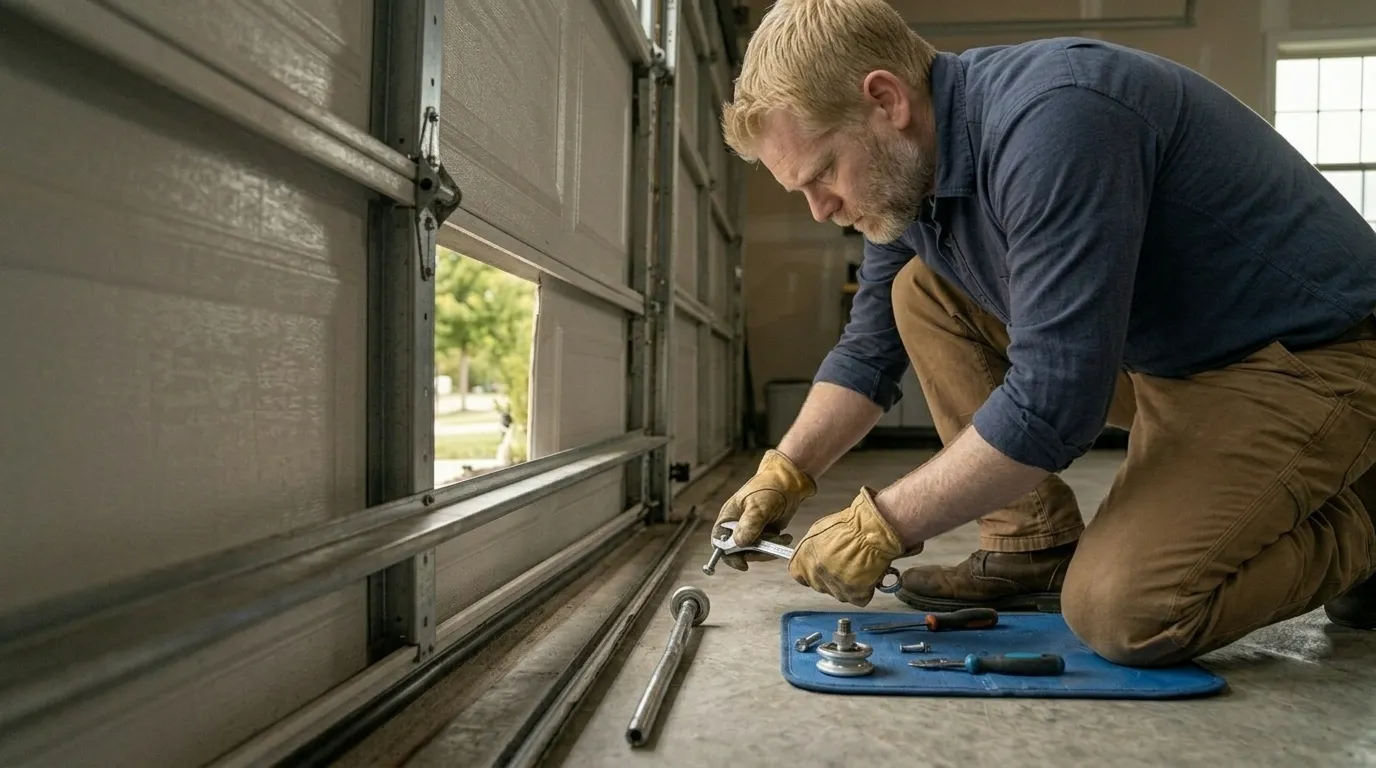
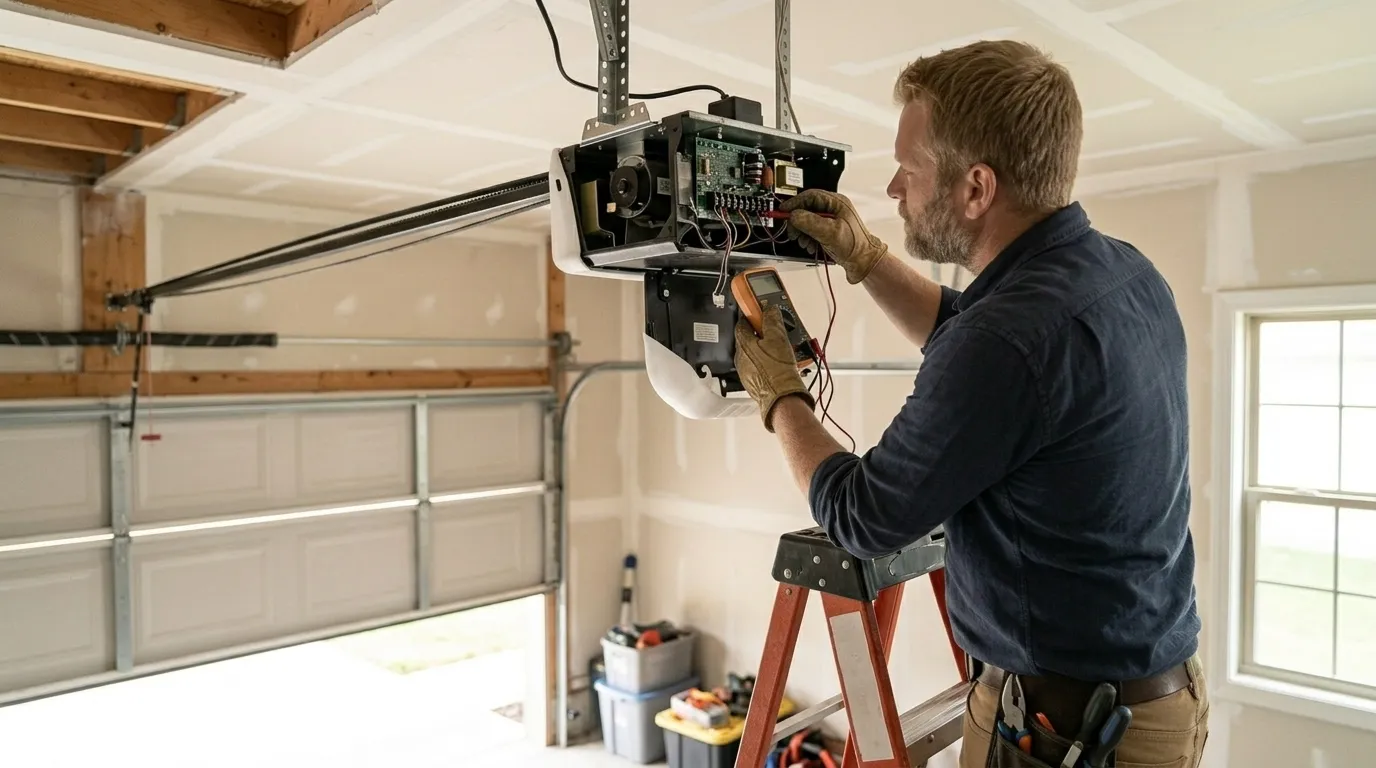
We can't quote a number here without seeing the door, and honestly you shouldn't trust a flat price given sight-unseen for anything with a torsion spring on it. What we can tell you is what drives the number up or down. A single spring swap on a door from the 1960s-70s stock that makes up most of this area is usually the cheapest fix we do. Where it gets expensive is when the track or the drum has warped enough that the door binds, because at that point you're not paying for a spring, you're paying for alignment work and possibly a new track section. Panel replacement on a door built before the 1980s is where things get complicated - a lot of that hardware isn't stocked new anymore, so you're either sourcing a used panel or replacing the section outright. If your opener predates the mid-80s safety-reversal standard, we won't just bolt a new spring onto it and call it done; that's a separate conversation about the opener itself. Ask us for a number after we've looked at the door, not before.
How Local Conditions Play In
Petaluma sits in a mild temperate band, not the freeze-thaw or high-humidity conditions that chew through hardware fast. That's the good news for older doors here - steel track and springs from a 1966-built house haven't been fighting corrosion the way they would somewhere with hard winters or coastal salt air. What does wear parts down here is just cycle count over sixty-odd years: rollers, hinges, and cable have simply run their course, not been destroyed by weather. That's actually a point in favor of repair over replacement for a lot of these doors - the panel steel itself has usually held up fine, so if the track, springs, and hardware get serviced, the door underneath can keep going. Compare that to homes in the surrounding smaller communities out toward Penngrove or Two Rock-adjacent county land, where similar-era doors face the same mild coastal air and show the same pattern: it's wear, not weather damage, doing the work.
The Situation
Across the roughly 24,784 owner-occupied houses in this service area, most built in that same 1938-1988 stretch, we see the same decision play out over and over. A door with its original frame and panel, showing wear only in the moving parts - springs, rollers, cable, maybe the opener - is almost always worth fixing. A door where the panel has rusted through at the bottom, the track is bent from a car backing into it, or the frame itself has shifted with the house, usually isn't; you'd be putting new hardware on a door that's already failing structurally. With median household income in this area at $125,548, most owners can go either way financially, so the decision usually comes down to the door itself, not the budget. If you're not sure which category yours falls into, that's a five-minute look, not a sales pitch.