What You Pay
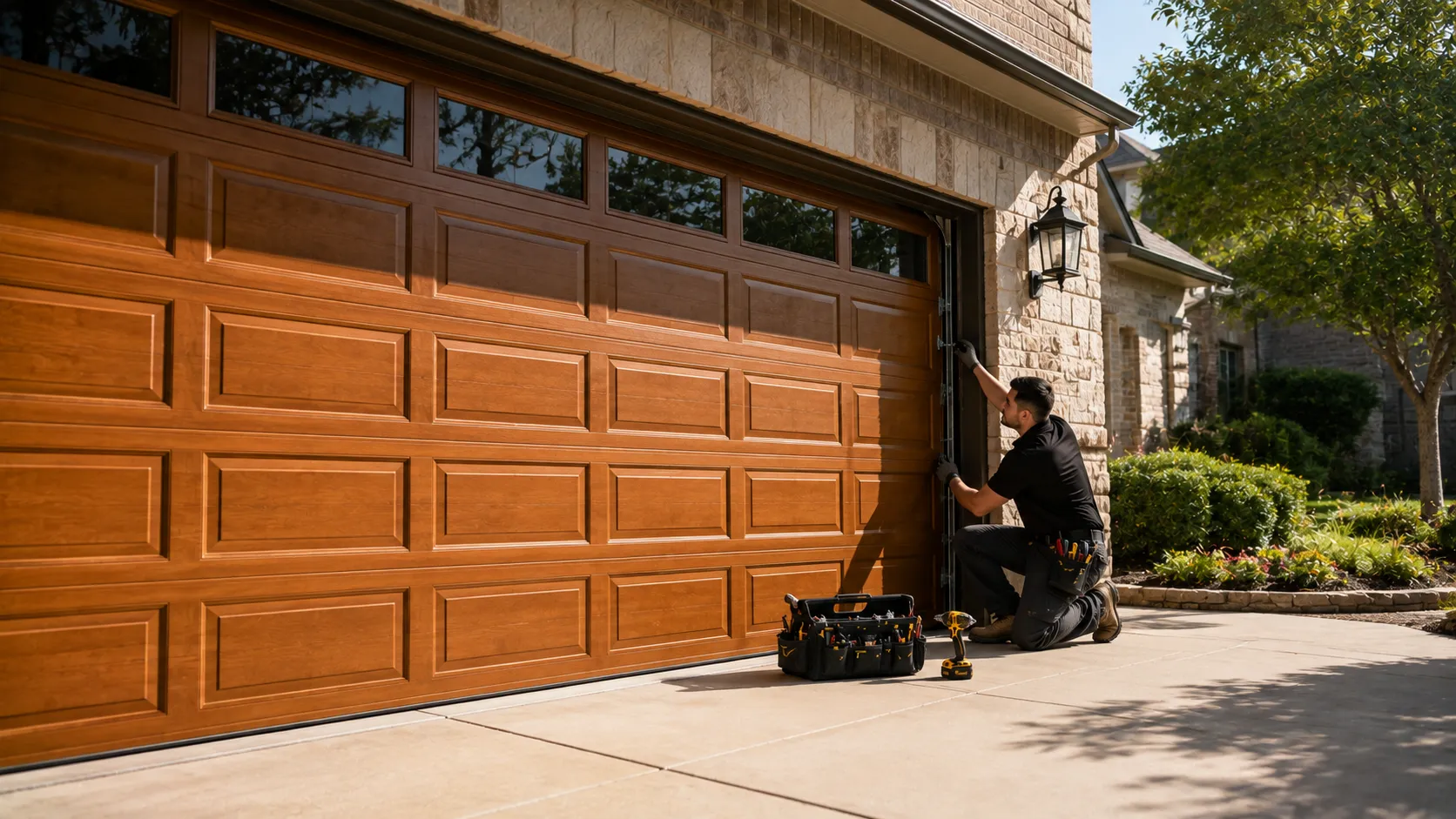
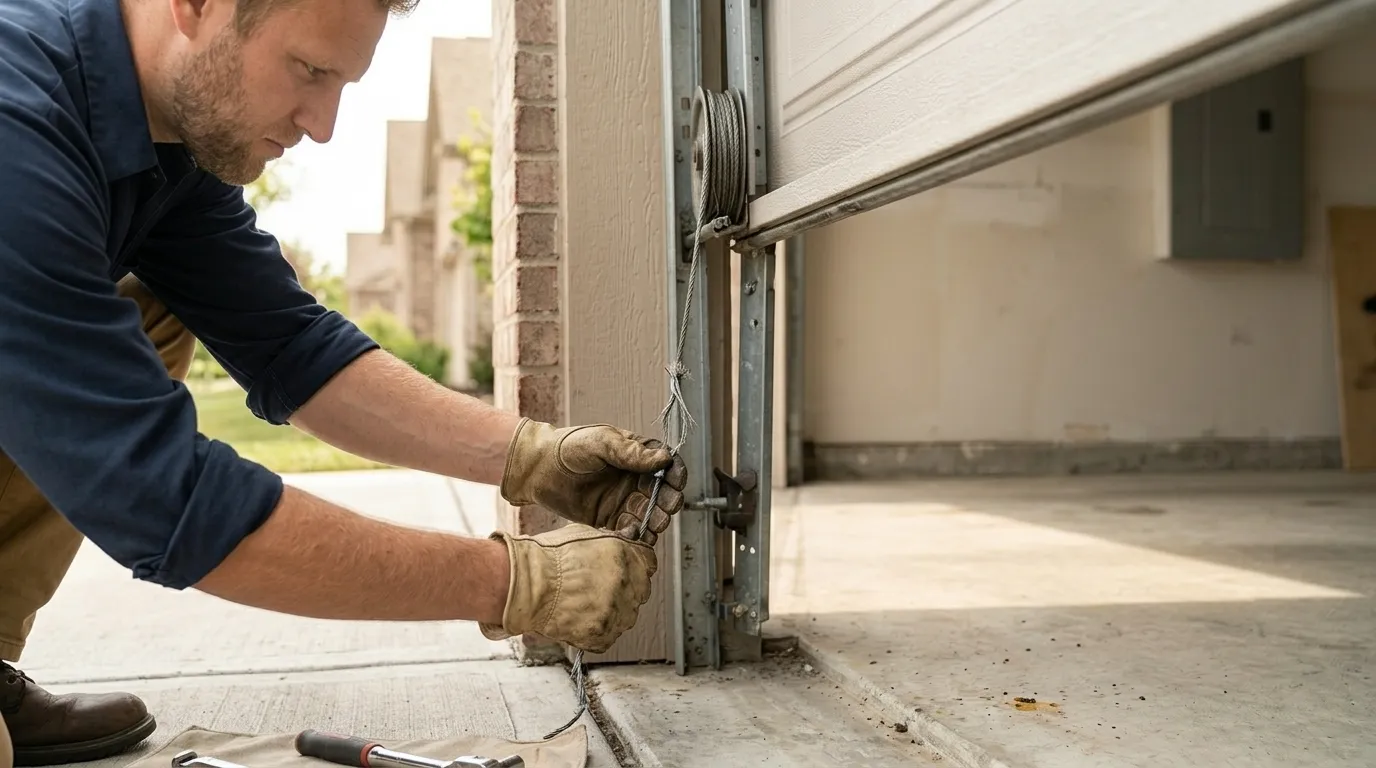
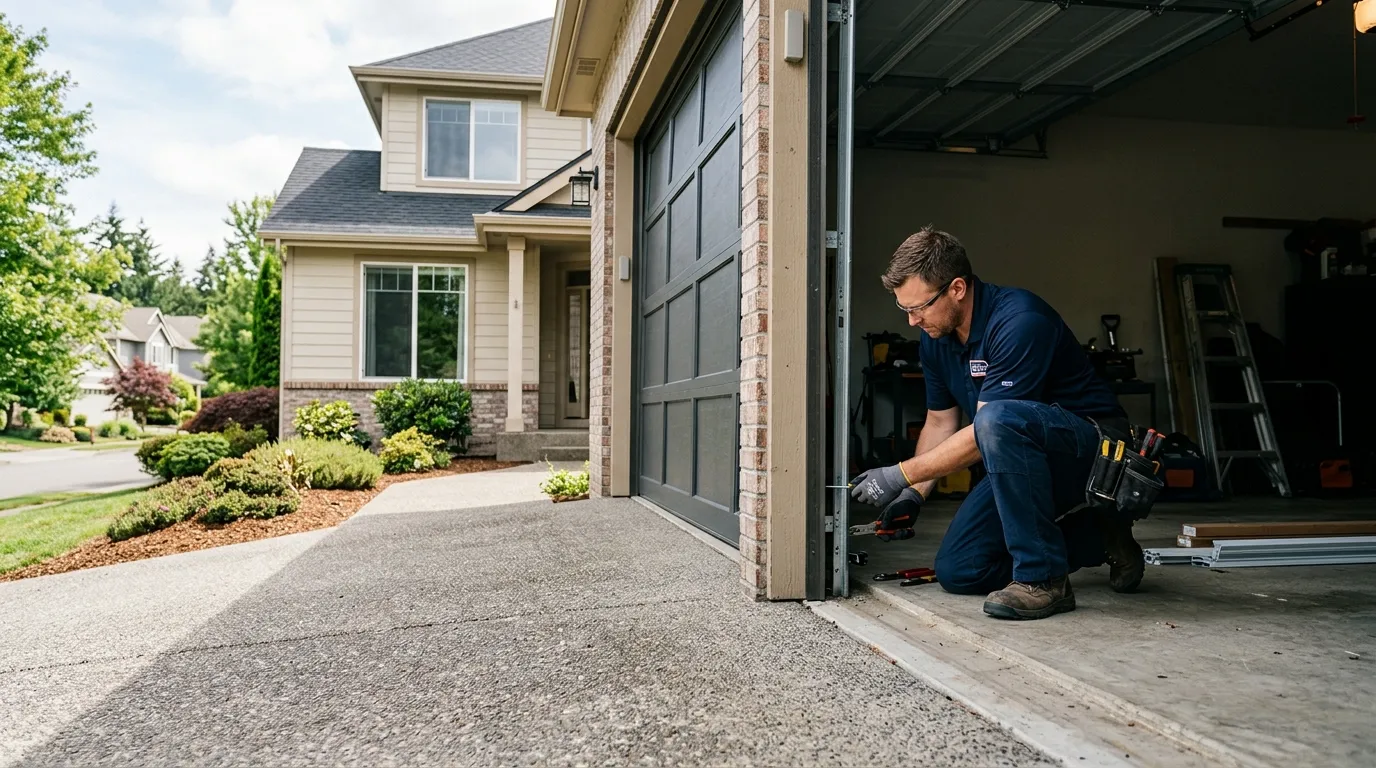
We won't quote you a number here, because what you pay depends on what's actually in your opening, and we haven't seen it. What we can tell you is what drives the cost up or down in this area. Petaluma's housing stock runs 1938 to 1988, with the median build year at 1966. A lot of garages from that era were framed for narrower single doors or for double-door openings that don't match the stock sizes carried by most manufacturers today. If your opening is original, a straight swap often isn't straight at all - you're either special-ordering a size or modifying framing, and both add labor and lead time beyond a standard install. Median household income across the service area sits at $125,548, and we see that reflected in the mix of jobs: more owners choosing insulated steel or wood-look composite over the cheapest option, fewer choosing bare minimum doors just to get by. The honest limitation: we can't give you a firm number without measuring your track, headroom, and opening. Anyone who quotes you a price over the phone for an older Petaluma garage hasn't seen your garage.
How Local Conditions Play In
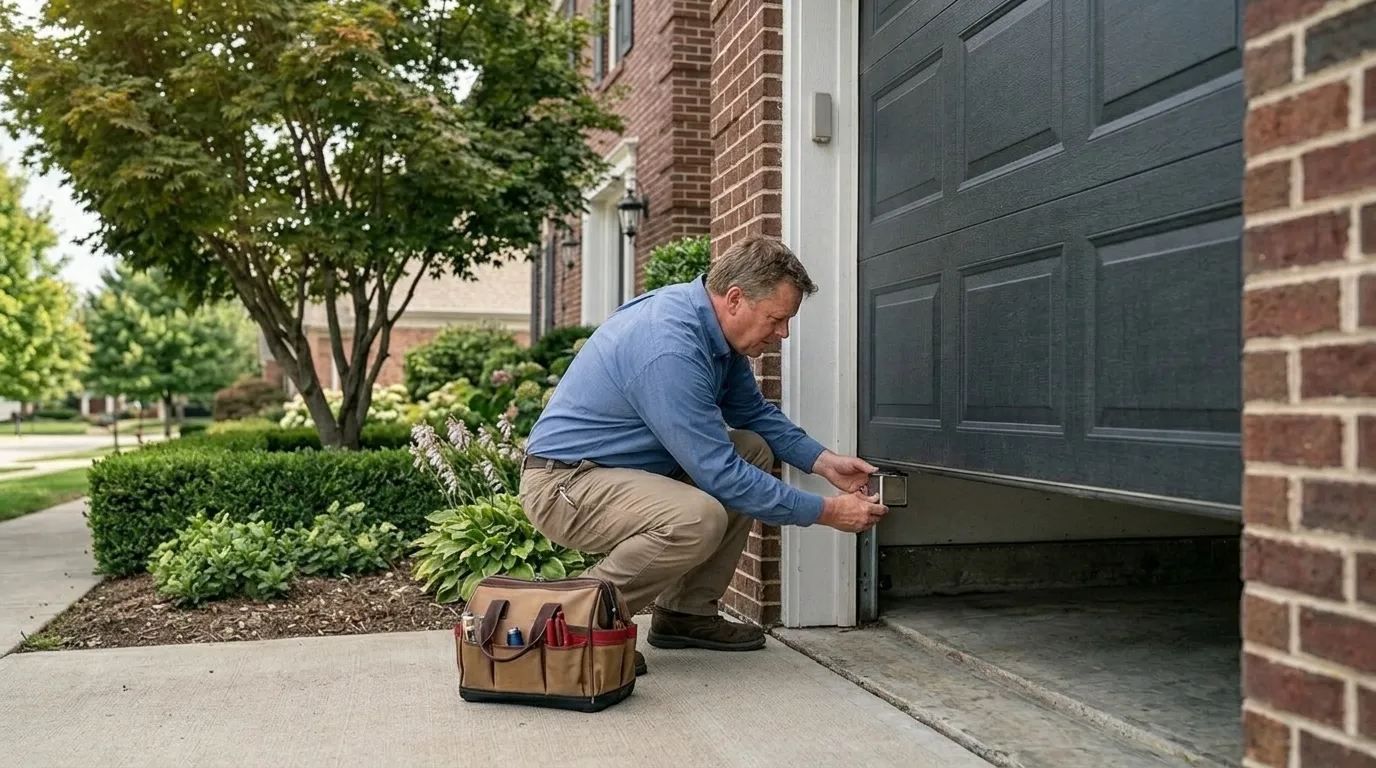
Petaluma sits in a mild temperate band - no extreme heat that warps panels, no hard freezes that crack seals or seize springs. That changes the calculus on material choice compared to markets that deal with real temperature swings. You don't need the heaviest insulation package to keep a garage usable here, and you're not fighting seasonal expansion and contraction the way a door in a harsher climate would. That doesn't mean any door works. It means the deciding factor for most owners here isn't climate performance, it's matching the door to a house built decades before current standard sizing existed. We still recommend a decent insulation package if you're using the garage as a workspace or the door backs onto a living space, but it's a comfort call, not a survival one. If someone tells you that you need triple-layer steel to survive a Petaluma winter, that's not information specific to this area - it's a line that works anywhere.
The Situation
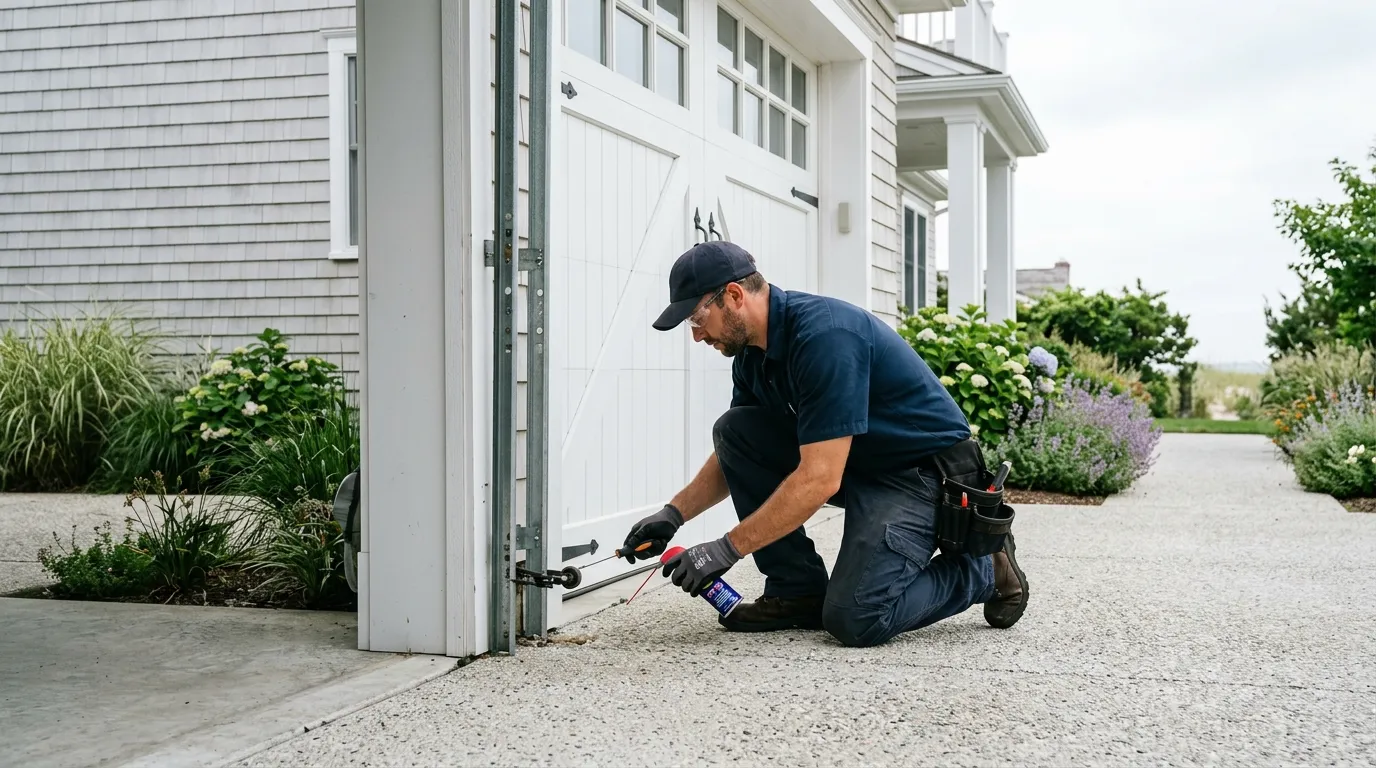
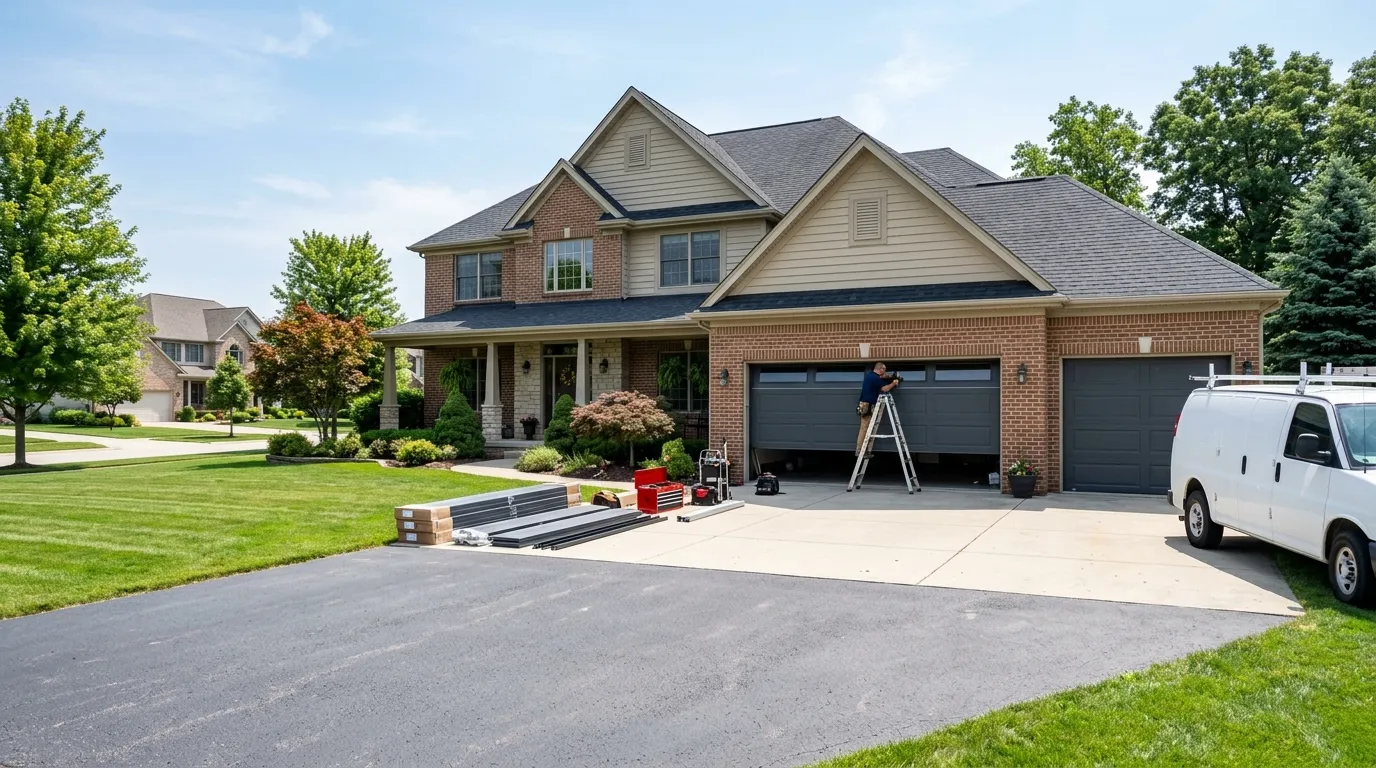
We work across a service area that includes 53,399 households, with 24,784 of those owner-occupied houses - a base that skews toward established single-family homes rather than new construction, which lines up with the 1938-1988 build range. That's part of why replacement work here looks different than in a newer subdivision: you're rarely dealing with a standard modern opening. The service area stretches out toward Penngrove, about 5 miles off, and out to Cotati and Rohnert Park in the 7-to-8 mile range, with smaller communities like Boyes Hot Springs, Glen Ellen, and Eldridge sitting around 9 miles out. Housing age and opening sizes shift as you move through these areas, but the core pattern - older stock, non-standard openings, side-mount hardware from the 60s and 70s - holds across most of them. If you're buying a replacement door here, the first real question isn't which door looks best. It's whether your existing opening and track setup will take a standard unit, or whether you're paying for a custom fit before you even pick a color.