What We Do Most in This Area
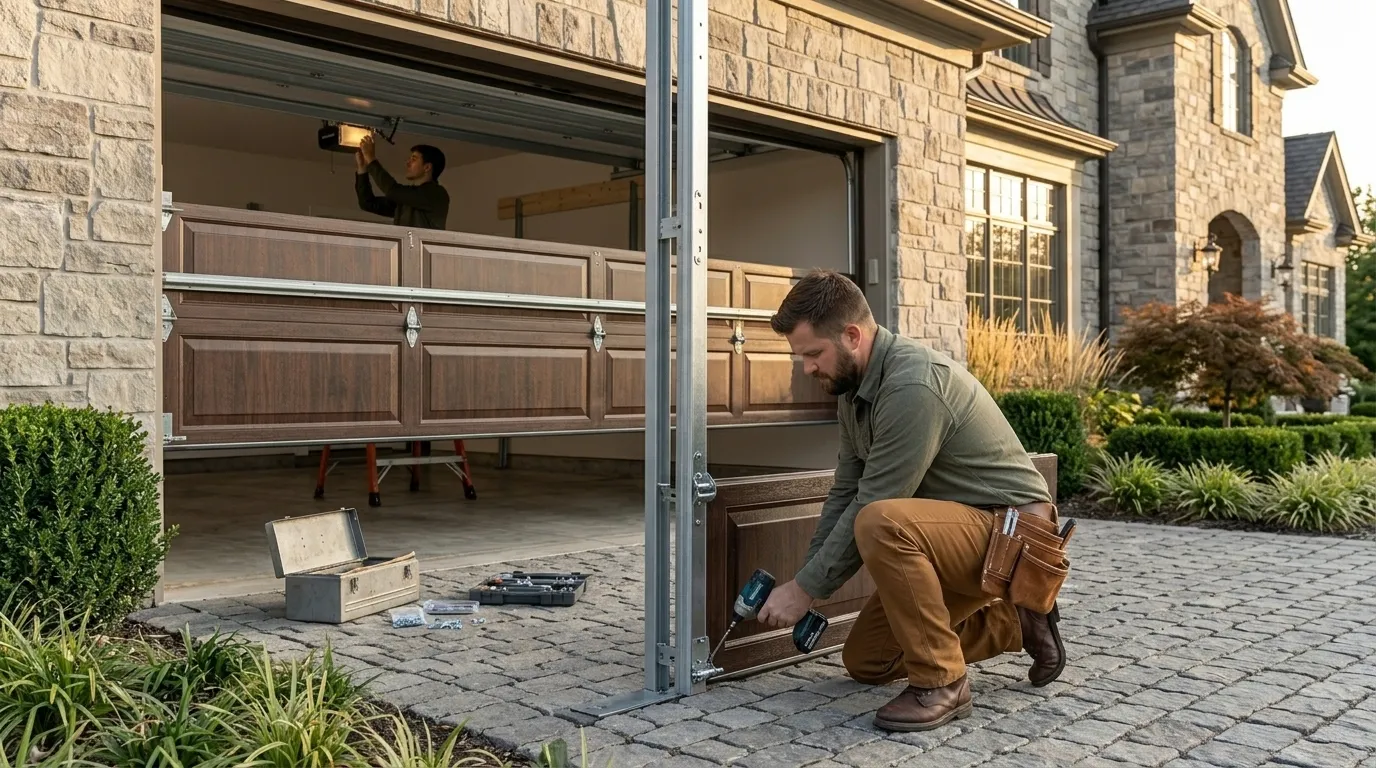
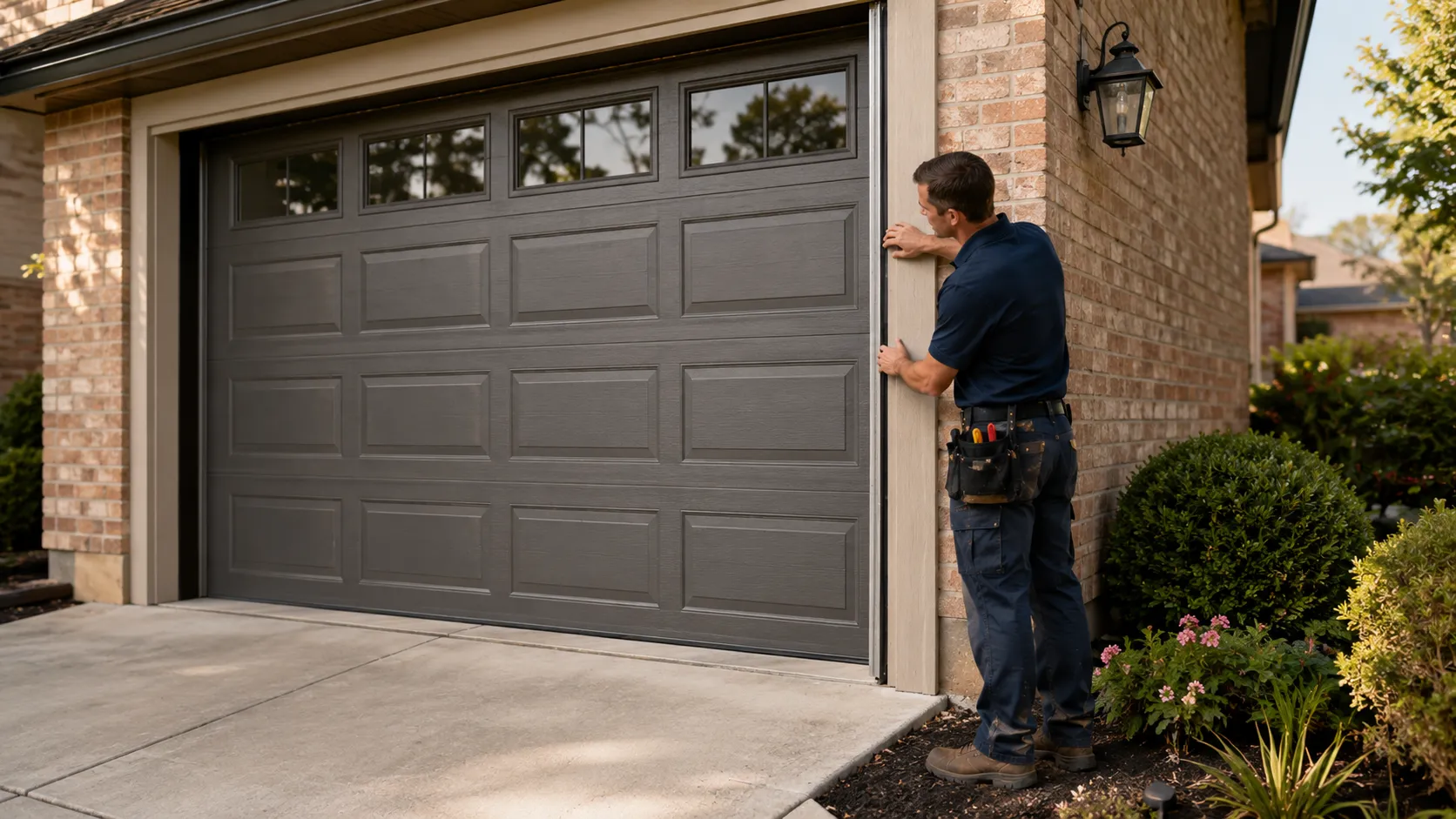
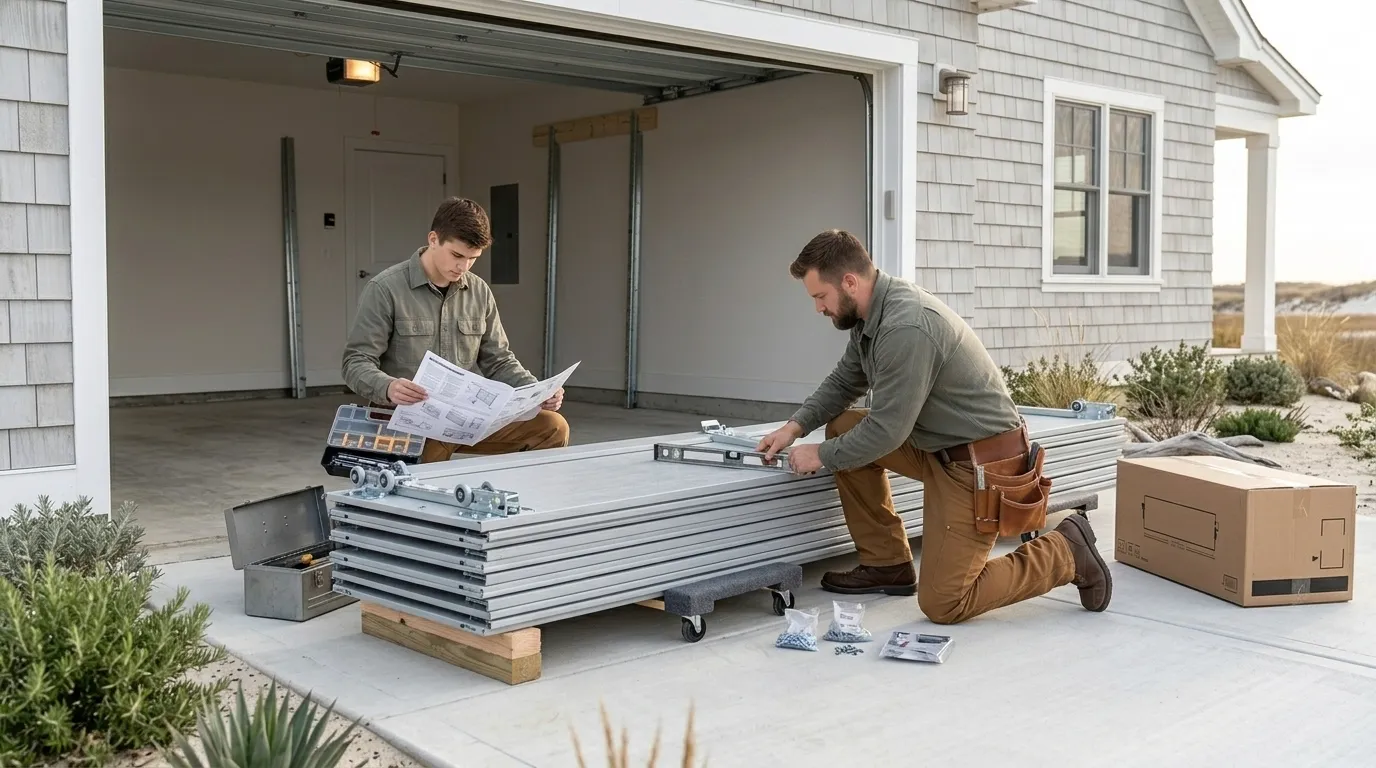
Fulton's housing stock centers on 1946, which puts it a solid two decades ahead of the 1966 median across the rest of our coverage area. That gap shows up in the calls we get. We're pulling old extension springs off wood door jambs more often here than in the newer subdivisions closer to Petaluma, and we're replacing hardware that was never designed for a modern opener's pull weight. Panel sizes also run smaller and narrower than what you'd find in a 1970s tract house, so a standard big-box replacement door doesn't always drop into the opening without some jamb work first.
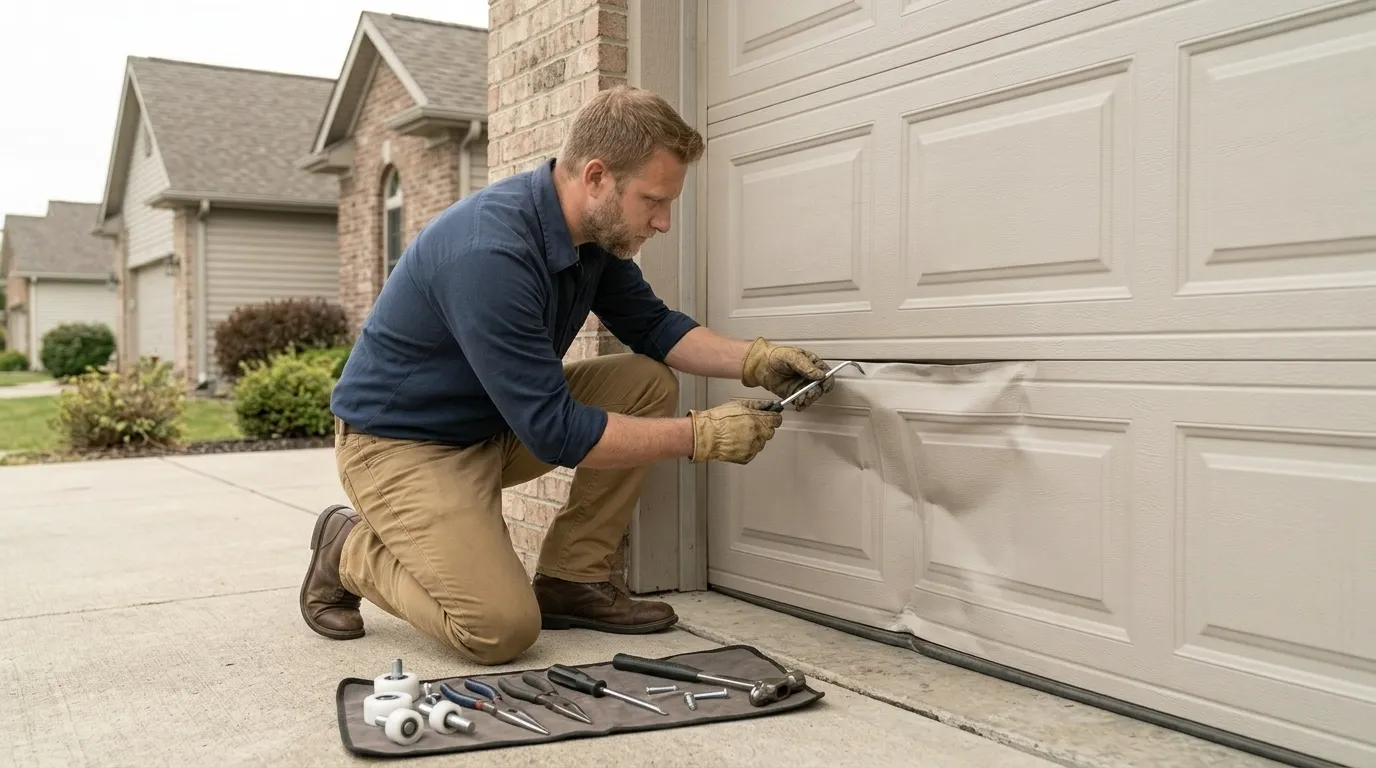
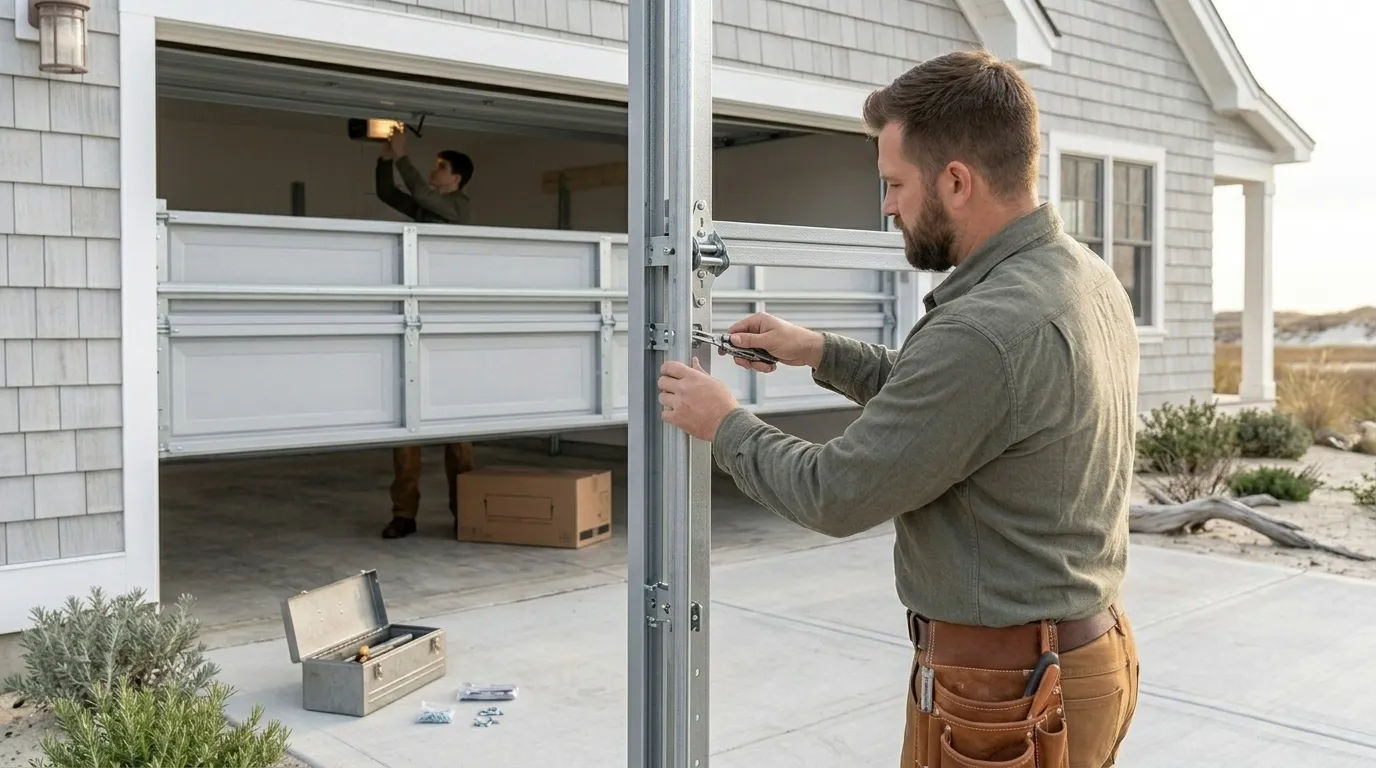
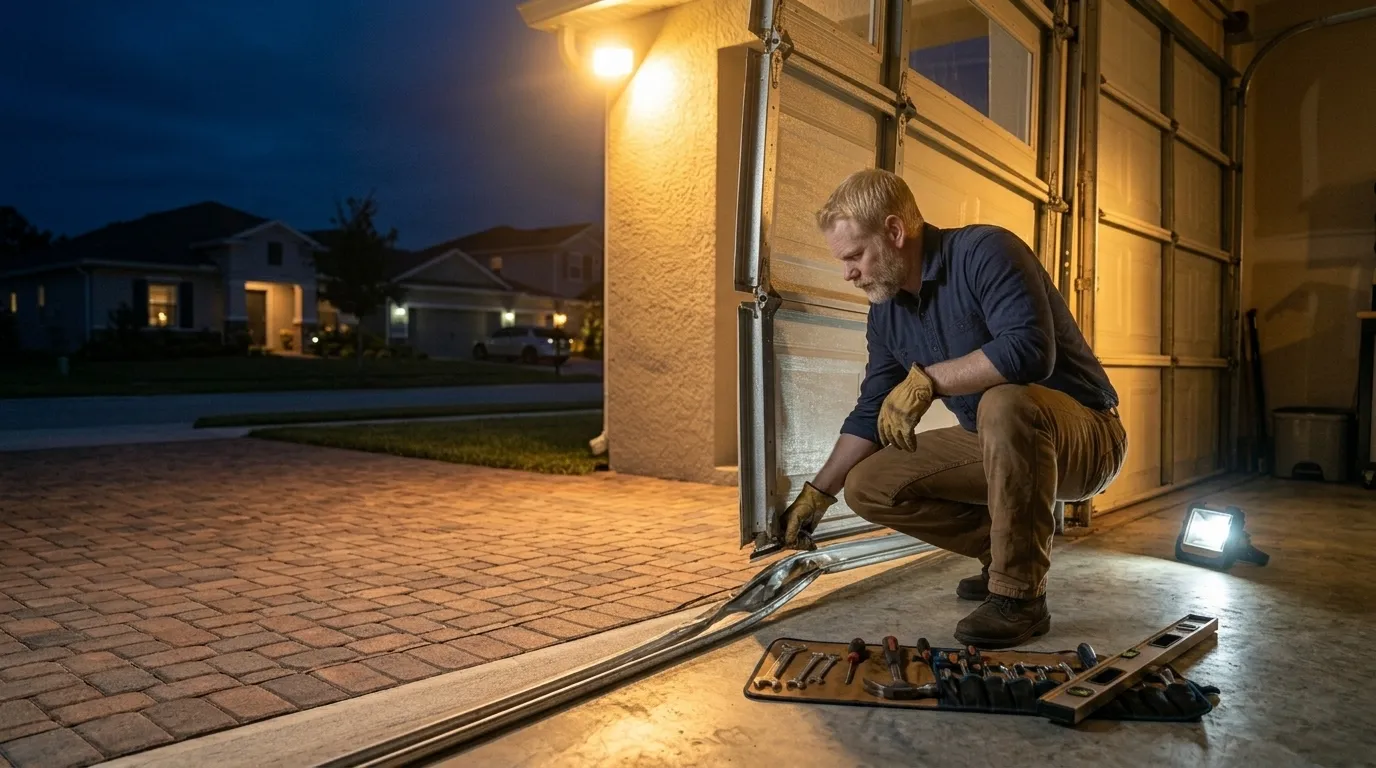
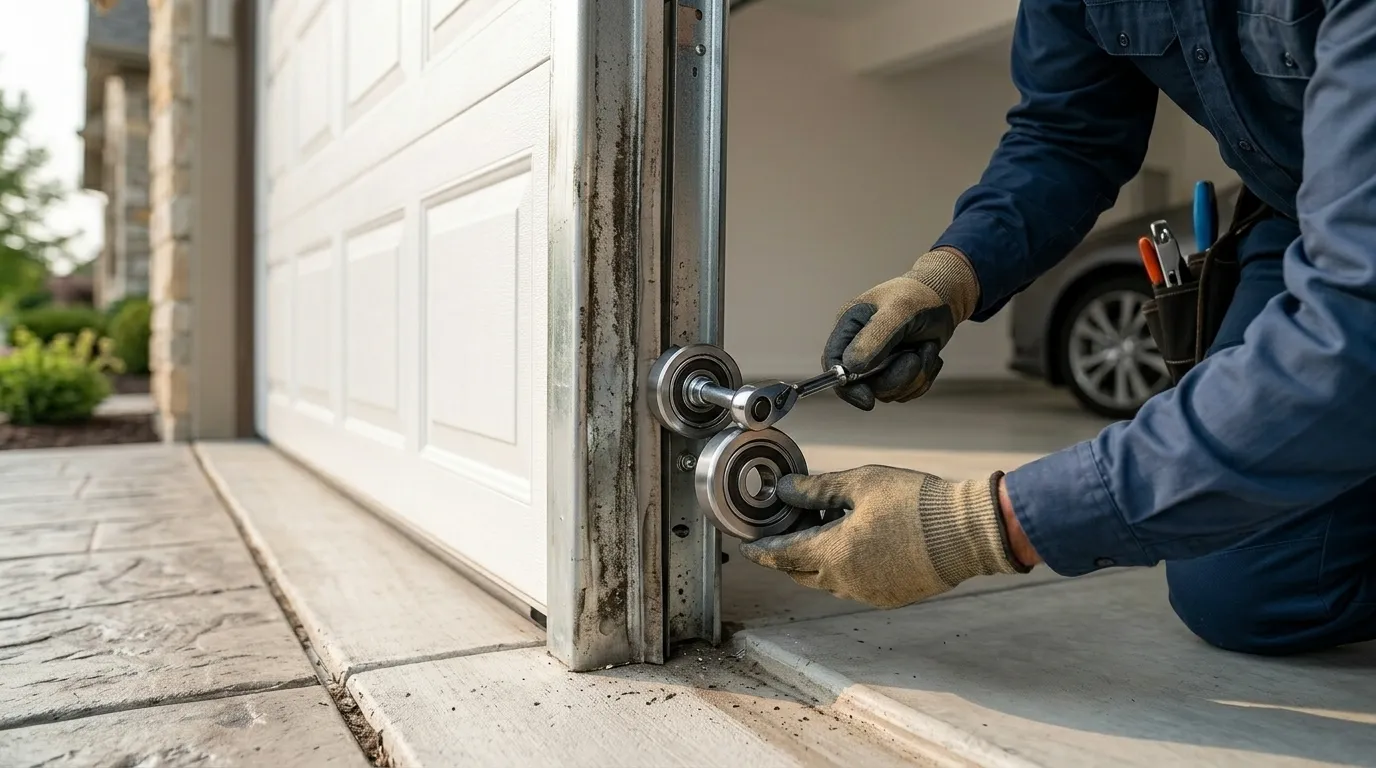
With 224 households in Fulton, it's a small area, and a lot of these homes have had one or two garage door swaps since 1946 - sometimes a good fit, sometimes a door hung on hardware it was never matched to. We see springs sized wrong for the door, tracks bent from decades of manual operation before an opener was added later, and cables frayed on drums that don't match current door weight standards. Median household income here is $166,336, well above the $125,548 figure for the broader service area, and it tends to mean owners want the repair done right the first time rather than patched.
What That Means for Doors
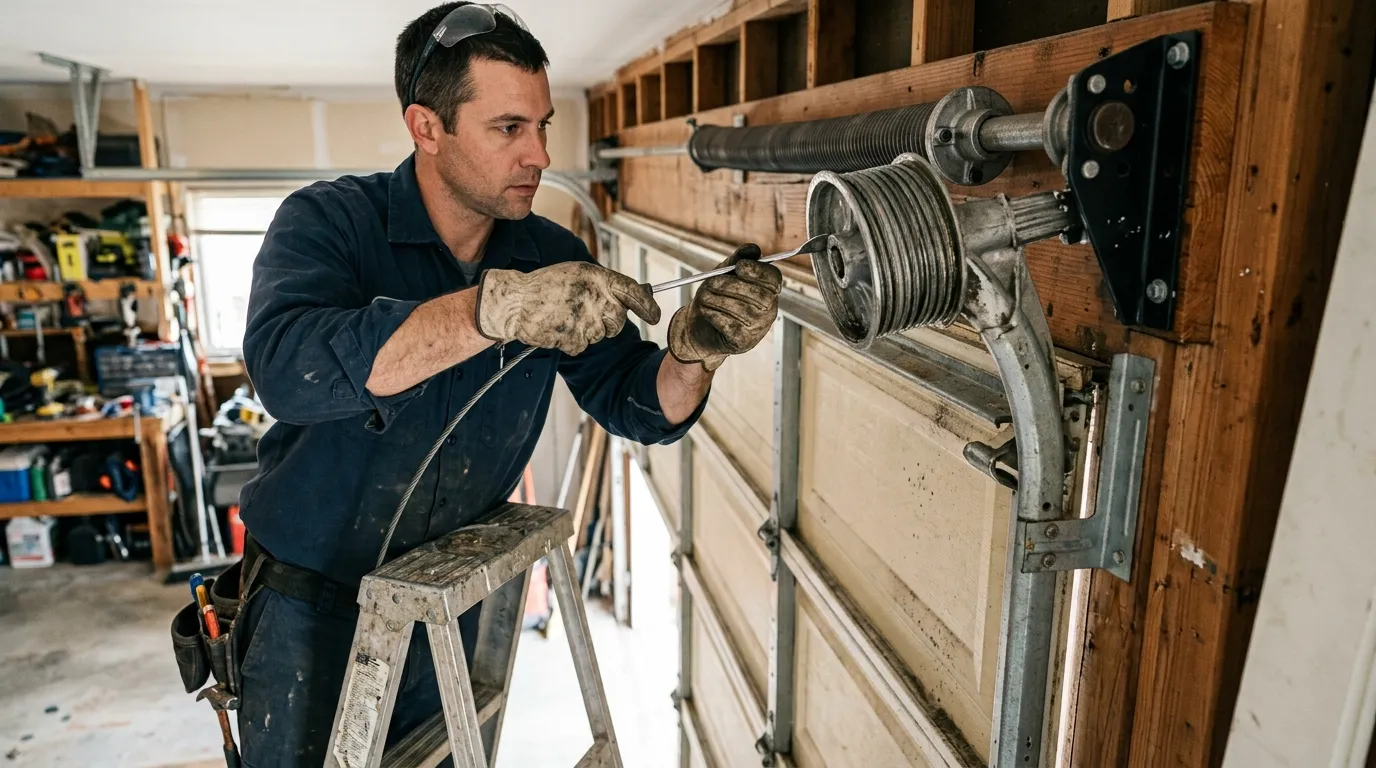
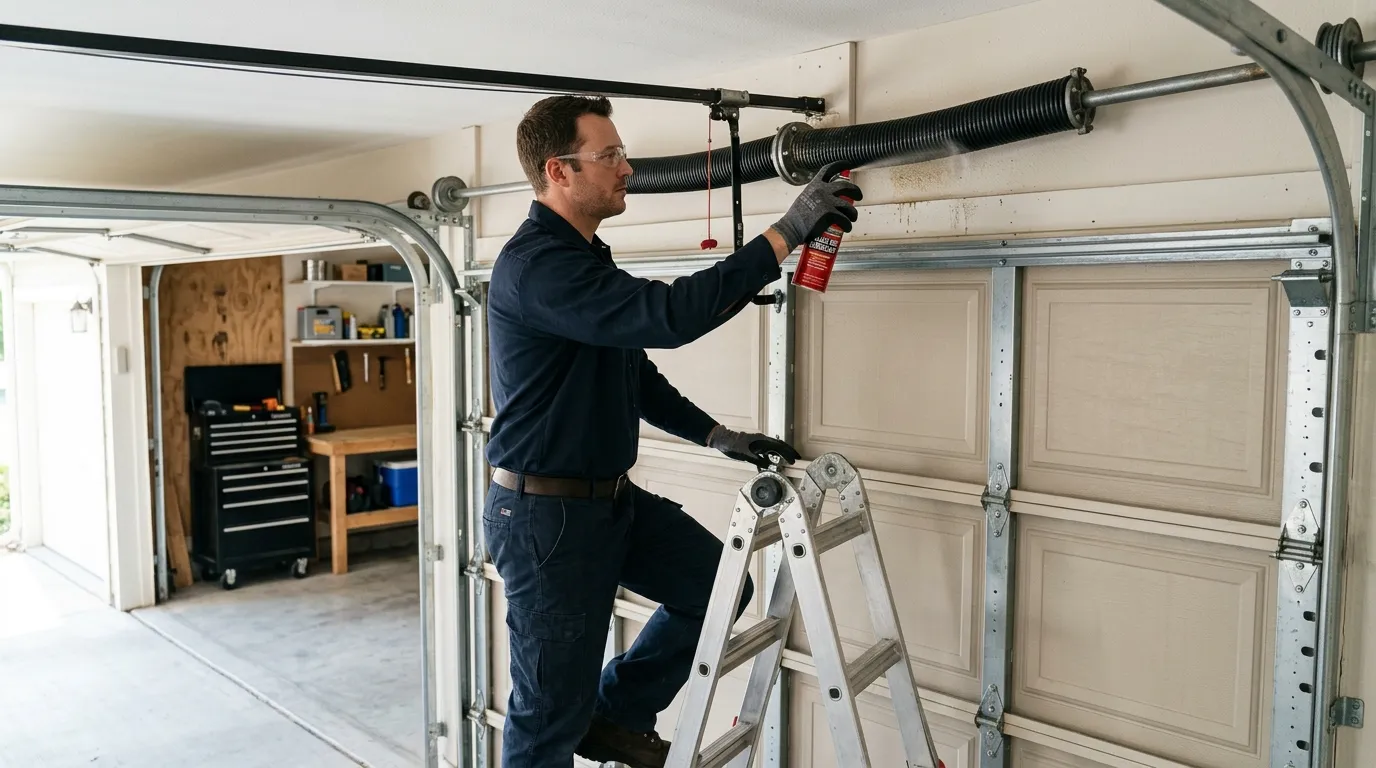
A garage built around 1946 almost never came with the torsion spring setup you'd expect on a house from the 1960s or 70s. Extension springs mounted along the horizontal track were standard then, and a lot of Fulton doors still run that way, sometimes with the original springs replaced piecemeal over the decades and sometimes with mismatched parts from different eras bolted onto the same door.
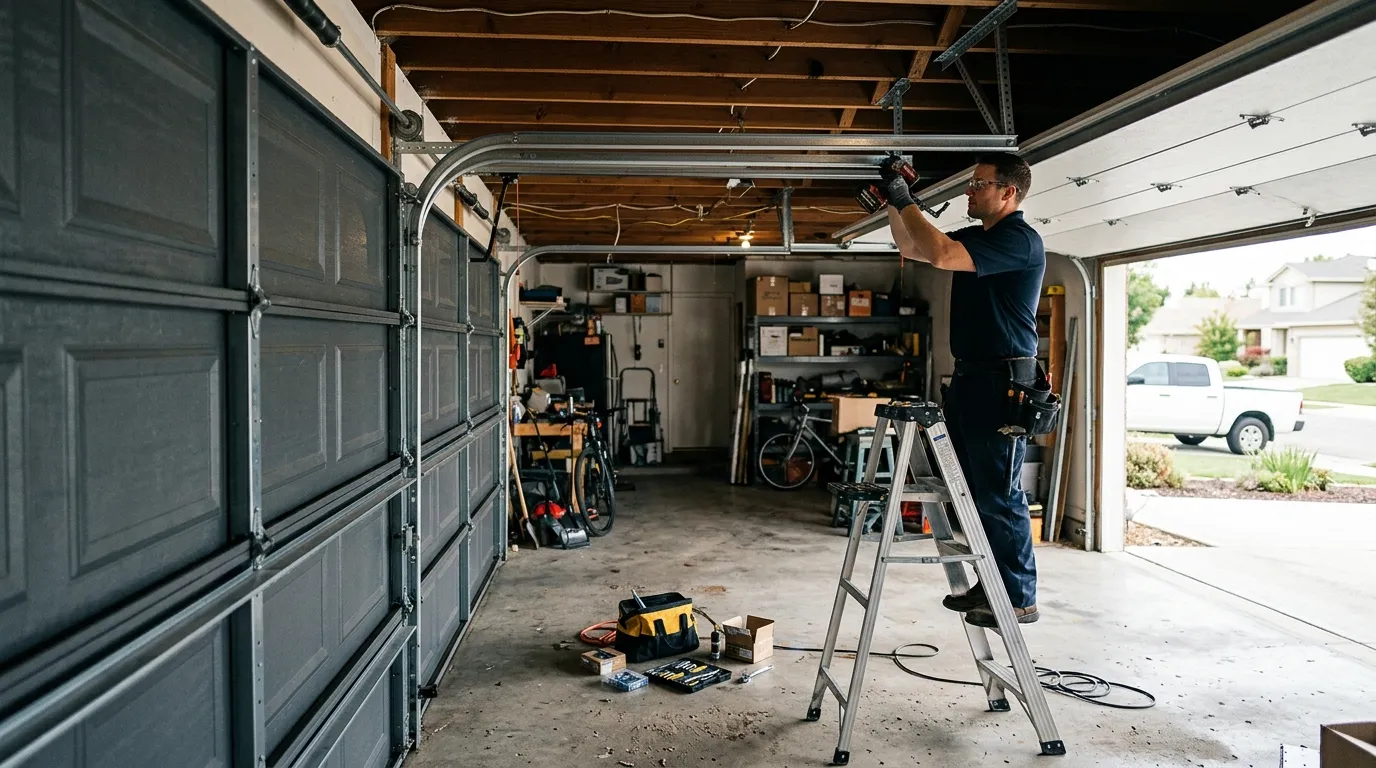
That matters for a few reasons. Extension spring systems don't fail the same way torsion springs do, and they need different safety cables to keep a broken spring from becoming a projectile. If your opener was added after the original door - which is common on a home this old - the motor may be working against a spring balance that was never adjusted to match, which shortens the life of the drive gear and burns out the opener faster than it should. Fixing that isn't complicated, but it starts with checking the balance and spring sizing against what the door actually weighs now, not what a catalog spec sheet says it should weigh.
This Area's Housing
Fulton sits about 19 miles from our shop in Petaluma, tucked among smaller unincorporated communities rather than large subdivisions. The 1946 median build year makes it one of the older pockets in a coverage area where most houses were framed between 1938 and 1988, with the bulk of that stock landing in the 1960s and 70s. That difference is the whole story here - Fulton's doors, garages, and openers are aging on a different clock than what we see in the newer parts of our territory.
The area's mild temperate climate means we're not dealing with frost-heave foundations or extreme humidity swings that warp wood jambs the way a harsher climate would. That's one thing working in these older doors' favor - the wood and hardware have held up reasonably well given the age. With only 224 households in Fulton, this is one of the smaller areas we cover, and the housing here skews toward long-term owners rather than frequent turnover, which usually means original hardware has stayed in place longer than it would in a rental-heavy area.