Doing It Yourself
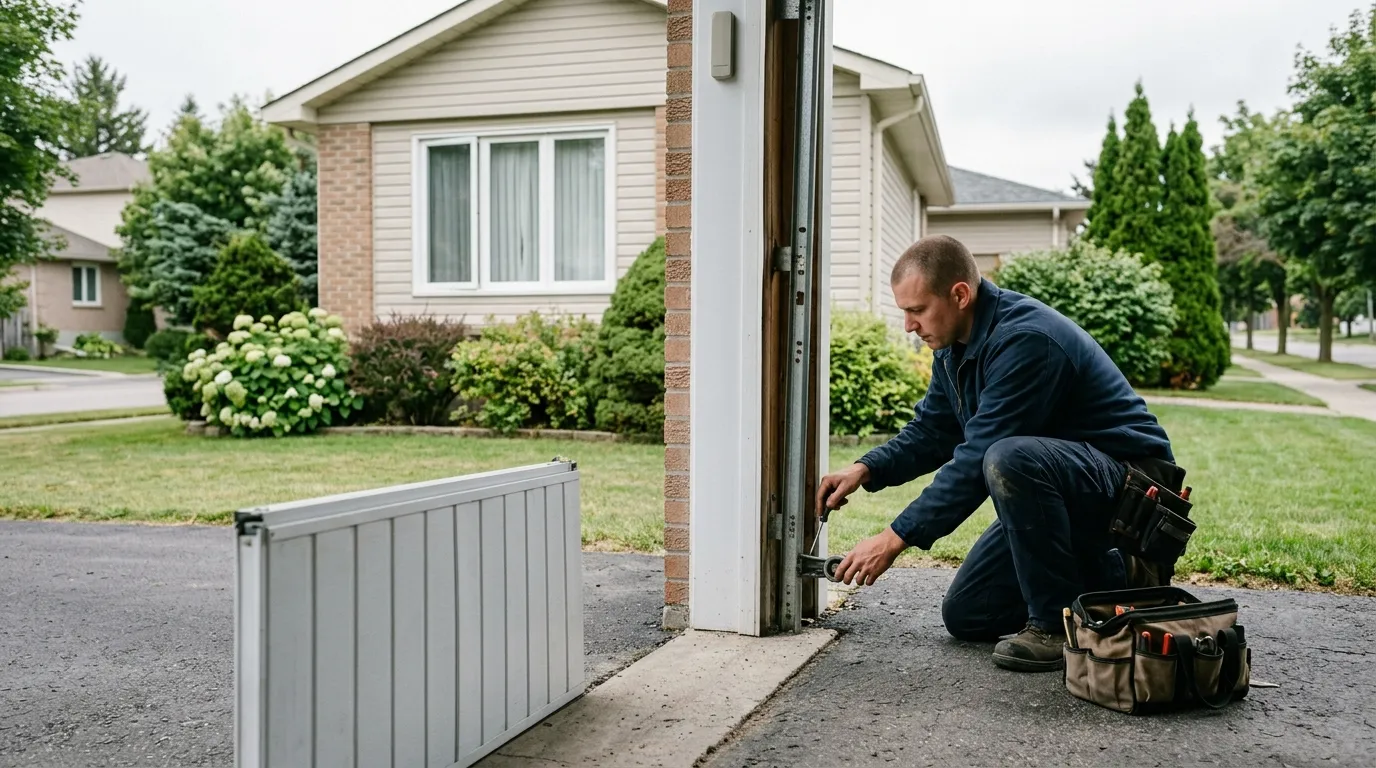
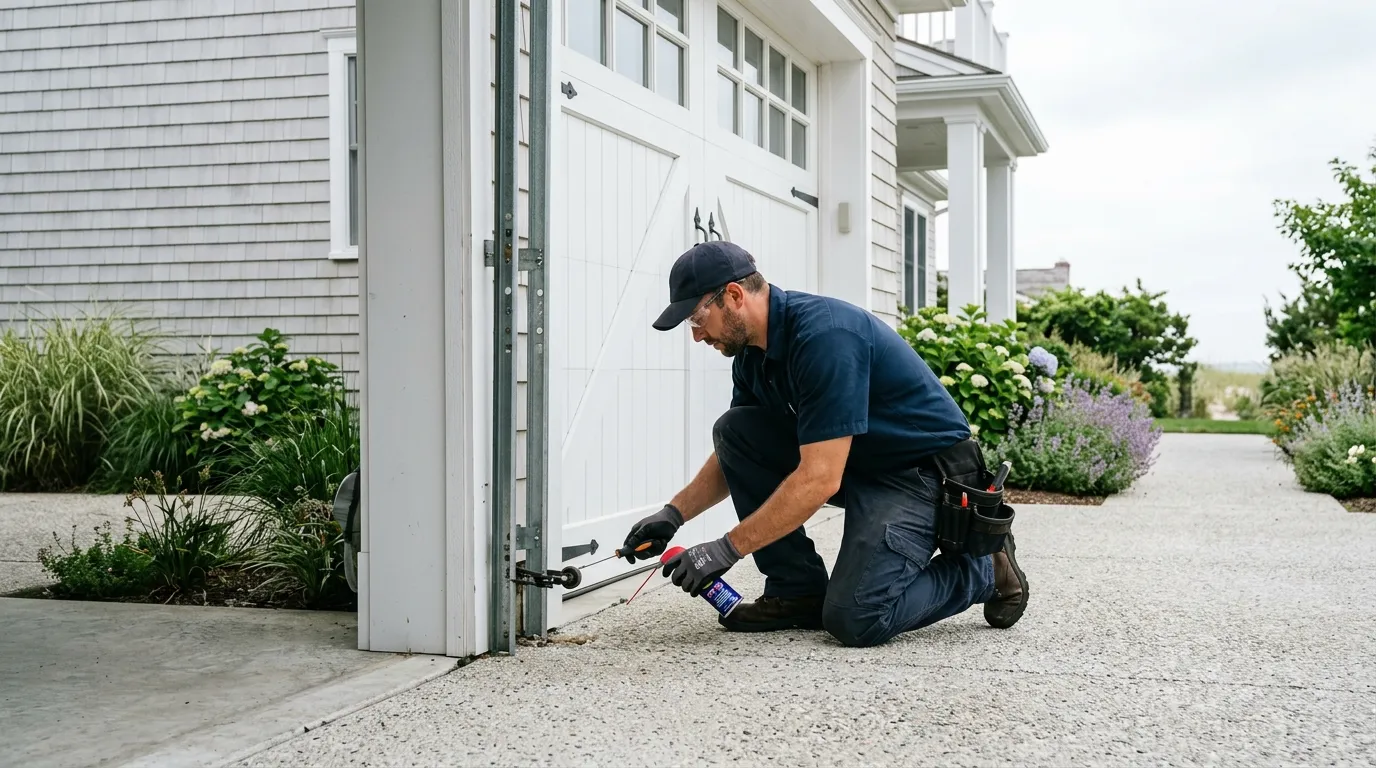
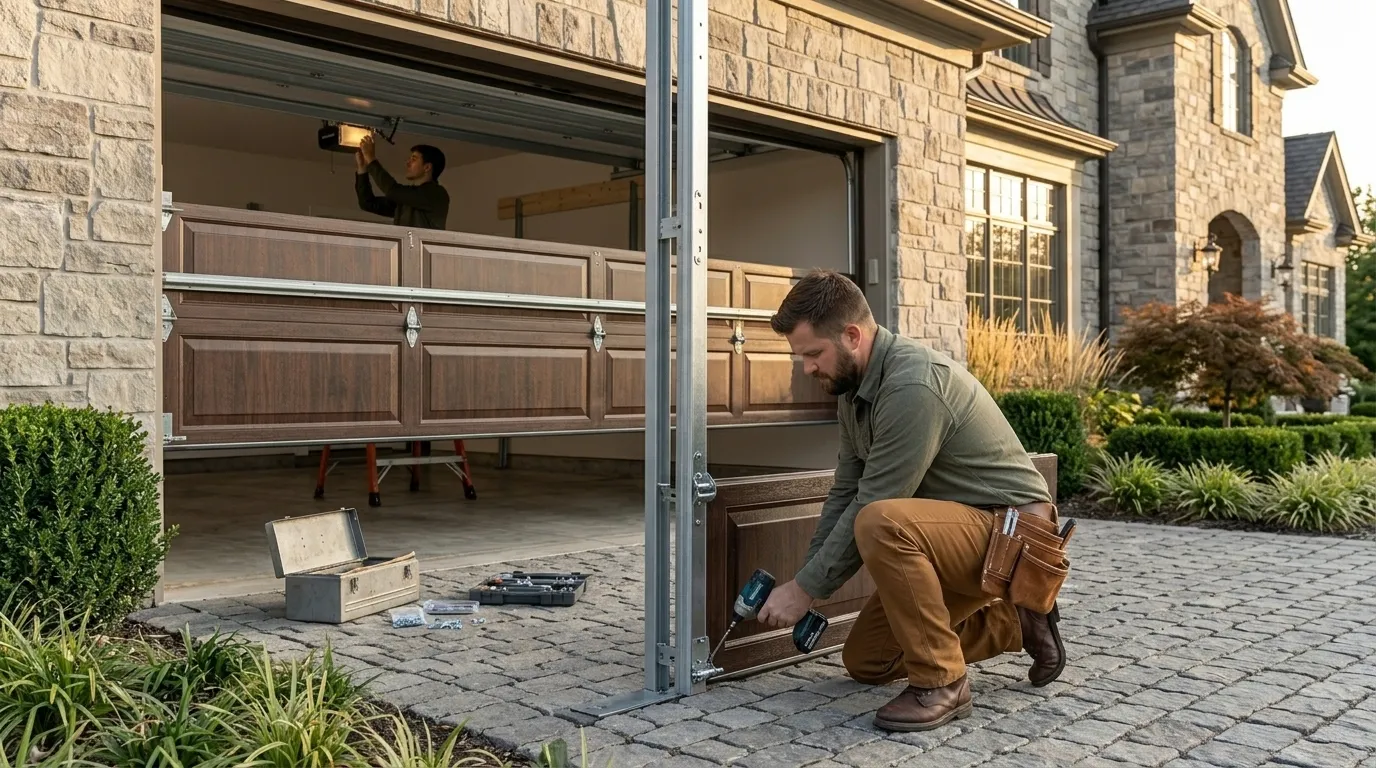
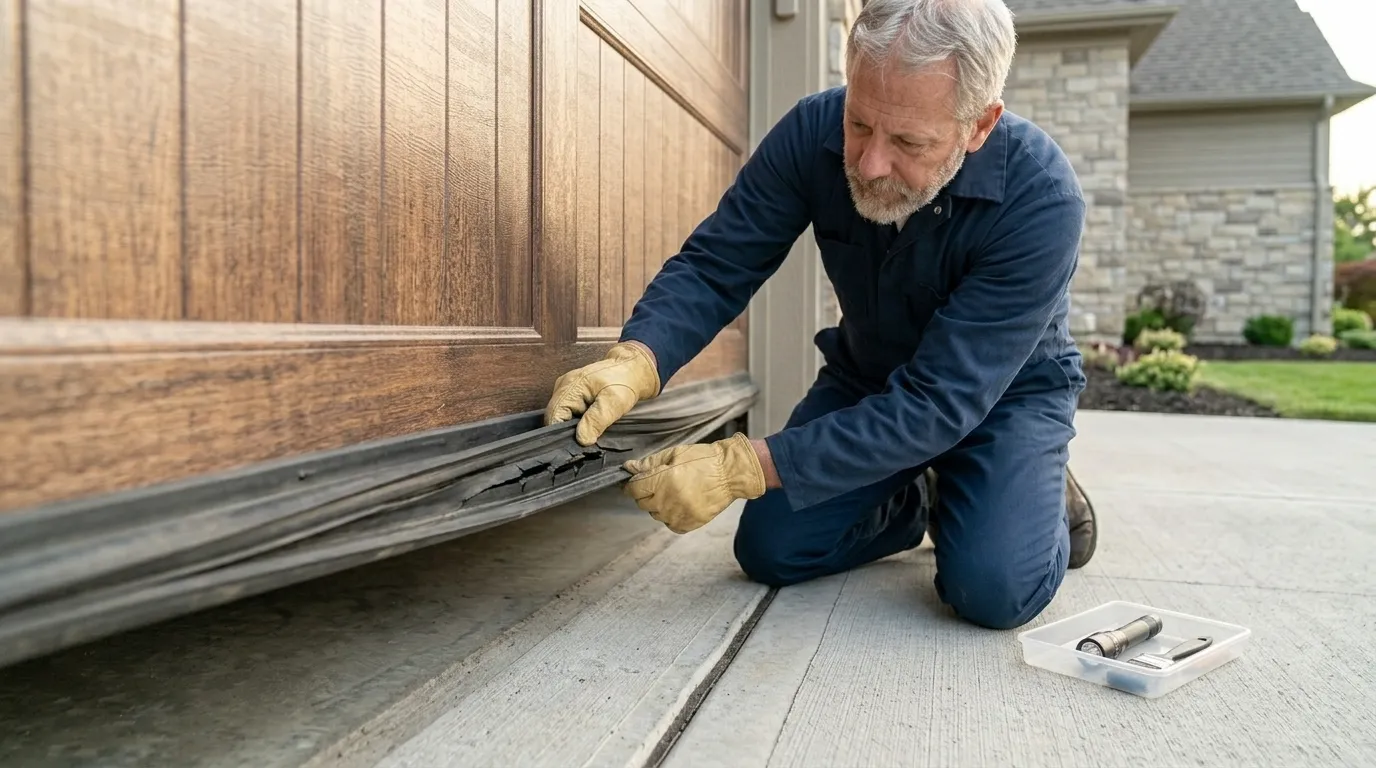
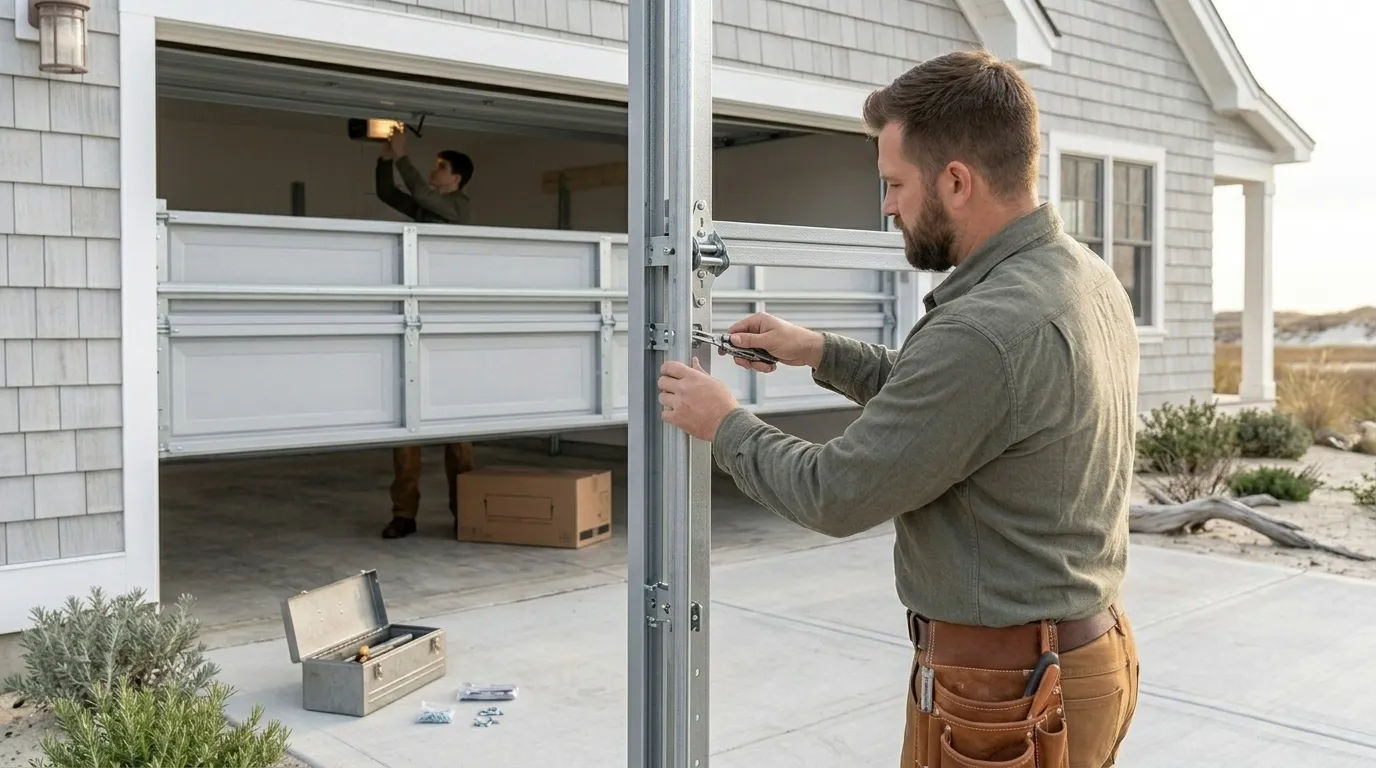
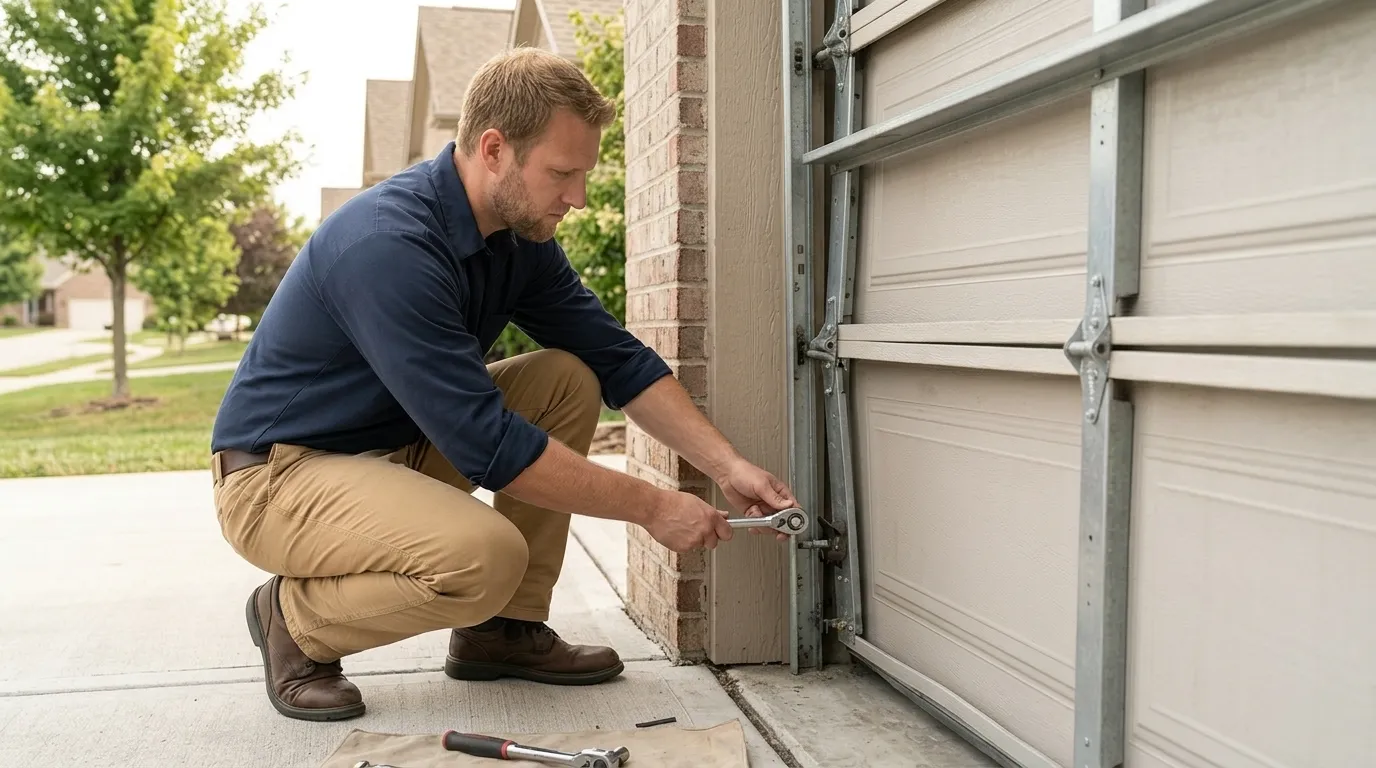
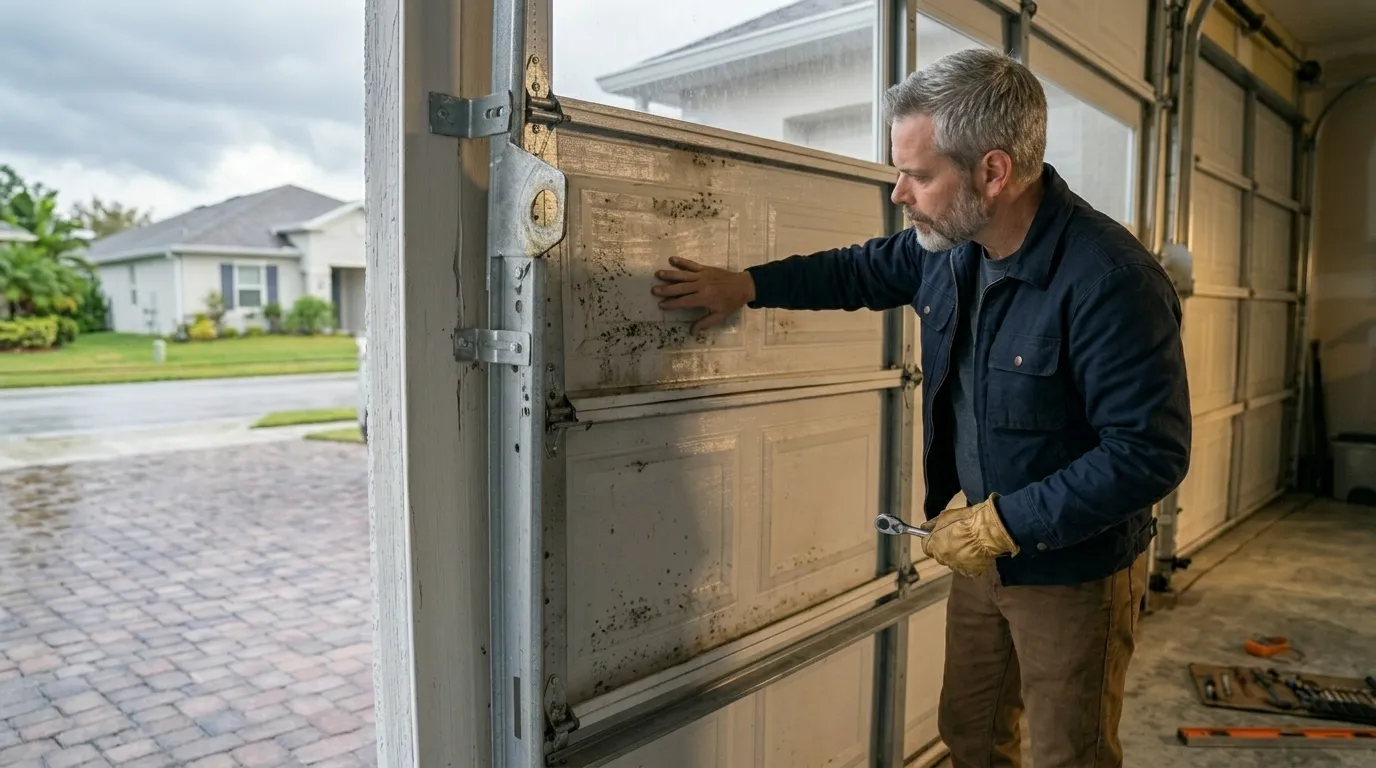
There's a short list of things worth checking before you pick up the phone. Pull the release cord and move the door by hand - if it's heavy, binding, or drops fast on one side, that's a spring or cable problem, not something to force with the opener. Look at the tracks for dents or gaps where rollers have walked out of the channel; a rubber mallet and a level can sometimes coax a track back straight if the bend is small. Check the photo-eye sensors near the floor - a bumped or dusty sensor is the most common reason a door won't close, and it's a five-minute fix, not a service call. Weatherstripping along the bottom panel dries out and cracks over time; replacing it yourself just needs a utility knife and a new strip from any hardware store. What we won't tell you to do yourself is touch a torsion spring. Those things are wound under enough tension to break a hand or worse, and there's no safe amateur version of that job - that's the one honest line we draw here. If your door is sagging on one side, making a bang, or won't budge past a few inches, stop and call rather than keep working the opener against it.
Why It Happens Here
Most Petaluma houses went up between 1938 and 1988, with the bulk clustered in the 1960s and 70s, so a lot of what we open still has the original torsion hardware bolted to a header that's never been touched. Petaluma's mild temperate climate means the failures we see aren't about ice-locked tracks or extreme heat warping panels - it's forty-plus years of daily cycling on the same springs, the same rollers, the same cheap steel cable nobody ever swapped out. Across the 53,399 households in this service area, most garage doors are original equipment from a build boom that peaked decades before anyone reads this page, which is why parts sourcing for older torsion drums and odd-length tracks takes longer than it should. With a median household income of $125,548 in the area, most owners here aren't shopping for the cheapest door made - they want a fix that lasts, not a stopgap, which shapes how we quote a repair versus a replacement. Out toward Penngrove and Cotati, both under ten miles from Petaluma, the housing stock runs the same 1960s vintage, so we see the identical spring failures there, just a few years apart from the ones inside city limits.
How It Shows Up
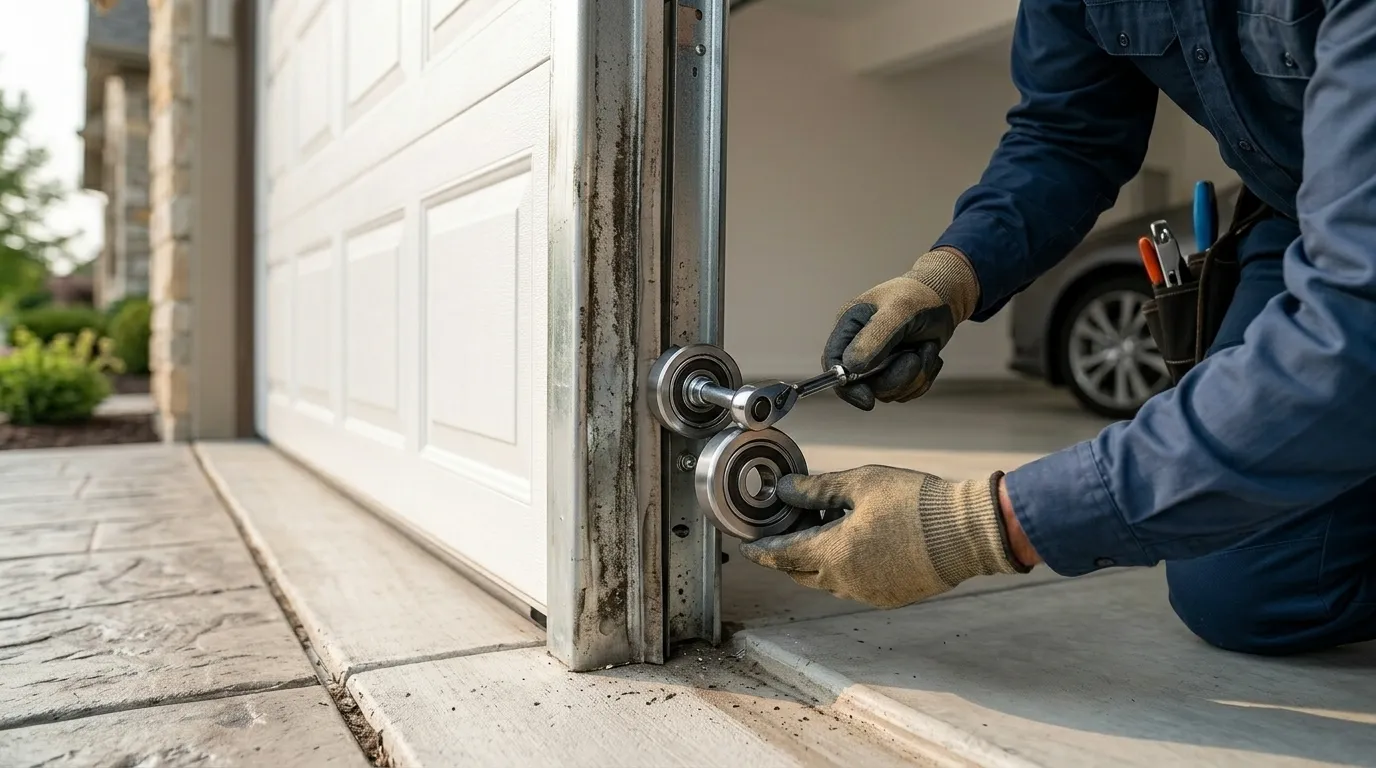
On original 1960s and 70s builds, the tell is usually a door that runs unevenly - one side dips before the other catches up, and the opener strains for a second before the door levels out. That's a spring losing tension, not an opener problem, even though the opener is what's making the noise. On the older single-panel and early sectional doors from this era, you'll also see roller wear that shows as a rhythmic squeak or a slight side-to-side wobble in the track, since the original hardware was never built for synthetic rollers and doesn't always take a retrofit cleanly. Cables on doors from this stretch of housing are steel, not galvanized in every case, and they show rust threads near the drum before they show any real slack - worth a look if your door's original. Because the climate here doesn't swing to extremes, you won't see the seasonal expansion problems that show up in colder regions; what you'll see instead is steady, cycle-based wear that creeps up slowly and then fails on an ordinary Tuesday, usually with no warning beyond a slightly louder door the week before.