What We Do Most in This Area
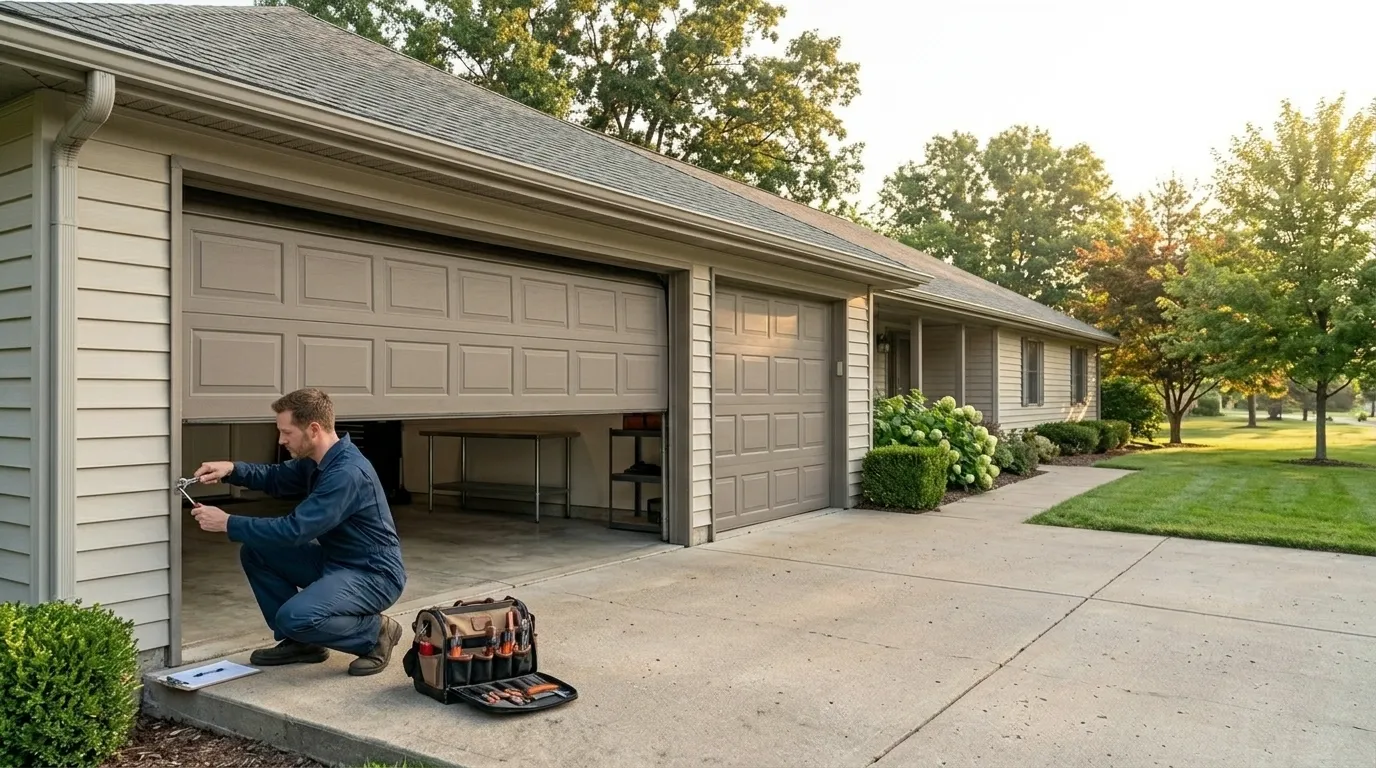
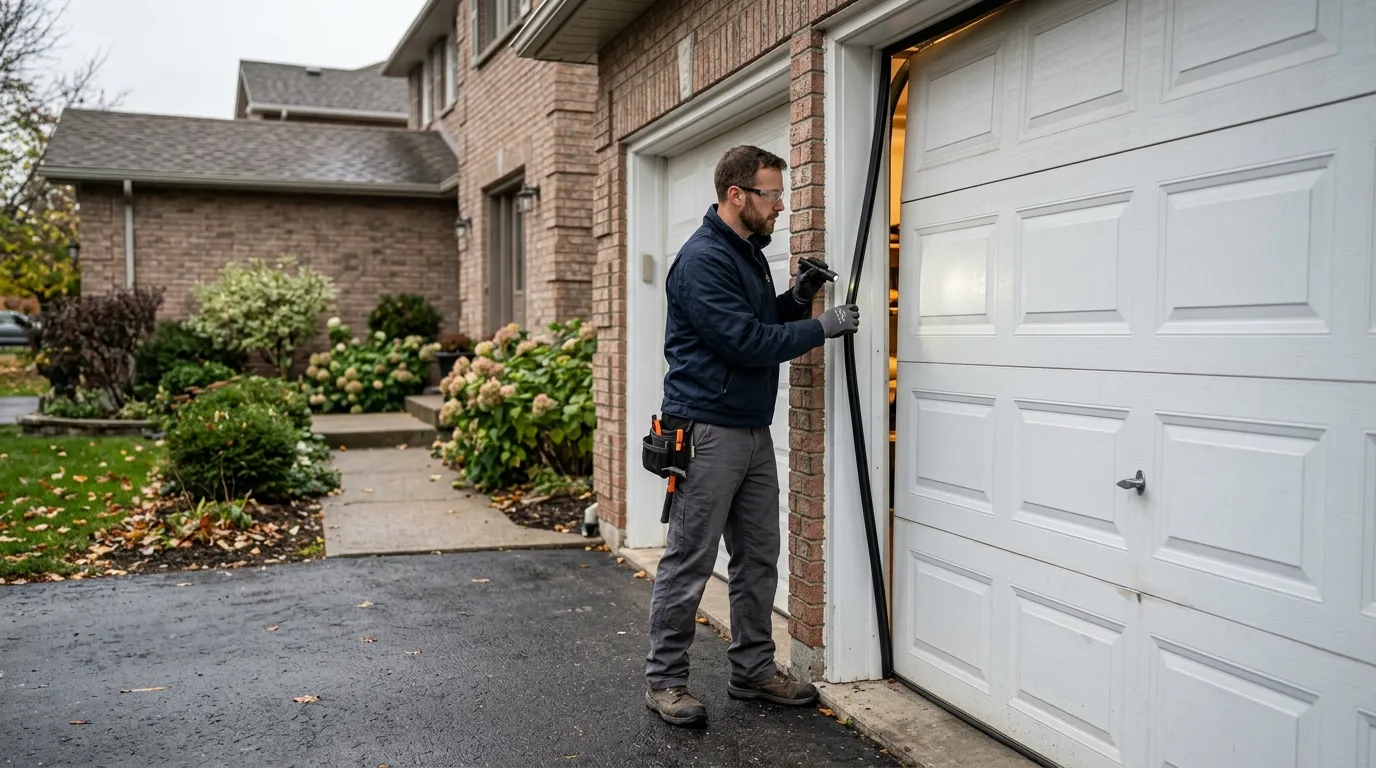
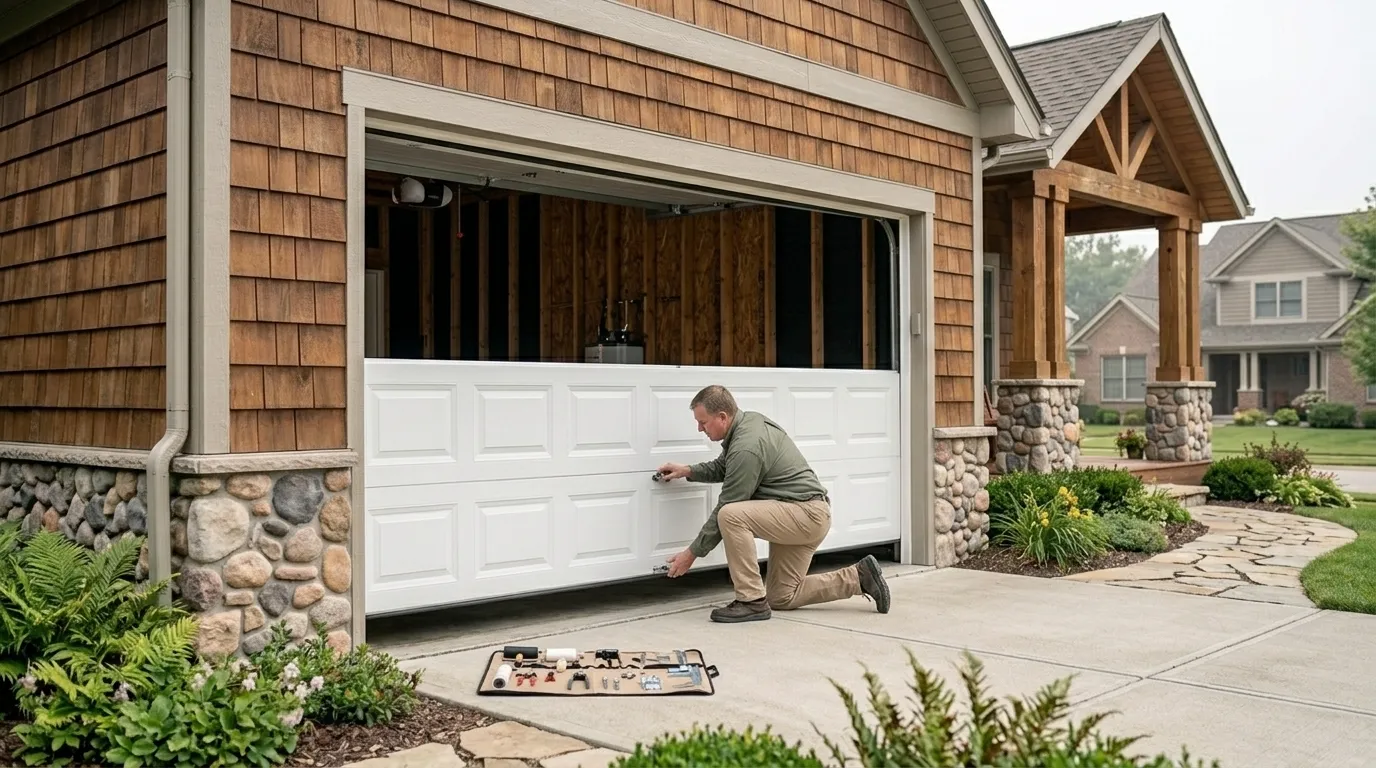
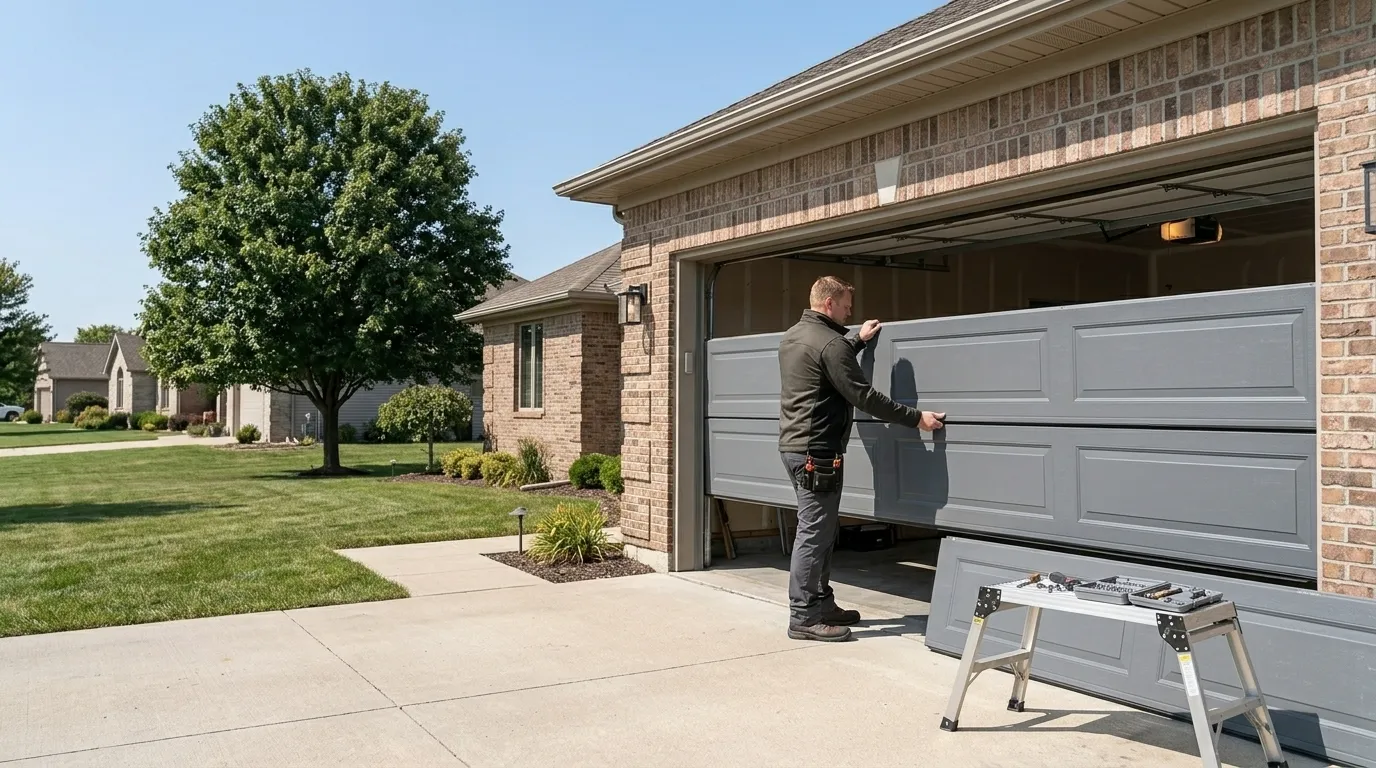
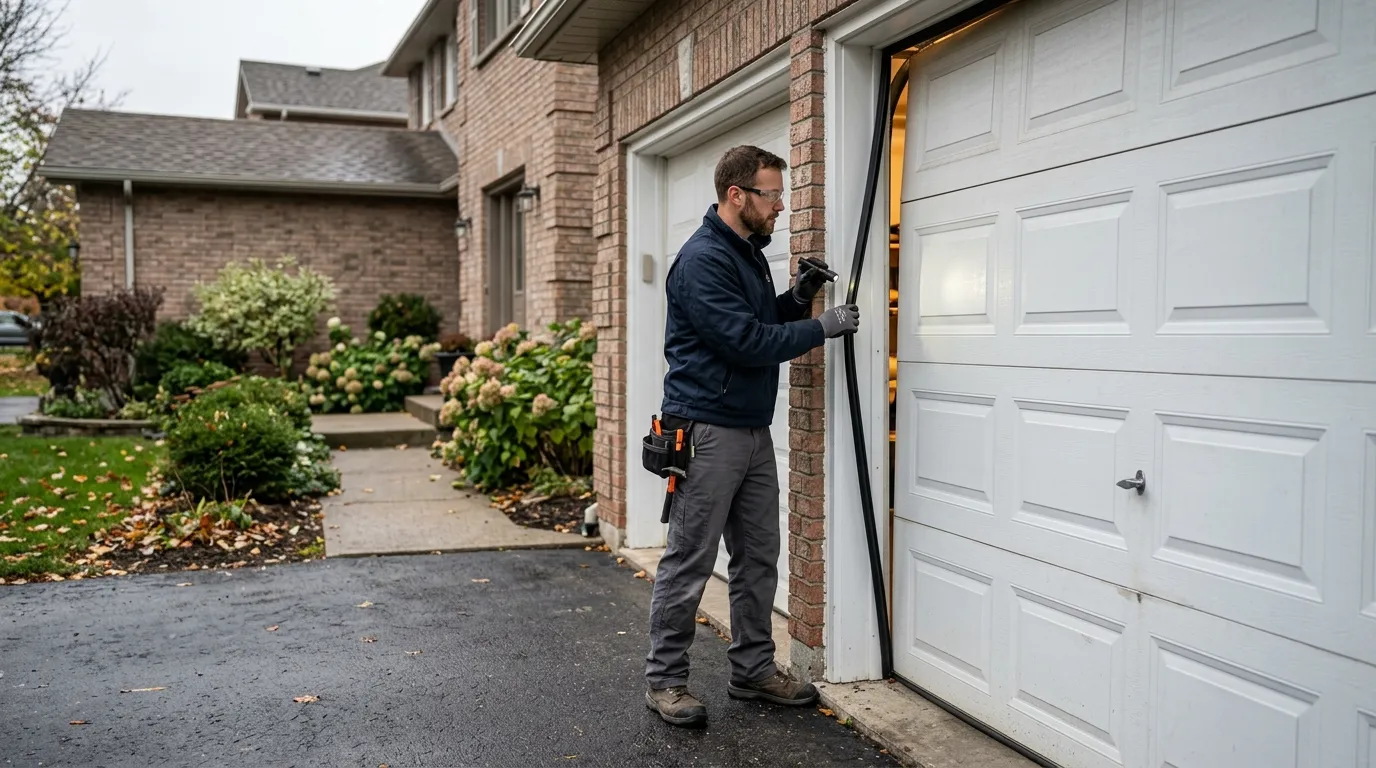
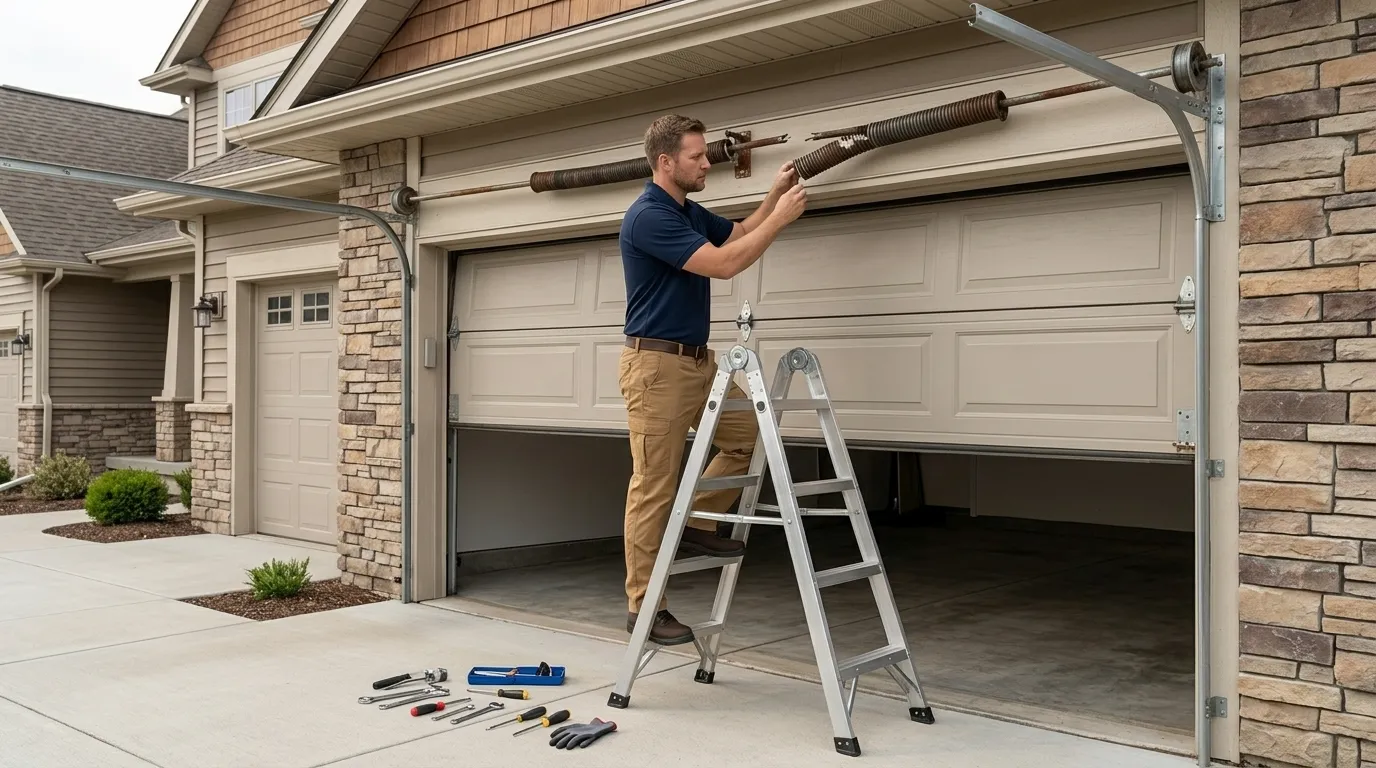
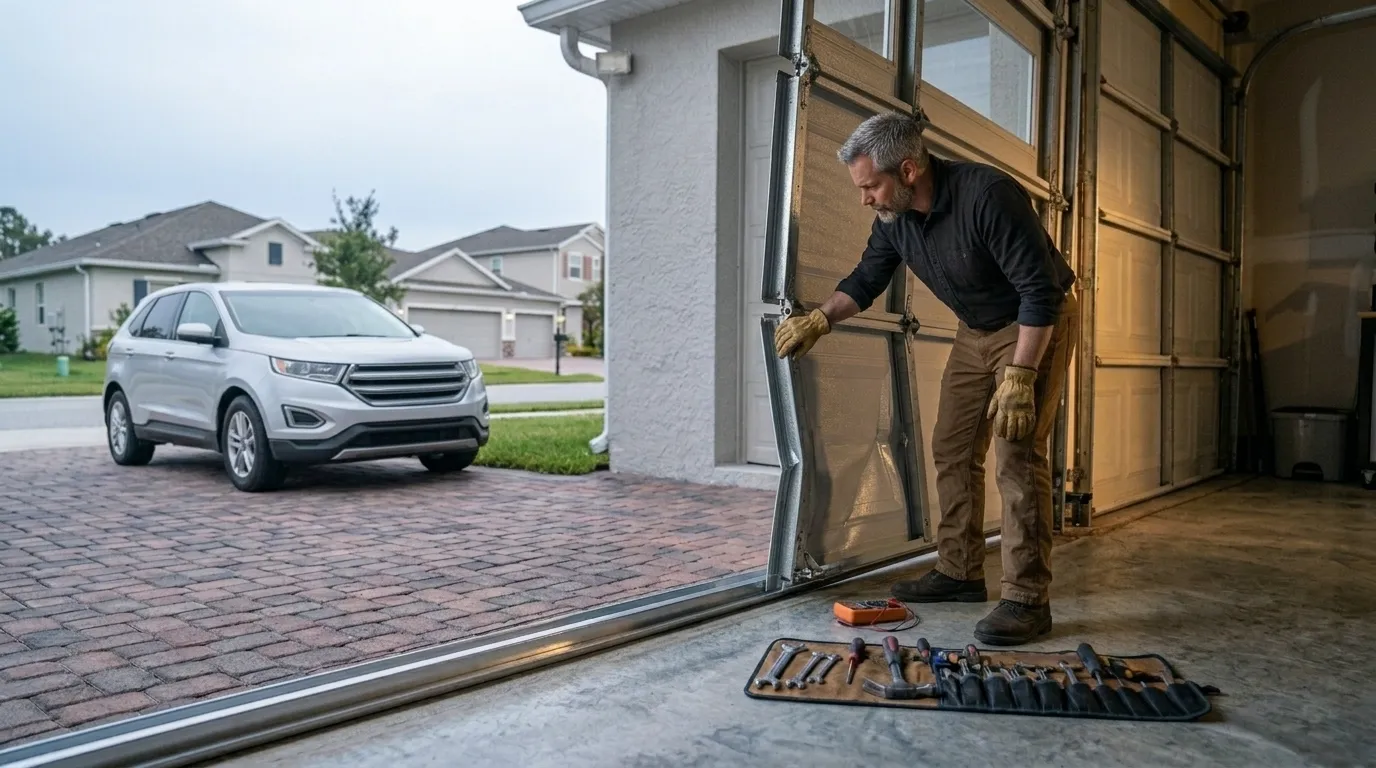
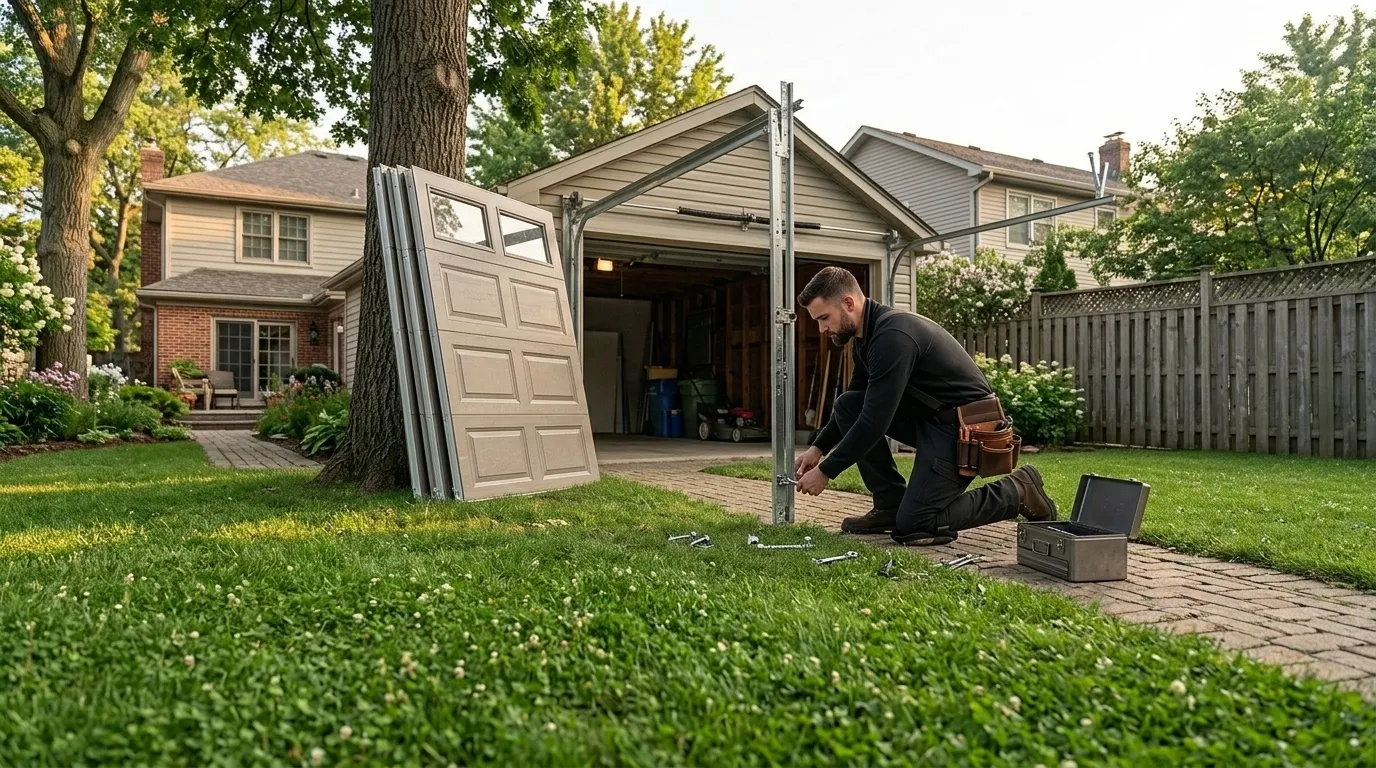
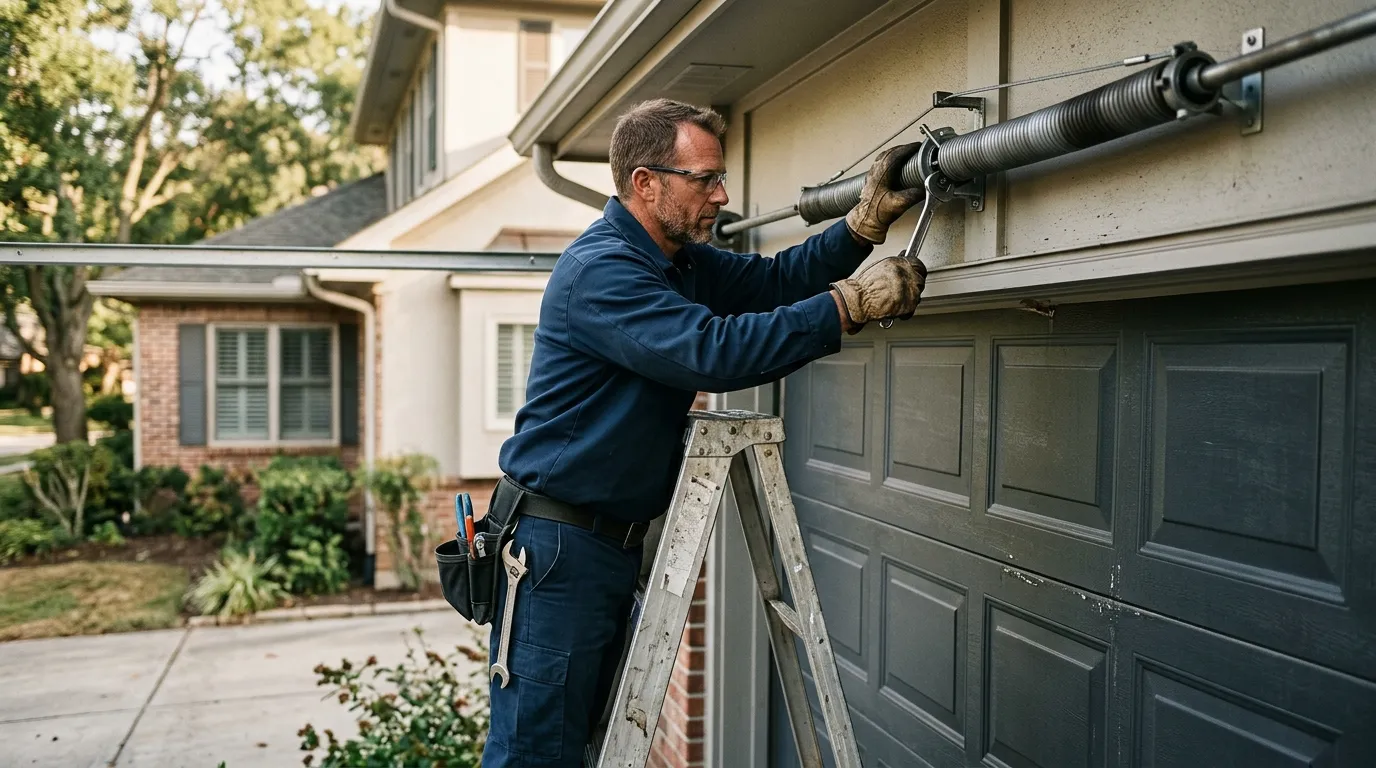
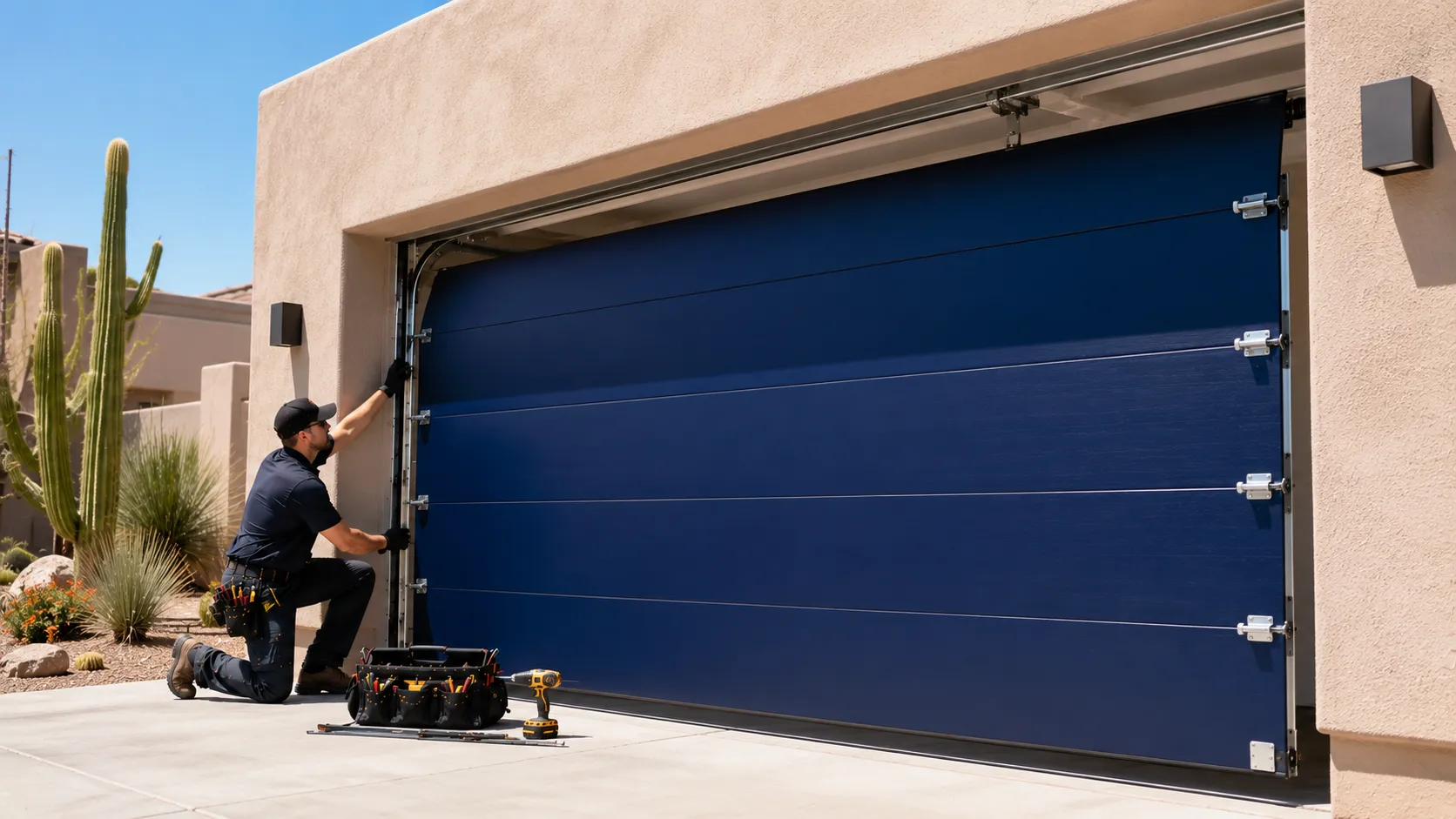
The truck comes out from Petaluma, 14 miles down the road, and most of what we do once we get to Lucas Valley-Marinwood is spring and hardware work tied to houses built around 1963. That's the median build year here, which puts a lot of these garages on original or first-replacement torsion systems that are now well past a normal service life. We see snapped torsion springs, worn rollers that have gone from steel-and-nylon to just noise, and center-mount openers that have been swapped once already but never had the track re-aligned to match. With roughly 2,421 households in this area, it's a small enough footprint that the housing pattern is consistent block to block, not a mixed bag of eras like you'd get in a bigger subdivision. That consistency is actually useful - once we've worked on a handful of doors from this build period, we know what's likely to be wrong before we open the panel. We also do straightforward opener replacements and cable swaps, but the spring and roller work is the bulk of the call volume out here.
What That Means for Doors
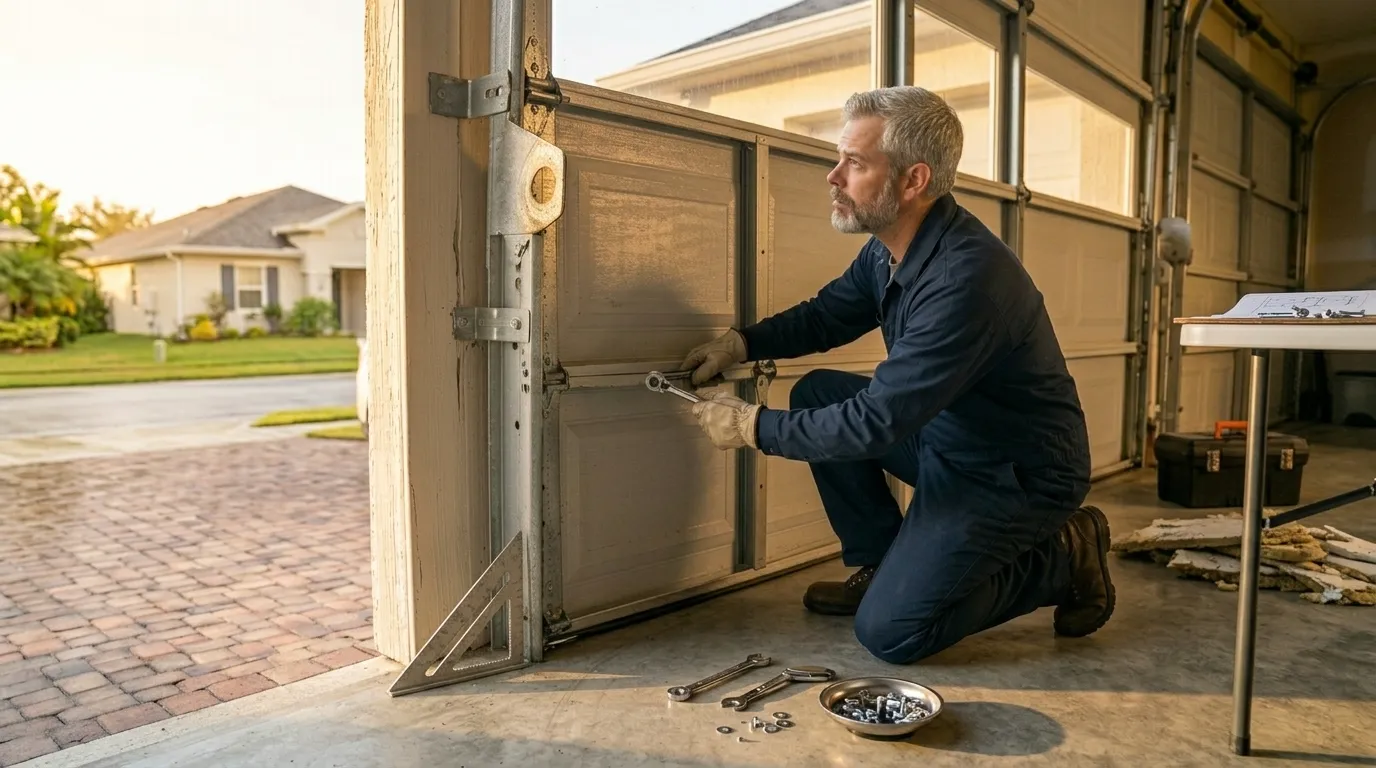
A door built in the early-to-mid 1960s in this area is very likely on side-mounted torsion hardware rather than the center-mount torsion setups that became standard later, and the track geometry on those older setups doesn't always match parts sold off the shelf today. That mismatch is the single most common reason a repair here takes longer than a homeowner expects - not the labor, but sourcing a bracket or drum that fits a track spacing nobody makes anymore. The area's mild temperate climate is on our side: no deep freeze-thaw cycling to warp panels or seize hardware, so a lot of these doors have lasted decades on their original steel with only moderate wear. What fails first is almost always the spring, then the rollers, then the opener's drive gear - roughly in that order, roughly on that timeline, which is a fairly predictable sequence for a door of this age.
This Area's Housing
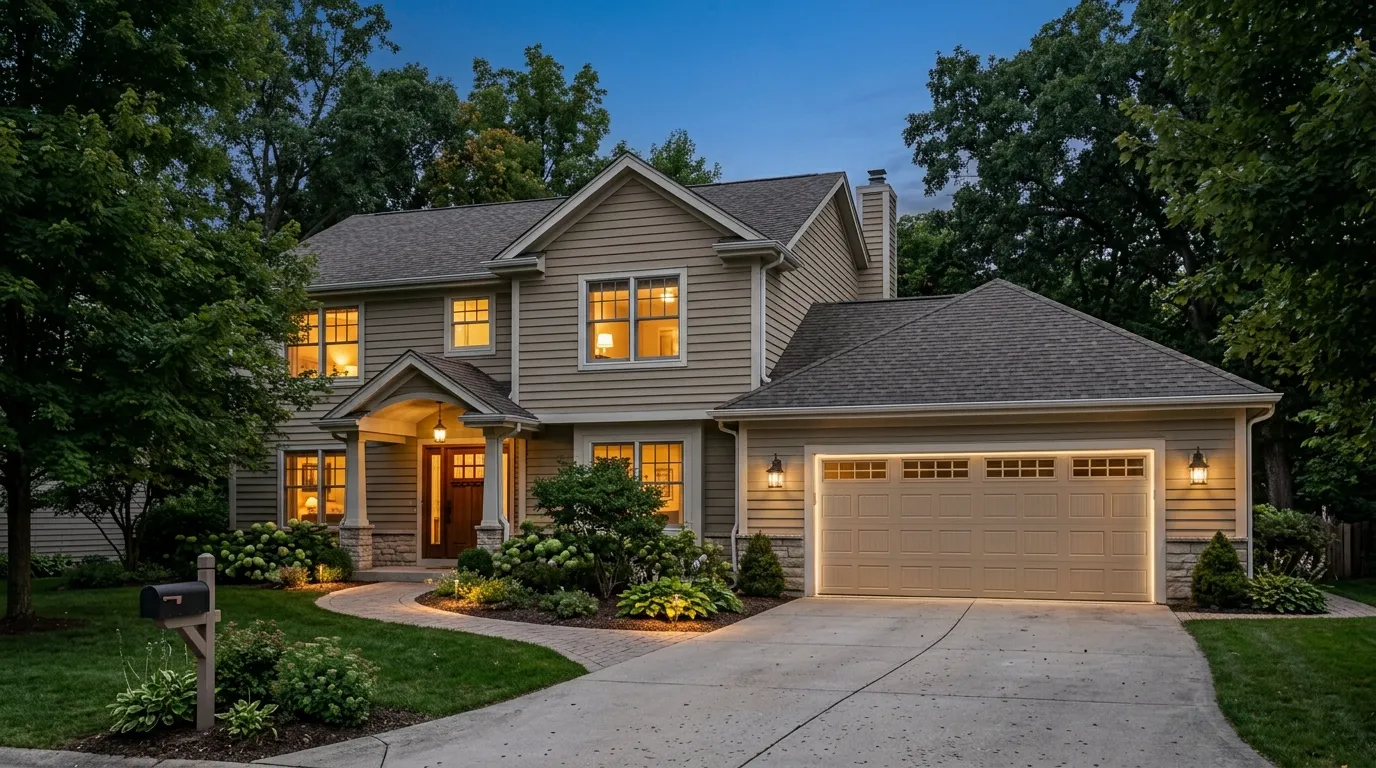
Lucas Valley-Marinwood sits among the wider set of communities Petaluma Garage Door Pros reaches, and it stands out for household income - median household income here runs about $200,938, well above the $125,548 median across the broader service area. That income level shows up in the calls: more owners here choose full hardware replacement over patching an old torsion system, and more ask about insulated or quieter opener upgrades rather than the cheapest fix available. With 2,421 households total, it's a smaller area than most of the other 30 named communities we cover, and the housing stock is tighter in age range too - clustered around 1963 rather than spread across the 1938-1988 range you'd see area-wide. That means fewer surprises when we open a garage here, but it also means when something does go wrong, it's usually the same something as the house next door.