What We Do Most in This Area
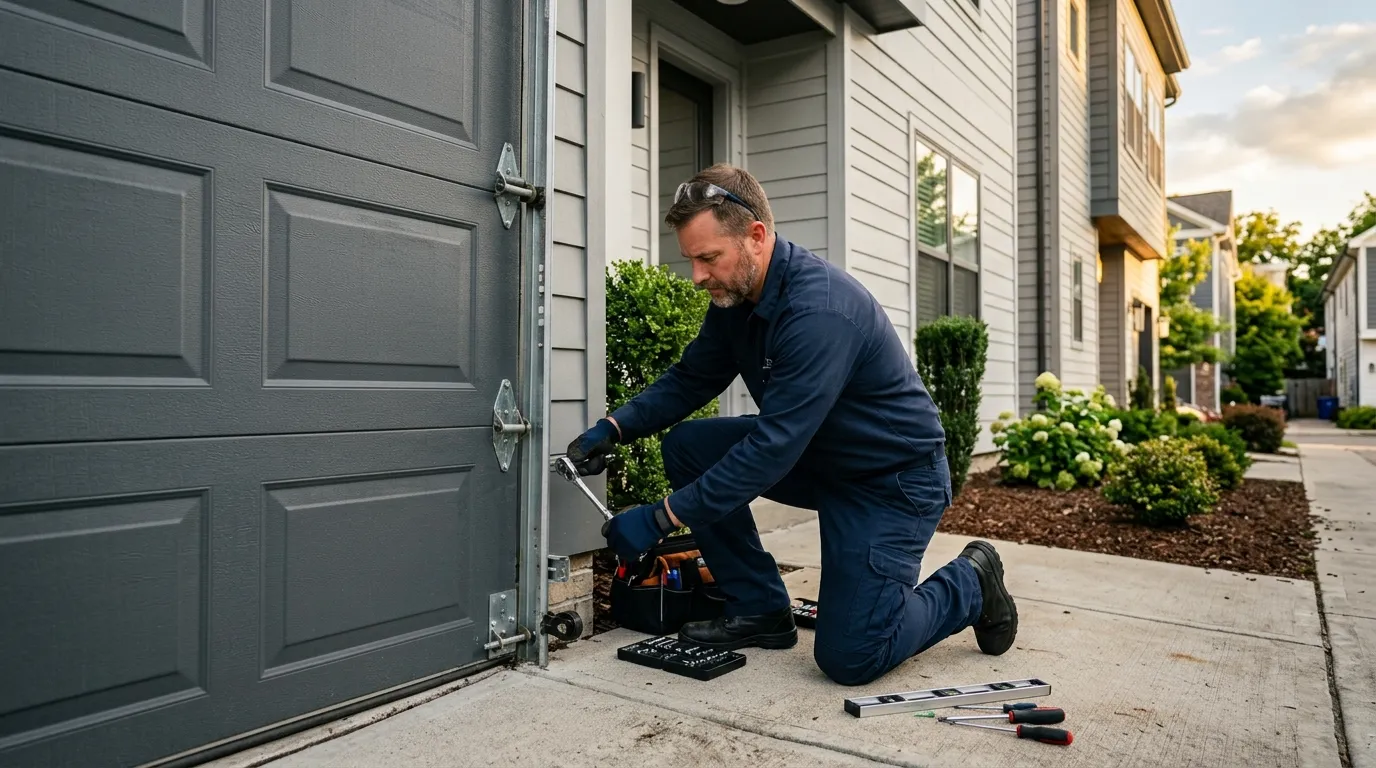
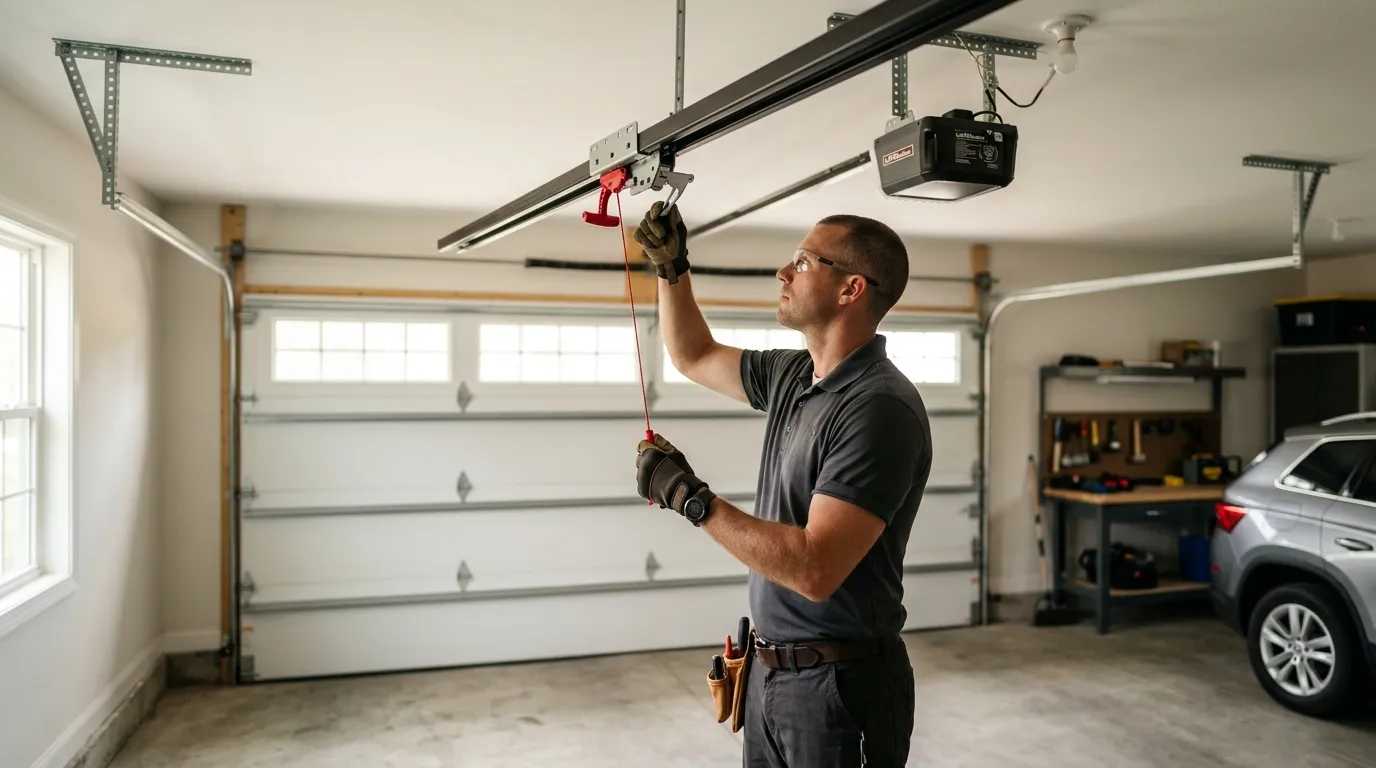
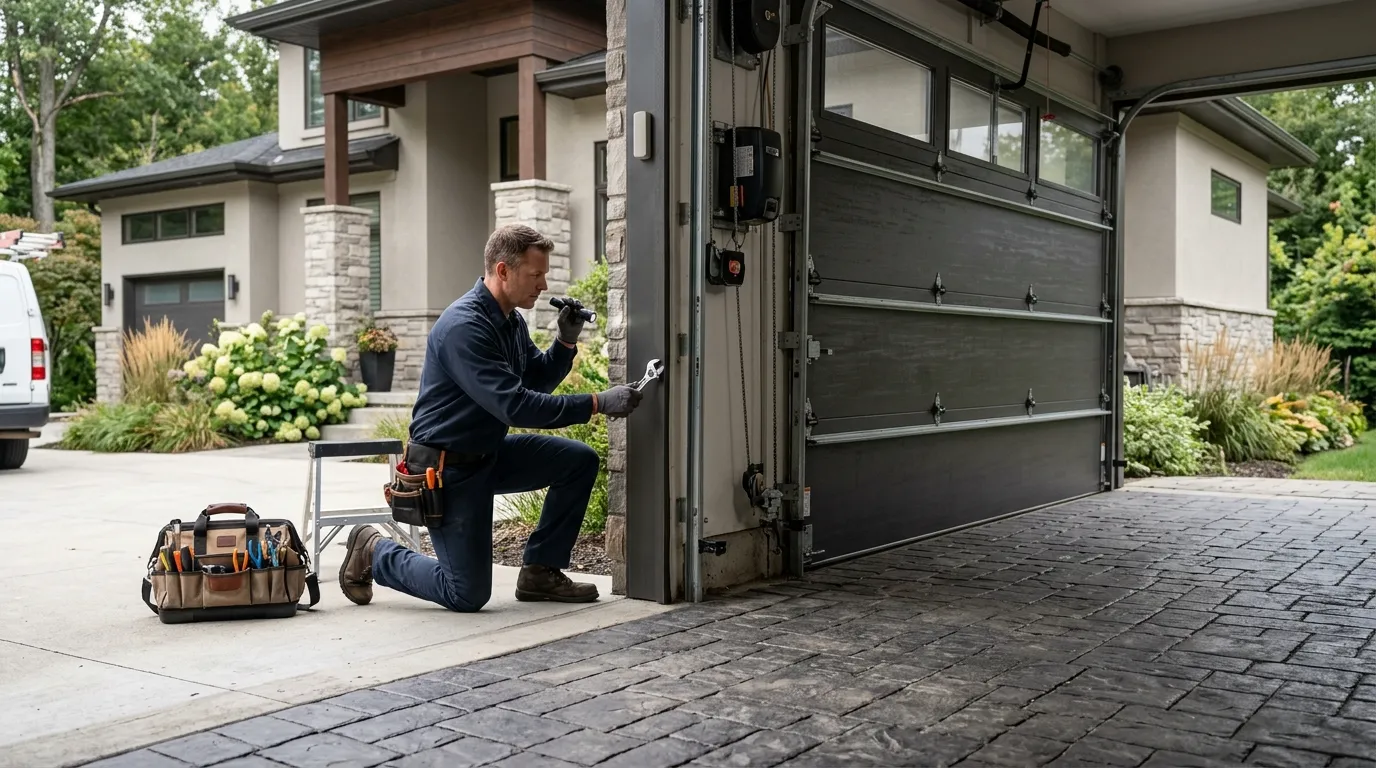
Most of the calls we take from Yountville aren't about the door panel itself - they're about the opener. Housing here tends to date to around 1988, which is notably newer than the 1966 median we see across the wider Petaluma service area, where a lot of stock runs back to the late 1930s. That later build date means Yountville homes were more likely to go up with a factory steel sectional door and a chain-drive opener already installed, rather than the older wood panel doors we deal with elsewhere.
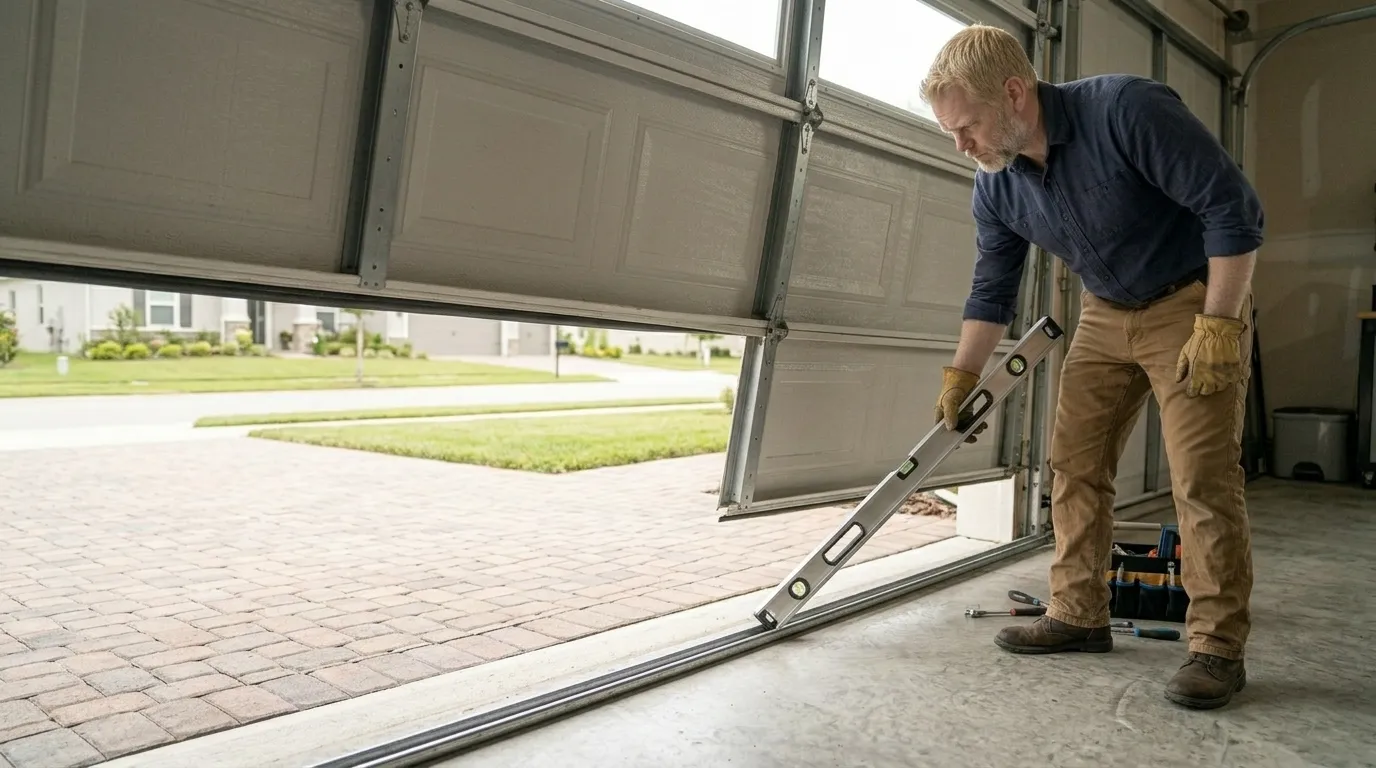
What that means in practice: the opener logic boards and circuit capacitors from that era are now well past their expected service life, and we see failed start relays and worn drive gears more than we see spring conversions. Nylon rollers on doors this age have usually gone hard and loud, even if the door itself still looks fine. Weatherstrip and bottom seals also degrade faster under the area's mild temperate swings than owners expect, since UV and daily temperature shifts do the damage more than storms do.
What That Means for Doors
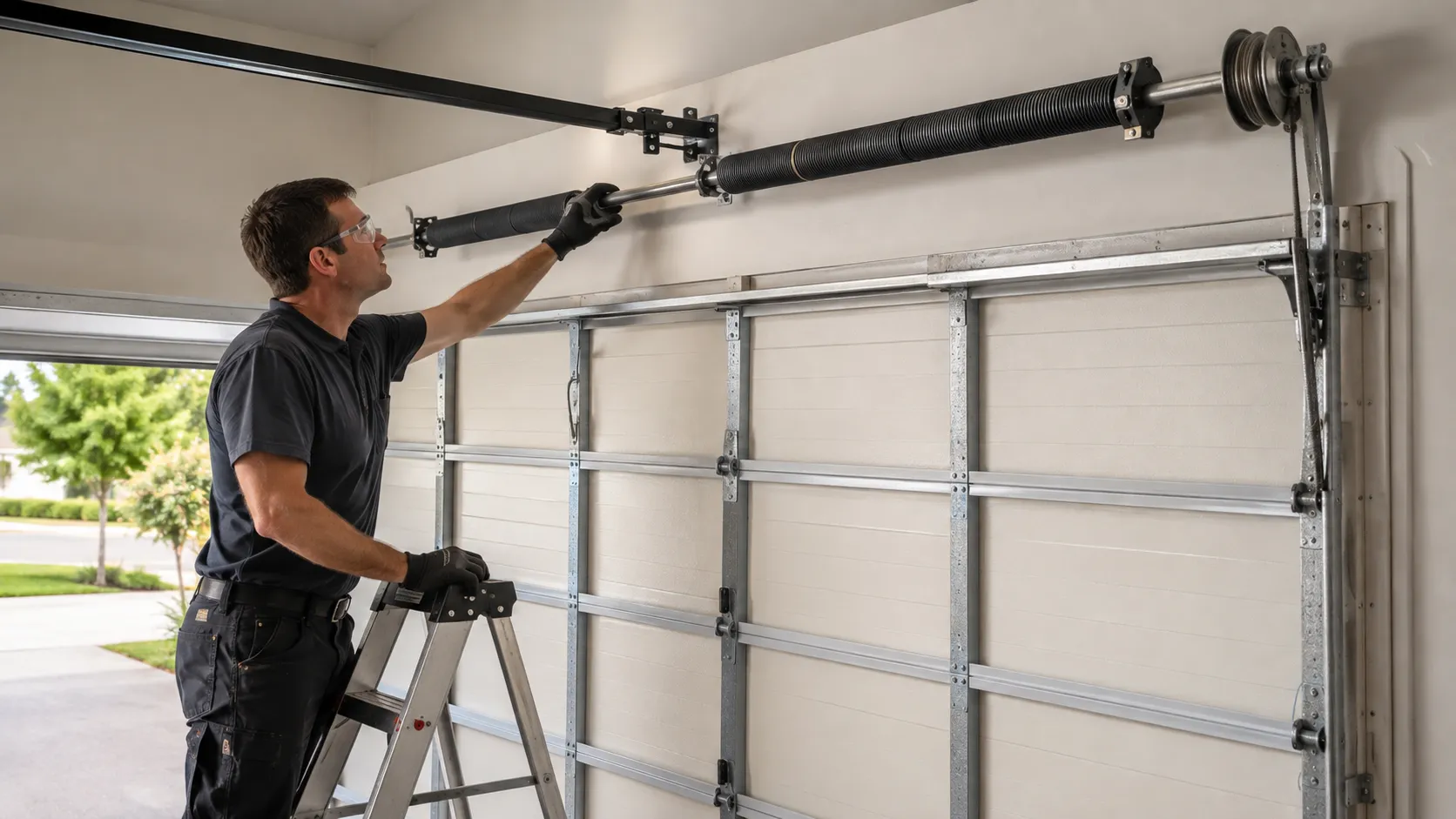
Because most Yountville homes are newer builds than the Petaluma-area norm, you're less likely to be dealing with an old side-mounted torsion setup on a one-piece door - that's more common on the older stock closer to 1966-built homes elsewhere in the coverage area. What you're more likely to be dealing with is a factory door and opener combo that's simply aged out: worn rollers, a failing opener circuit board, or a drive gear stripped from decades of use.
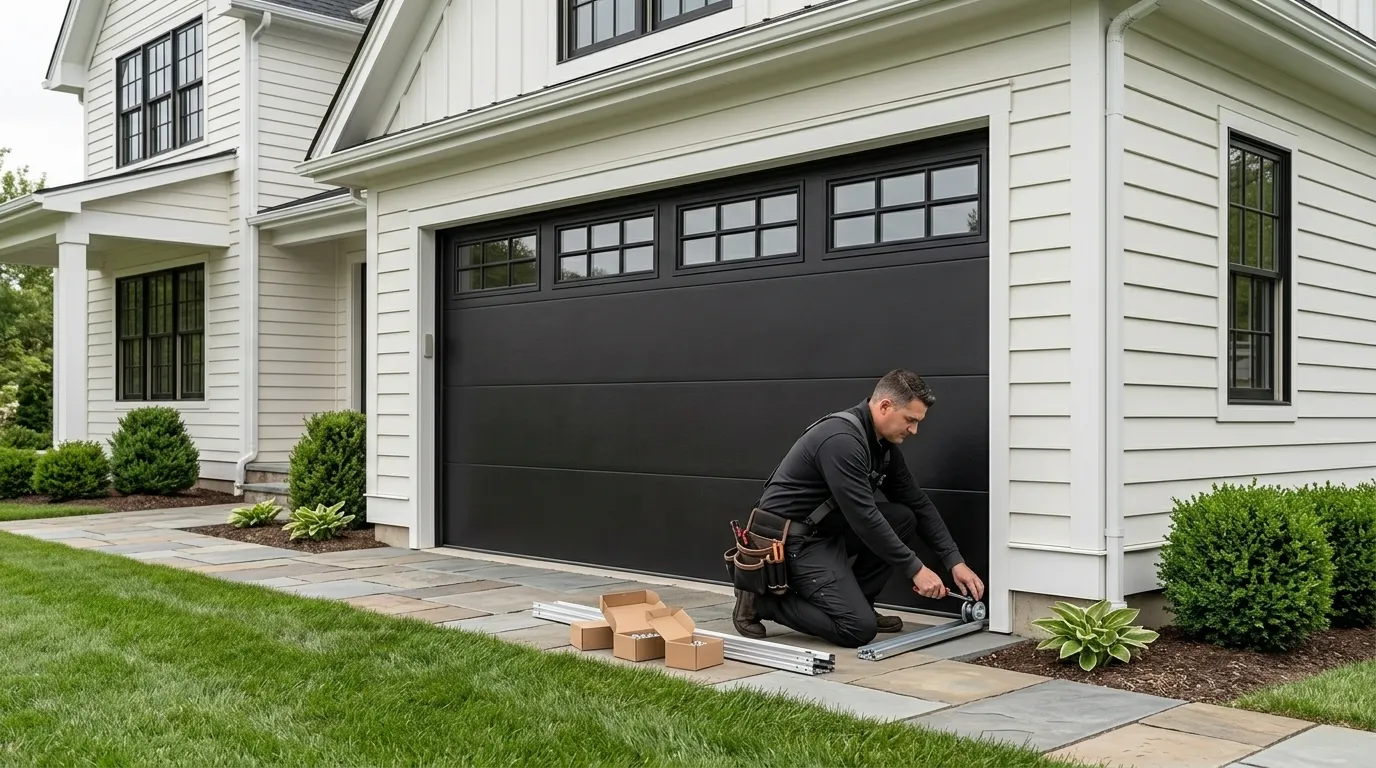
The honest read is that a lot of these openers are at the point where repair costs approach replacement cost. We'll tell you which side of that line your unit is on rather than push a repair that won't hold. Doors themselves usually have more life left in them than the openers driving them, so it's common for us to replace an opener and keep the original door panel.
This Area's Housing
Yountville is a smaller pocket within the broader Petaluma service area - about 1,507 households, compared to the roughly 53,399 households and 24,784 owner-occupied houses across the full coverage footprint. Median household income here runs $79,696, which is well under the $125,548 median seen across that wider area, and it's a detail that shapes what kind of repair-versus-replace conversation makes sense for a given household.
The housing stock itself, built around 1988 on median, sits at the newer end of what we see across the roughly thirty communities we cover, where the broader median build year is 1966. That difference matters more than it might seem: newer construction generally means fewer of the odd hardware mismatches we run into on older torsion setups, but it also means openers and springs are all aging out around the same window rather than being staggered across decades.