What We Do Most in This Area
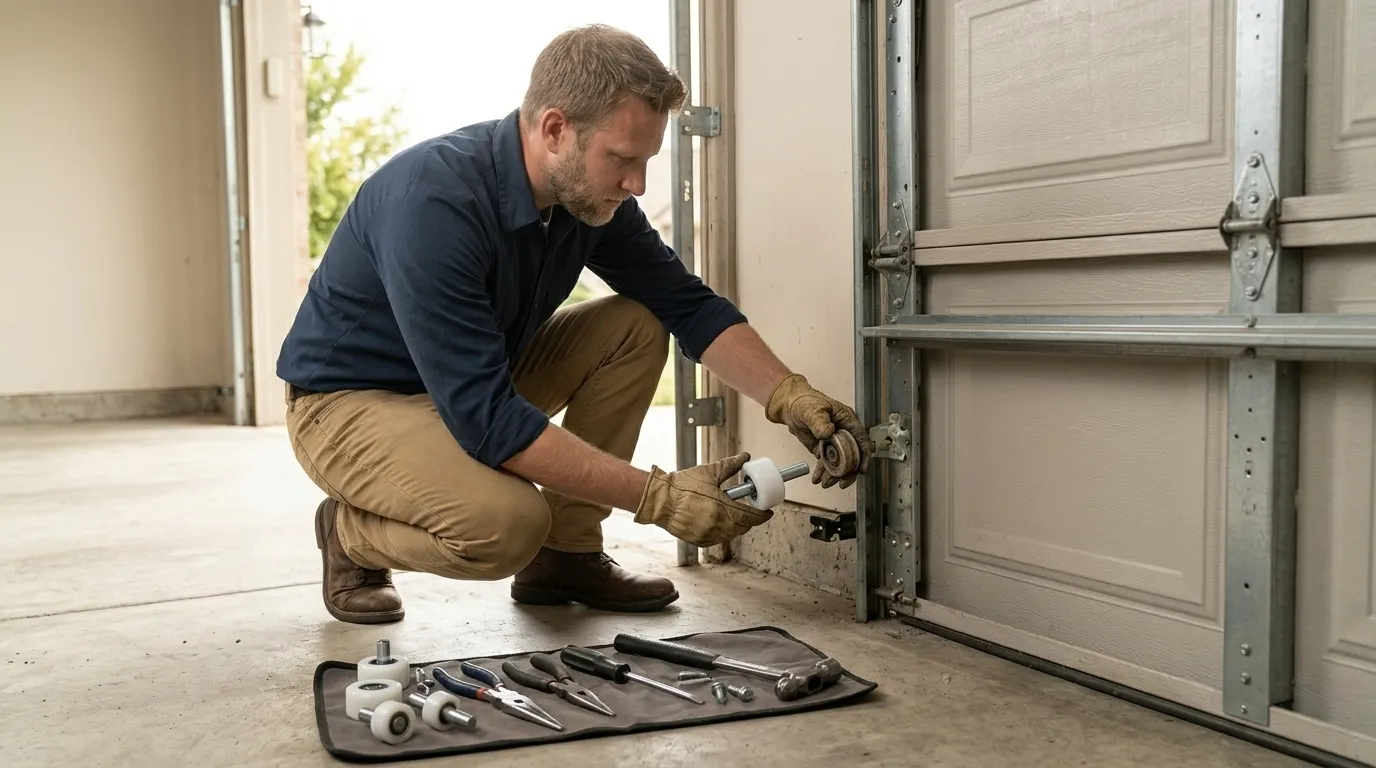
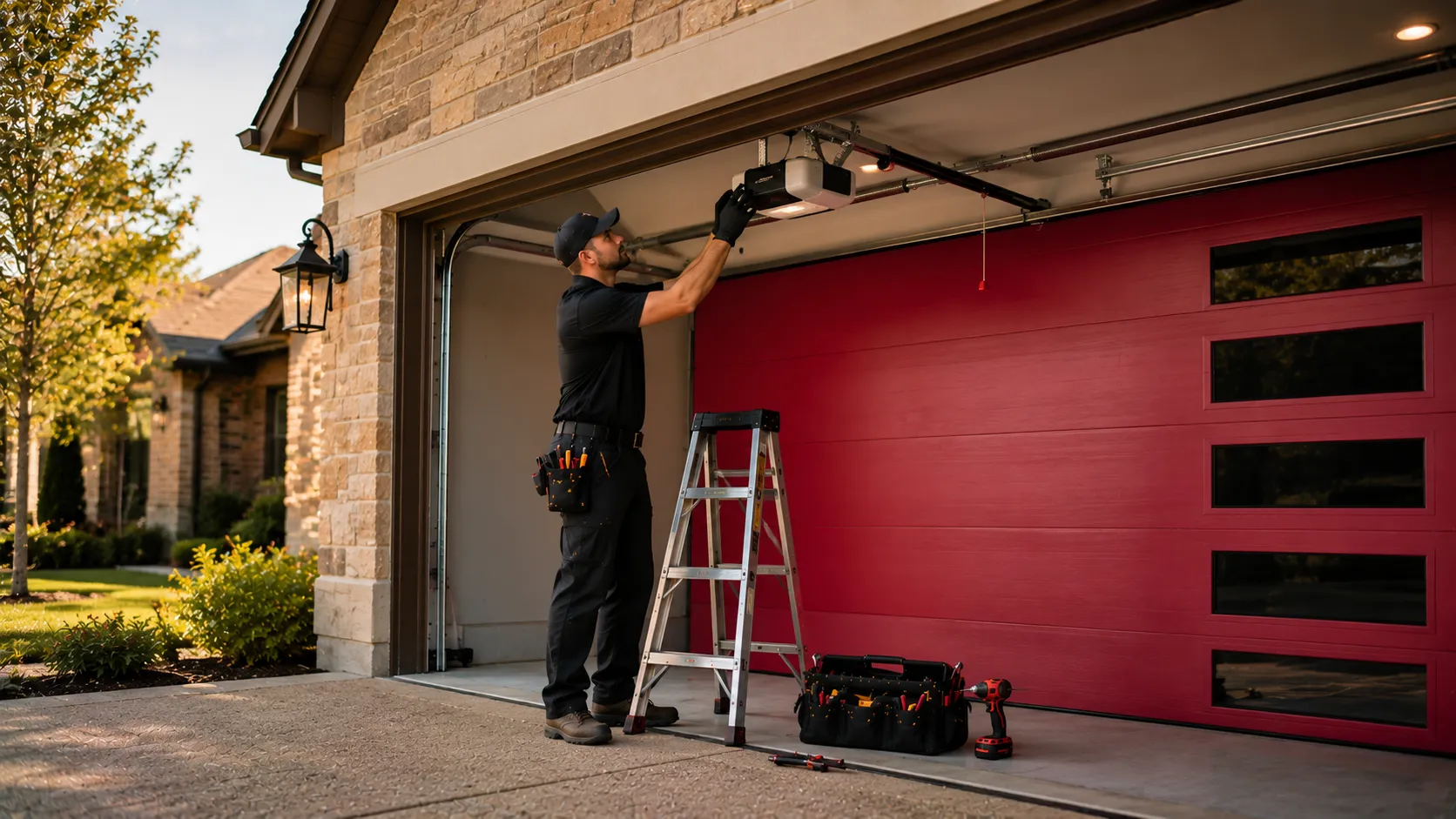
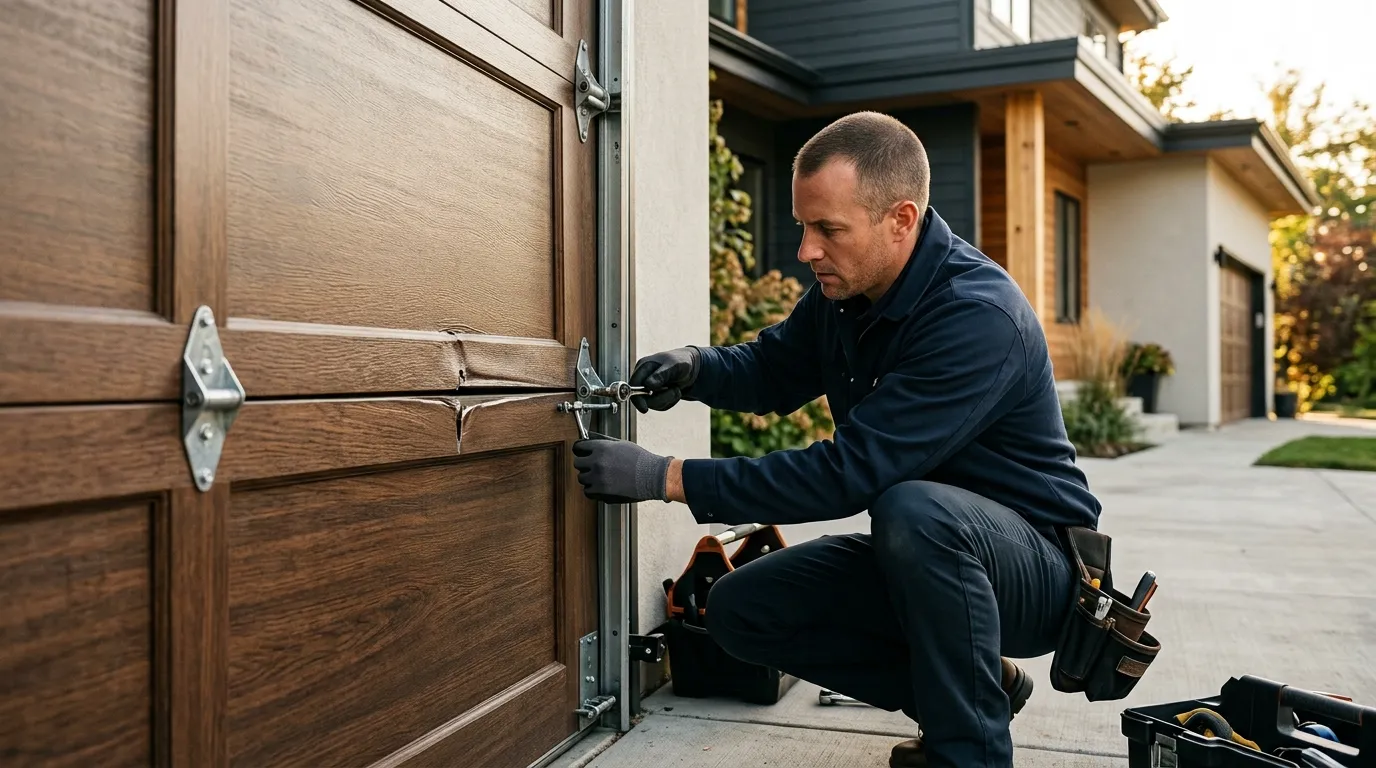
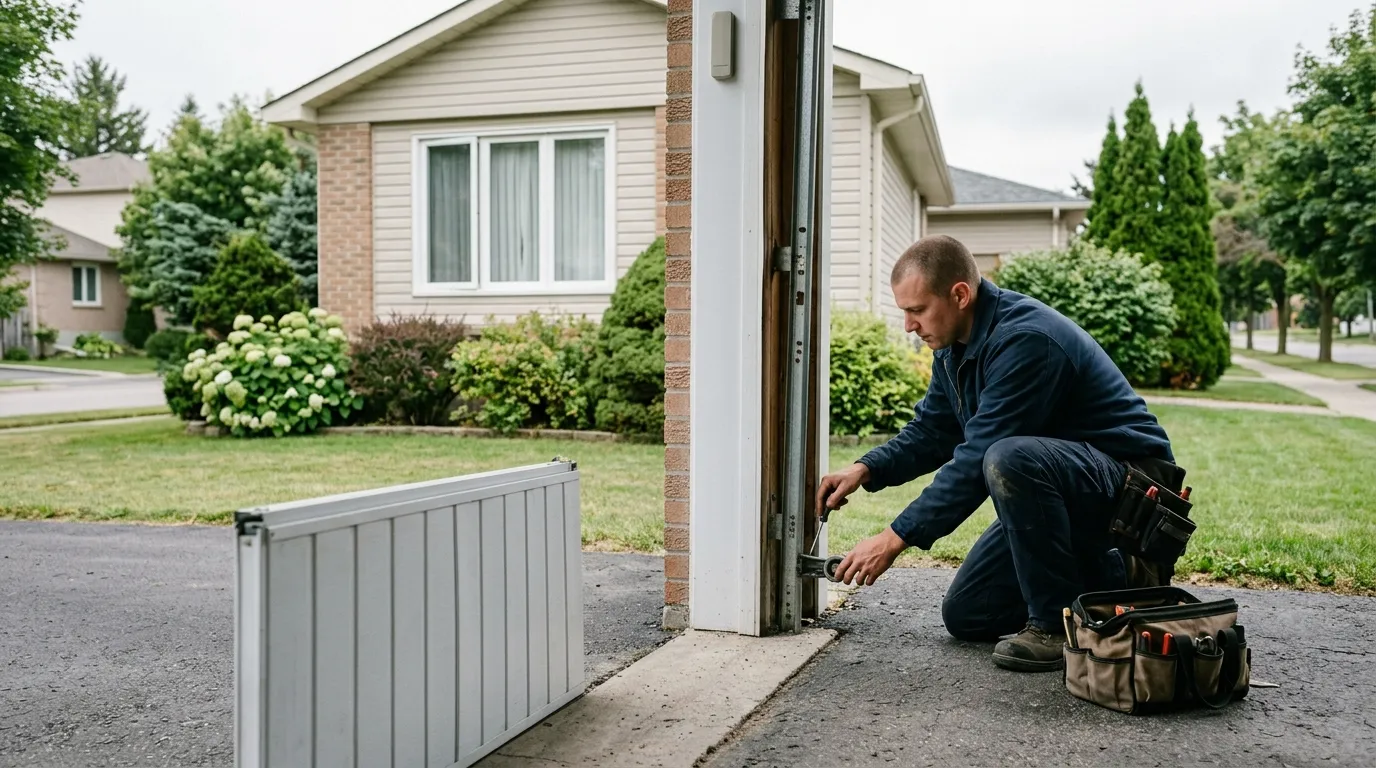
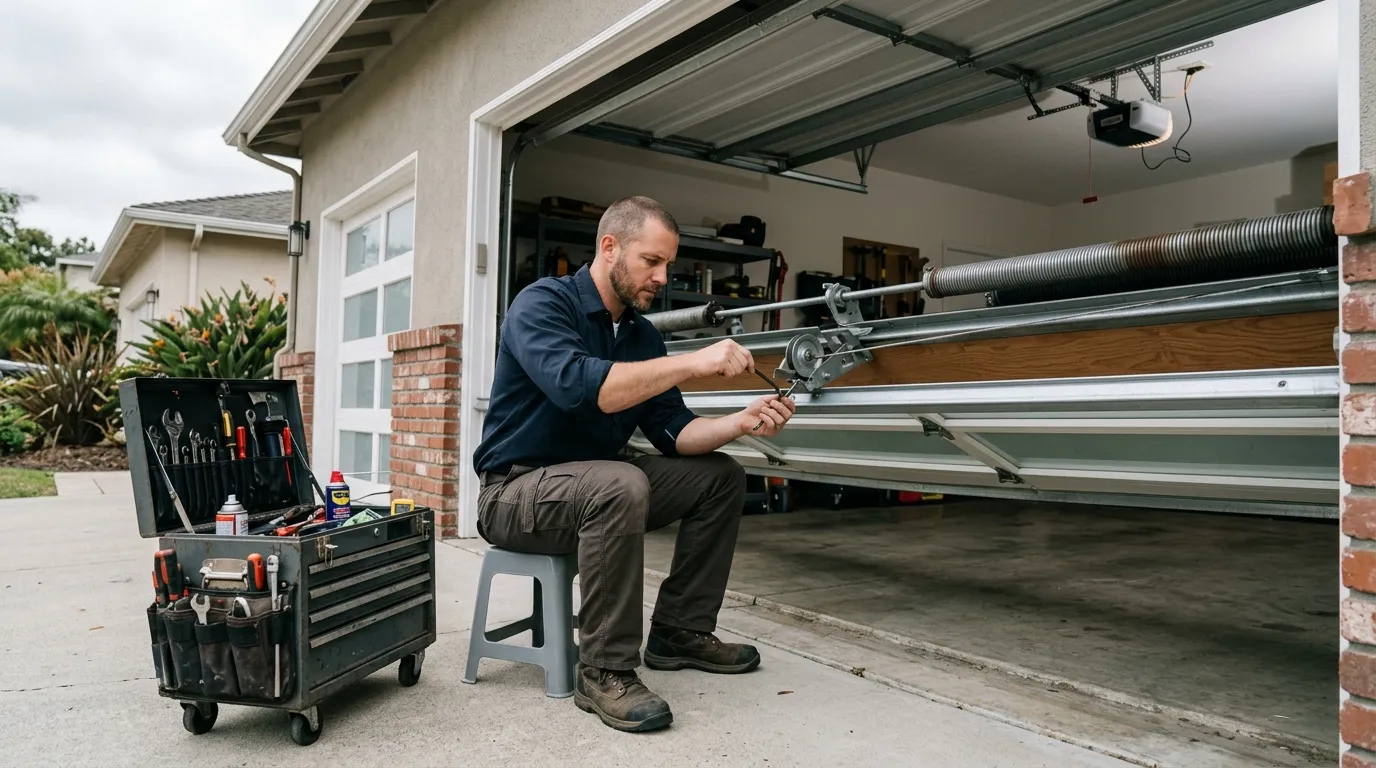
The typical house in Sleepy Hollow went up around 1956, which puts it a full decade ahead of the median build year across the rest of the territory we cover out of Petaluma. That matters because a mid-1950s garage usually came with a single steel or wood door on side-mounted torsion hardware, sized for openers that predate anything with a safety reversal sensor. Most of our calls out here are for exactly that: a spring that's been carrying the same door since long before anyone reading this owned the place, rollers worn oval instead of round, and cables starting to fray at the drum. We also get a fair number of opener swaps where the old chain-drive unit still runs but no longer meets basic safety code, and the owner wants it replaced before it fails outright rather than after. Because the area is small and mostly single-family, the work tends to repeat itself house to house rather than varying the way it does in newer subdivisions.
What That Means for Doors
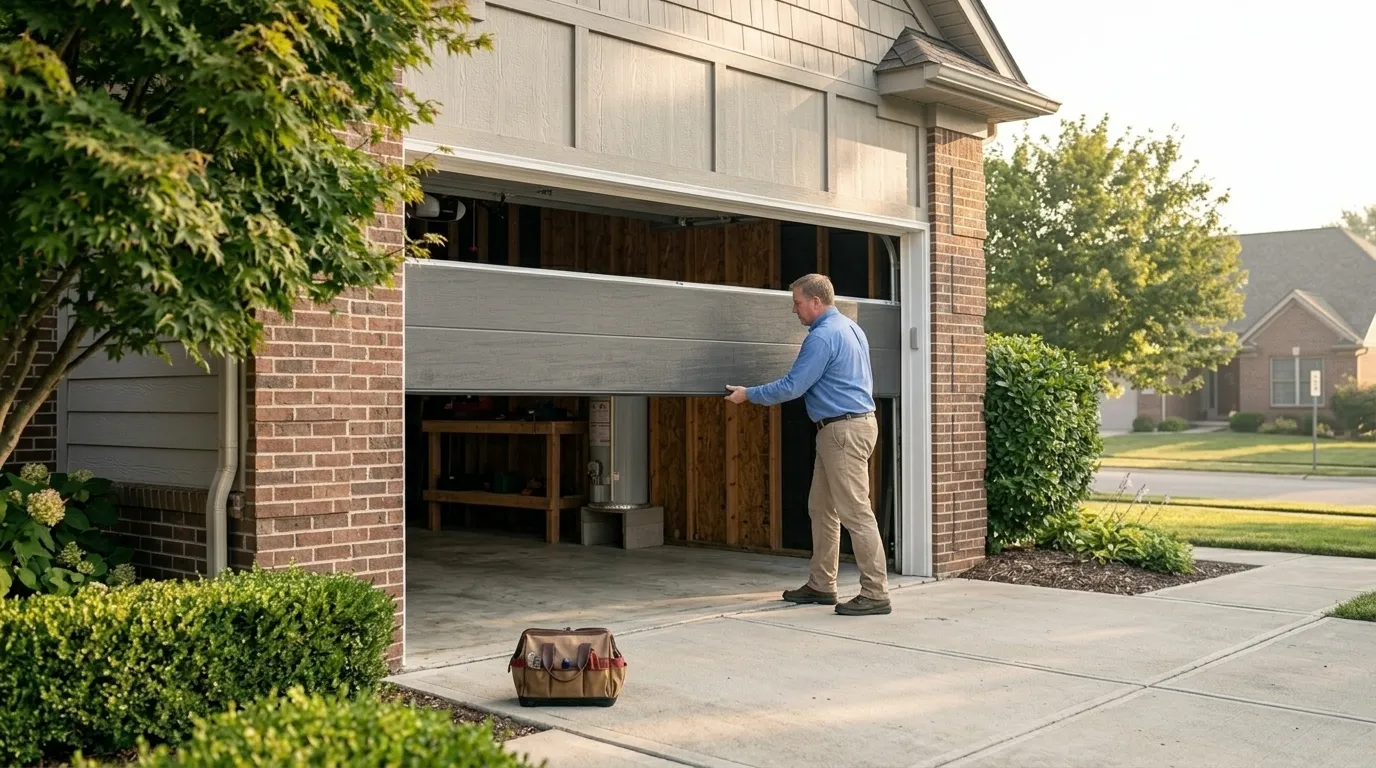
A door built to 1956 dimensions doesn't always match the panel sizes and track widths that modern opener kits assume, so a straight opener swap sometimes turns into a bracket or track adjustment job as well. Torsion springs from that era were often wound for heavier wood-panel doors that have since been replaced with lighter steel ones, which means the spring tension on file is wrong for the door actually hanging there now - a mismatch that shows up as a door that won't stay put halfway open, or one that slams the last foot of travel. The climate here is mild enough that we're not fighting rust from freeze-thaw cycles the way colder regions do, but decades of use still wear out cable and rollers on their own schedule regardless of weather. When we're out for a repair, we check whether the spring rating actually fits the current door, because fixing the symptom without correcting that mismatch just brings the same call back in a year.
This Area's Housing
Sleepy Hollow counts around 862 households, small enough that word travels fast about which original hardware is still in service on which street. Median household income here runs about $196,630, well above the $125,548 median across the broader area we serve, and that shows up in the calls: more requests for insulated replacement doors and quieter belt-drive openers, fewer patch-it-and-move-on repairs. Housing stock across the wider service territory spans 1938 to 1988, but this particular pocket clusters tighter around its 1956 build year, which means the doors, tracks, and spring hardware here skew older and more uniform than in the newer subdivisions built decades later. That consistency actually makes diagnosis faster once we're on site - the failure modes for a 1956 door are well known, even if the specific part isn't always sitting on the truck.