What We Do Most in This Area
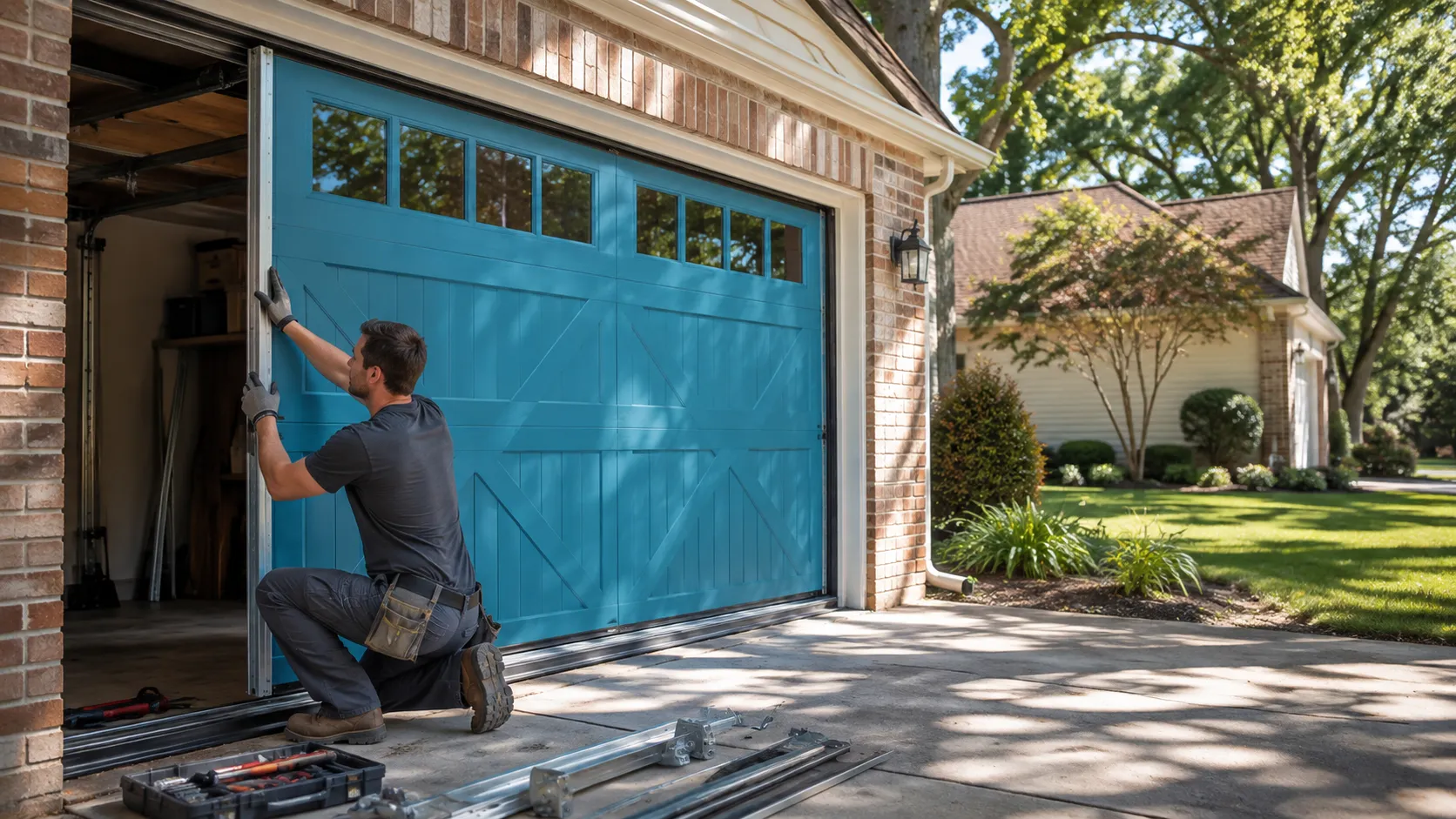
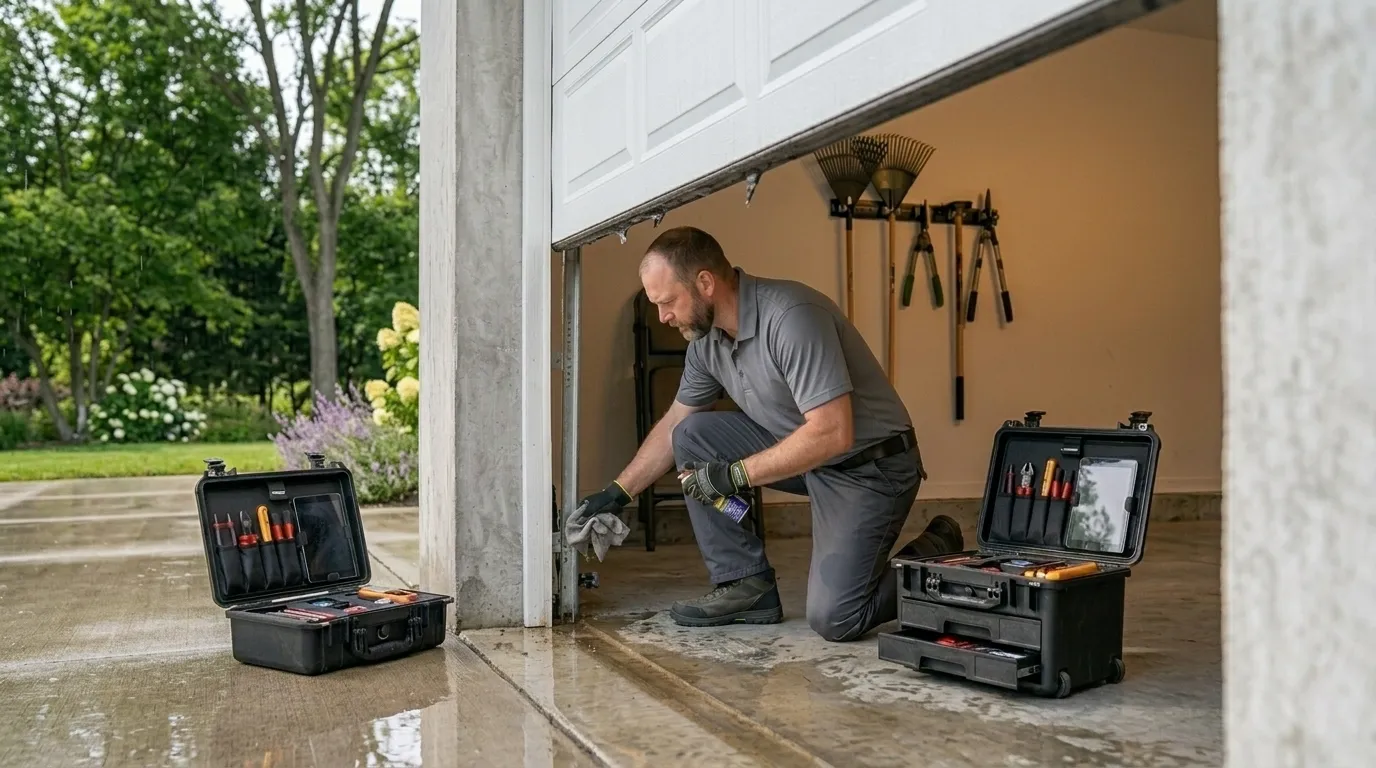
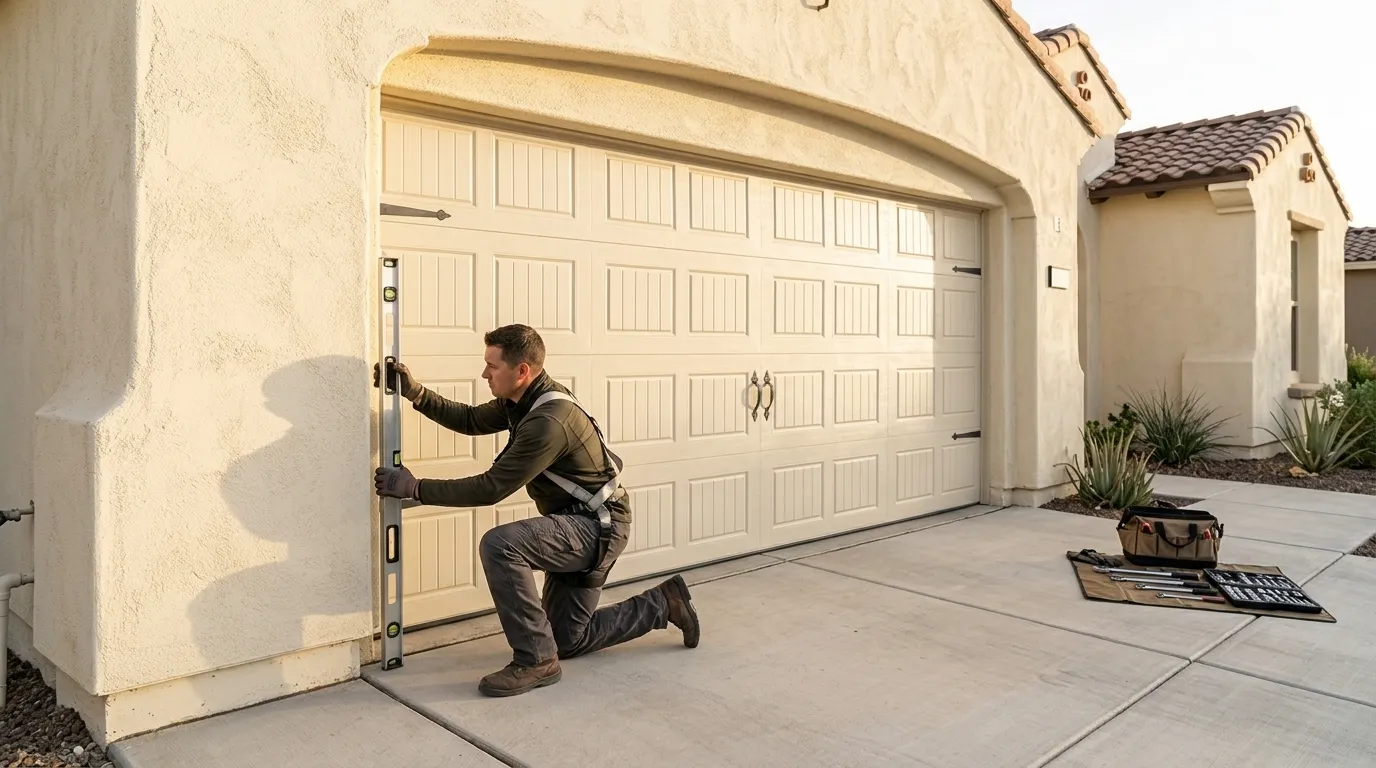
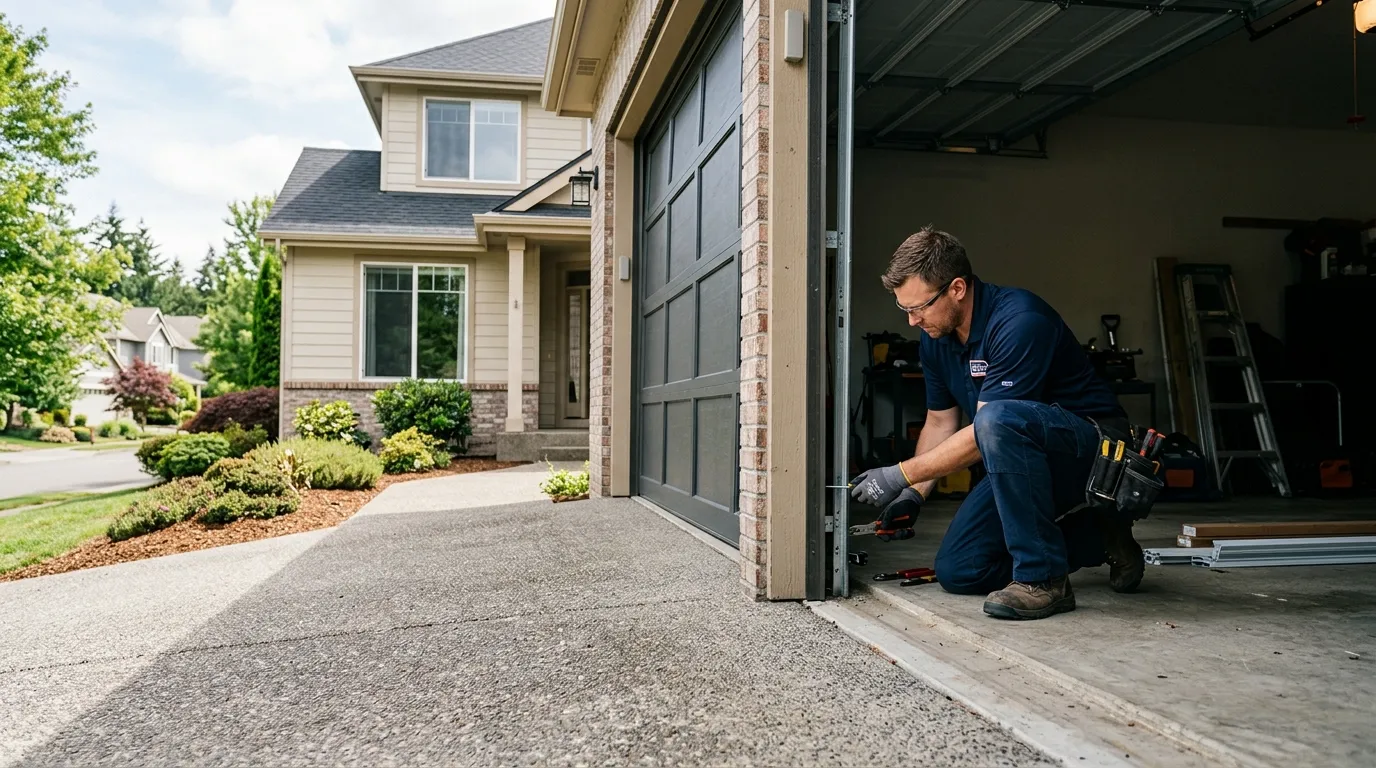
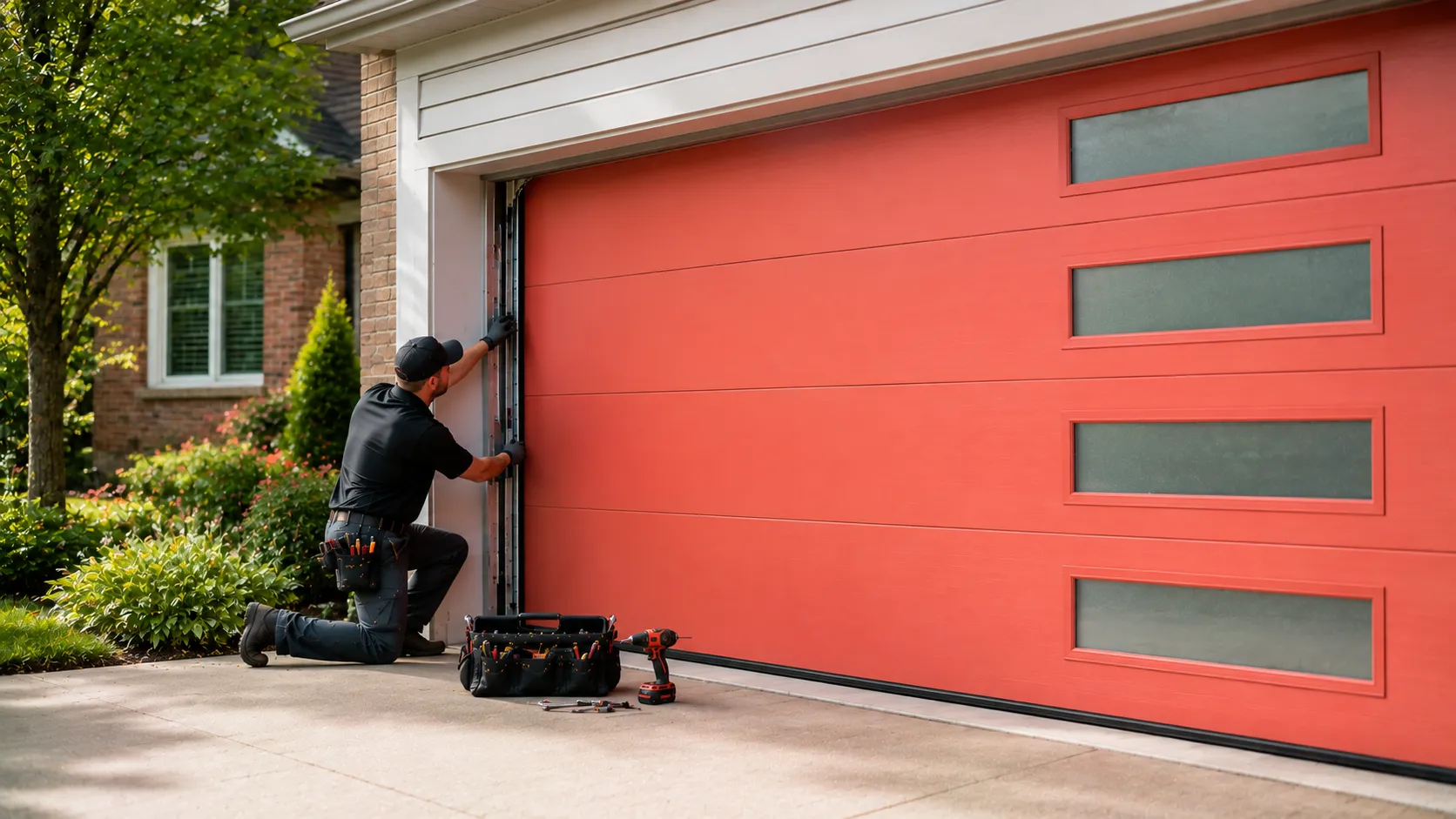
Rutherford sits about 18 miles from our shop in Petaluma, and the houses out here are older than what we see on most of our calls. The median build year in Rutherford is 1947, roughly two decades ahead of the 1966 median across our wider coverage area. That gap shows up the moment we open a panel. We spend more time here on original wood-frame doors with worn-out extension springs, on tracks that were never upgraded to modern rollers, and on openers that got bolted onto hardware they were never designed for. It's a small area - around 47 households - so we're not out here every week, but when we do get a call it's usually one of these older setups rather than a ten-year-old sectional steel door with a bad sensor. We also see a fair number of one-off repairs on doors that were patched years ago rather than replaced, which means matching old parts instead of just swapping in new ones.
What That Means for Doors
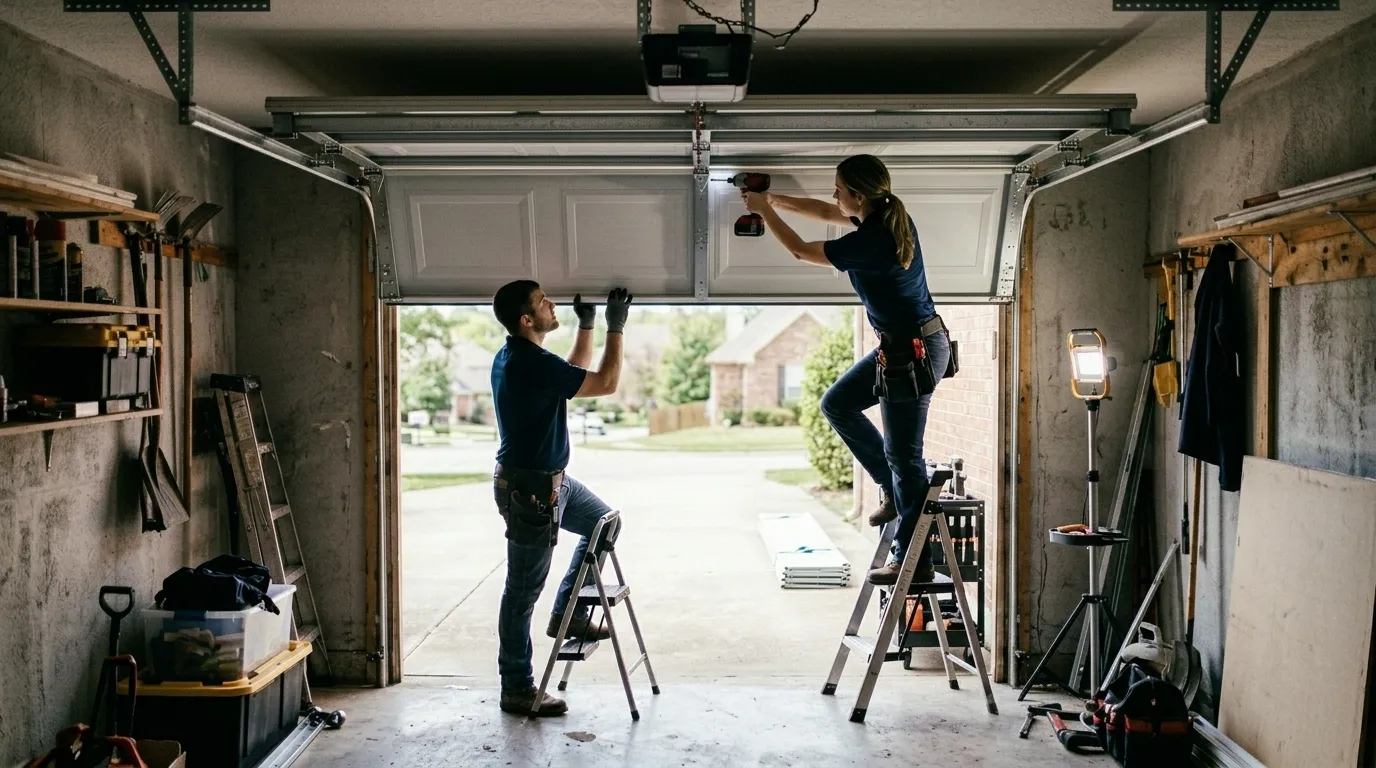
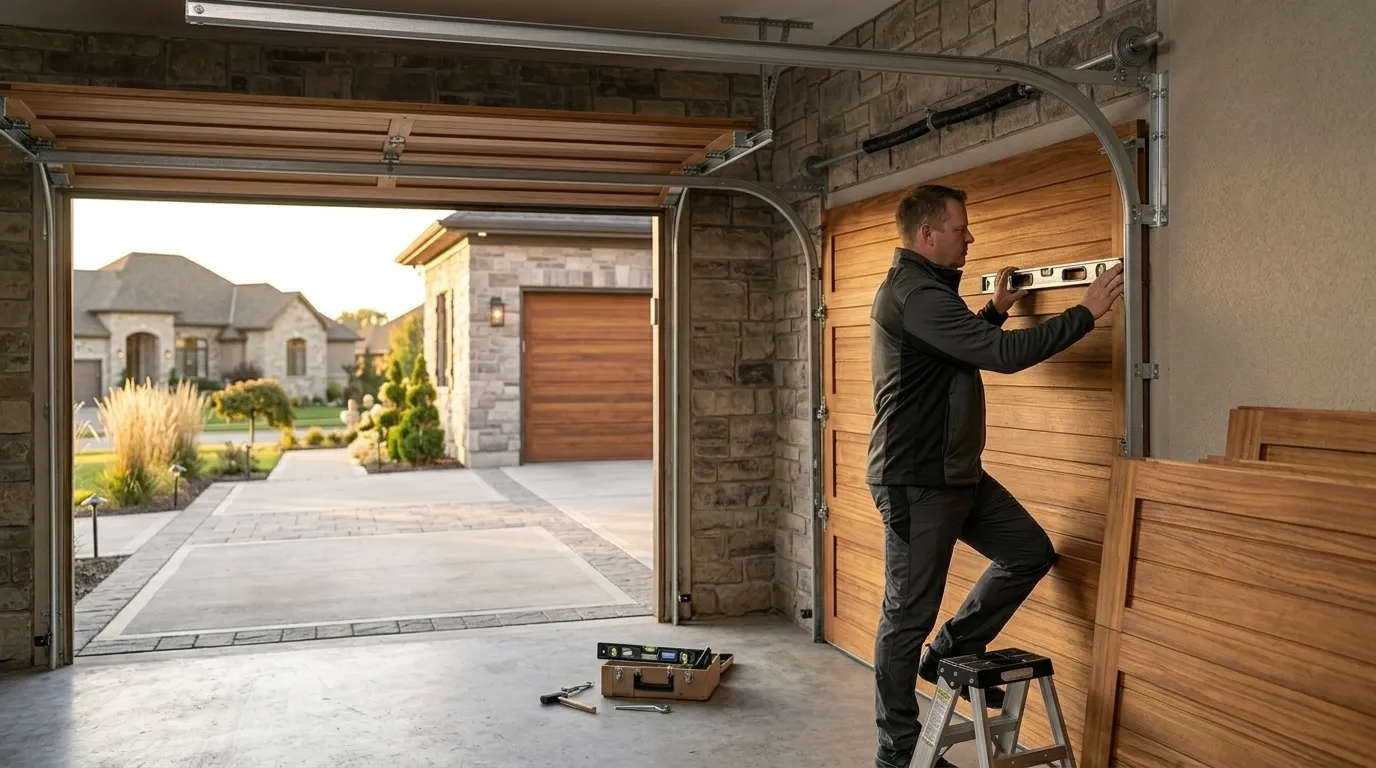
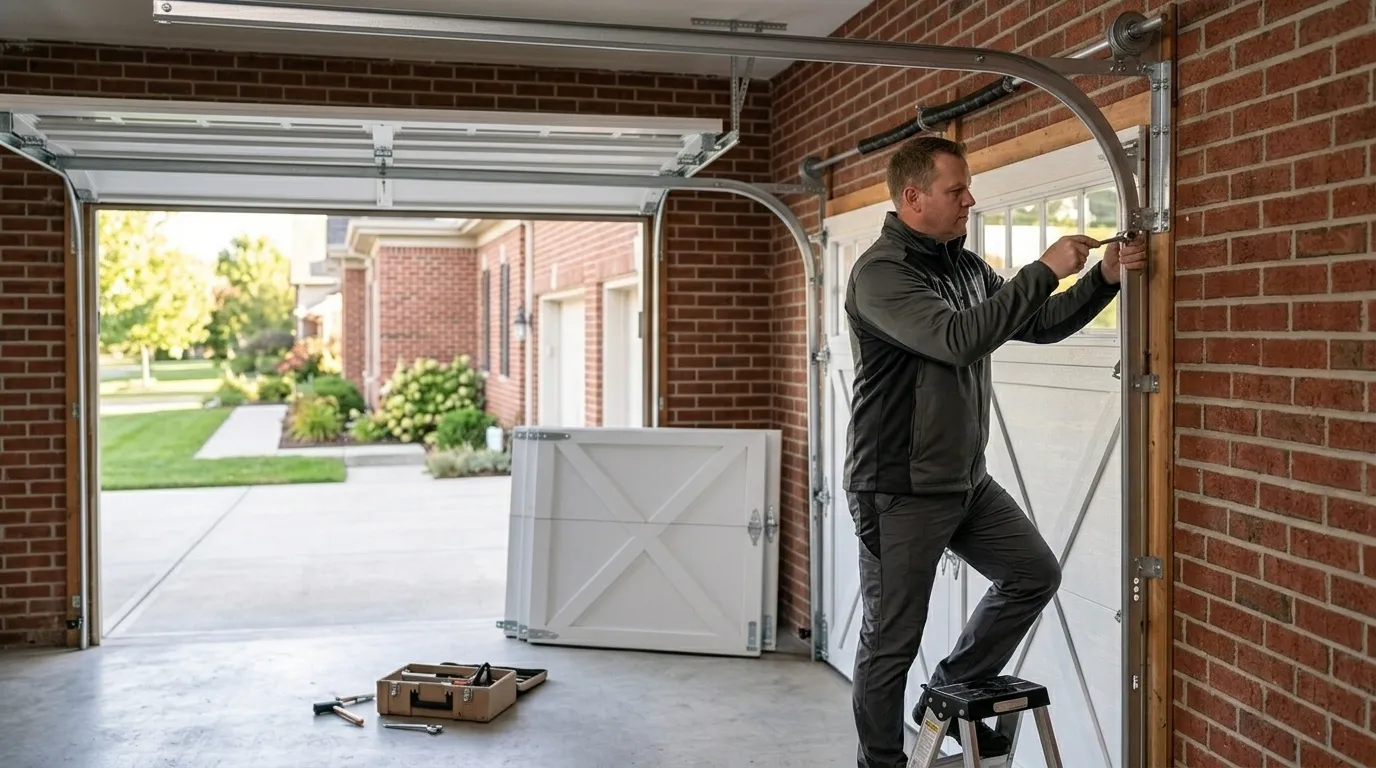
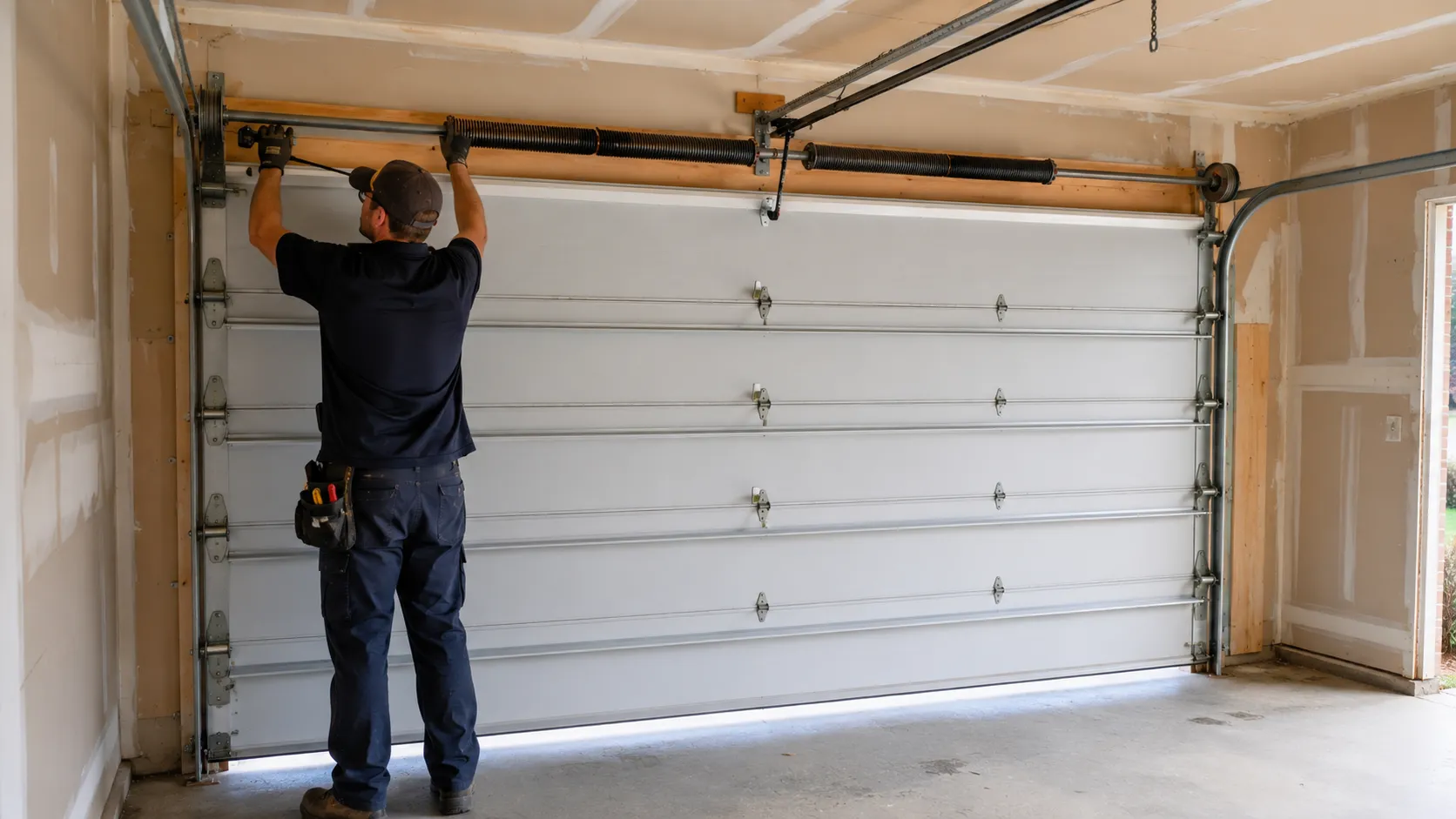
A door built to 1947 standards was never engineered for a 500-cycle-a-year garage door opener, and that mismatch is the root of most Rutherford service calls. Original hardware often means side-mounted torsion springs or plain extension springs with no safety cables, hinges sized for lighter wood panels, and tracks that have been reset more than once over the decades. The mild temperate climate here has been kind to the wood itself - you don't get the swelling and cracking that a harsher climate would cause - but it hasn't done anything for the metal fatigue on 70-plus-year-old springs and rollers. When we work on these doors, the fix is rarely a simple sensor alignment; it's usually spring replacement matched to the original door weight, or a full hardware upgrade if the frame is still sound but the moving parts are shot.
This Area's Housing
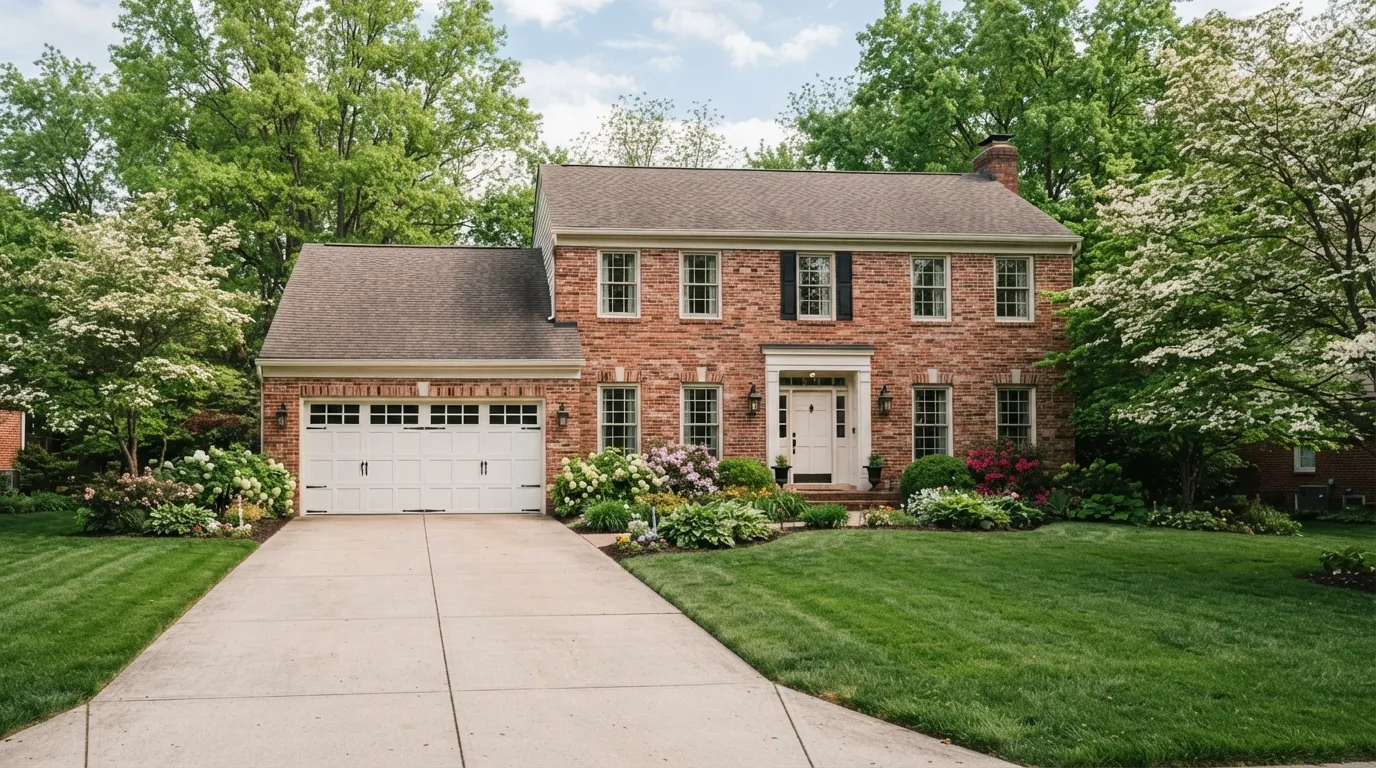
With about 47 households, Rutherford is one of the smaller pockets in our coverage area, and the housing stock reflects an earlier build era than the 1966 median we see across the 30 communities we serve. That earlier era matters more than the size of the area does. A door installed in the late 1940s or early 1950s predates the torsion-spring standards that became common decades later, so when something breaks, we're often working with a configuration that newer parts aren't drilled or sized for. We treat these calls as hardware-matching jobs first and repair jobs second - figuring out what's actually on the door before deciding whether to source period-correct parts or recommend a full replacement that brings the opening up to current spring and cable standards.