What We Do Most in This Area
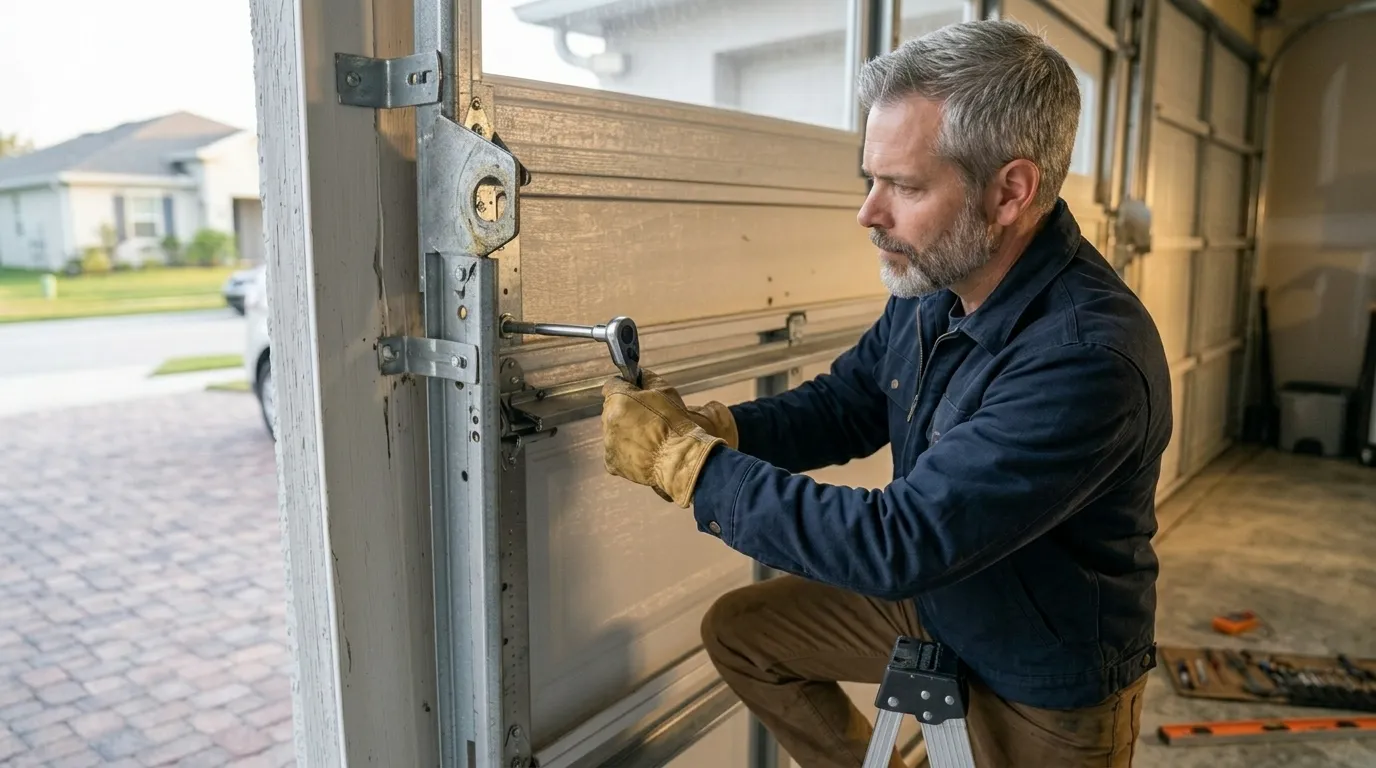
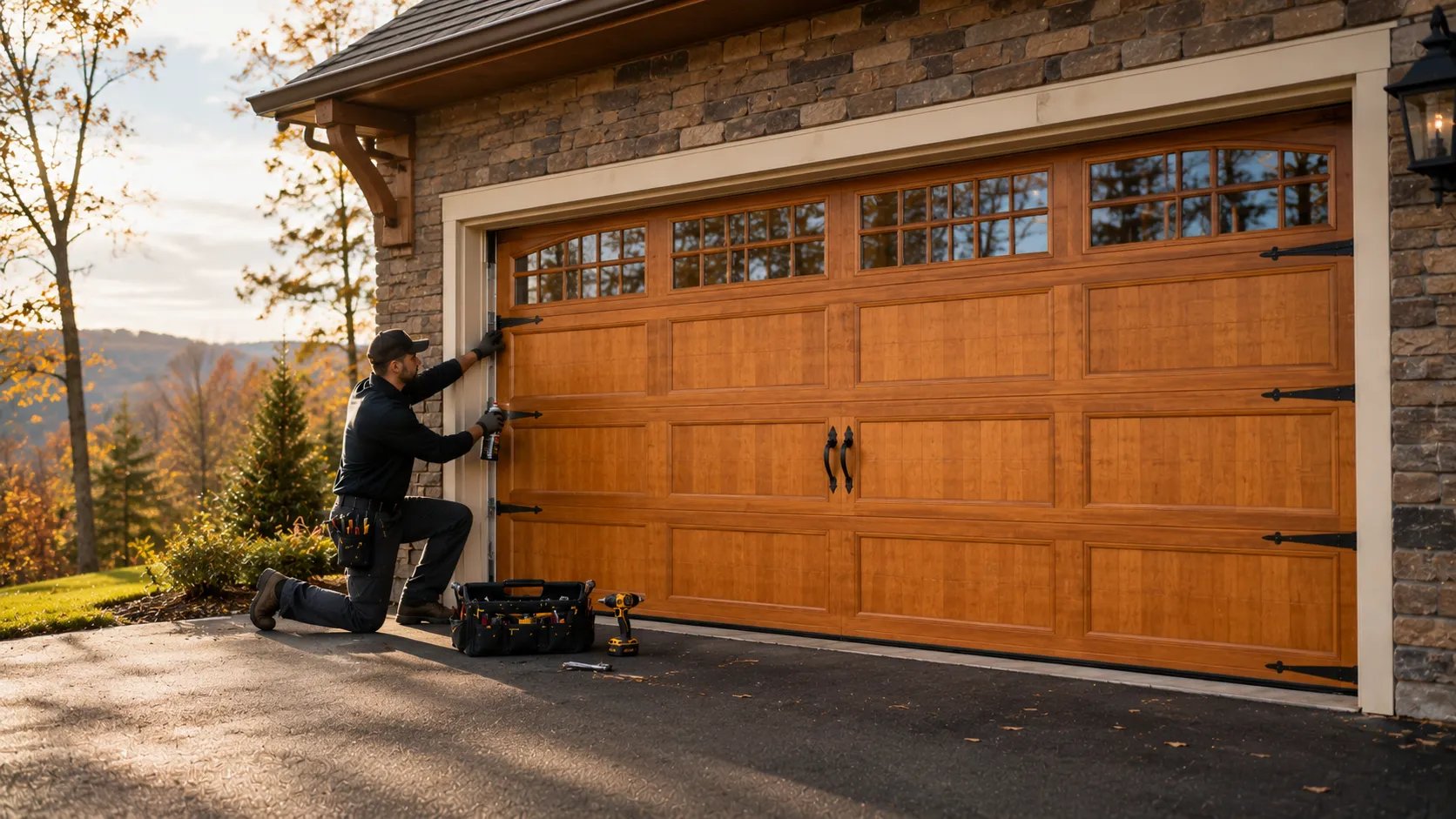
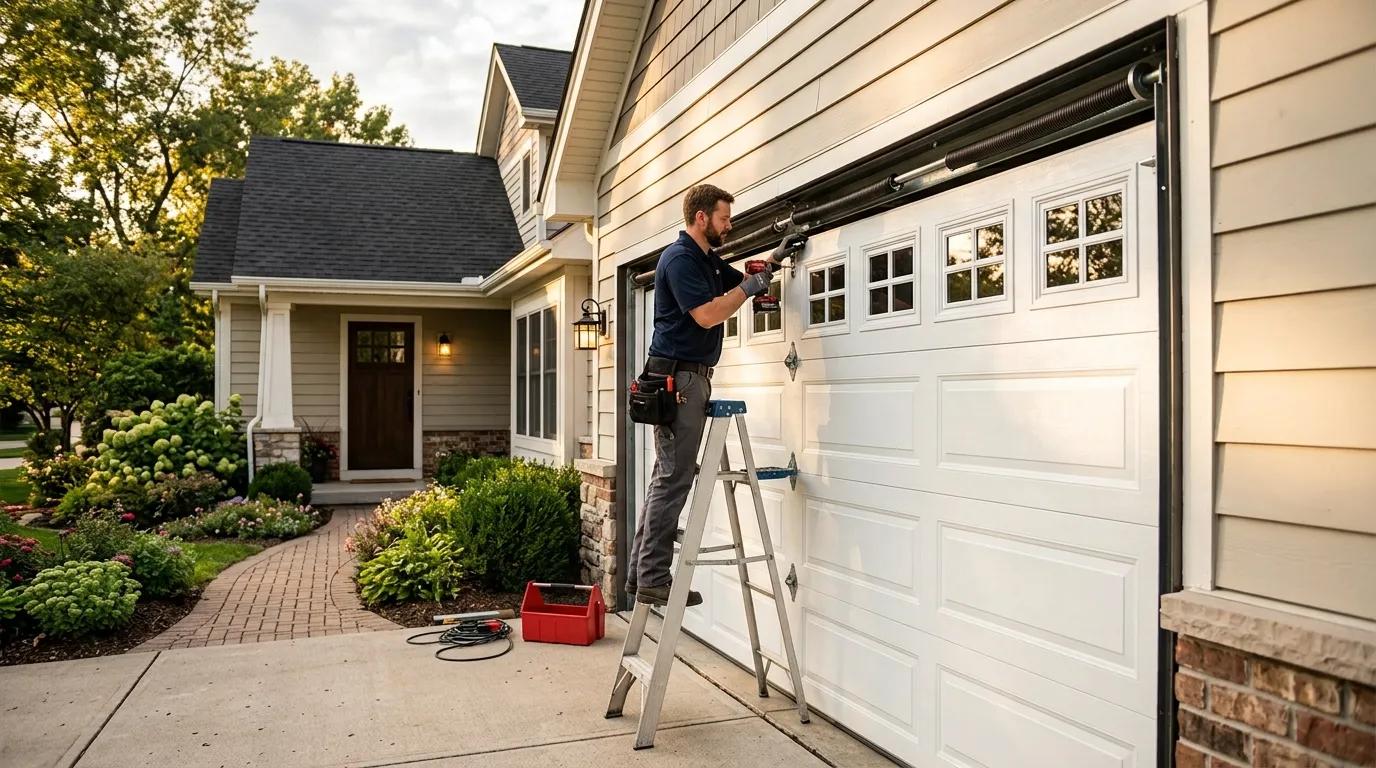
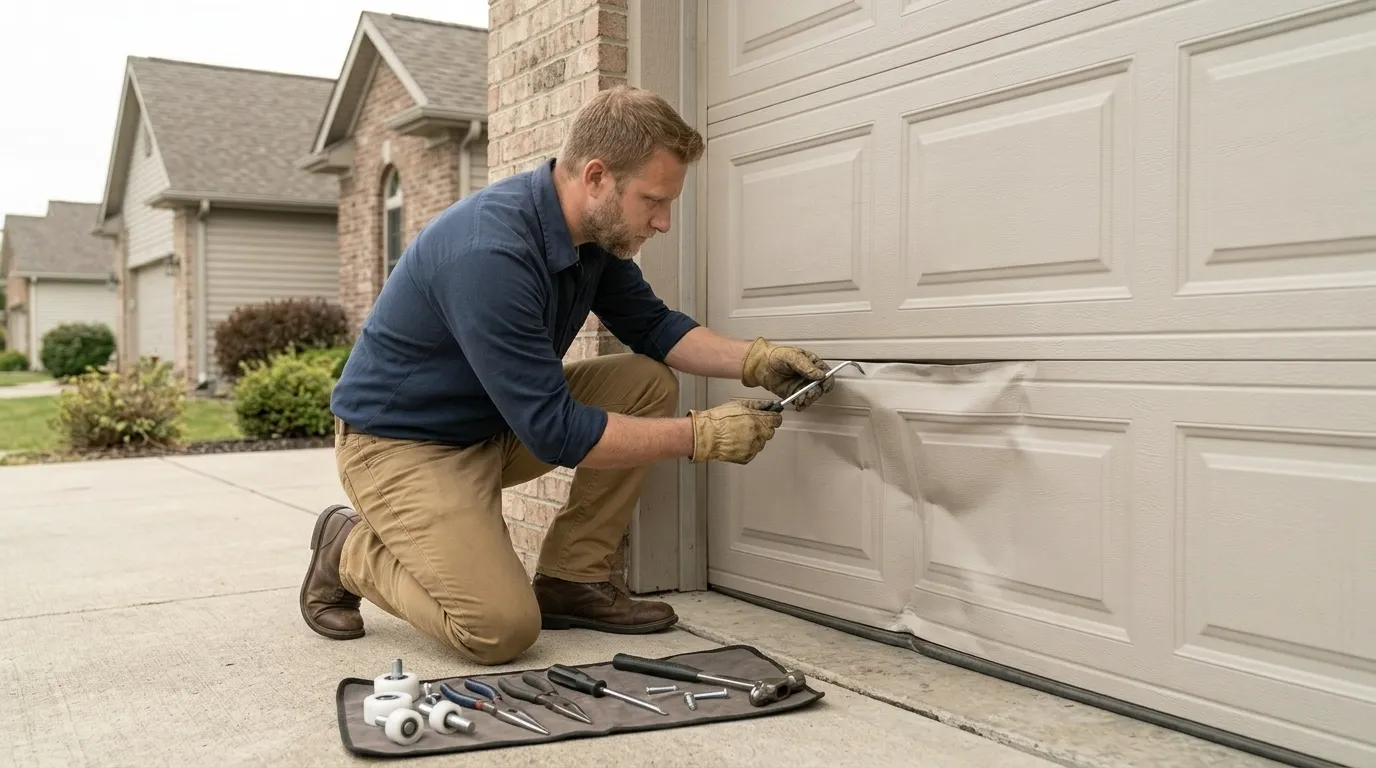
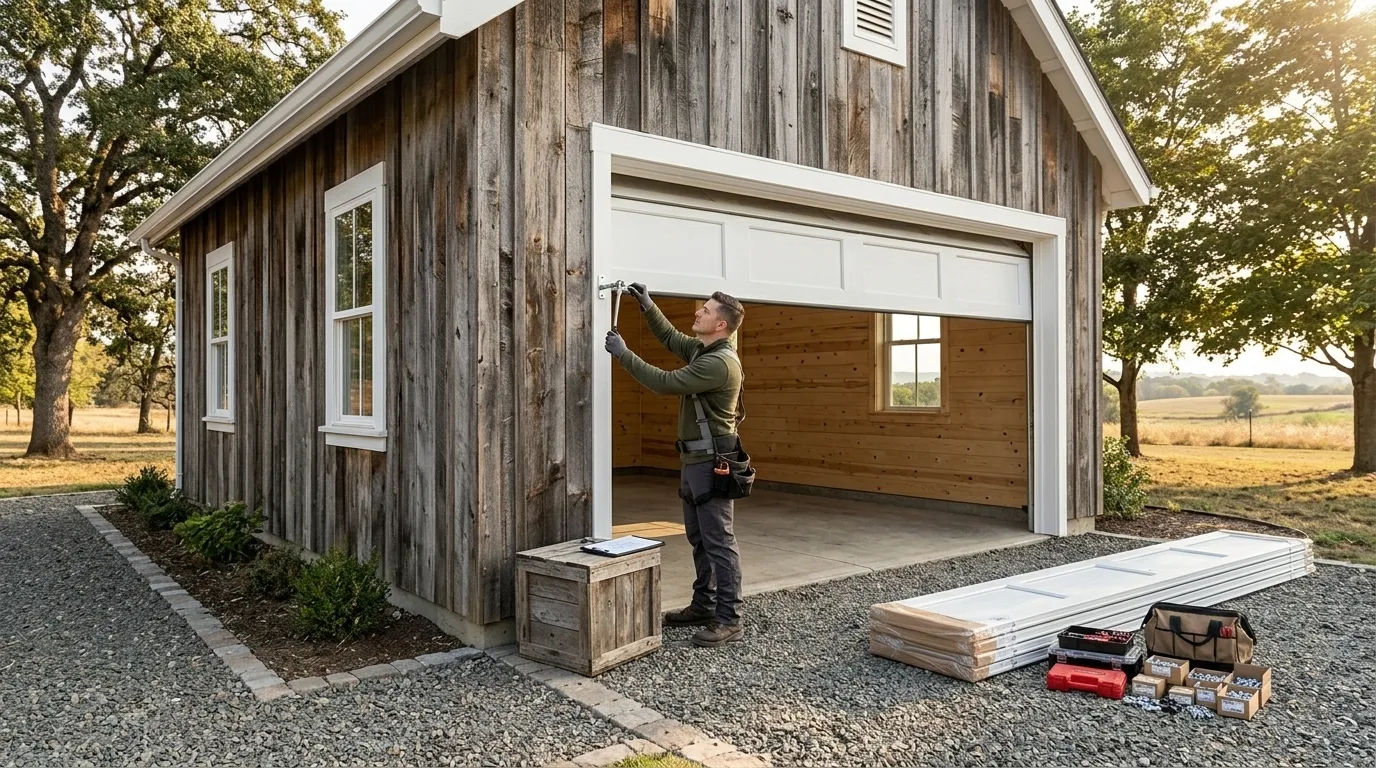
Ross sits about 20 miles from our Petaluma shop, and the calls we get from here skew older than what we see closer to home. The area's housing runs back to a median build year of 1938, decades ahead of the 1966 median across the wider service territory covered by F1. That gap matters: a door installed in the 1930s or 40s often means original wood jambs, narrow tracks, and hardware that was never designed for a modern extension-spring or torsion retrofit. We spend a good share of our Ross jobs matching springs and drums to non-standard headroom, adjusting doors that have racked slightly with an old jamb, and swapping out rollers that were never meant to carry today's heavier insulated panels. It's not glamorous work, but it's specific, and it's the reason we don't treat a Ross call the same way we'd treat a call from a subdivision built in the 1970s. With 876 households in the area, this isn't high call volume for us, but it's consistent, and the pattern repeats: old bones, updated panel, hardware that doesn't quite match either era.
What That Means for Doors
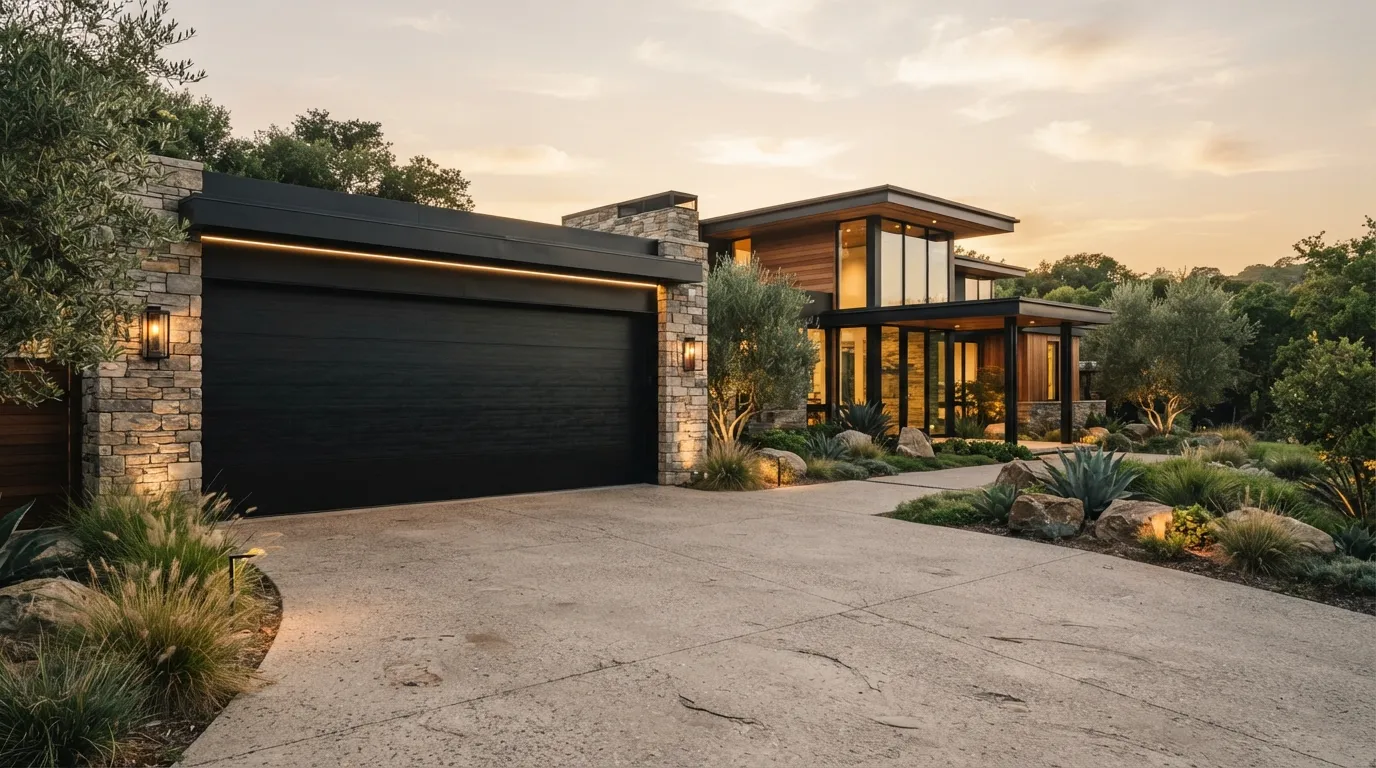
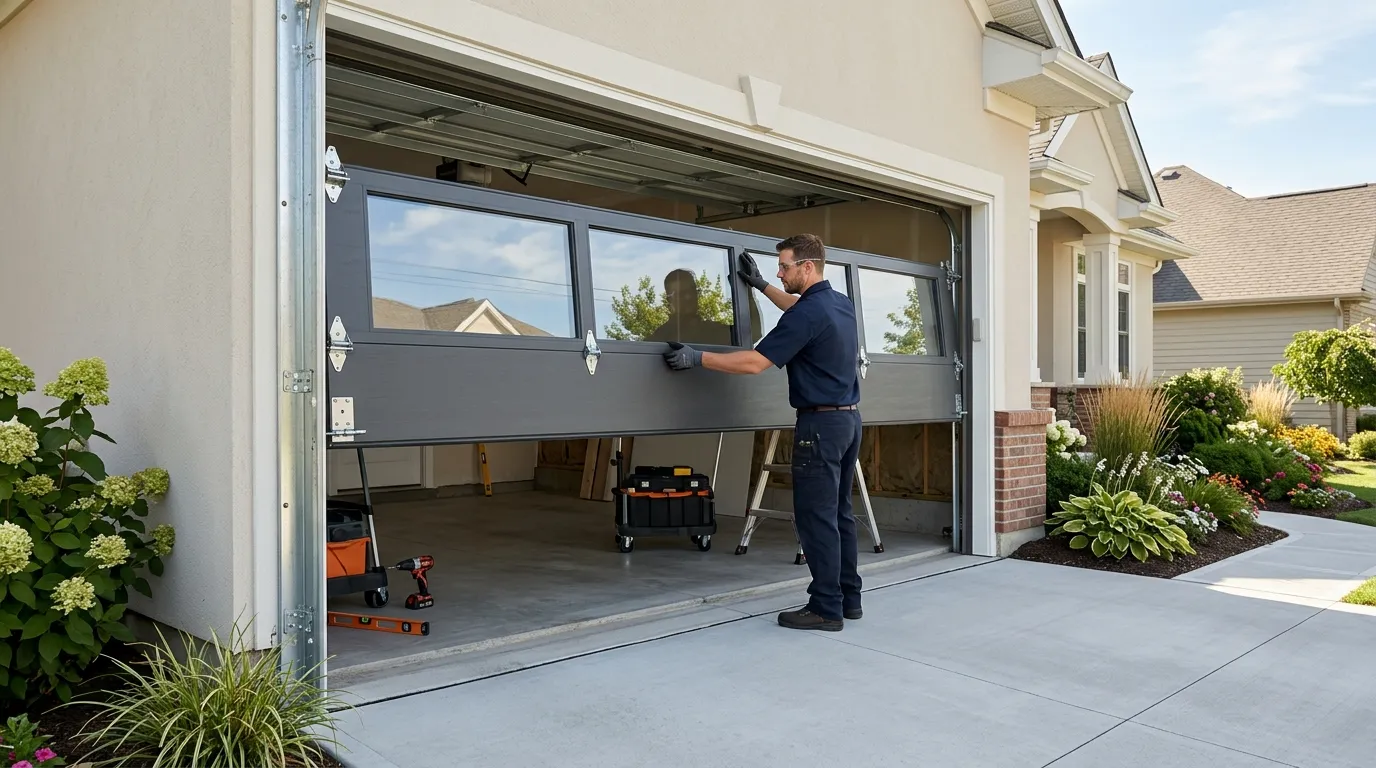
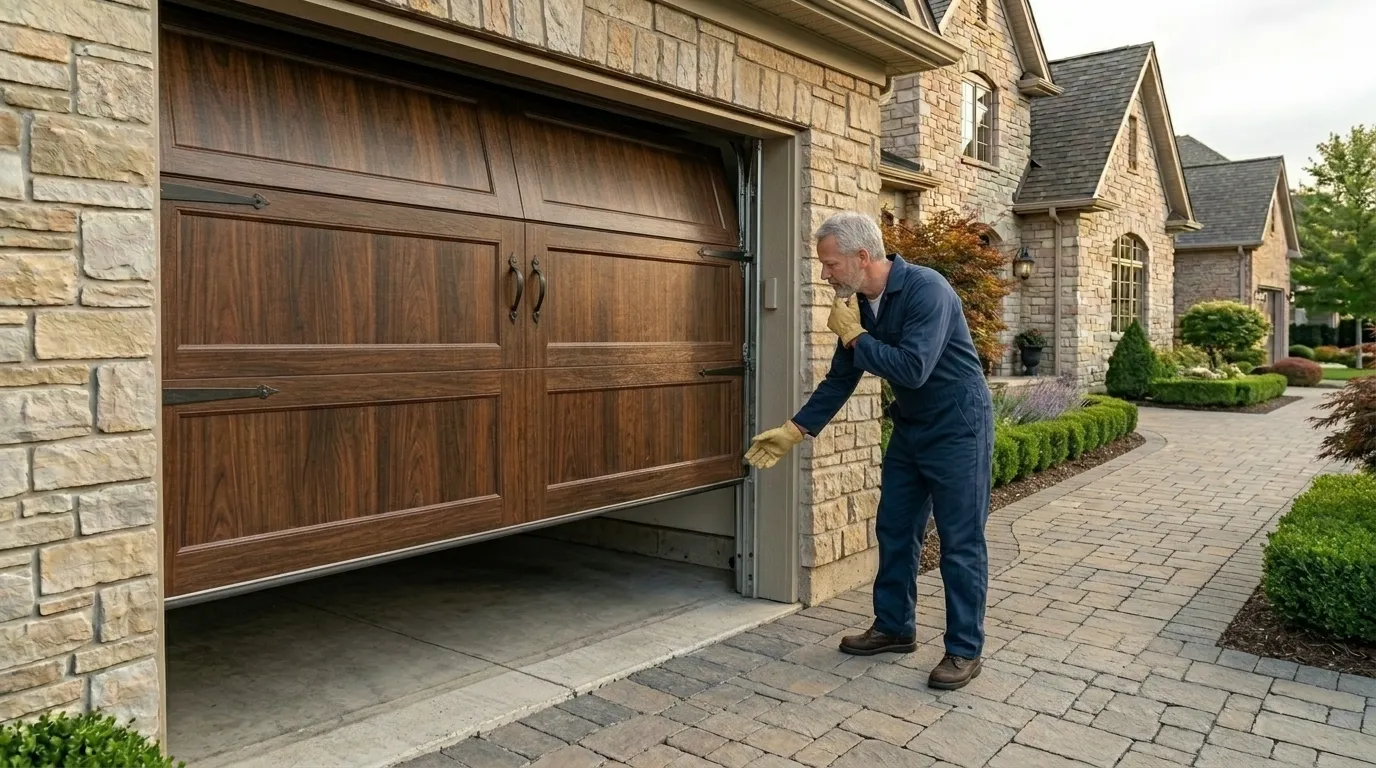
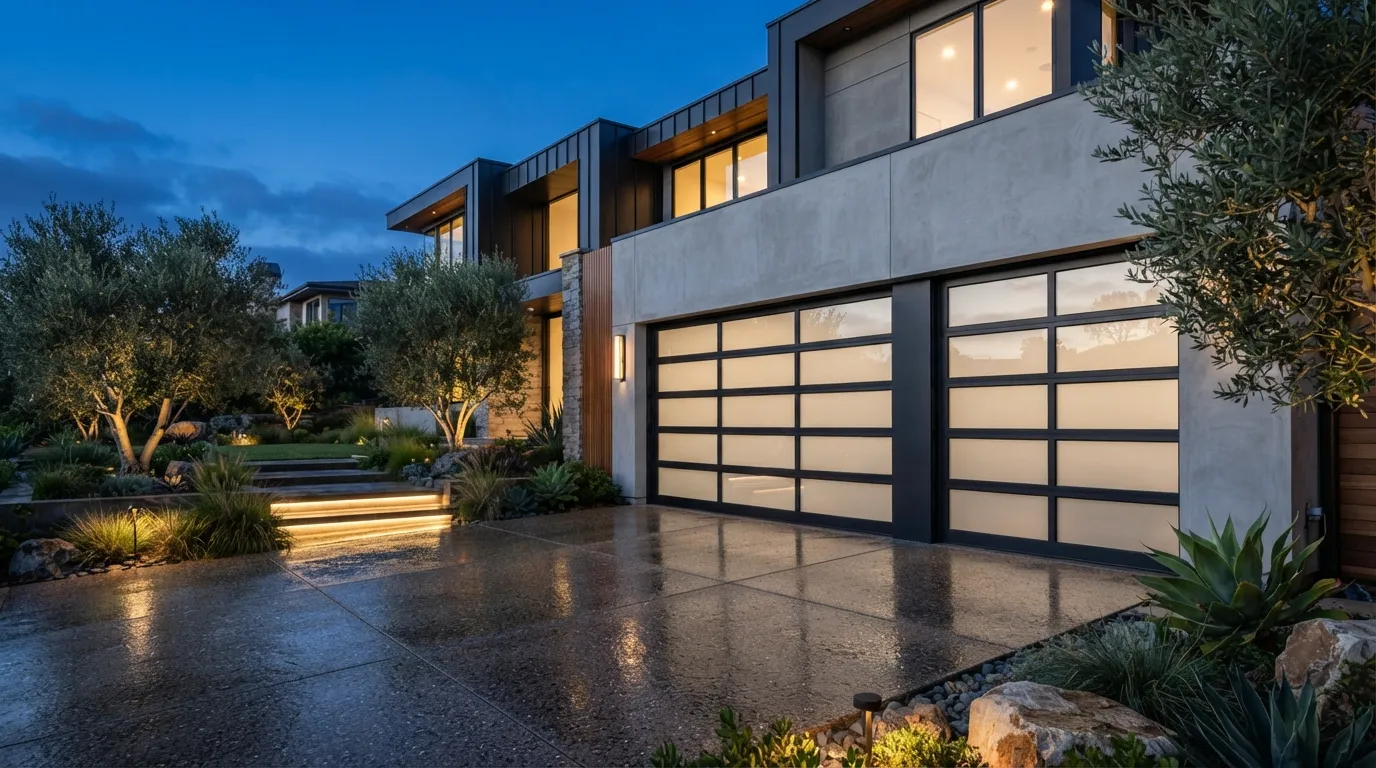
On a house built in 1938, the garage may have started as a single-car opening with a swing-out door, later converted to a roll-up when someone added an opener decades on. That conversion history is exactly what trips up a generic repair: the track spacing, the spring size, and the header clearance were often fitted to whatever door was on hand at the time, not to a manufacturer spec sheet. When we're called out, the first ten minutes are usually spent figuring out what's actually installed before we can talk about what it needs. Median household income in this area runs well above the wider region - over $250,001 - and we see that reflected in the doors themselves: more solid-wood or higher-grade insulated panels, custom widths, hardware that was upgraded once already and needs matching rather than replacing wholesale. The mild temperate climate here means we're not fighting frozen tracks or storm damage, so most failures trace back to age and metal fatigue rather than weather.
This Area's Housing
Ross's housing predates the broader service area by a wide margin - a median build year of 1938 against 1966 for the region as a whole, and against the 1960s-70s stock that dominates most of the 30 named communities we cover. With only 876 households in the area, it's a small, older pocket, and that combination of age and size is unusual: enough homes to see the same hardware problems repeat, not enough that a big-box installer has bothered to stock parts for it locally. Owner-occupied homes make up a large share of the broader region's 24,784 owner-occupied houses, and Ross fits that ownership pattern even though its numbers are smaller. When we quote a job here, we're pricing in the age of the structure as much as the door itself.