What We Do Most in This Area
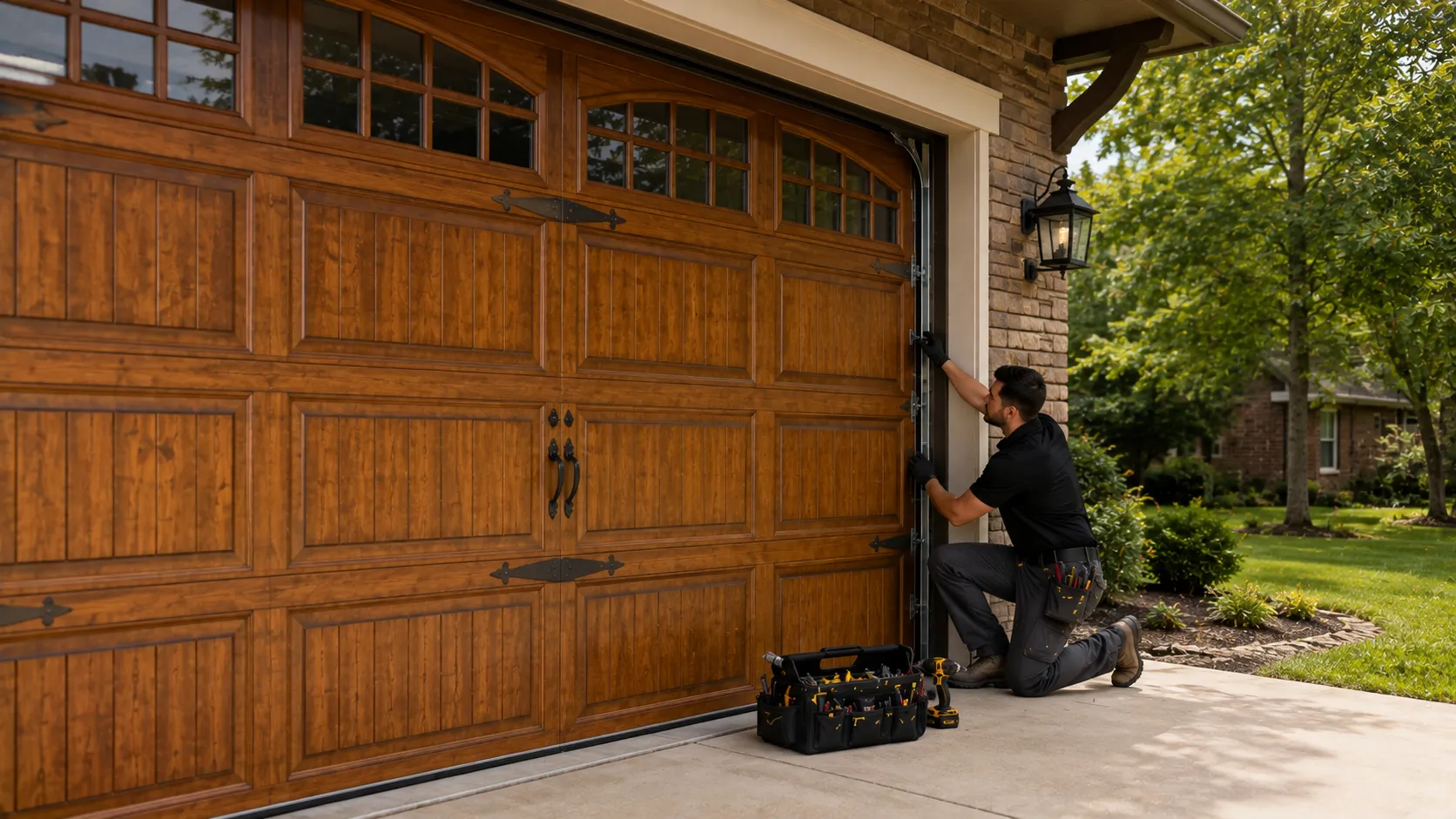
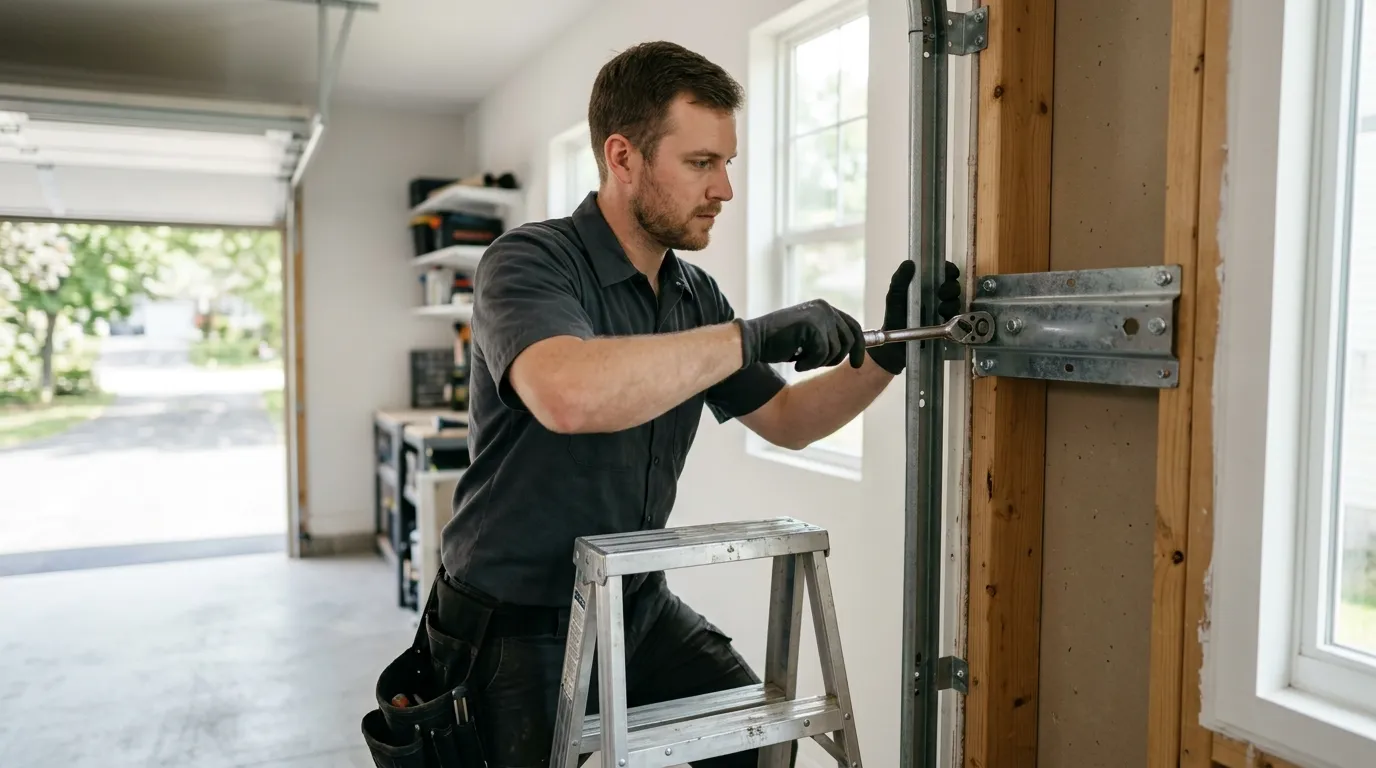
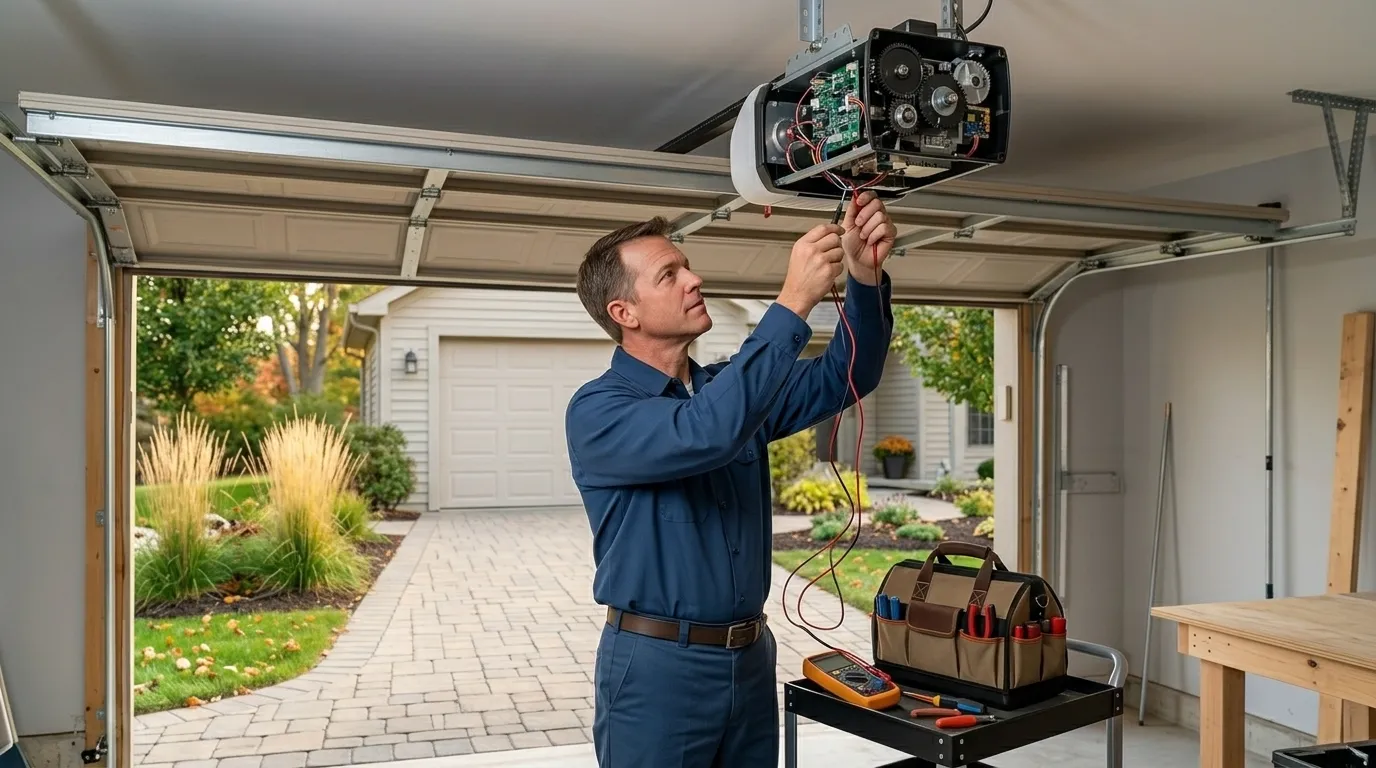
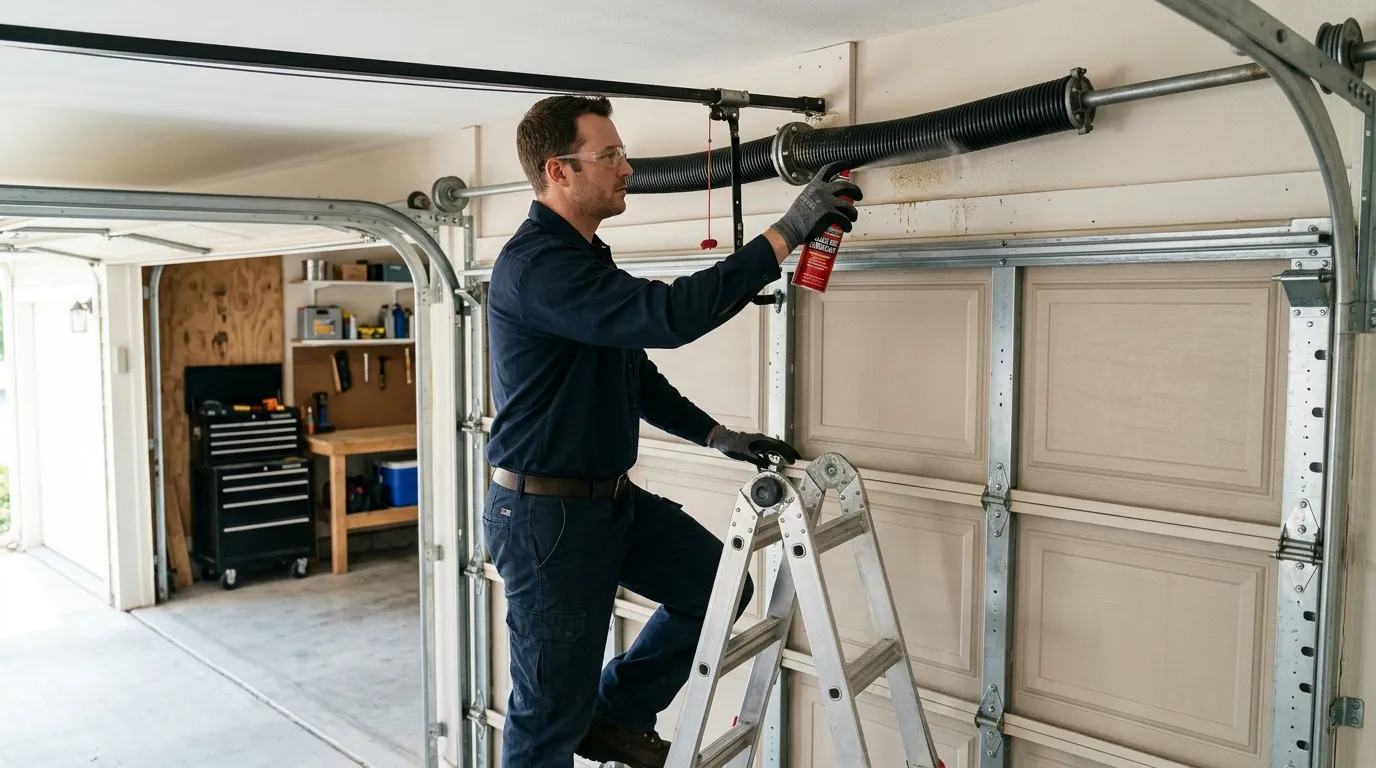
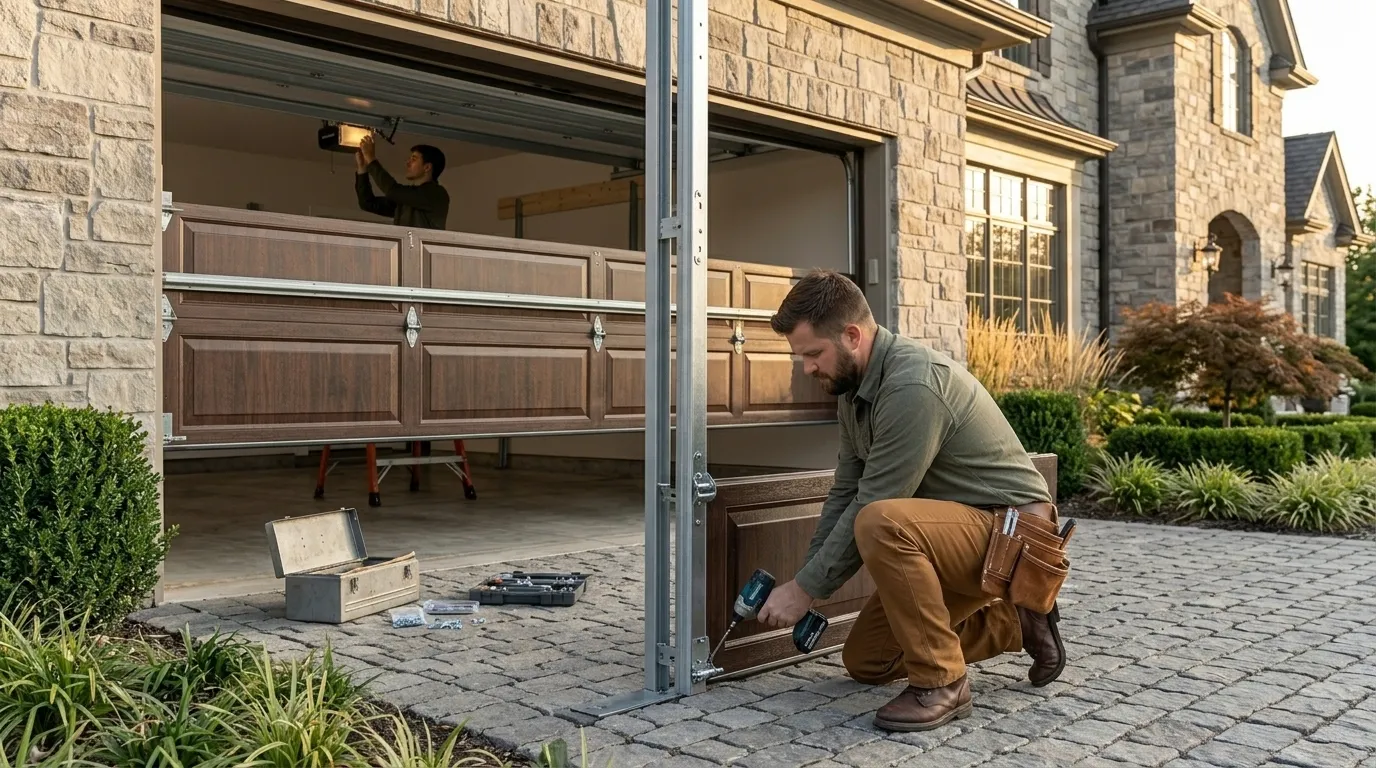
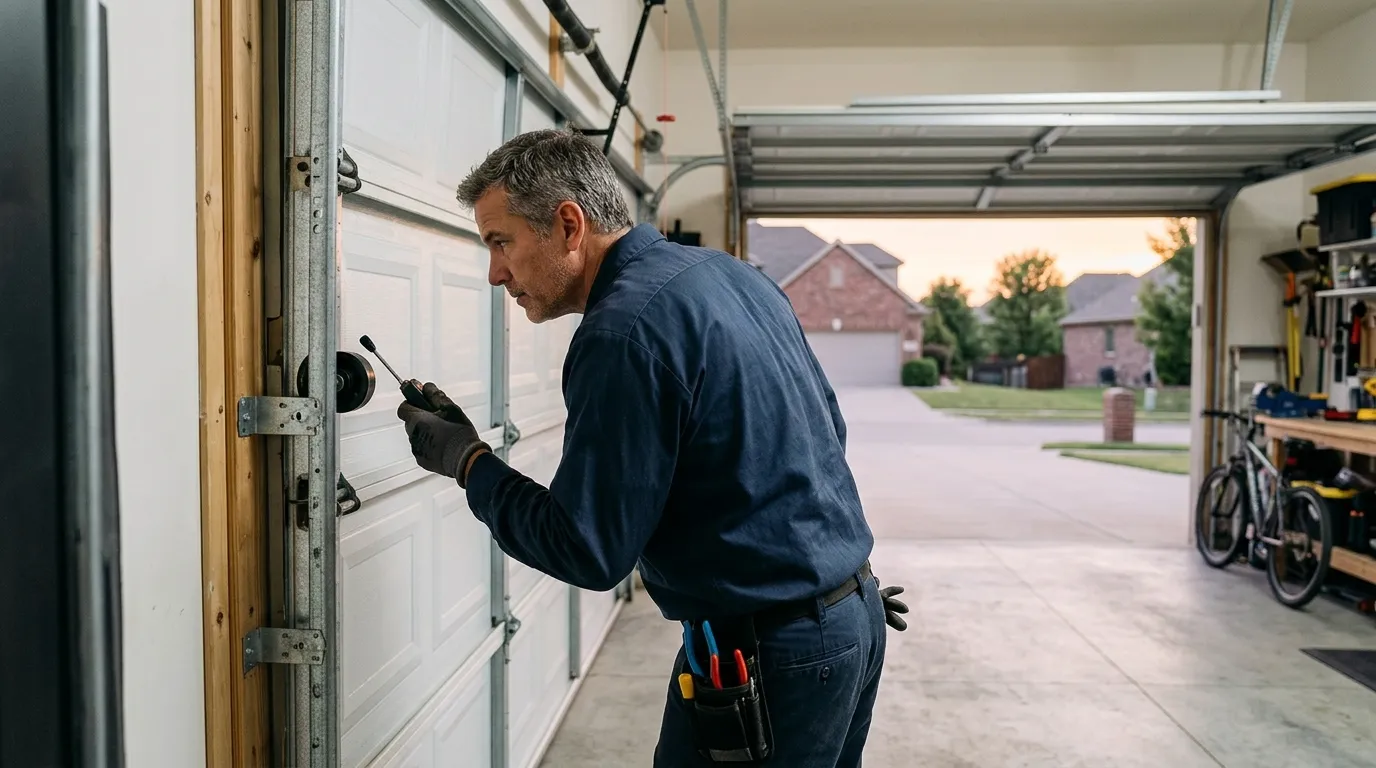
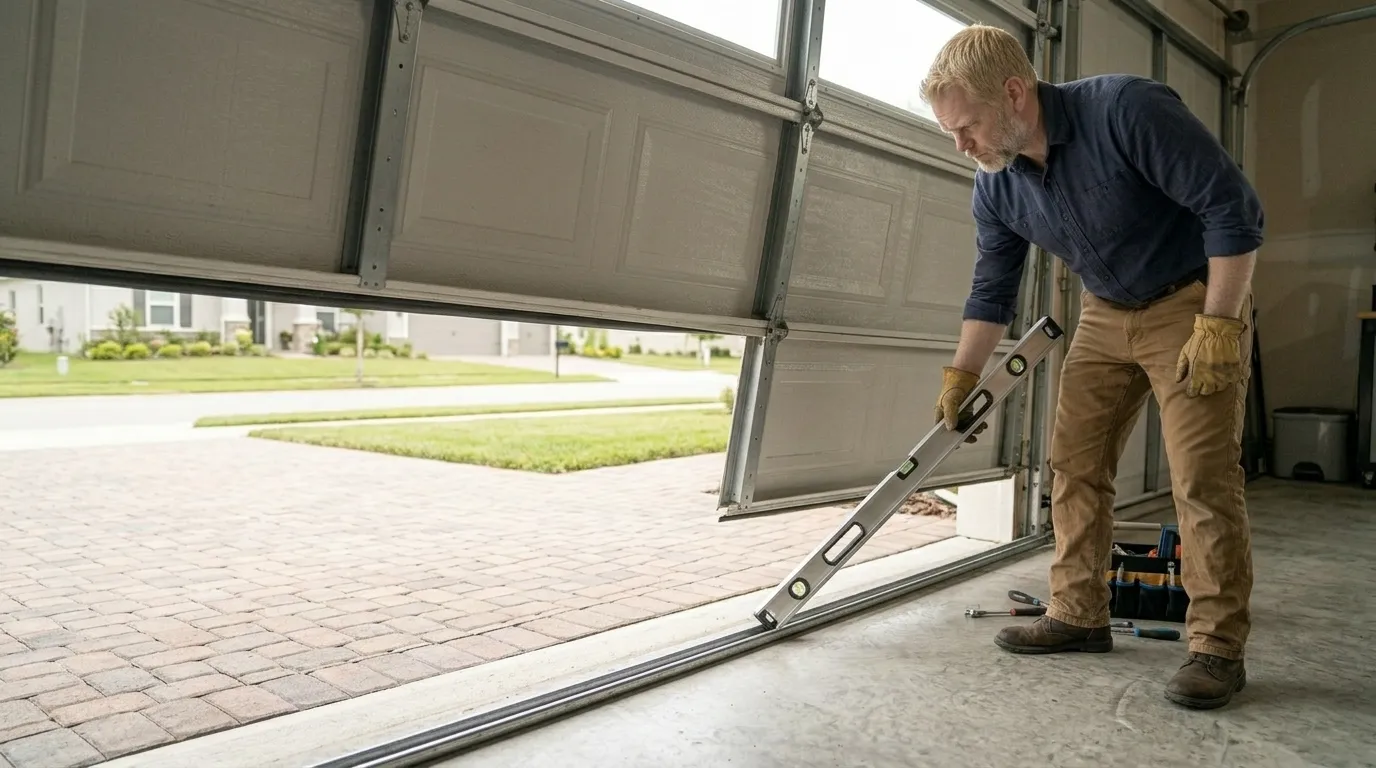
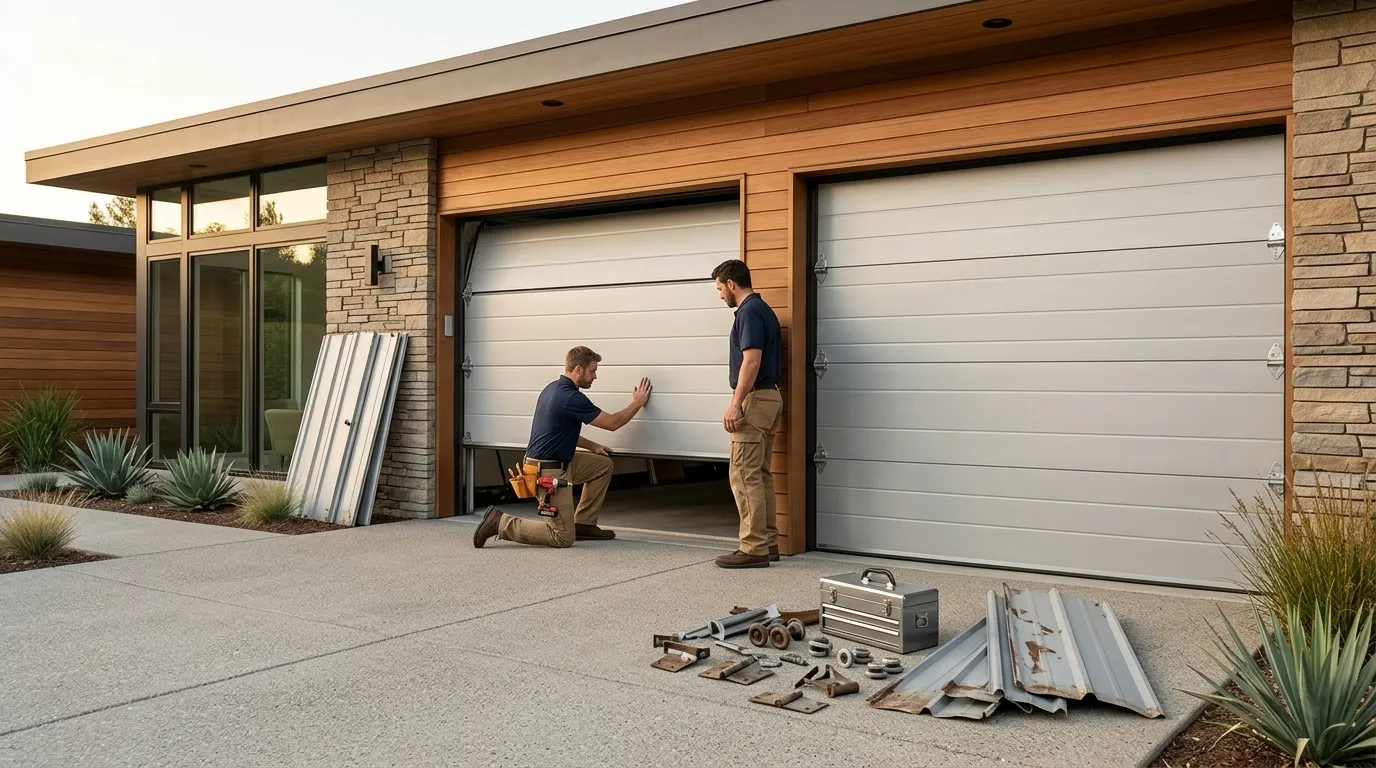
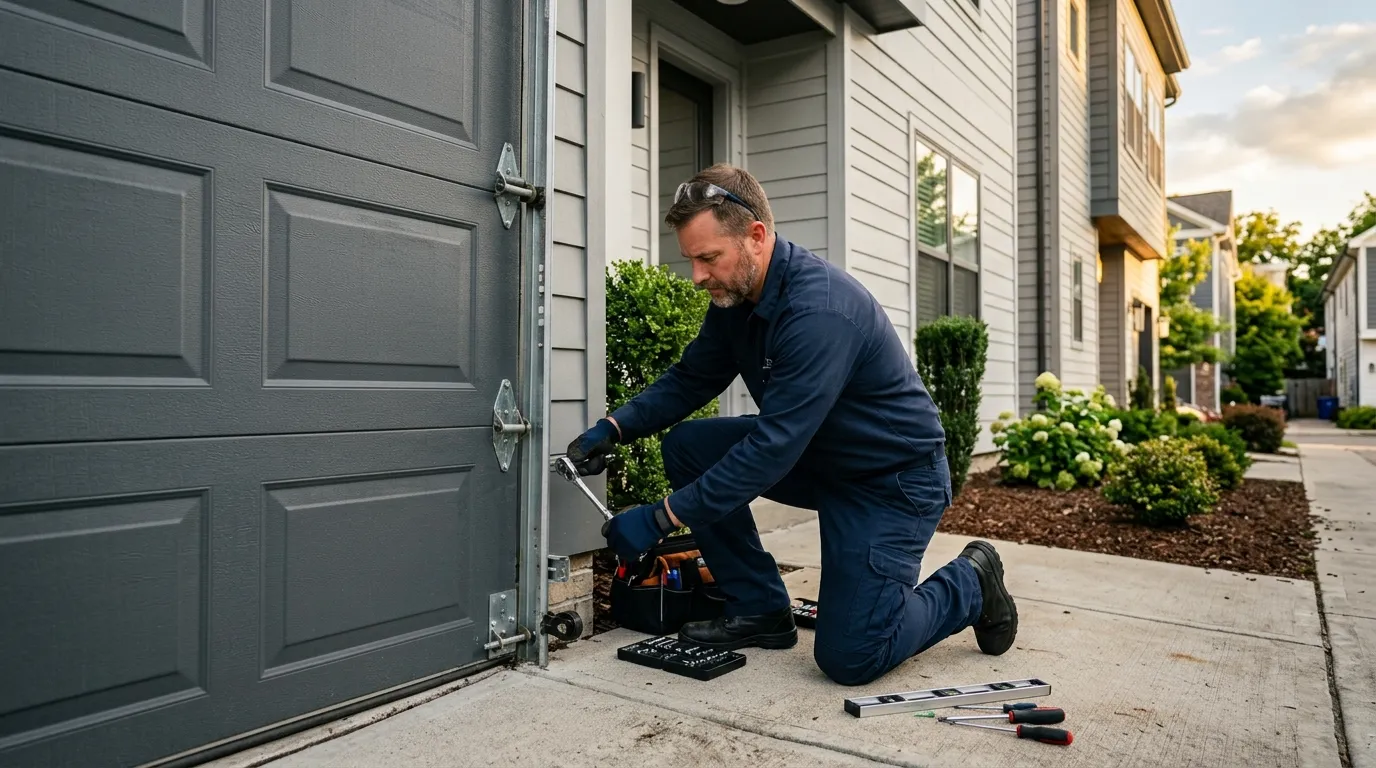
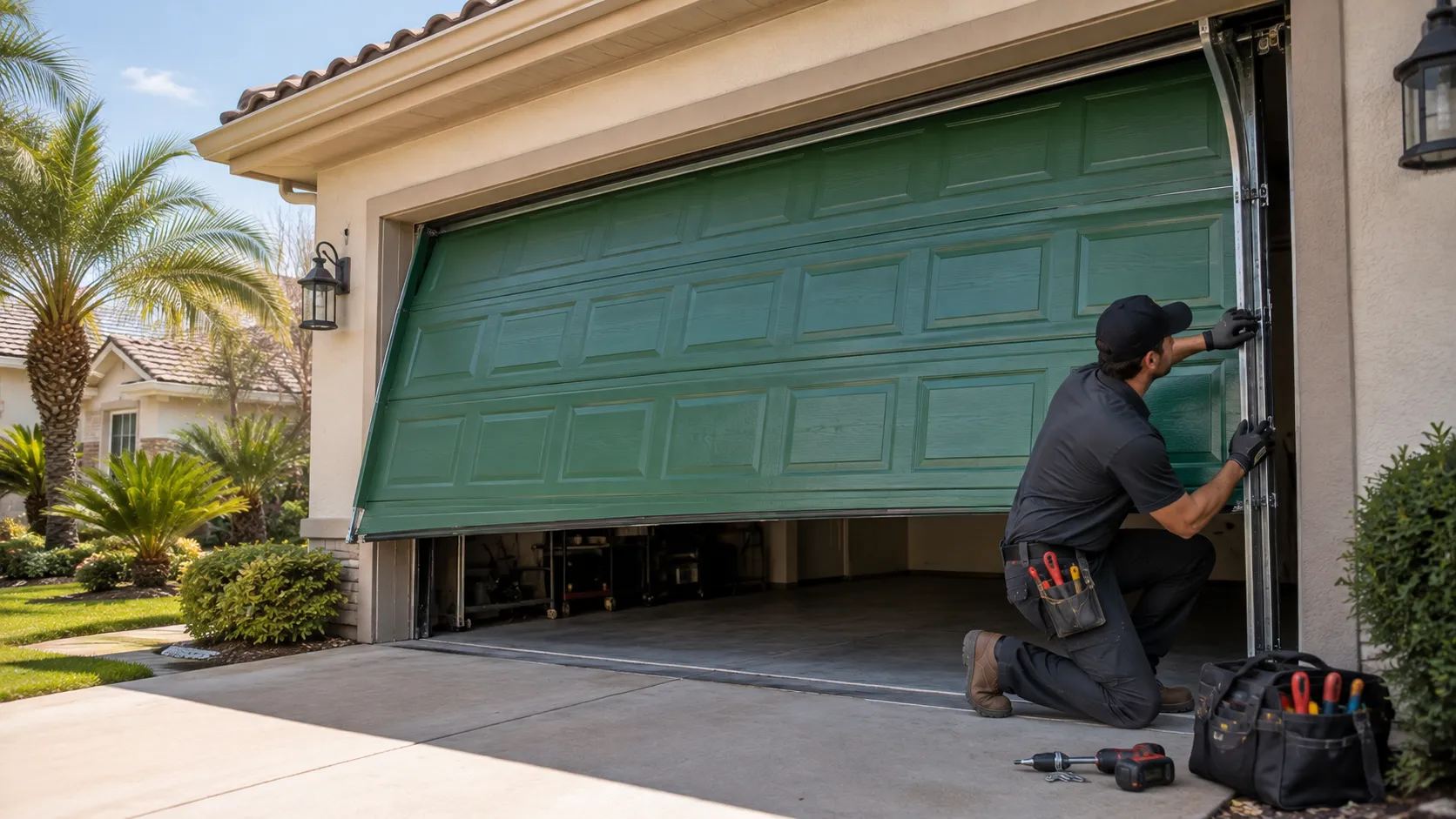
Occidental's housing stock centers on 1972, a few years newer than the wider service area's 1966 median, and that shows up in the work orders. Most calls out here are torsion spring replacements on doors that were installed as single units with steel tracks bolted straight to redwood framing, plus opener swaps where a chain-drive unit from the 80s or 90s has finally worn through its gear. We also see a fair number of panel and section replacements on doors that took on moisture over the decades - Occidental sits back in the hills, and older wood-trimmed doors here don't dry out the way a stucco-tract door in a flatter part of the county might. With only 541 households in the area, we're not running a high volume of calls, but the ones we get tend to be on original or near-original hardware rather than newer builder-grade doors.
What That Means for Doors
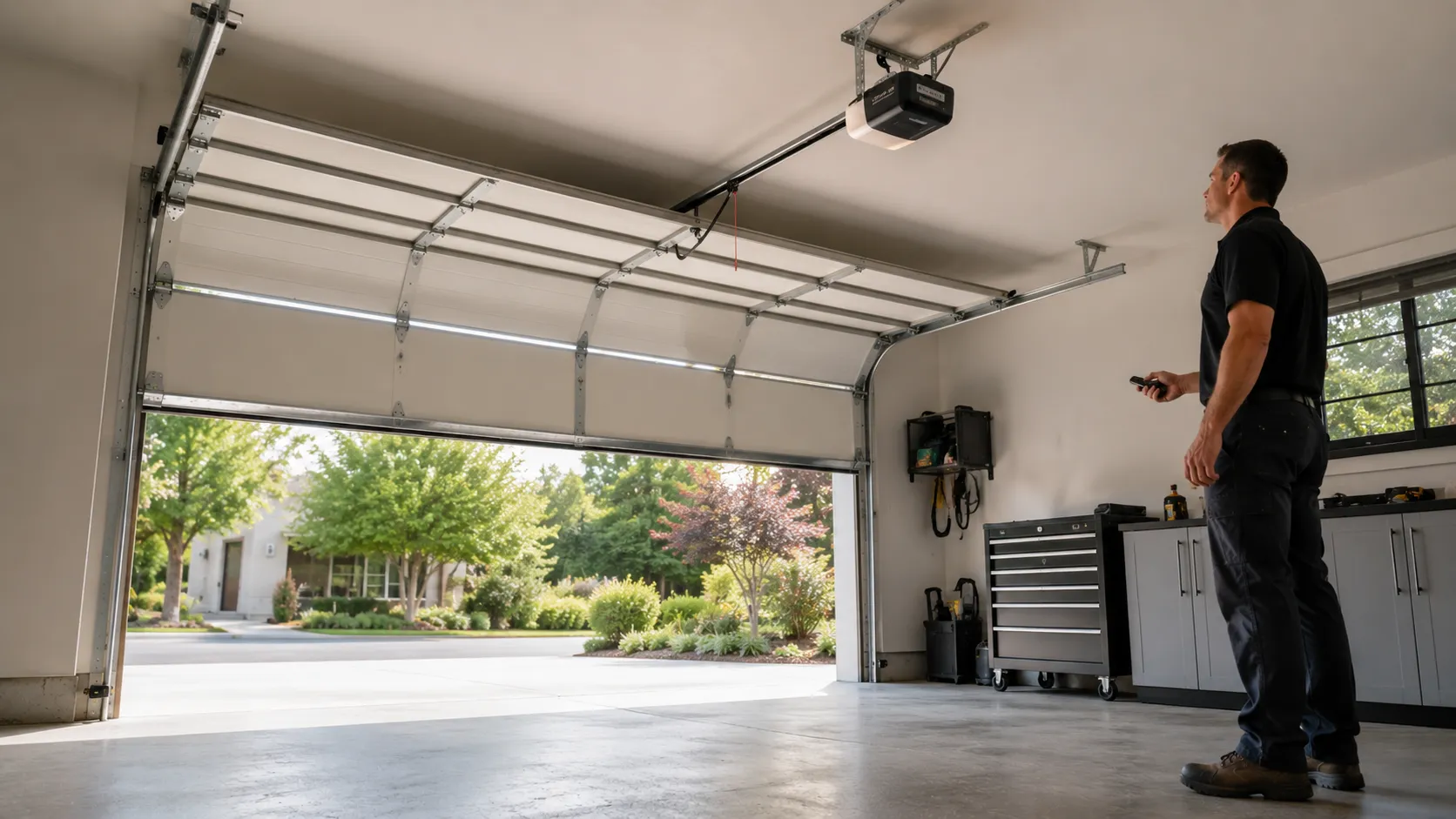
A door installed around 1972 predates almost every modern safety feature that's now standard: no auto-reverse sensors, often no reinforcement strut on the bottom panel, and hinges sized for a lighter door than what's typically ordered today. When we get an opener call in Occidental, the first thing we check is whether the door itself can safely carry a new opener's lift force, because swapping in a modern unit on 50-year-old track and rollers can just move the failure point rather than fix it. Given the median household income here runs lower than the broader area's $125,548 - closer to $104,044 in Occidental itself - we try to separate what's actually failing from what's simply old, so a spring job doesn't turn into a full door replacement unless the door genuinely needs it.
This Area's Housing
Across the wider service area, homes run from 1938 to 1988 with 1966 as the midpoint, but Occidental's own median sits at 1972 - a meaningful gap when it comes to what's behind the door. Later-60s and early-70s construction here tends to use lighter track gauge than the 40s and 50s stock closer to Petaluma, and torsion spring cycle counts on doors that age are usually well past their rated life by now. The mild temperate climate in this part of Sonoma County means we're not fighting the freeze-thaw cracking or extreme heat warping you'd see elsewhere, so most failures here are mechanical fatigue - springs, cables, rollers - rather than weather damage to the door material itself.