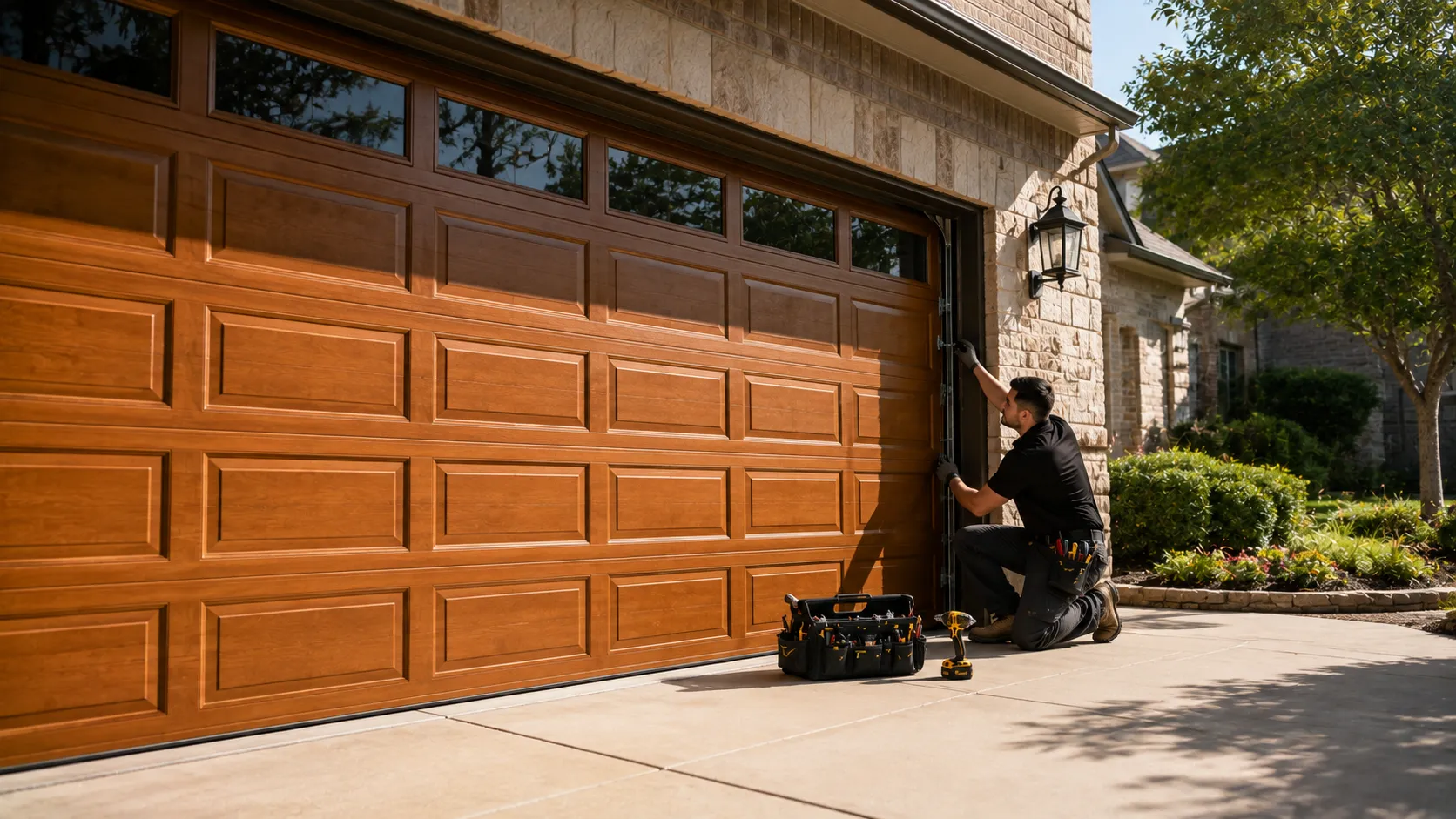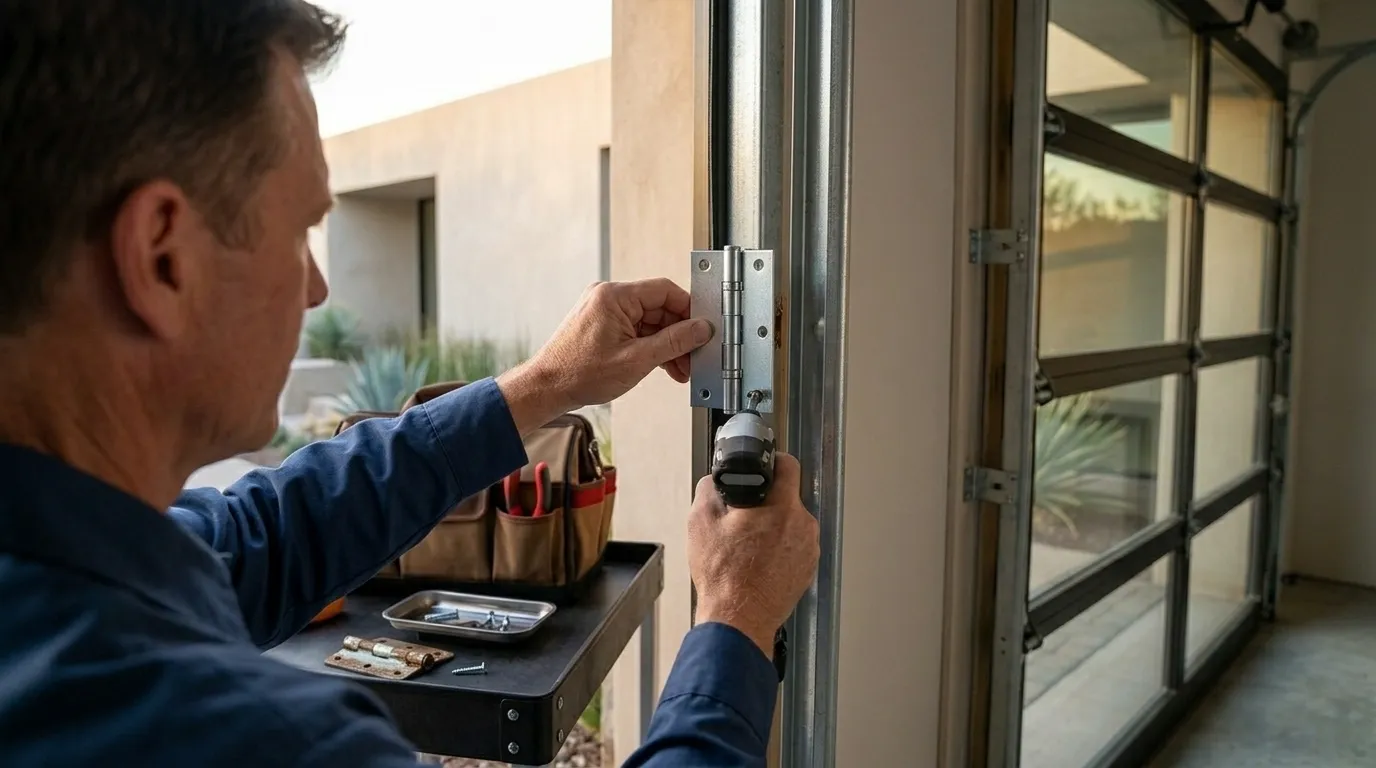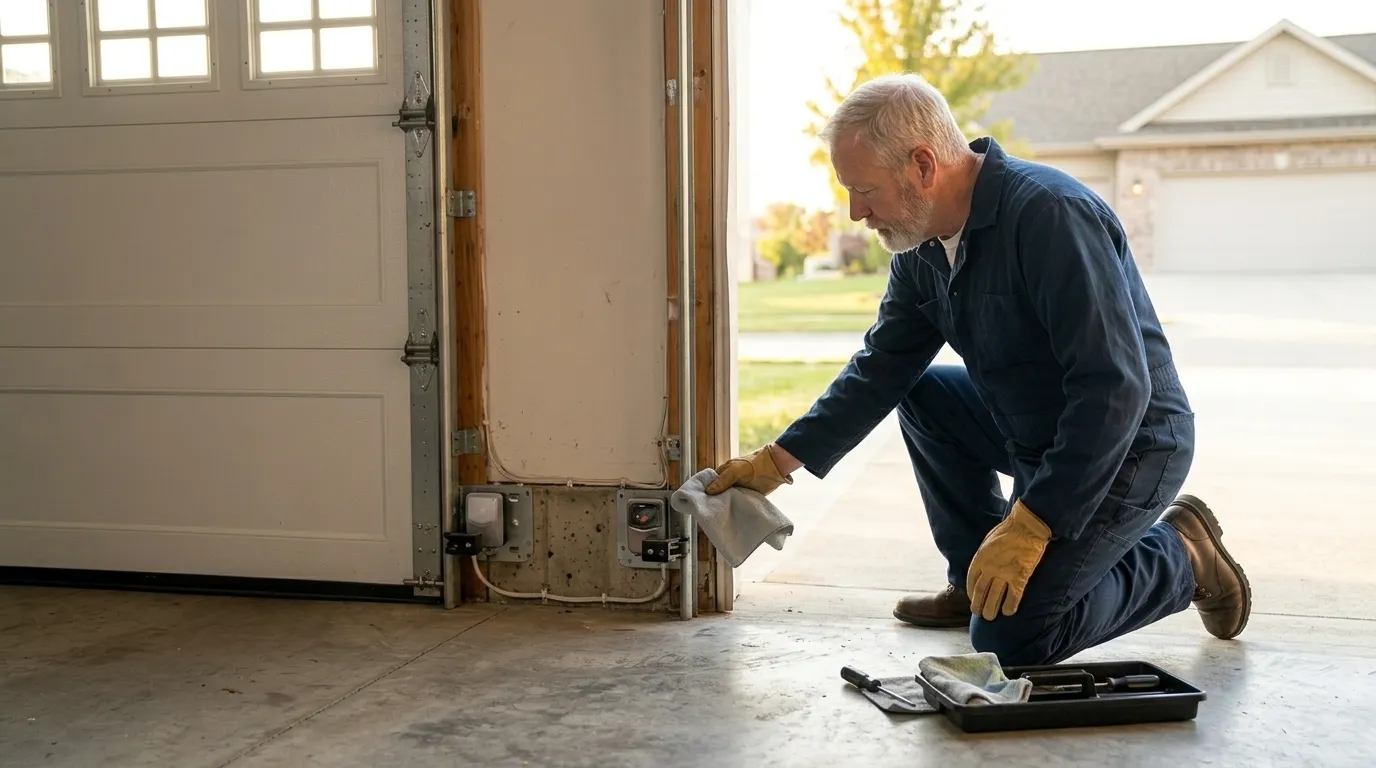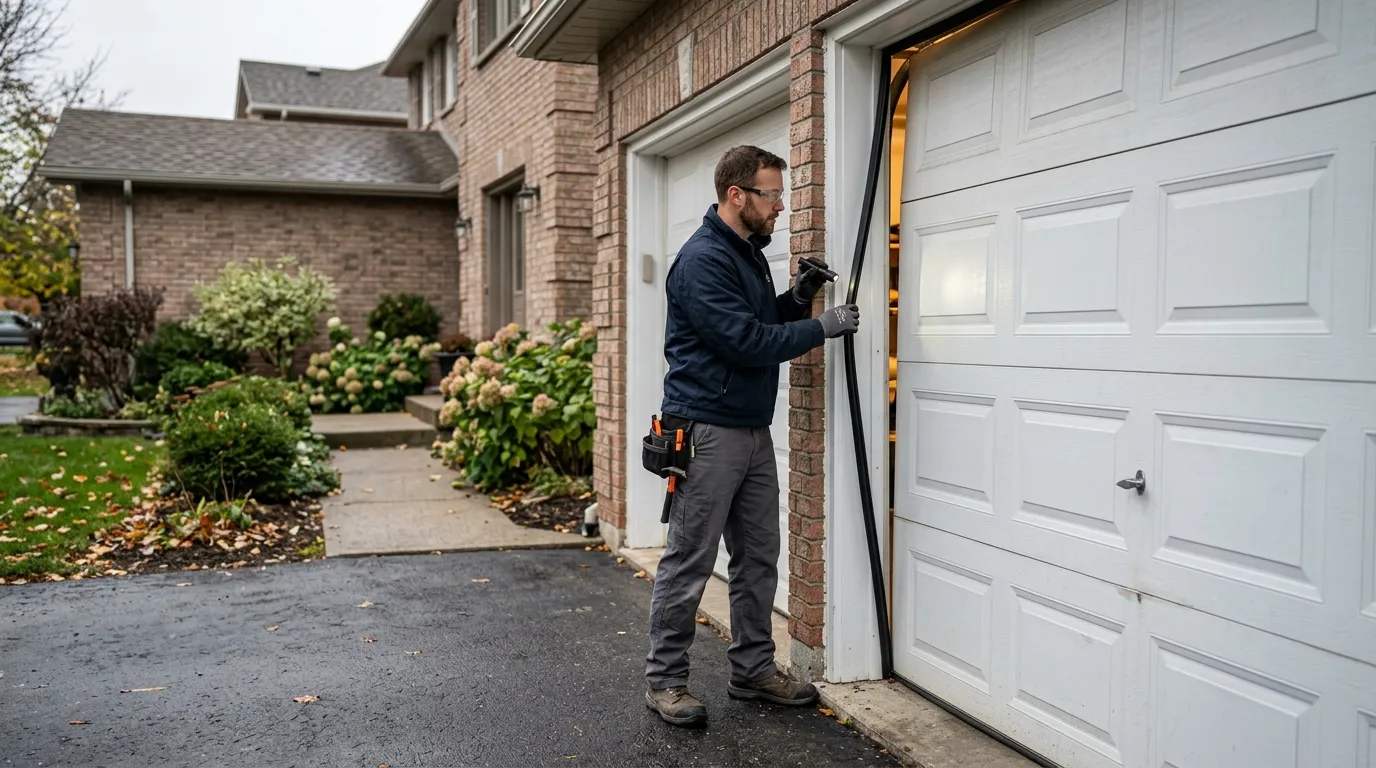
Time on the Job
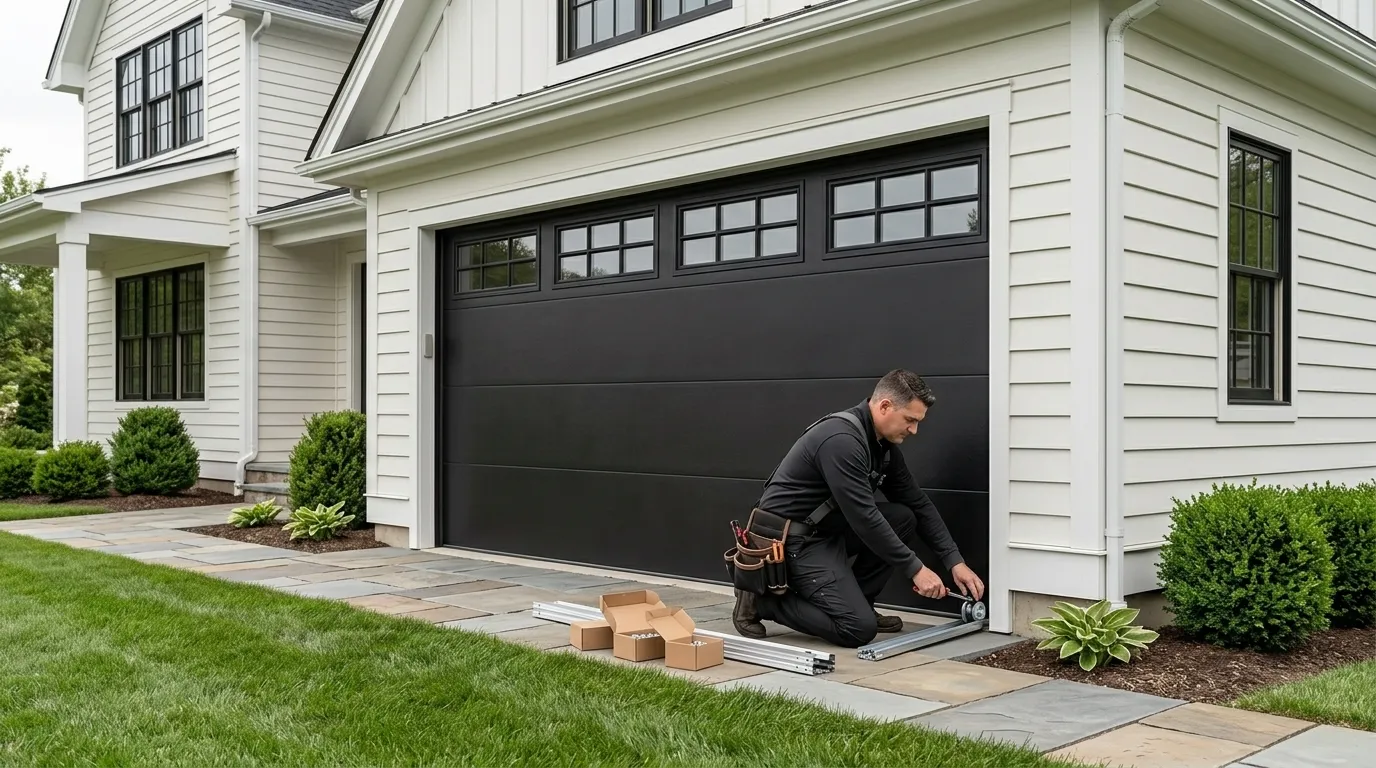
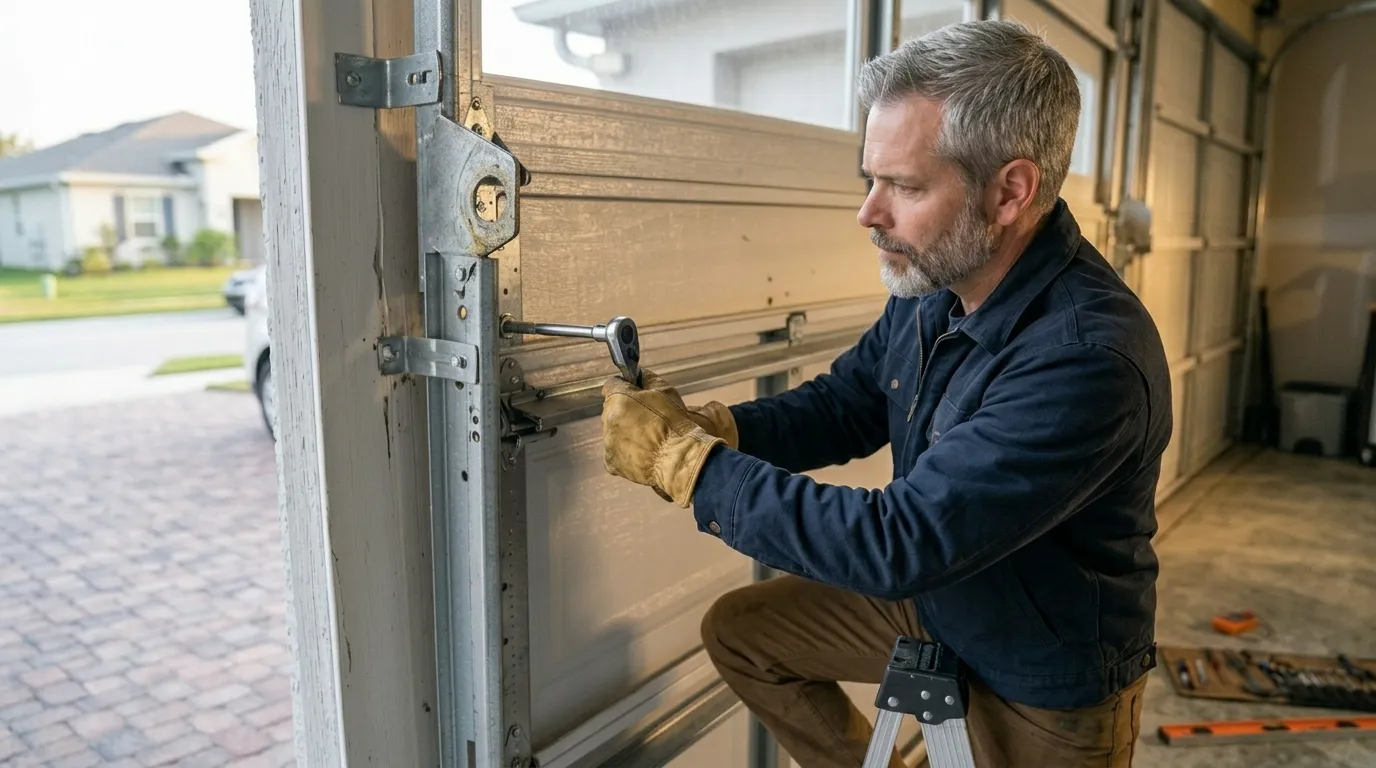
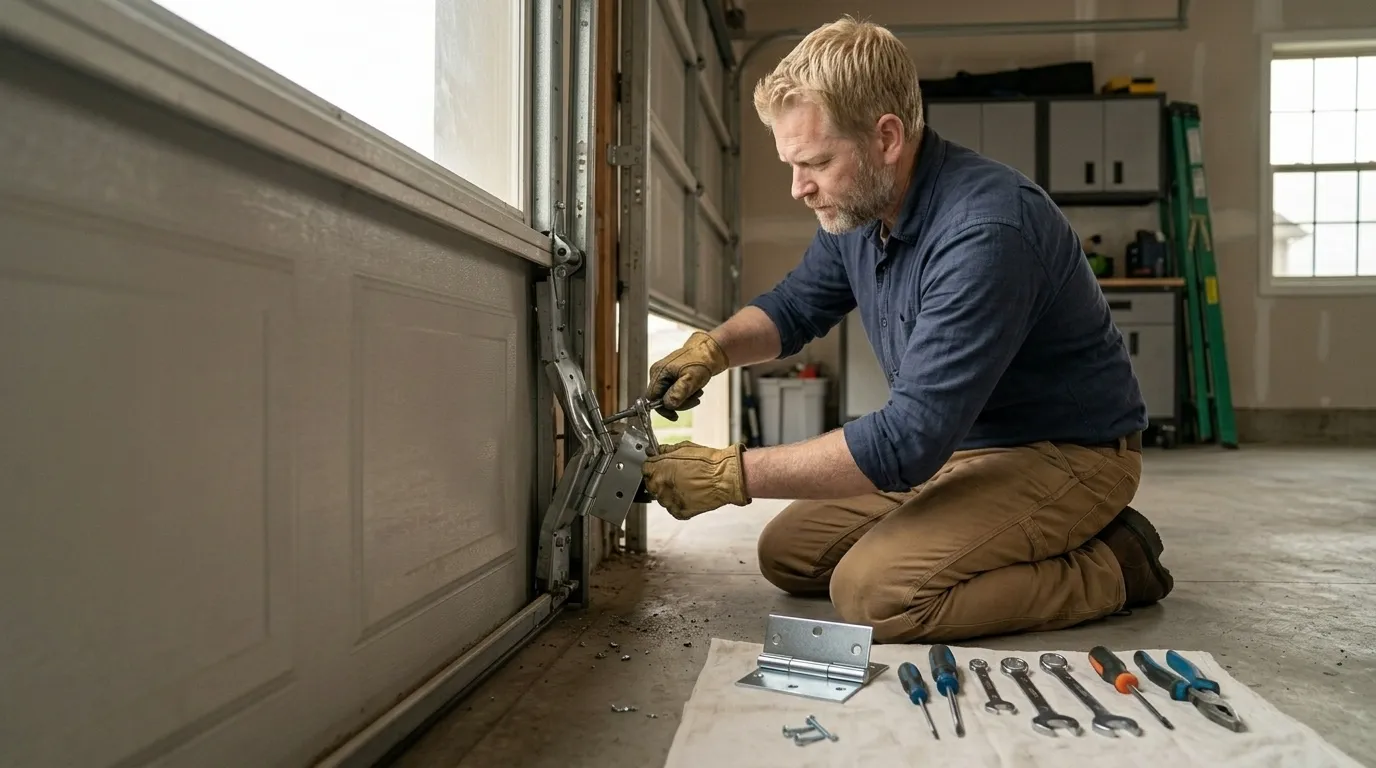
Petaluma's service area overall centers on housing built between 1938 and 1988, with a median year of 1966. San Anselmo sits noticeably earlier than that midpoint - its median build year is 1954. That gap matters on a panel job. A door installed in the mid-1950s is more likely to carry a narrower panel profile, older fastener spacing, and hardware that doesn't match what comes standard on today's replacement stock. Before we quote a panel swap here, we confirm the panel width and section height against the existing track and hinges rather than assume a drop-in fit. We travel the 18 miles from Petaluma for these calls, and we budget the visit around that inspection step - it's not unusual for a single-panel repair on a 1950s door to turn into a two-trip job once we see what the track actually needs. We'd rather tell you that up front than force a panel that's close enough and have it bind six months later.
Booking a Visit
We come out from Petaluma, so a San Anselmo panel job gets scheduled as a dedicated trip rather than squeezed between calls closer to the shop - we're upfront that we don't keep a branch or stock depot in town. When you call, tell us the door's approximate age if you know it (San Anselmo's median is 1954, so a lot of doors here are close to that) along with the panel size and whether the damage is on the bottom section or higher up. That lets us bring the right measuring gear and, where possible, source a matching panel before we drive out rather than after. We serve San Anselmo as one of the outlying communities in our coverage area, alongside San Anselmo's other Valley neighbors, and we schedule accordingly.
How It Shows Up
On a door from the 1950s era common in San Anselmo, panel damage tends to show up as a bowed or dented bottom section first - that's the panel that takes the brunt of car bumps and errant basketballs. Higher panels crack or separate at the seam when the door's been racked out of square, which happens more on older track systems that have shifted slightly over the decades. You'll notice the door binding partway through its travel, or daylight showing between panels that used to sit flush. On some of the older builds we see here, the panel and the frame were never a perfectly standard match to begin with, so a single bent section can throw off how the whole door rides on the track, not just how it looks.