Time on the Job
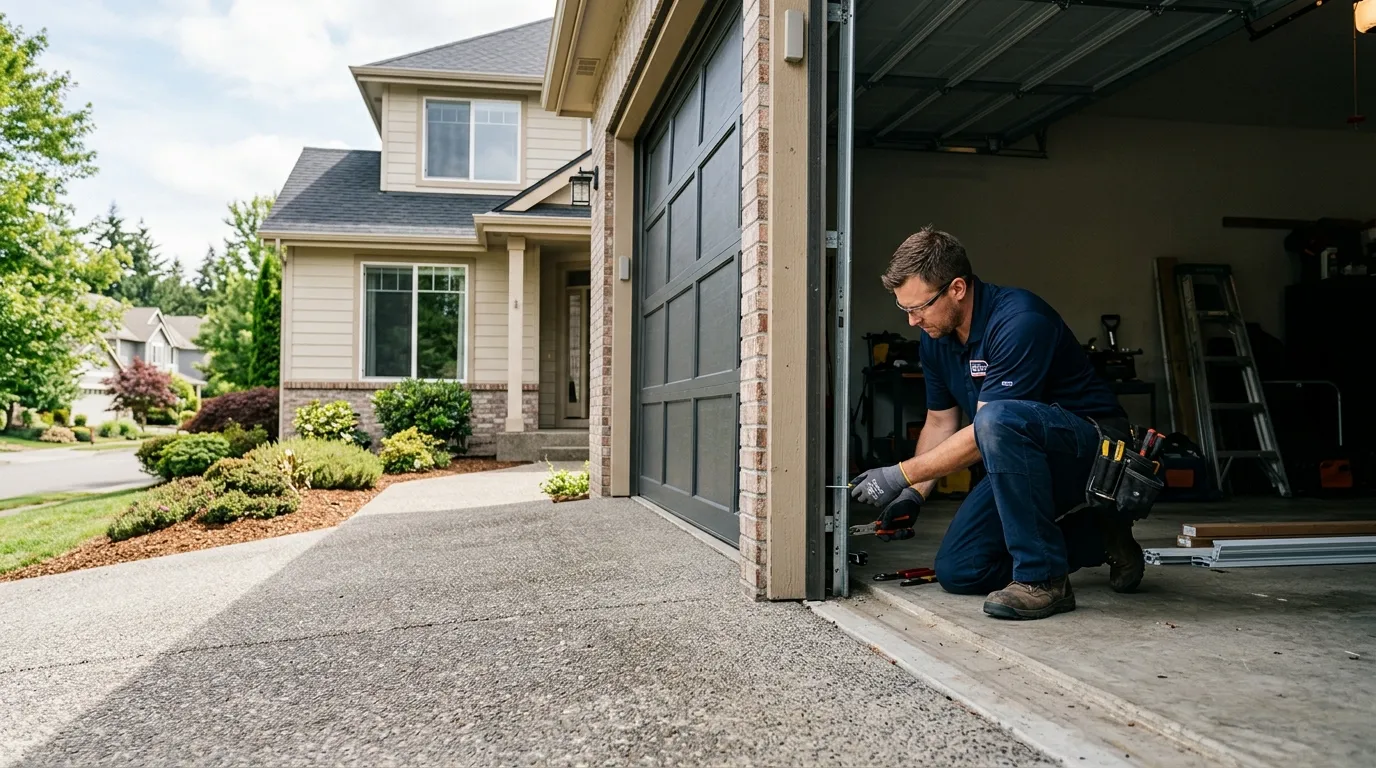
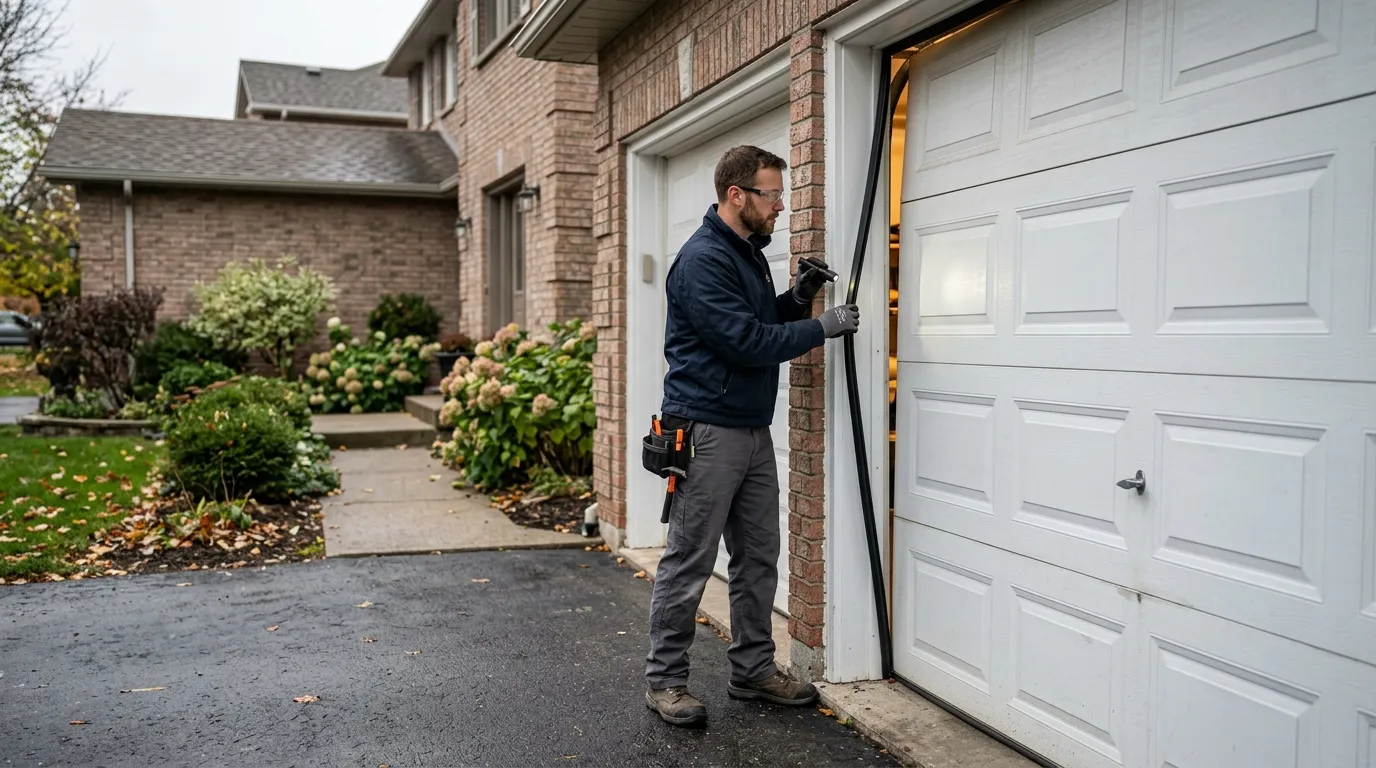
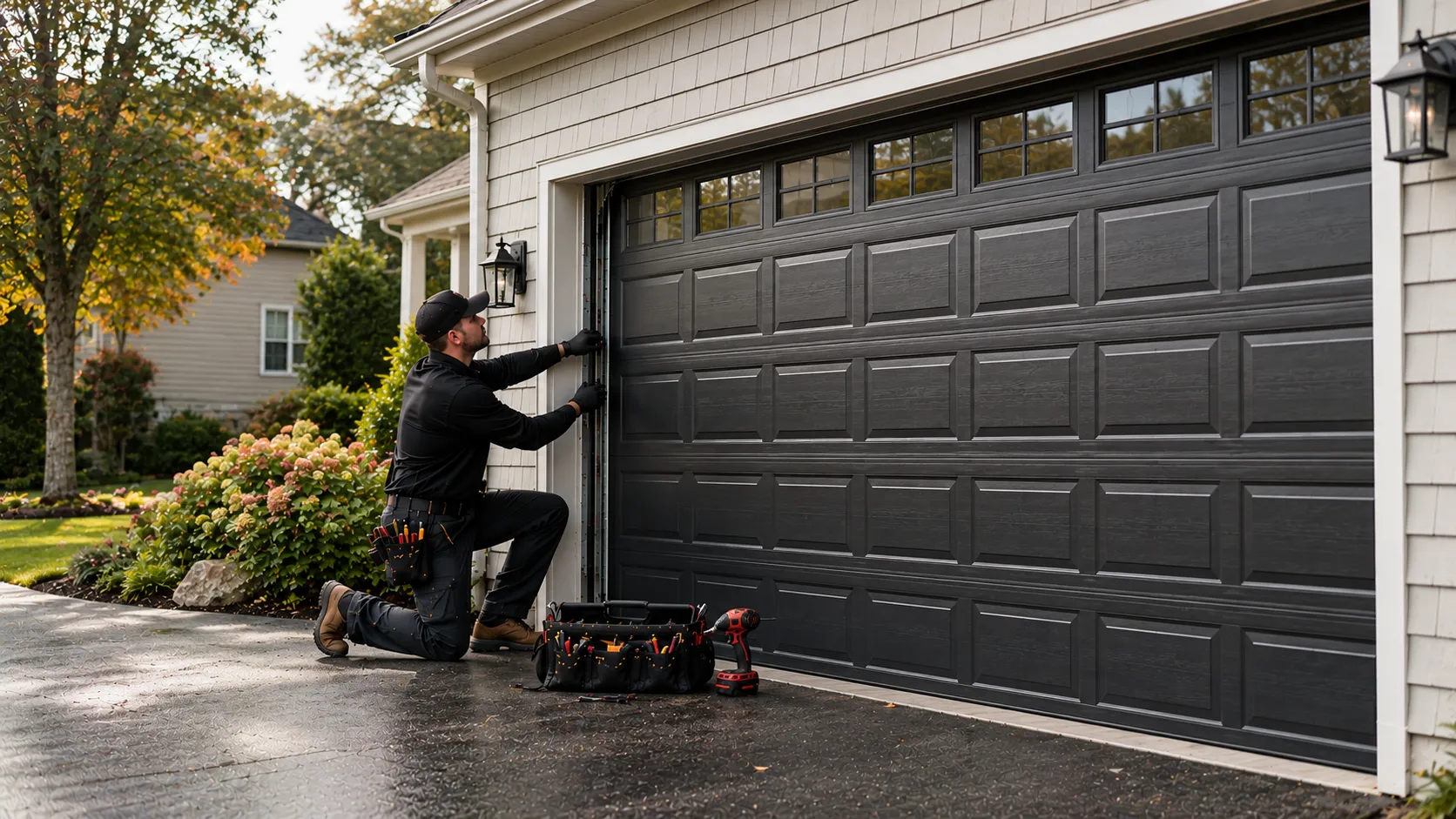
The call we get most from San Anselmo is a torsion spring that's let go on a door that's never been touched since the house was built. Median build year here is 1954, which puts a lot of these garages a decade or more ahead of the 1960s-70s stock that makes up most of the wider service area. That earlier build year means different bracket spacing, different track gauge in some cases, and hardware that a big-box replacement kit doesn't always match cleanly.
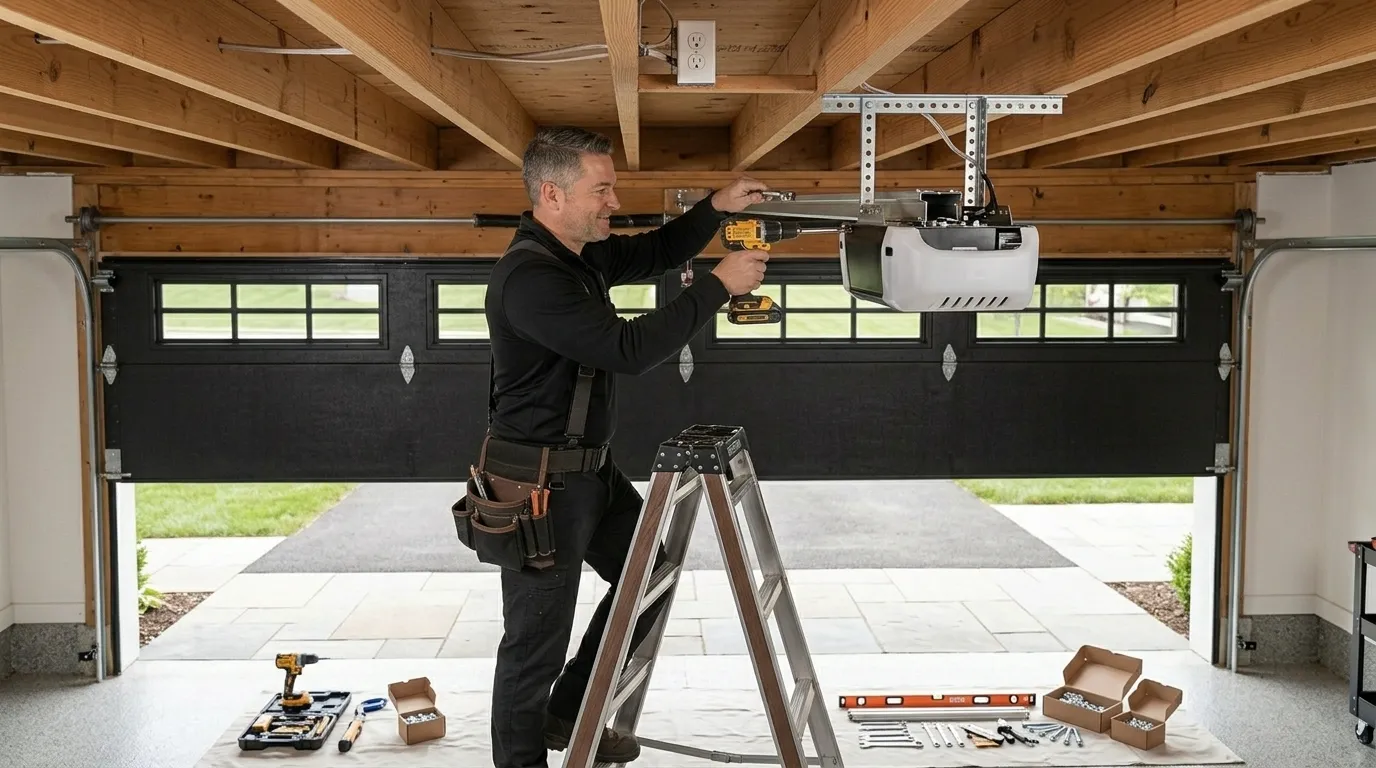
We drive out from Petaluma, about 18 miles each way, so we plan the visit rather than treat it as a same-day walk-in. Once we're on site, most spring jobs, cable jobs, and opener swaps are one visit, parts on the truck. What takes longer is a door where the original track or jamb hardware from a 1950s install has to be matched or adapted, because that's not something we stock in bulk - we order it when we confirm it's needed. That's the one part of this job we won't pretend to have solved before we've seen the door.
Booking a Visit
We schedule San Anselmo calls out of Petaluma, so tell us up front if the door is stuck open, stuck closed, or safe to leave as-is until we get there - it changes how we route the day. Given the 18-mile drive, we try to bundle diagnosis and repair into the same trip: if you can describe what's happening (won't open, opens partway, makes a grinding noise, opener runs but door doesn't move), we'll bring the parts we expect to need based on that.
We don't keep a branch or drop box in San Anselmo. Every job here starts with a truck leaving Petaluma, which is worth knowing if you're comparing us to an outfit that's based closer. What you get in exchange is a crew that's seen the specific mismatch between 1950s-era garage framing and modern hardware kits enough times to not waste a trip guessing.
How It Shows Up
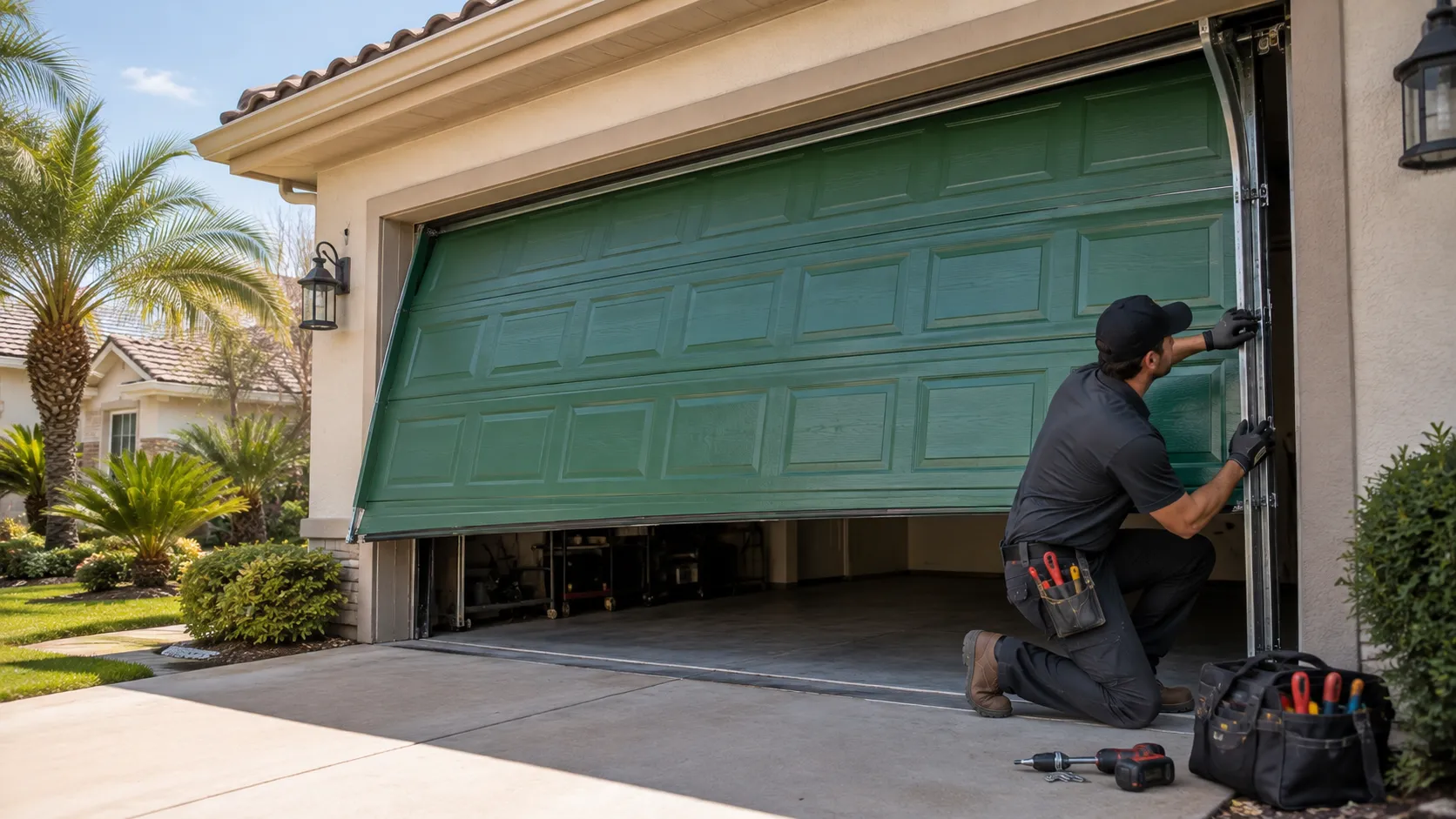
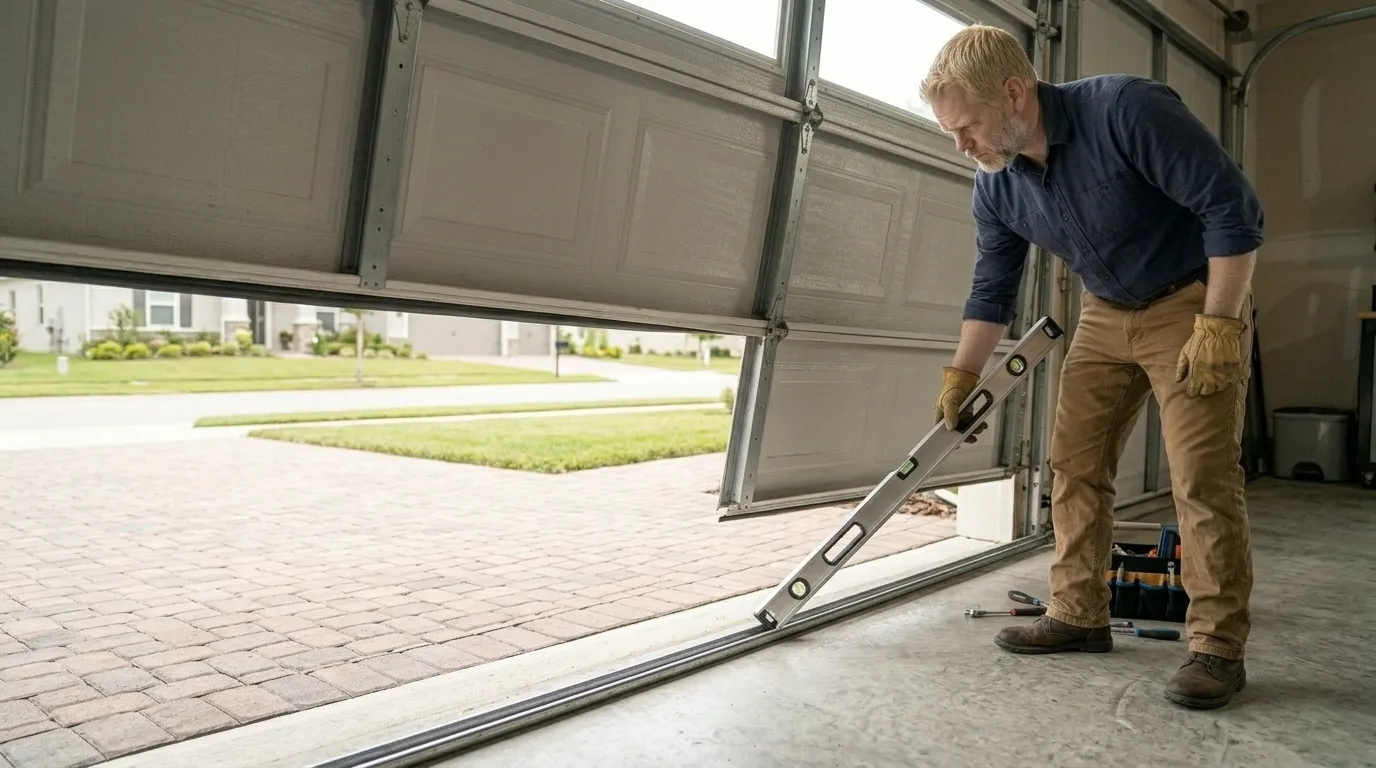
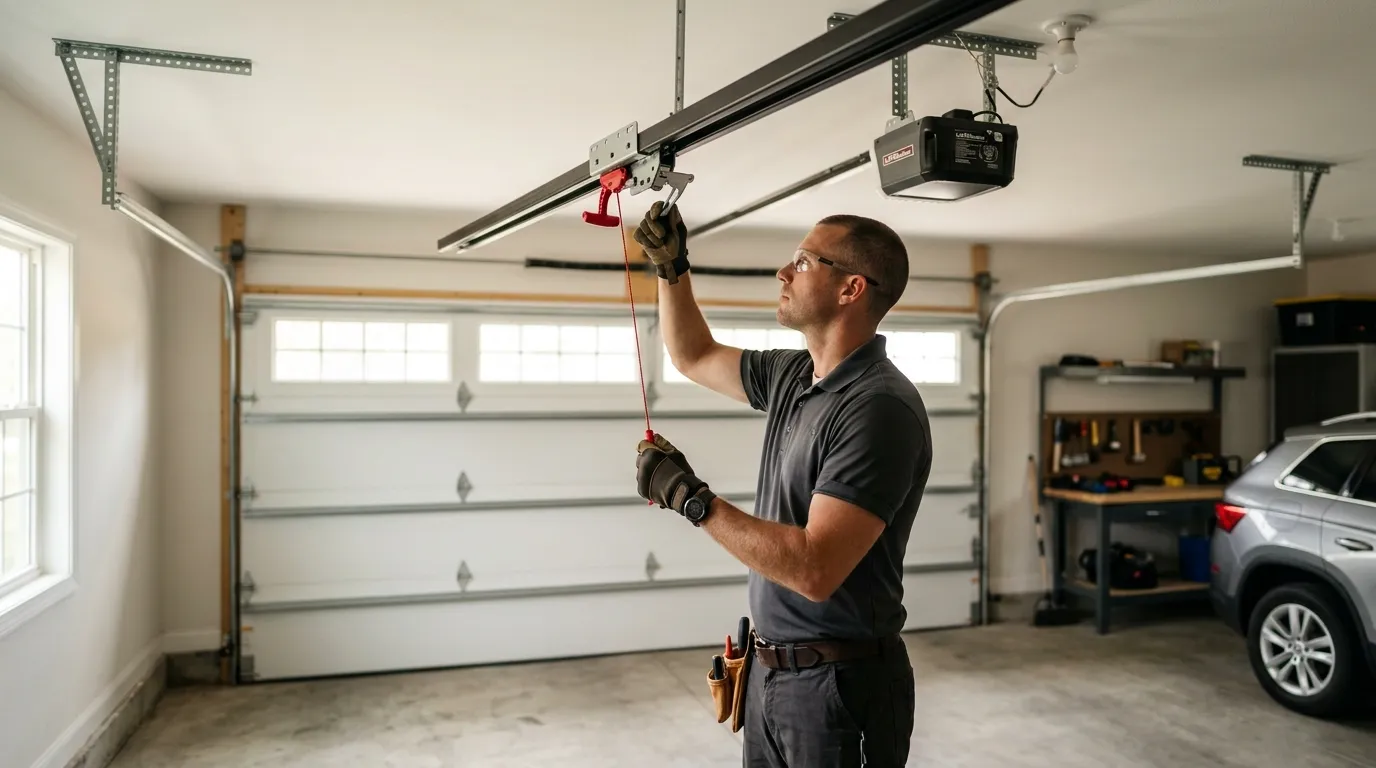
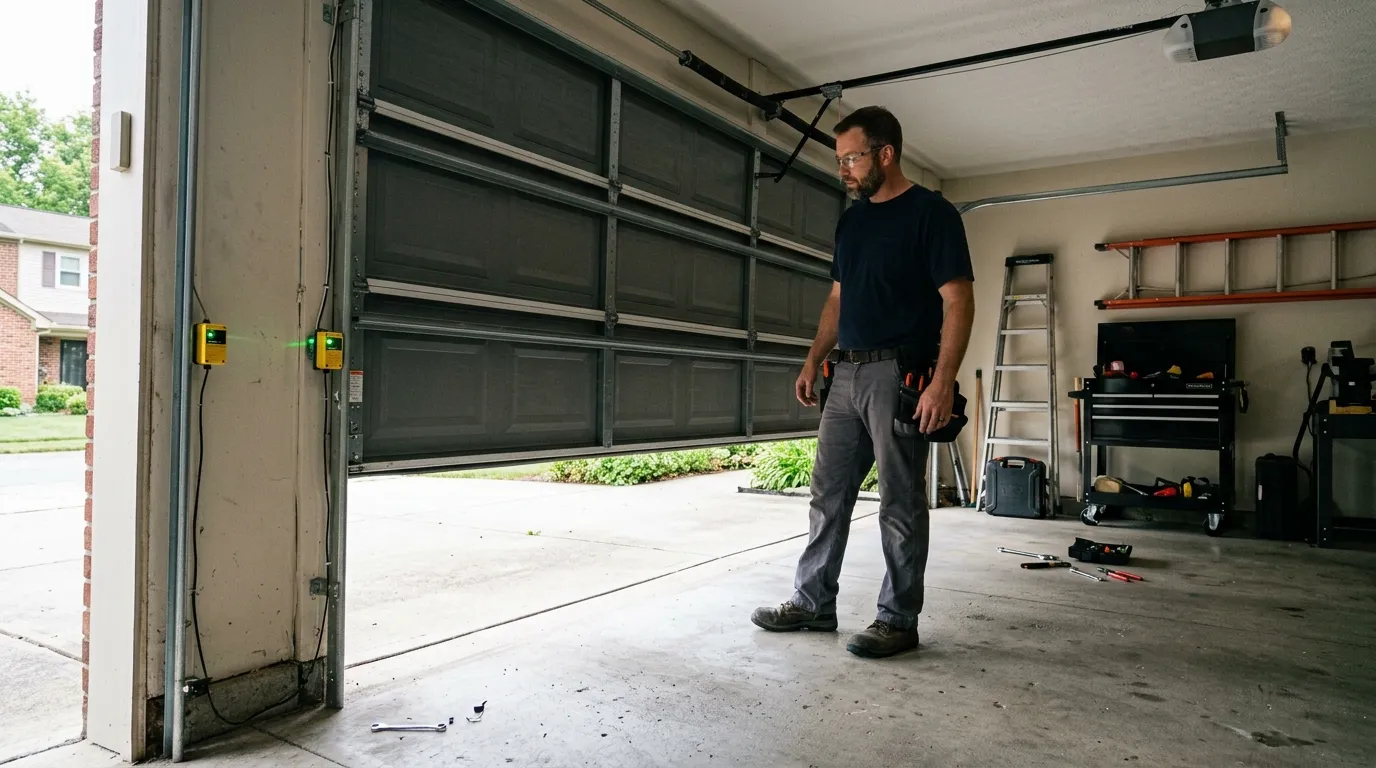
On a door this age, the first sign is usually noise before it's a full failure - a grinding roller, a cable that pops audibly when the door shifts weight, or a door that hangs unevenly by an inch or two on one side. If the opener strains and reverses, or the door drops fast the last foot before hitting the floor, that's the spring, not the opener, and it's not safe to keep running.
With 5,102 households in San Anselmo, we see enough of these calls to know that a door that's been slow to close for a few weeks rarely fixes itself - it's a spring losing tension gradually, and the failure point is usually sudden, not gradual. If a door won't budge at all and the opener light is blinking, that's almost always a broken spring holding the whole weight, and it needs a professional, not a homeowner with a ladder.