Time on the Job
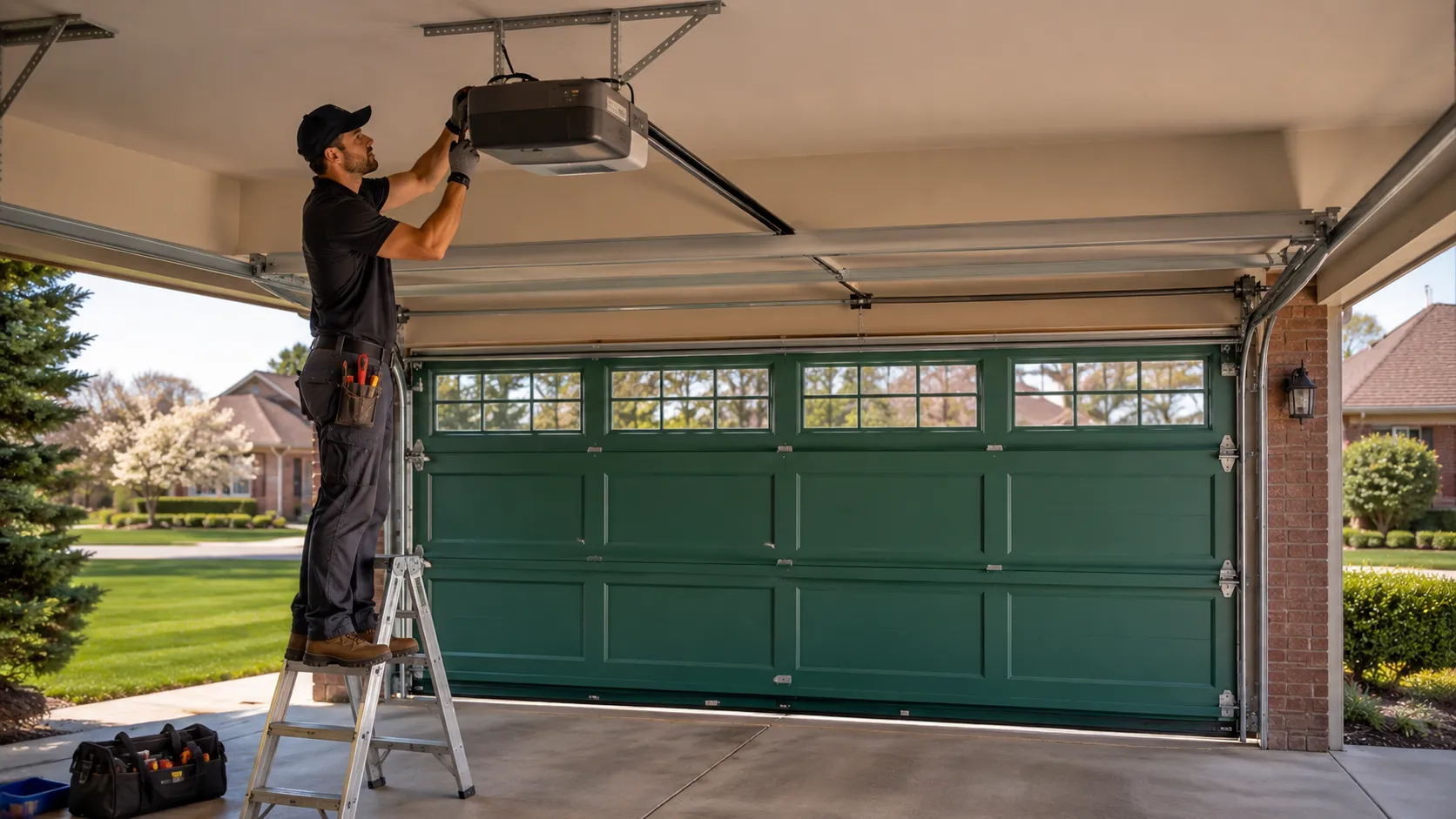
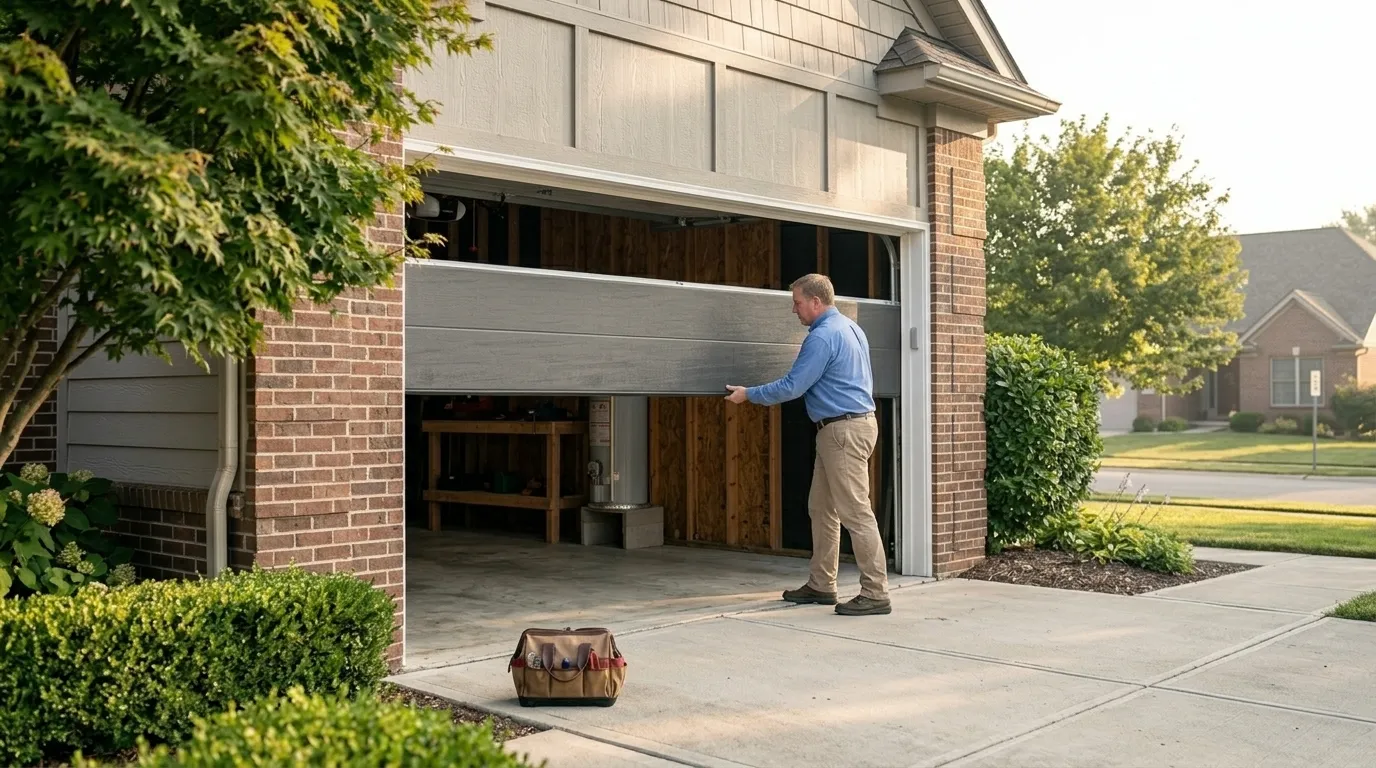
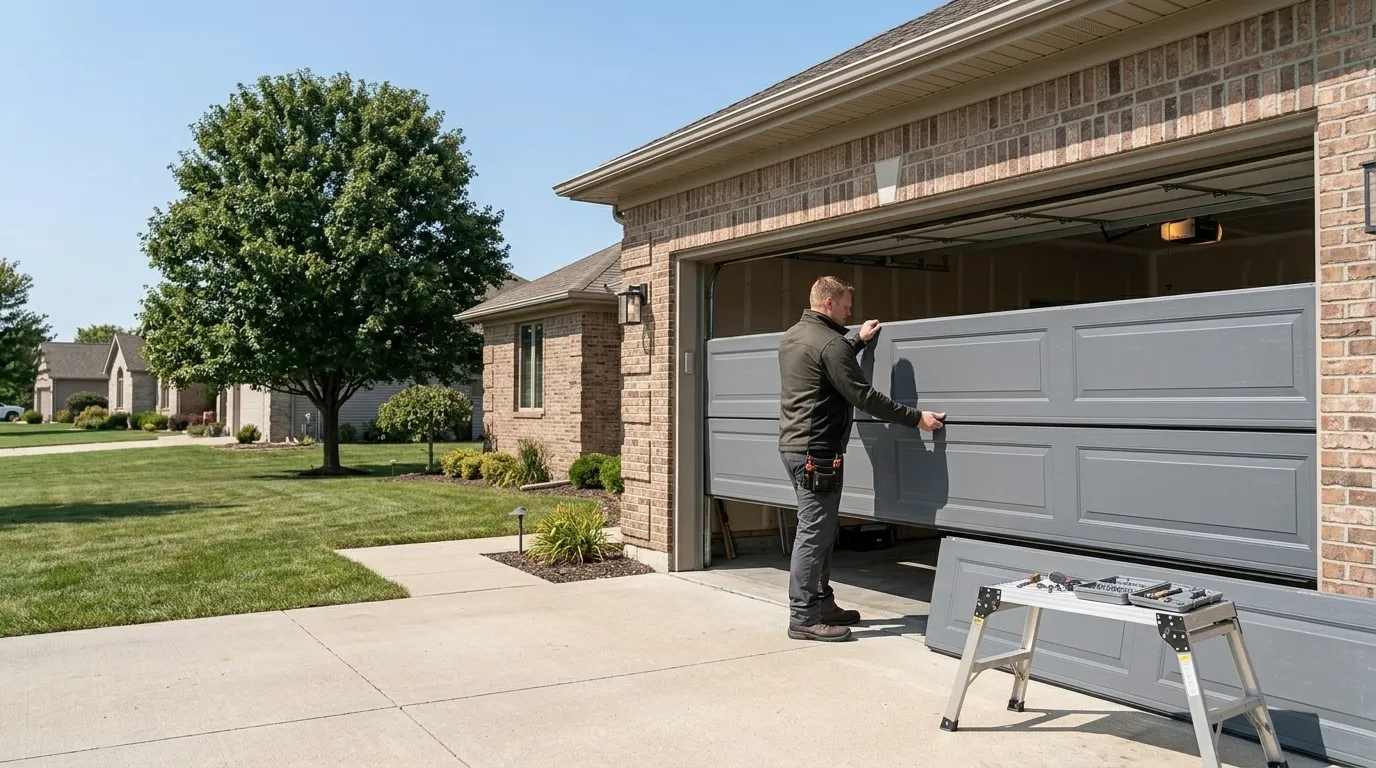
We run this job out of Petaluma, and San Anselmo sits about 18 miles out, so a new install here gets scheduled as a full visit, not a drop-in between other calls. That distance means we plan the day around it rather than treating it as a quick add-on. We don't keep a branch or a drop box in San Anselmo, and we're not going to pretend otherwise - every truck that shows up came from Petaluma that morning. What that buys you is a crew that isn't rushing between five nearby stops; once we're on-site for a new door, we're there until the opener is programmed and the panel is swinging clean. For a straightforward single-door swap on a house from this era, the on-site work itself usually runs a few hours, but we measure the opening before we ever quote a number, because San Anselmo's older framing doesn't always match the standard sizes a big-box door comes cut for.
Booking a Visit
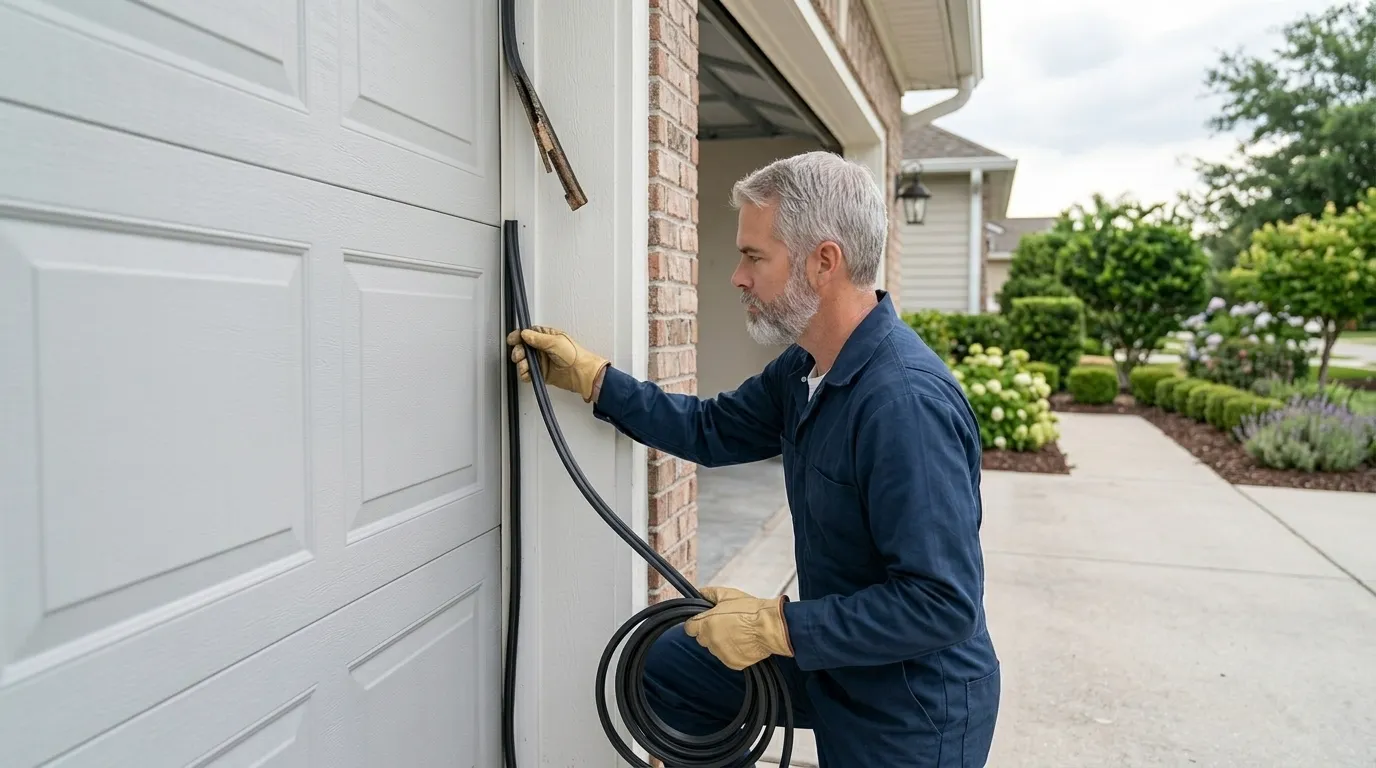
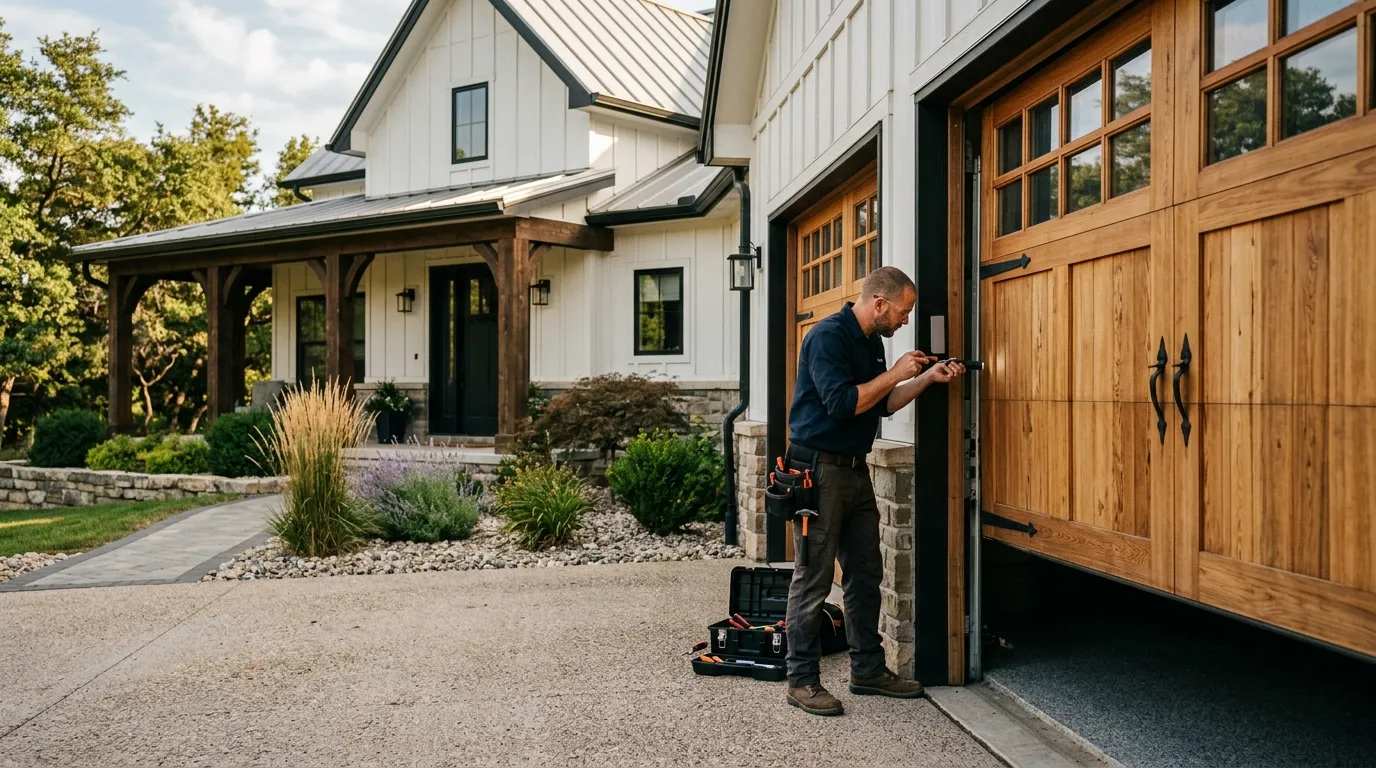
If you're ready to get a quote, the best next step is telling us the age of the house and, if you know it, whether the current door is wood or steel - that alone changes what we bring on the truck. We serve San Anselmo as part of our wider coverage area out of Petaluma; you can see the full list of towns we reach on our areas page. If you're comparing this against a repair instead of a full new install, our main installation page for Petaluma covers the broader service, and this page exists specifically because San Anselmo's older openings need different measuring and often different framing work than a newer suburb would. We'll walk the opening in person before quoting, since a 1954 frame rarely matches a catalog size exactly.
How It Shows Up
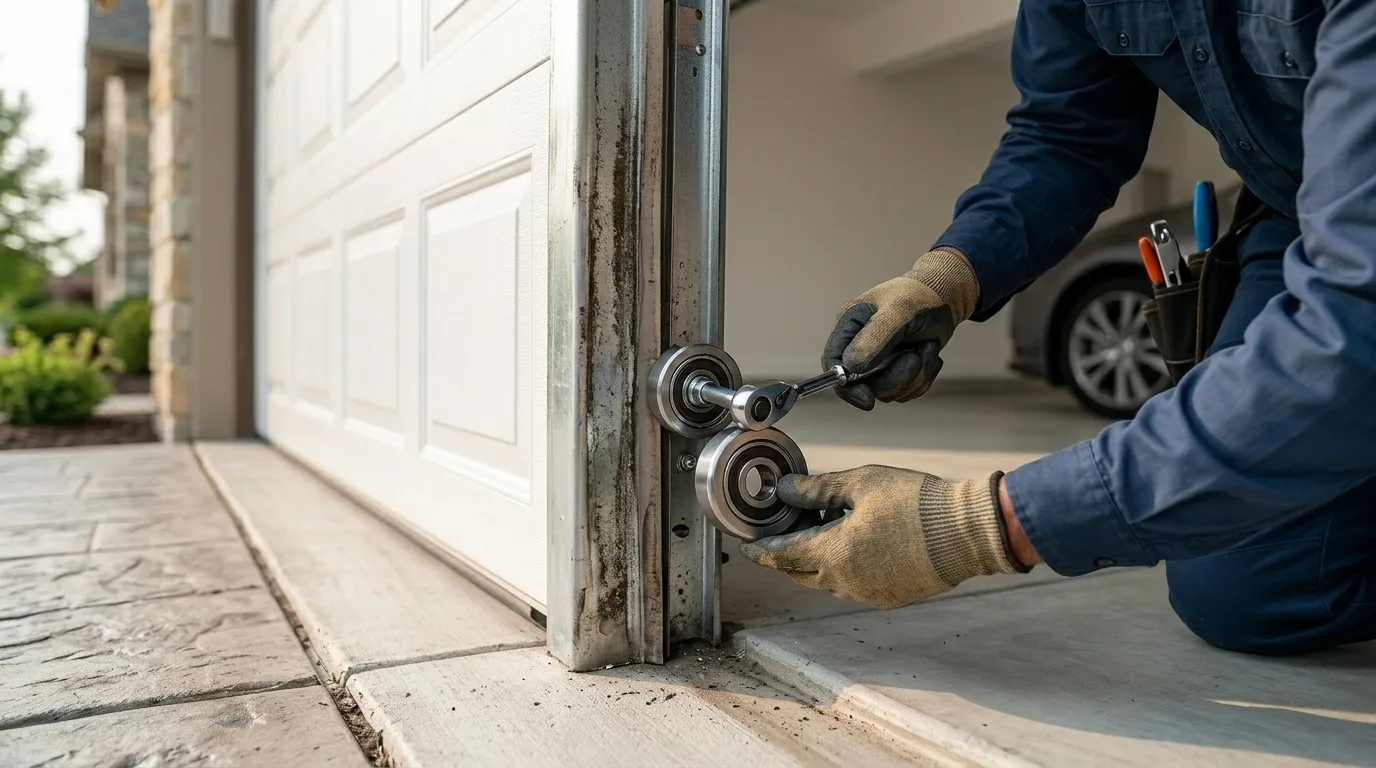
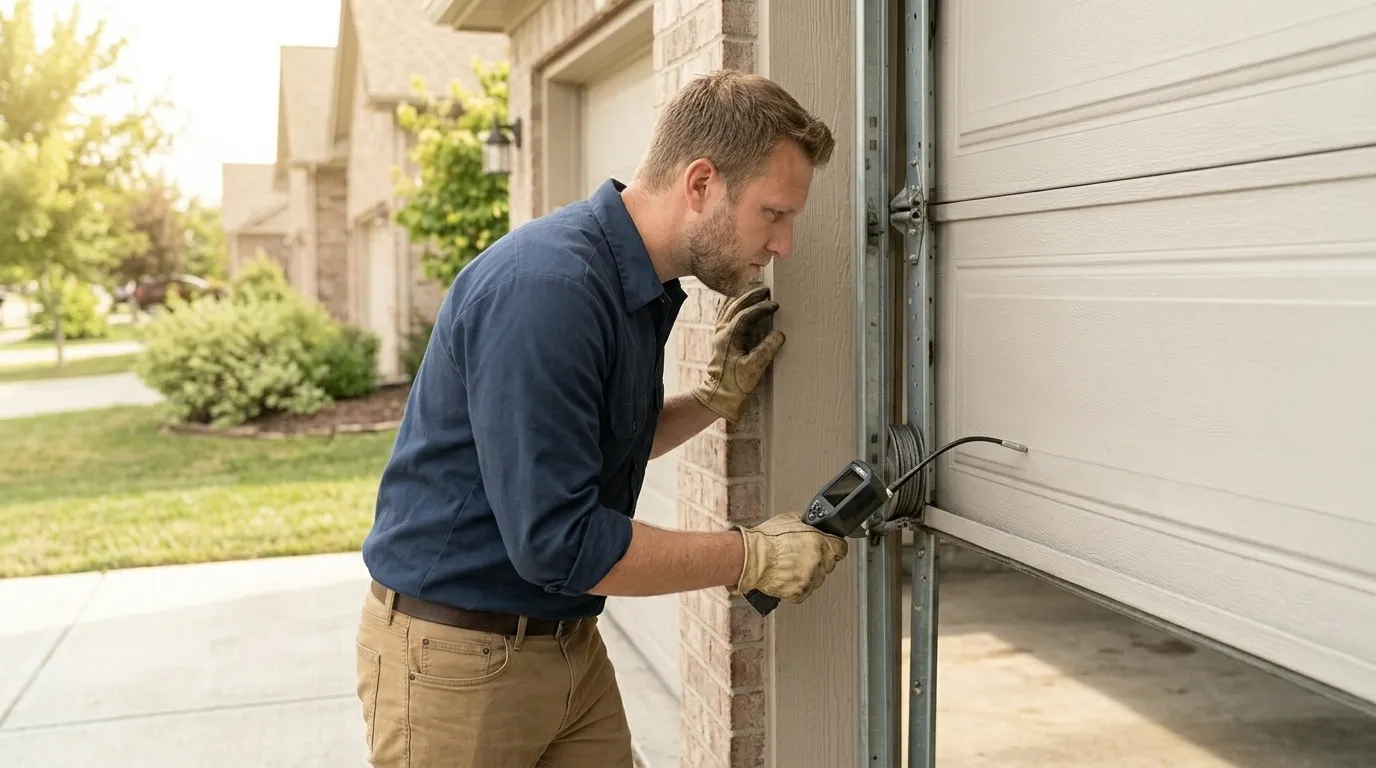
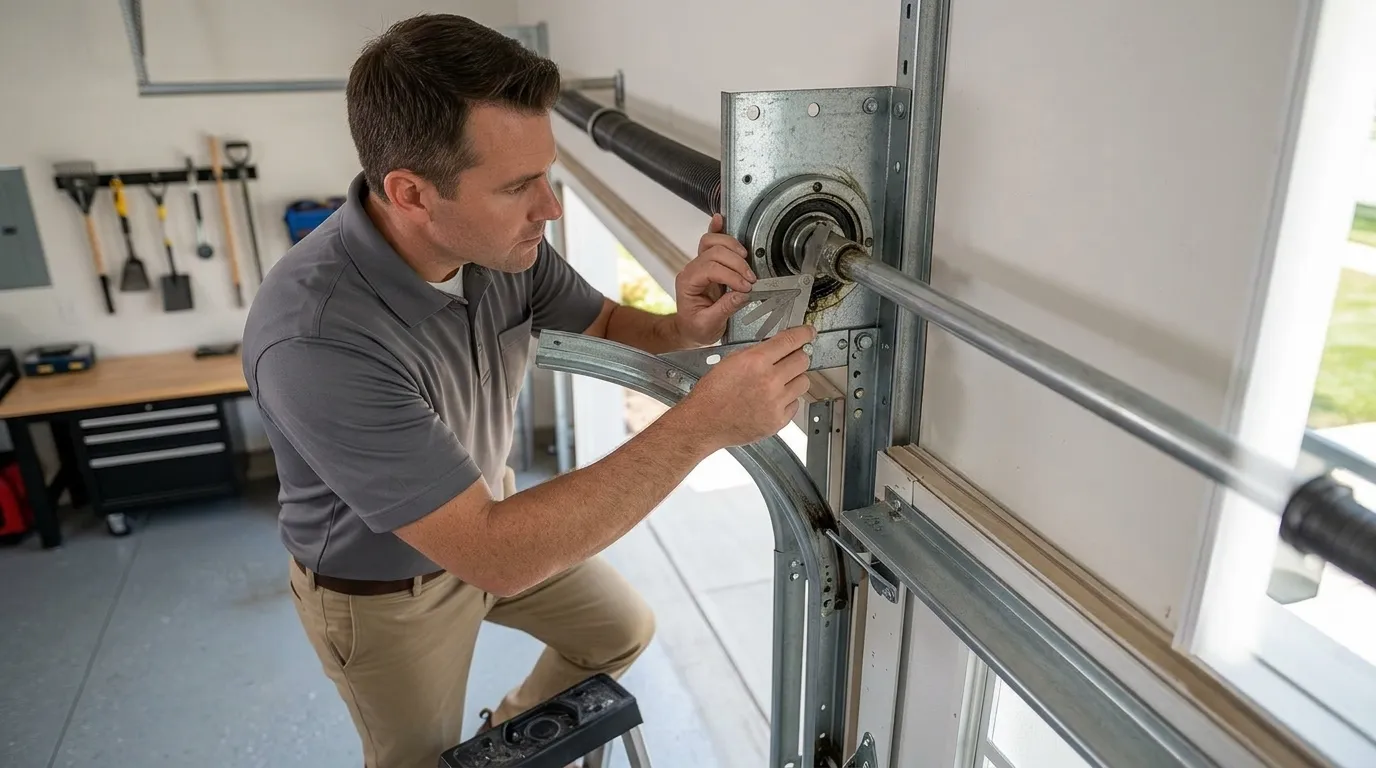
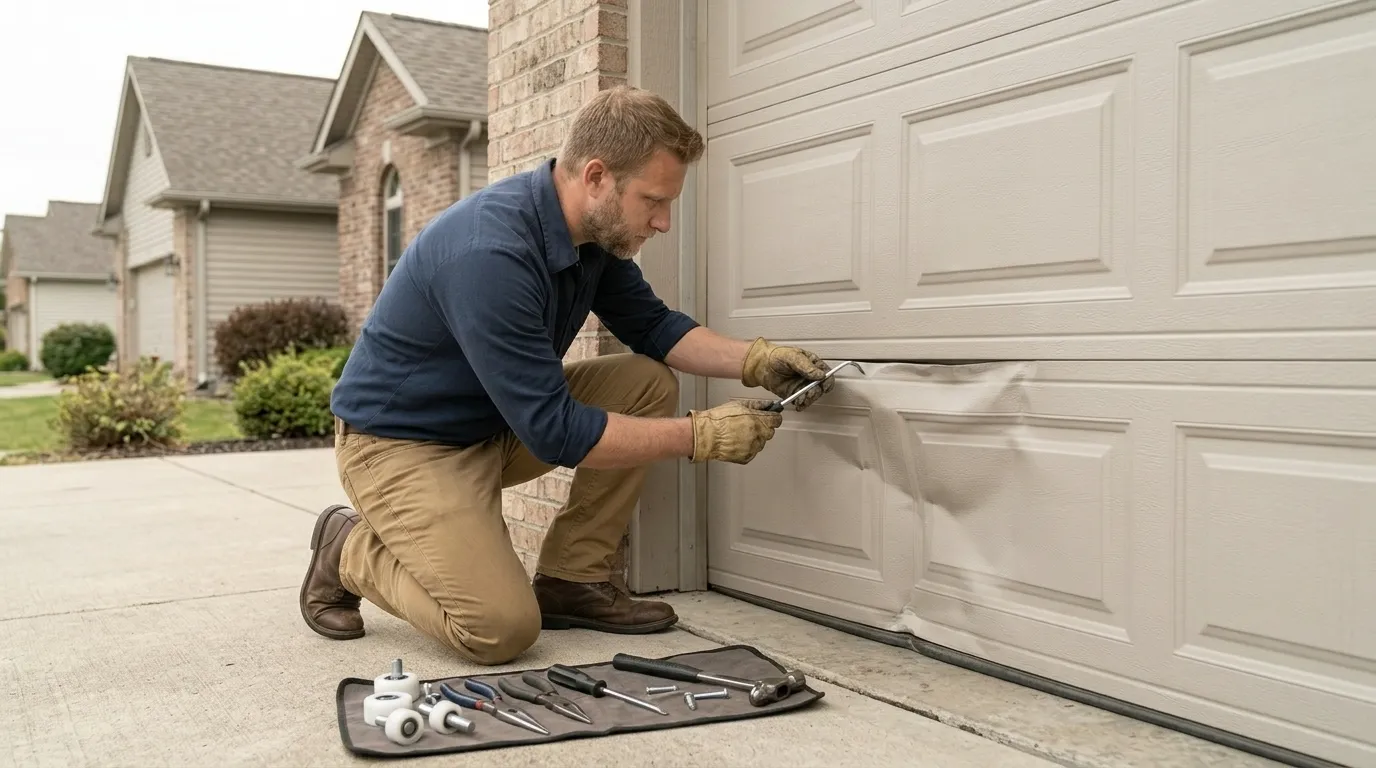
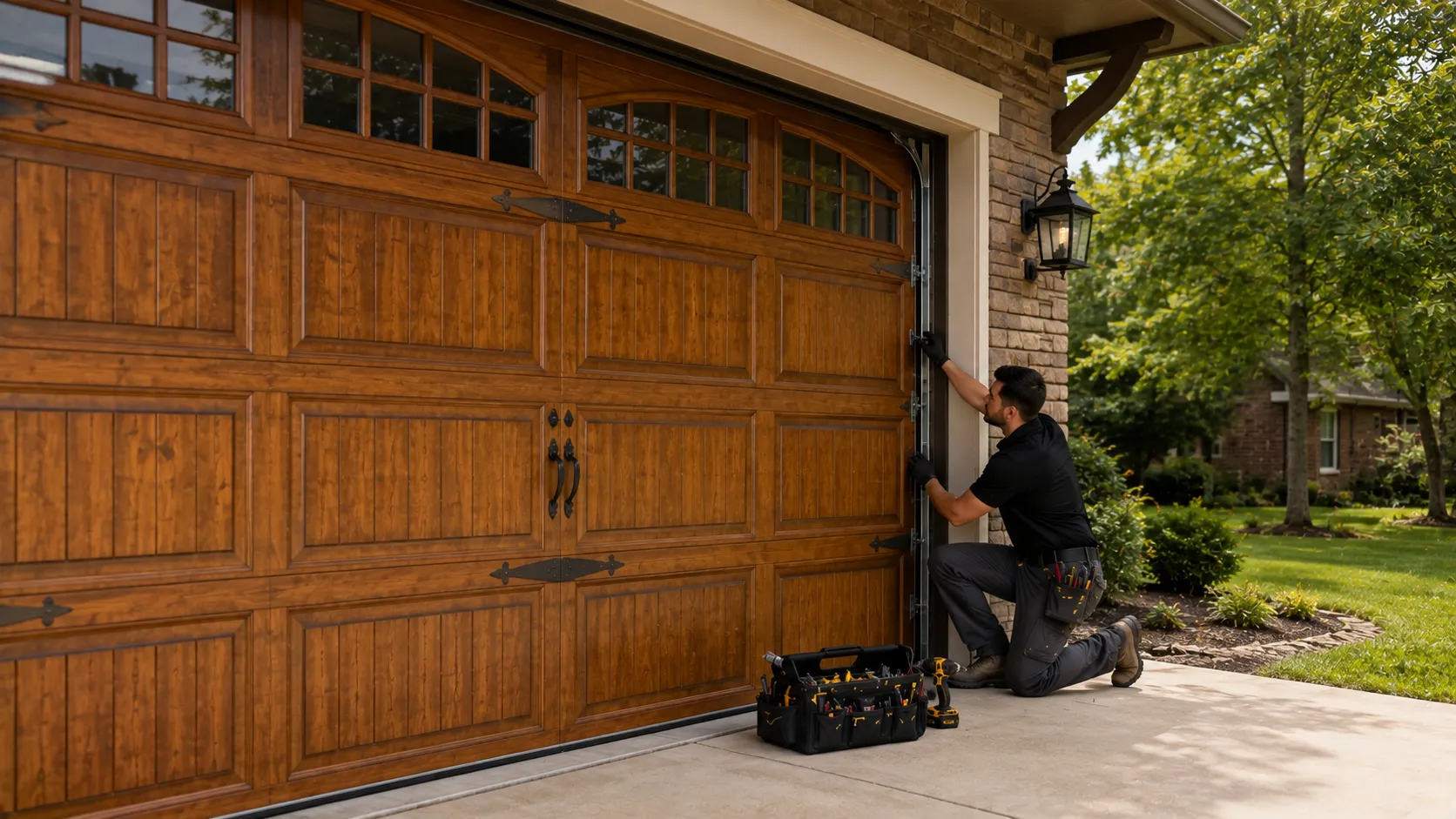
On a lot of San Anselmo houses, the tell isn't a broken spring at all - it's a door that's gone visibly out of square, with a gap at one corner that wasn't there when the house was newer. Wood panels from this era swell and shrink with the seasons even in a mild climate, so the door binds in the track on damp mornings and rattles loose again by afternoon. Extension springs from this vintage also fatigue differently than torsion springs: instead of a clean snap, you often get one side sagging lower than the other for months before it finally lets go. If your opener is a later add-on to an original wood door, that mismatch - a modern motor pulling on hardware sized for a hand-lifted door - is its own slow failure, and it's one of the more common reasons we get called out here.