Time on the Job
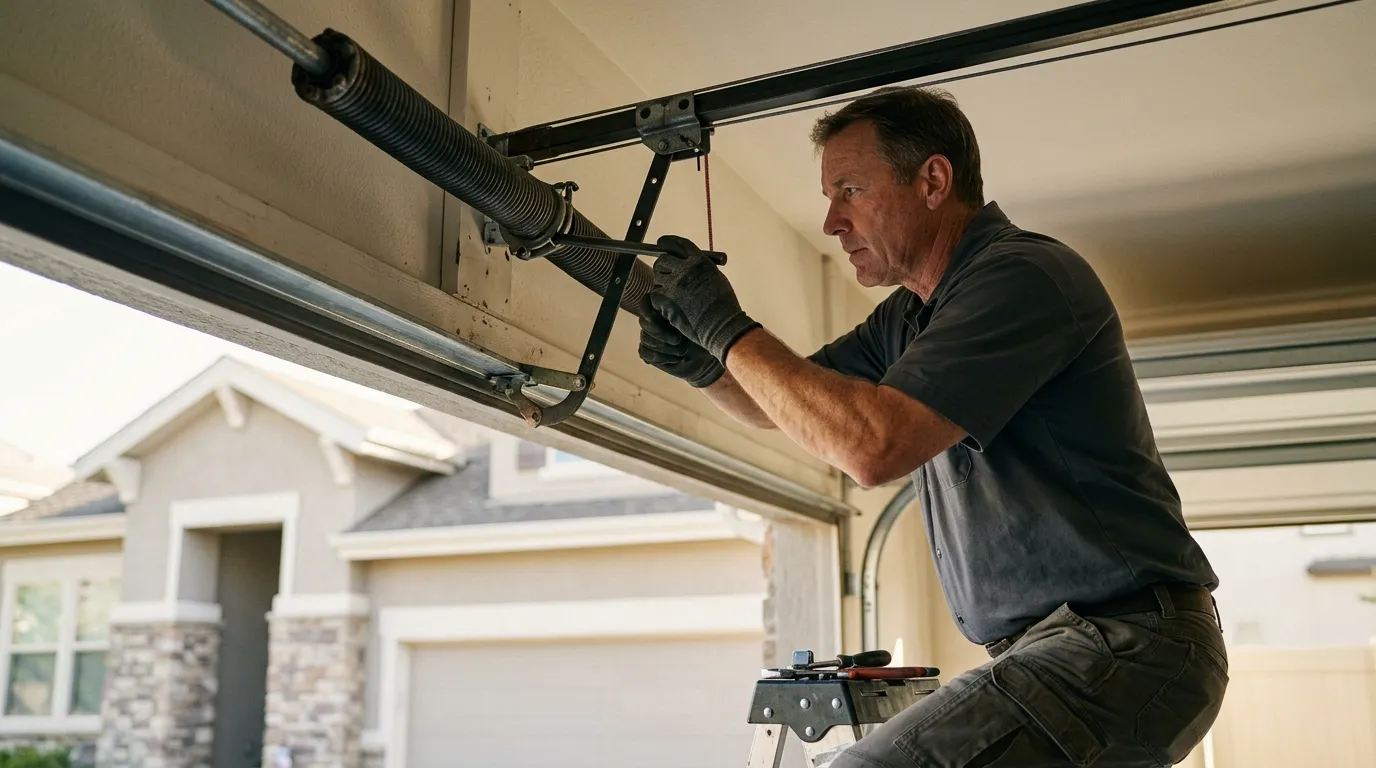
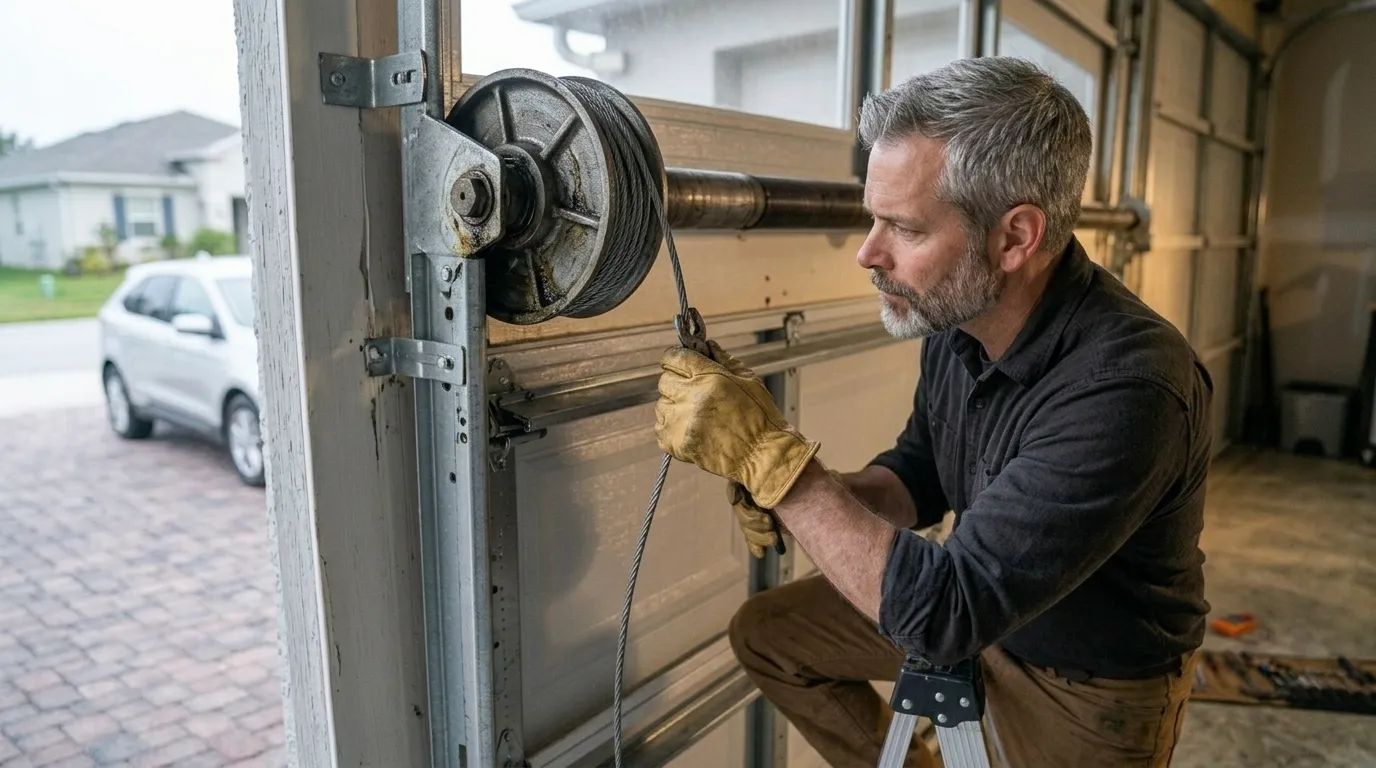
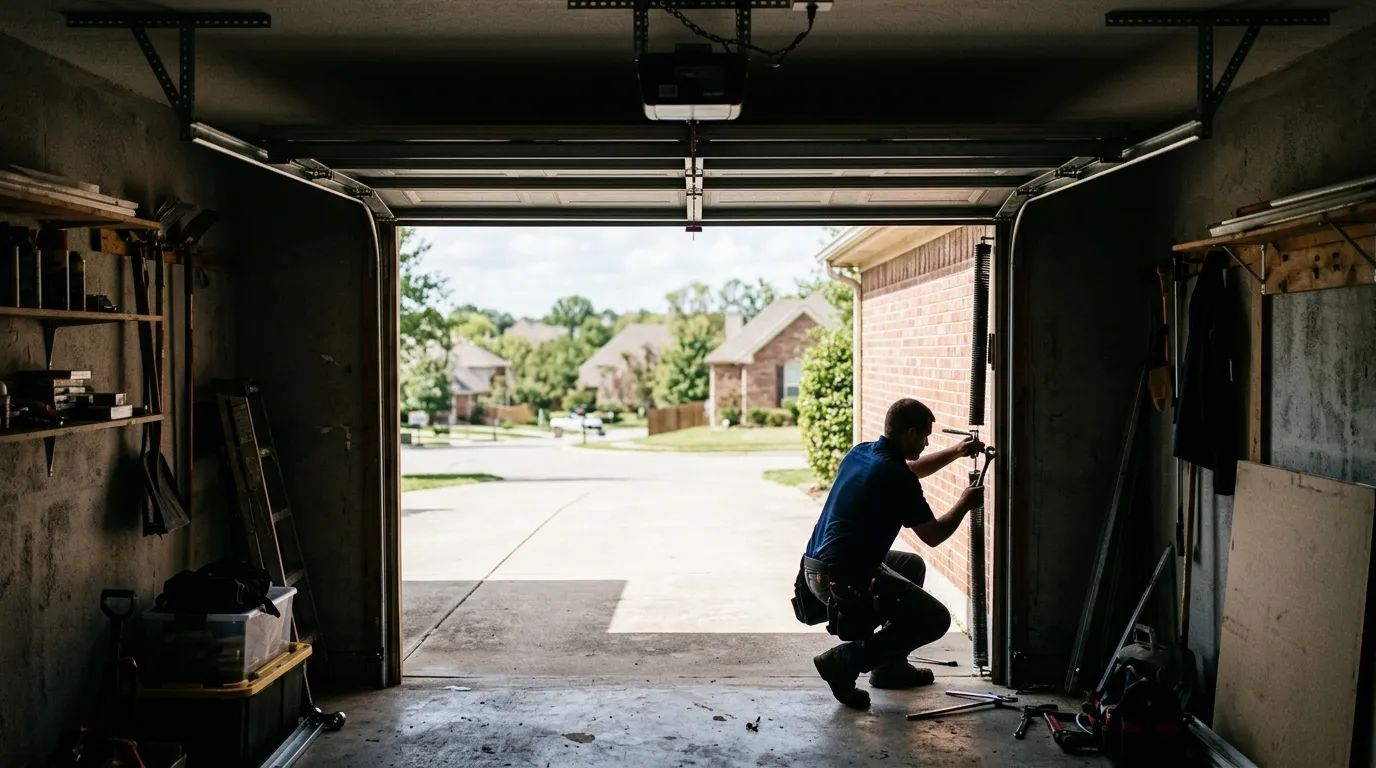
Most houses in San Anselmo went up around 1954, which puts this town ahead of the broader service area's median build year of 1966. That decade matters for cable work specifically: doors from the early-to-mid 1950s were built for extension springs mounted along the horizontal track, not the torsion springs that came standard on doors built later. Extension-spring setups route lift cables from the bottom corner brackets, up along the vertical track, around a pulley near the top corner, and back to the spring itself. That's two cables, two pulleys, and twice the places a cable can fray, jump a pulley, or snap outright compared to a single torsion drum.
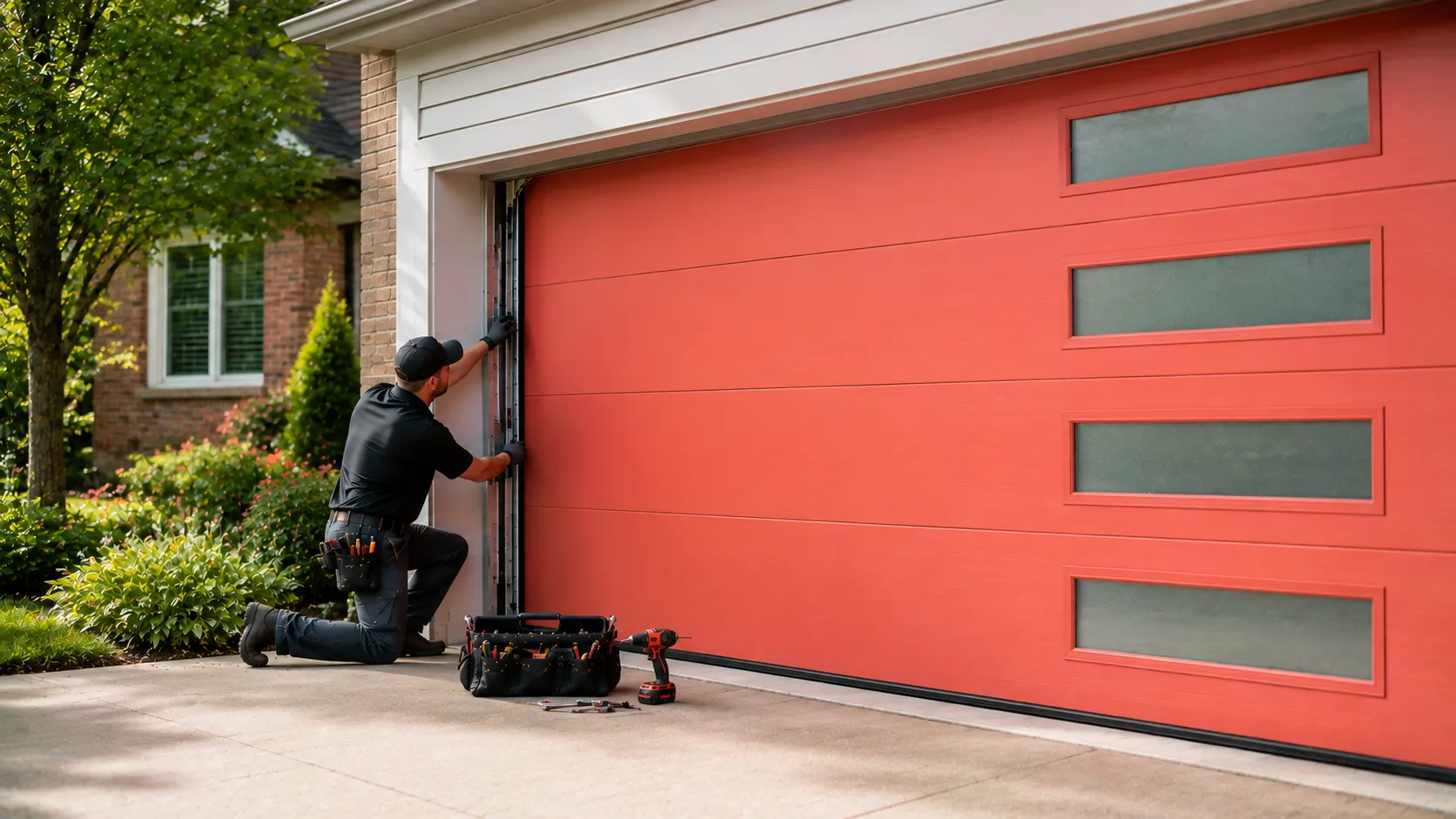
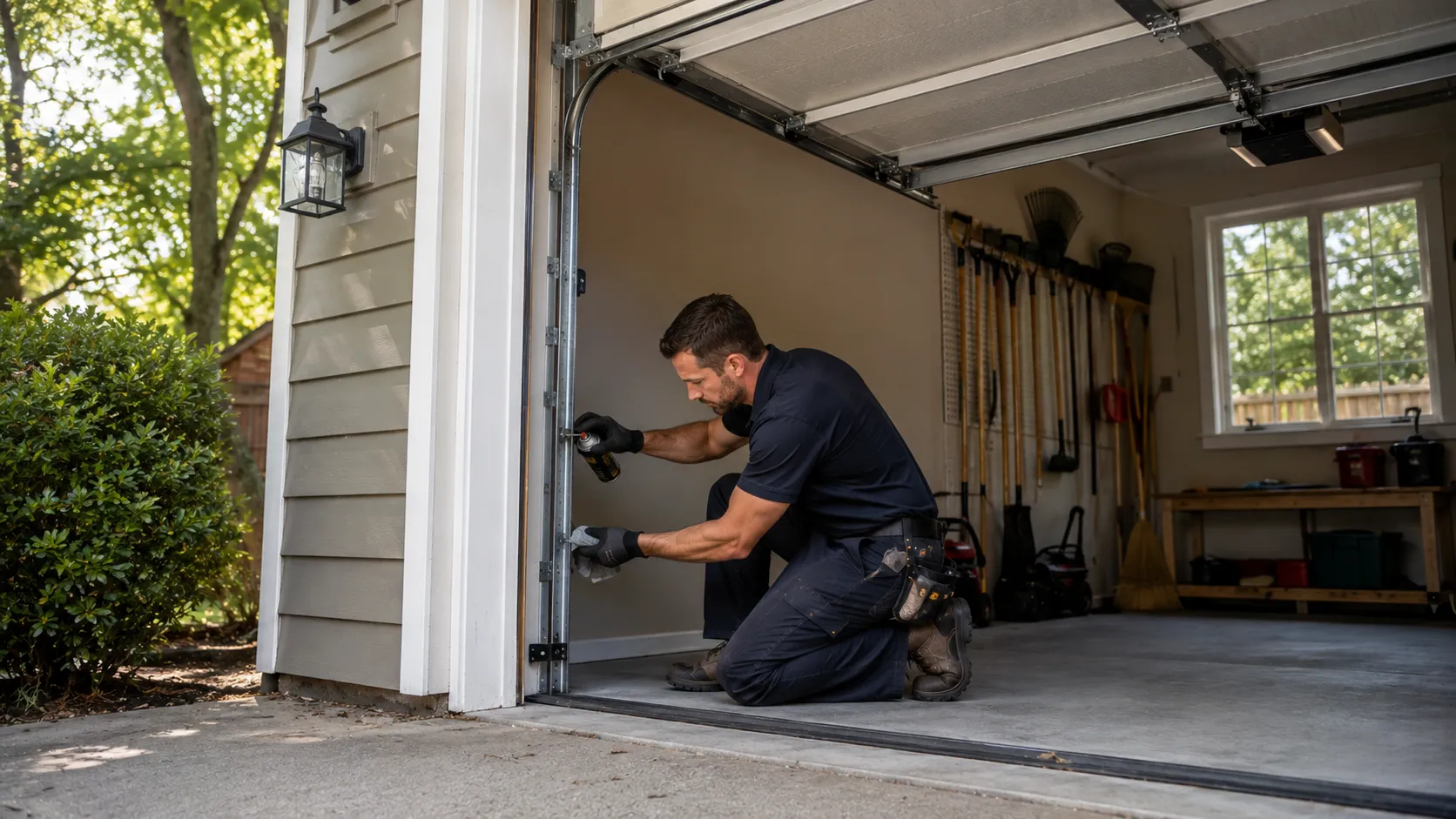
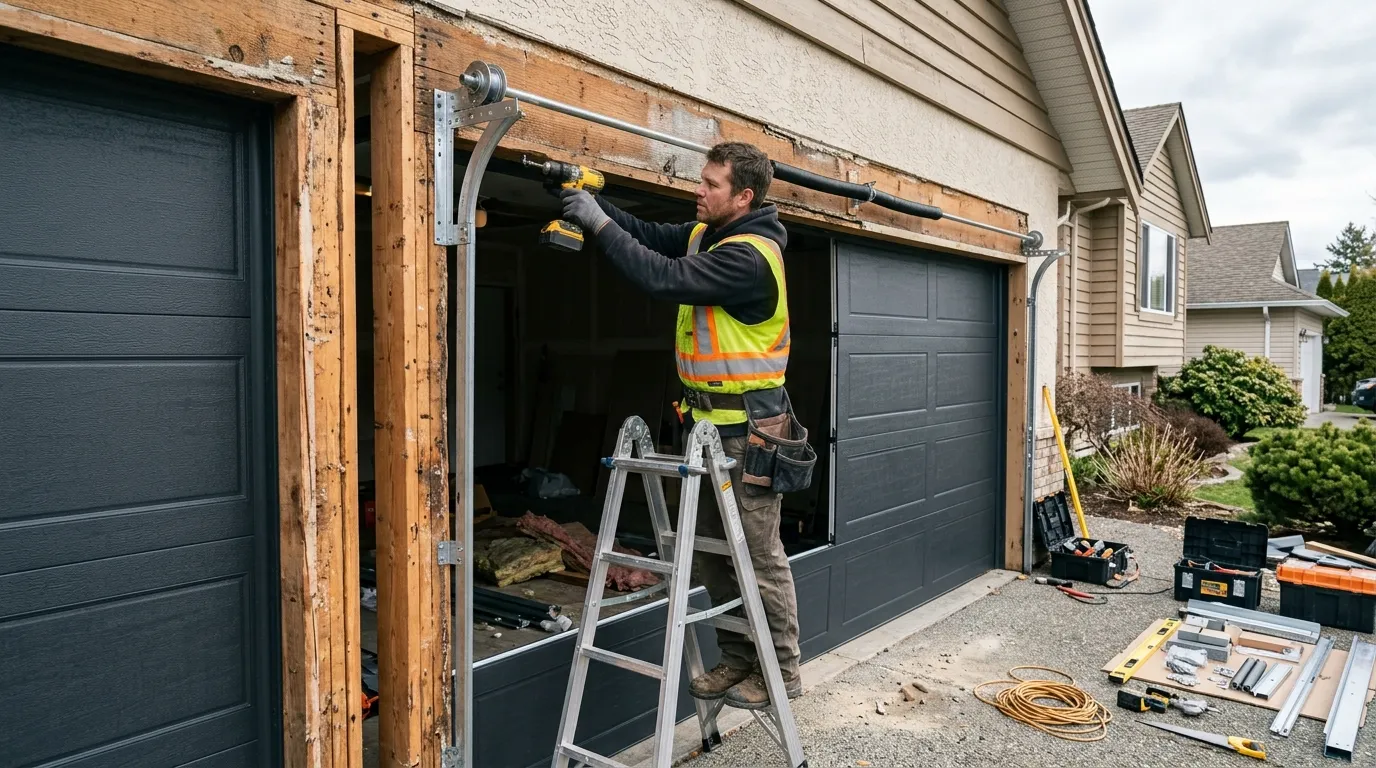
We don't keep a crew stationed in San Anselmo. The company runs out of Petaluma, about 18 miles off, and cable calls here go on the same truck route as everything else that side of the county. What we bring with us on a cable job in a town this age is the stock of pulleys, corner brackets, and cable sizes that match 1950s hardware - parts a supply house doesn't always carry off the shelf anymore because most newer construction skipped straight to torsion.
Booking a Visit
There's no local dispatch point in San Anselmo - the truck comes from Petaluma, roughly 18 miles each way, so cable jobs here get scheduled alongside the rest of that day's route rather than treated as a drop-in stop. When you call, tell us the door's age if you know it and whether one cable broke or both look worn; that changes whether we bring a single replacement cable or the full pulley-and-bracket kit for an extension-spring door.
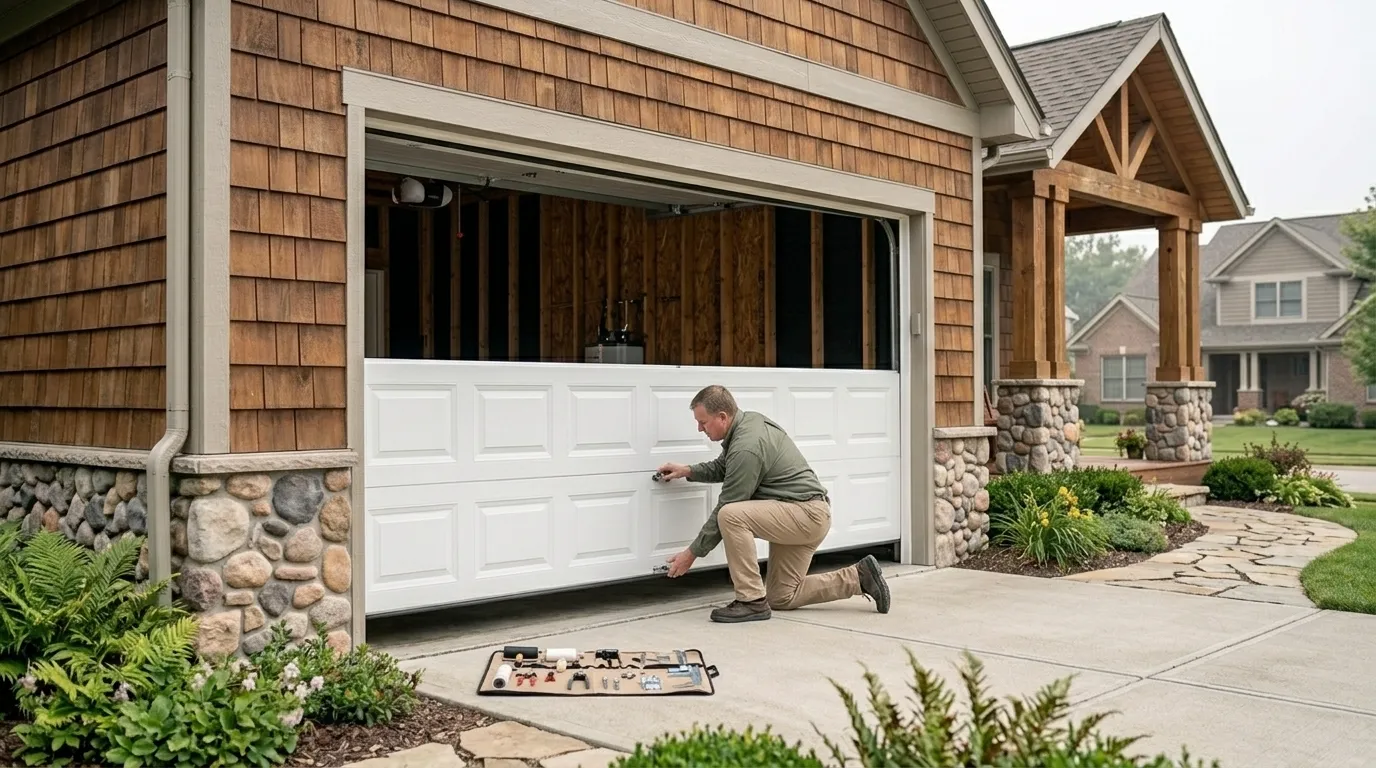
If the door won't move at all and a cable's visibly hanging loose or coiled on the floor, don't try to force the opener - a slack cable under partial spring tension can whip. Leave it shut, keep the area clear, and describe what you're seeing when you call so we come with the right parts on the truck instead of making a return trip.
How It Shows Up
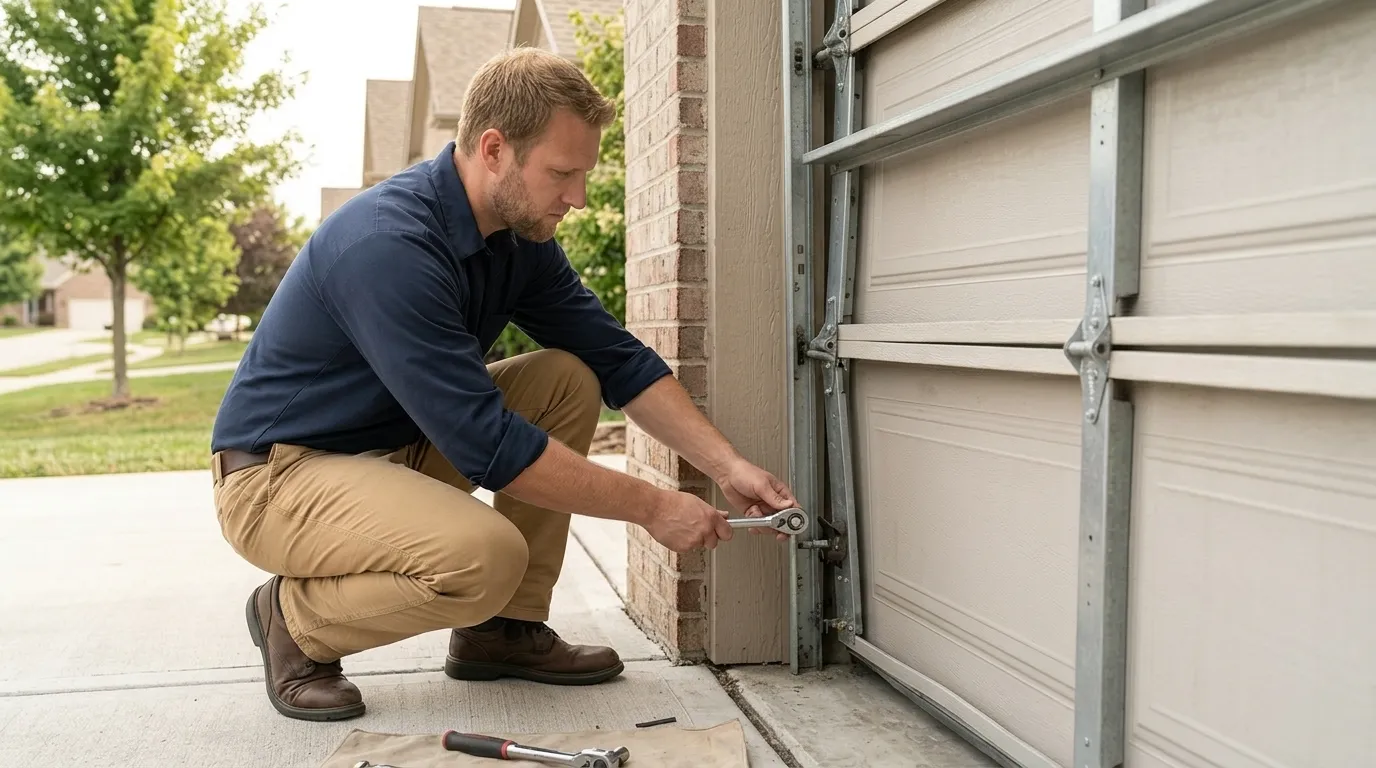
A cable problem on an extension-spring door usually announces itself before it fully lets go. Look for a door that hangs unevenly - one side higher than the other - which means one cable has stretched or partly slipped off its pulley while the other is still holding full tension. You might hear a slapping or clicking sound during travel, which is a loose cable strand hitting the track.
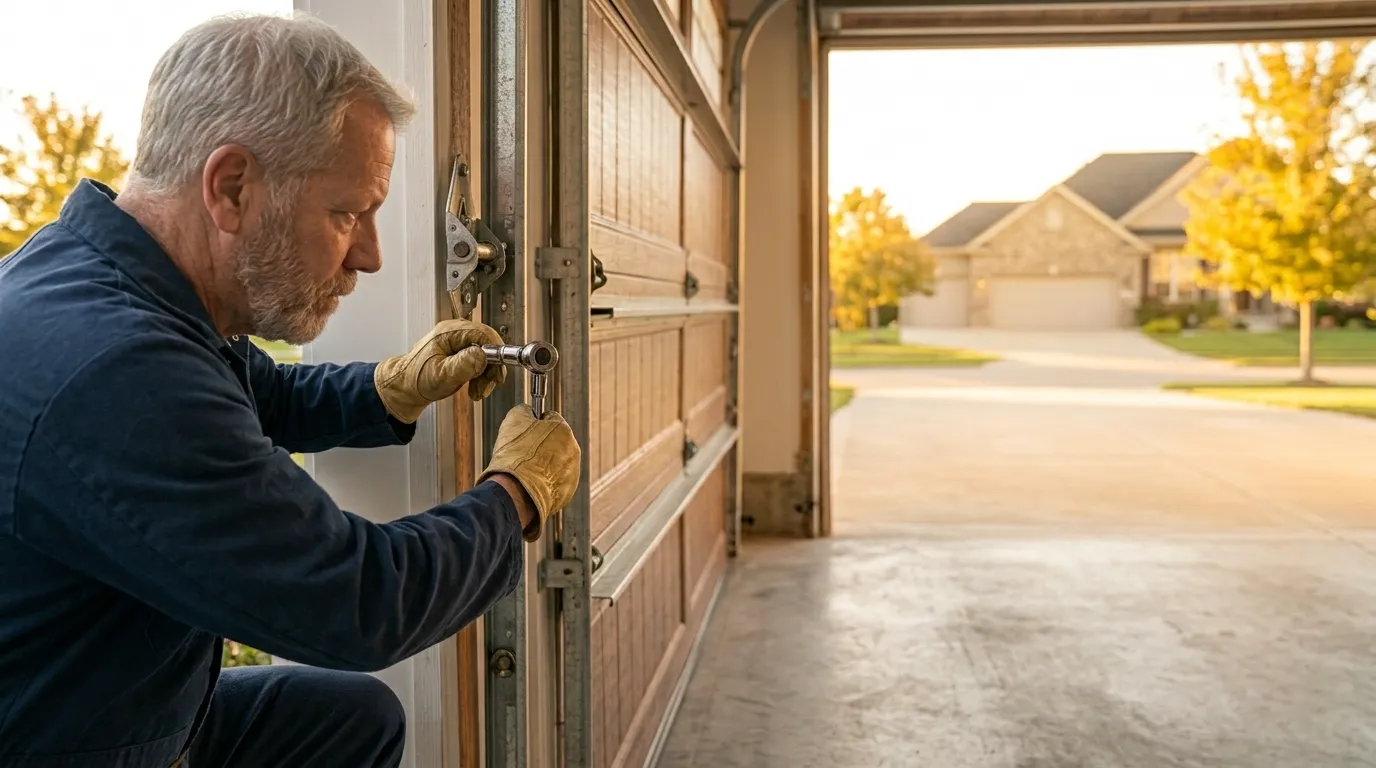
When a cable actually snaps, the door drops hard and fast on that side, sometimes coming off the track entirely, and the opener will strain or reverse because it senses resistance it isn't built to fight. On older San Anselmo doors with two pulleys per side instead of one torsion drum, a snapped cable often takes the pulley bracket with it, which is why these jobs run longer than a straightforward torsion cable swap - there's more hardware to check once the cable itself is out.