What You Pay
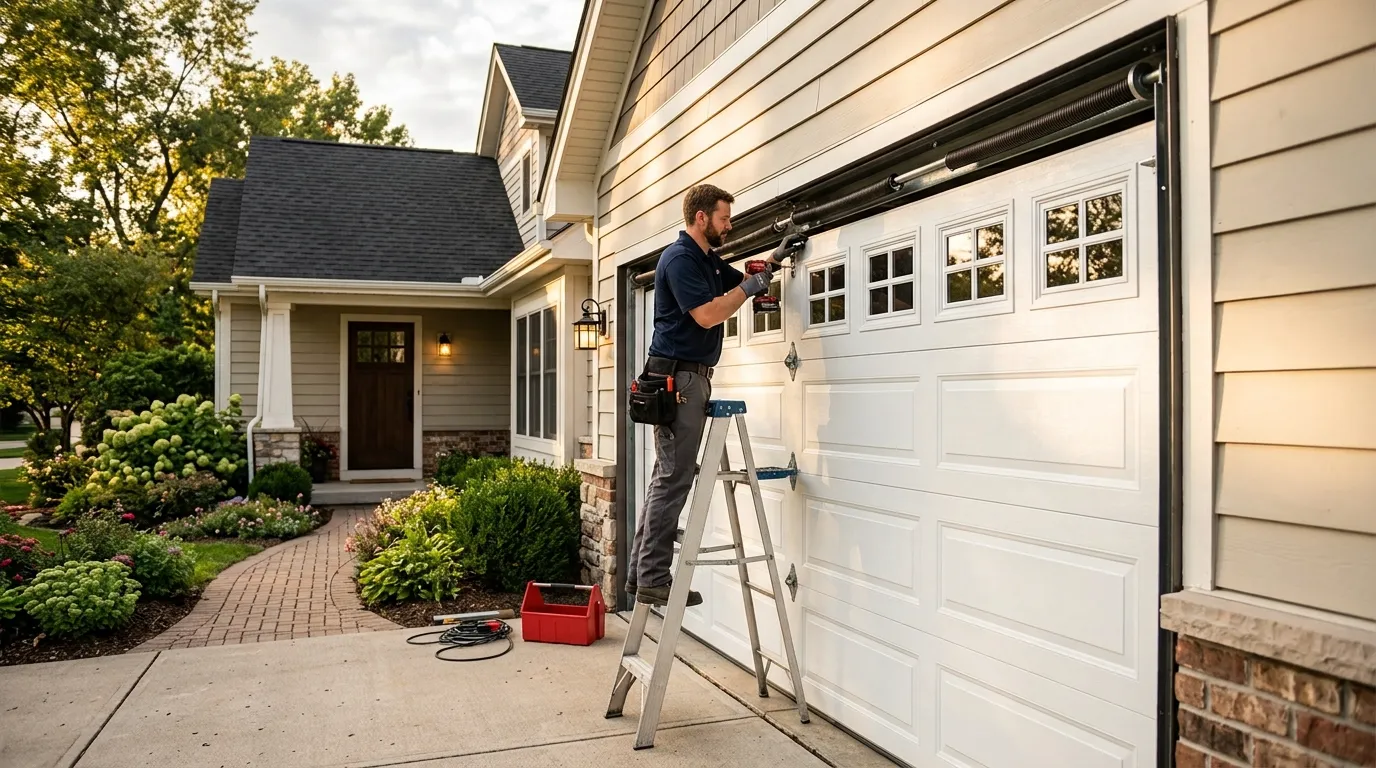
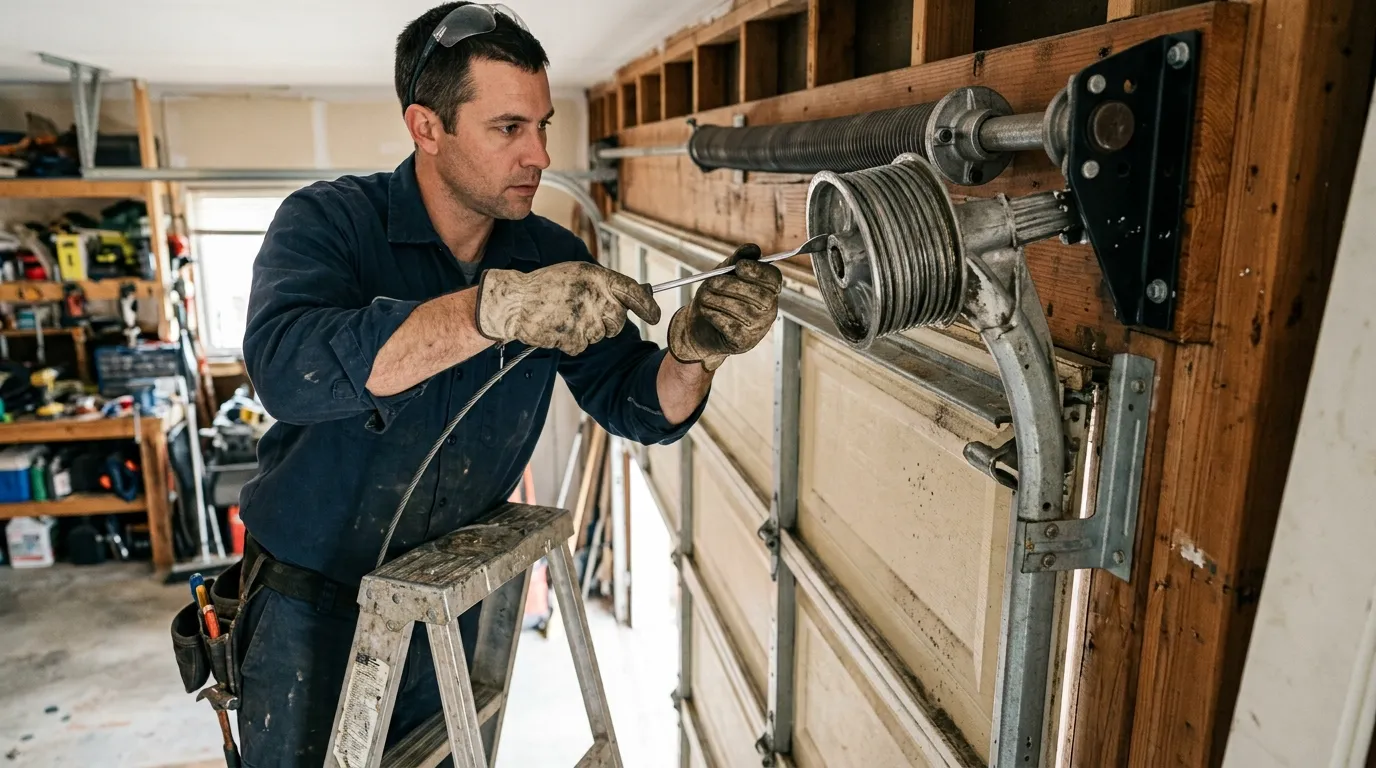
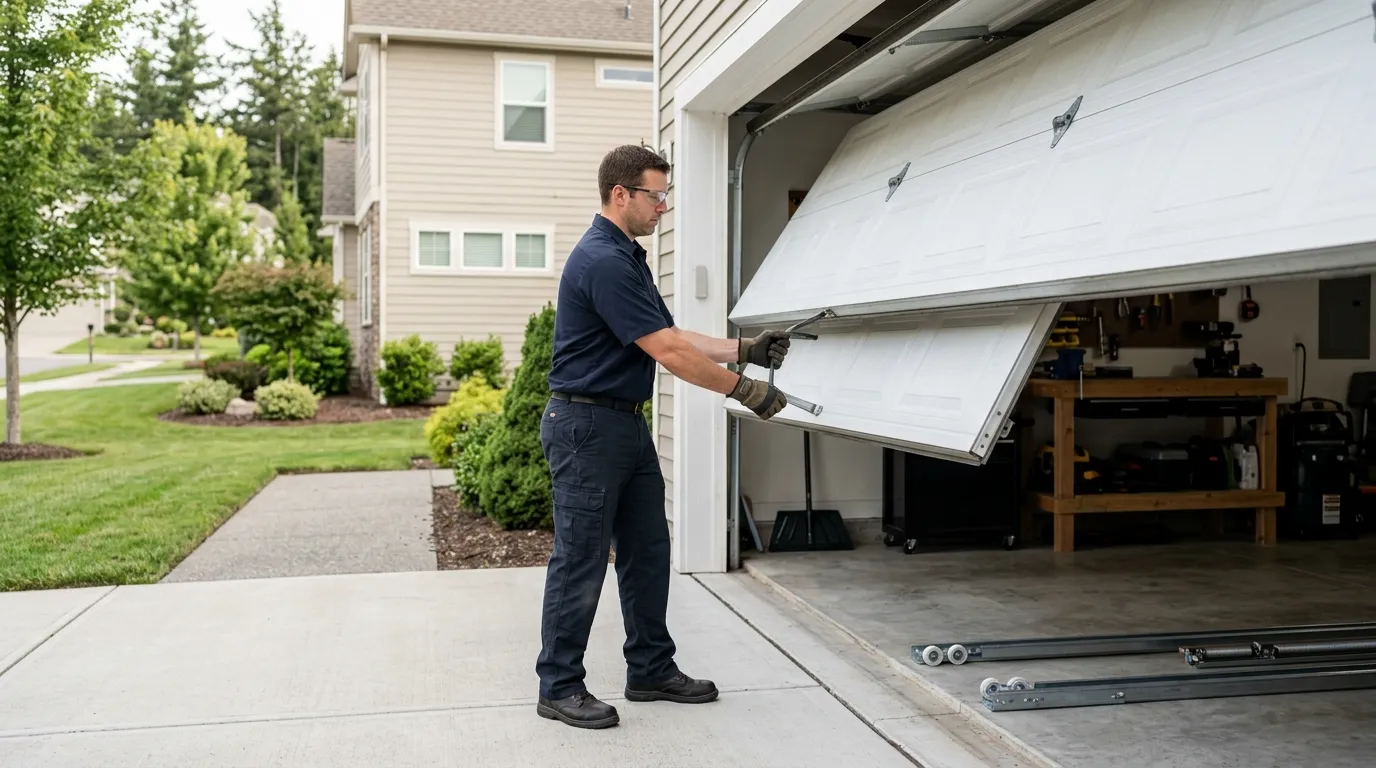
The first question is almost never about the whole door - it's about one panel. Rohnert Park's housing stock has a median build year of 1982, well into the tract-home boom, and the sectional doors that went in at that time used thinner rolled-steel skins over a foam core than the doors on older Petaluma streets. Those skins dent at the corner seam and along the mid-rail, and once the foam behind the dent has crushed, the panel doesn't pop back - it needs replacing, not hammering out.
What drives the bill is whether we can match what's already on the door. A single panel swap on a door still in production costs far less than sourcing a discontinued 1980s profile or color, and once one panel is off-run, the whole door sometimes has to come off the track to keep the sections uniform. We don't quote a flat number here because that call depends on what brand and profile is actually on your garage - something we confirm on site, not over the phone. What we can tell you up front: matching a panel almost always costs less than replacing the full door, so we start there every time.
Time on the Job
We run this job out of Petaluma, about 8 miles from Rohnert Park, so there's no second crew or branch stationed closer - every visit starts with that drive. The panel itself usually goes in within a couple of hours once we're on site and have the right part in the truck.
What actually sets the timeline is sourcing. If your door is a common profile still in production, we can often turn the job around fast. If it's a 1980s-era style that's been discontinued - which happens more than homeowners expect, given how much of Rohnert Park's stock dates to that build wave - we're ordering from a supplier, and that adds days, not hours. We won't promise a same-day panel match sight unseen, because we'd be guessing, and a wrong guess means a second trip. We'd rather tell you it might take a few days than show up with the wrong steel gauge.
Why It Happens Here
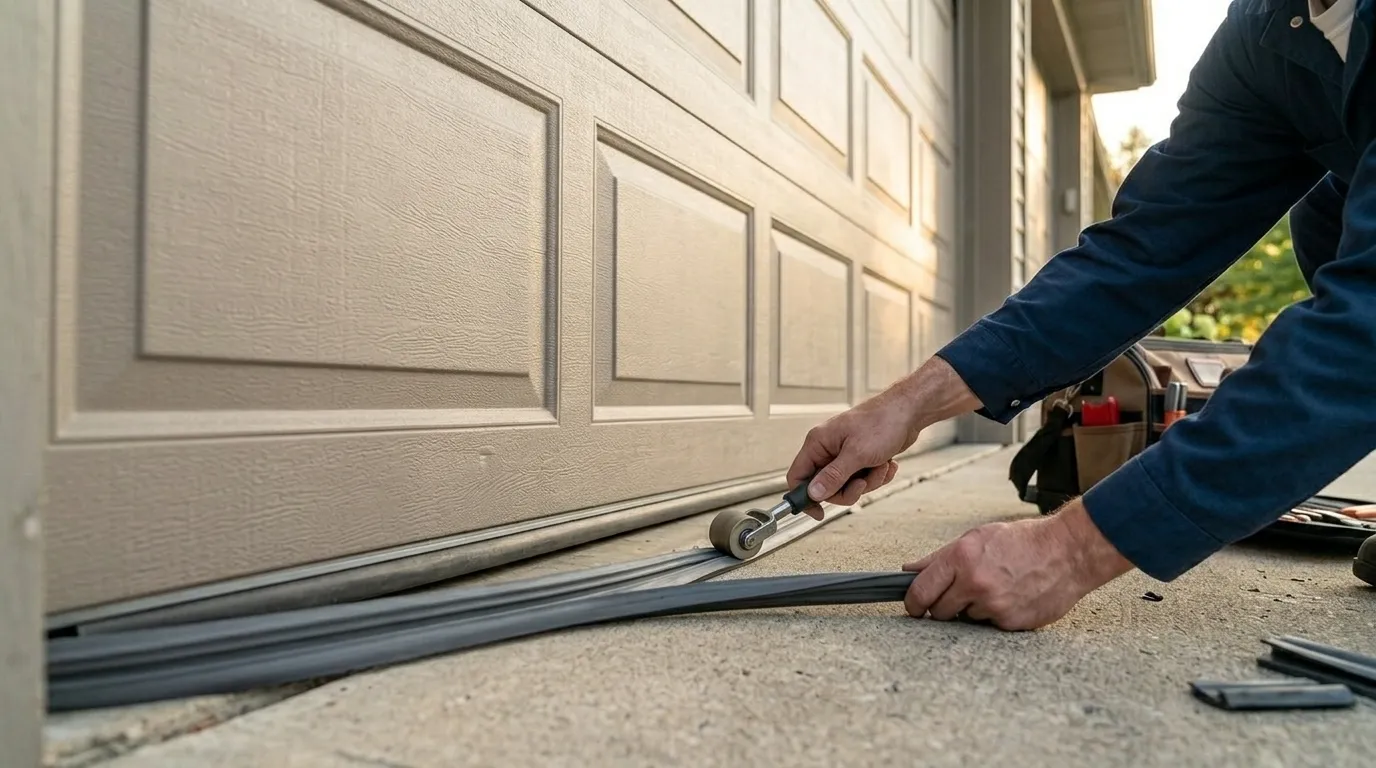
This area sits in a mild temperate climate band, so panel failure here isn't the freeze-thaw cracking you'd see somewhere with hard winters. It's slower than that - years of direct sun on a south- or west-facing door bay bake the steel skin, and on the thin-gauge panels common to 1982-era builds, that heat cycling warps the panel face just enough that it stops sealing tight against the weatherstrip. You'll notice it as a panel that looks fine but lets daylight or draft through at the seam.
Denting is the other half of it. A lot of Rohnert Park's 16,823 households sit on driveways and garages built during that same building wave, with door bays sized for the cars of that era - narrower than a lot of newer double-wide setups. That means more contact dents from mirrors and bikes clipping the edge panel, especially the bottom section that takes the brunt of it. Compare that to the wider mix of 1960s-70s stock across the broader Petaluma service area, and you can see why the fault pattern here leans toward warp-and-dent rather than the rot and rust you get on much older wood-panel doors.