What You Pay
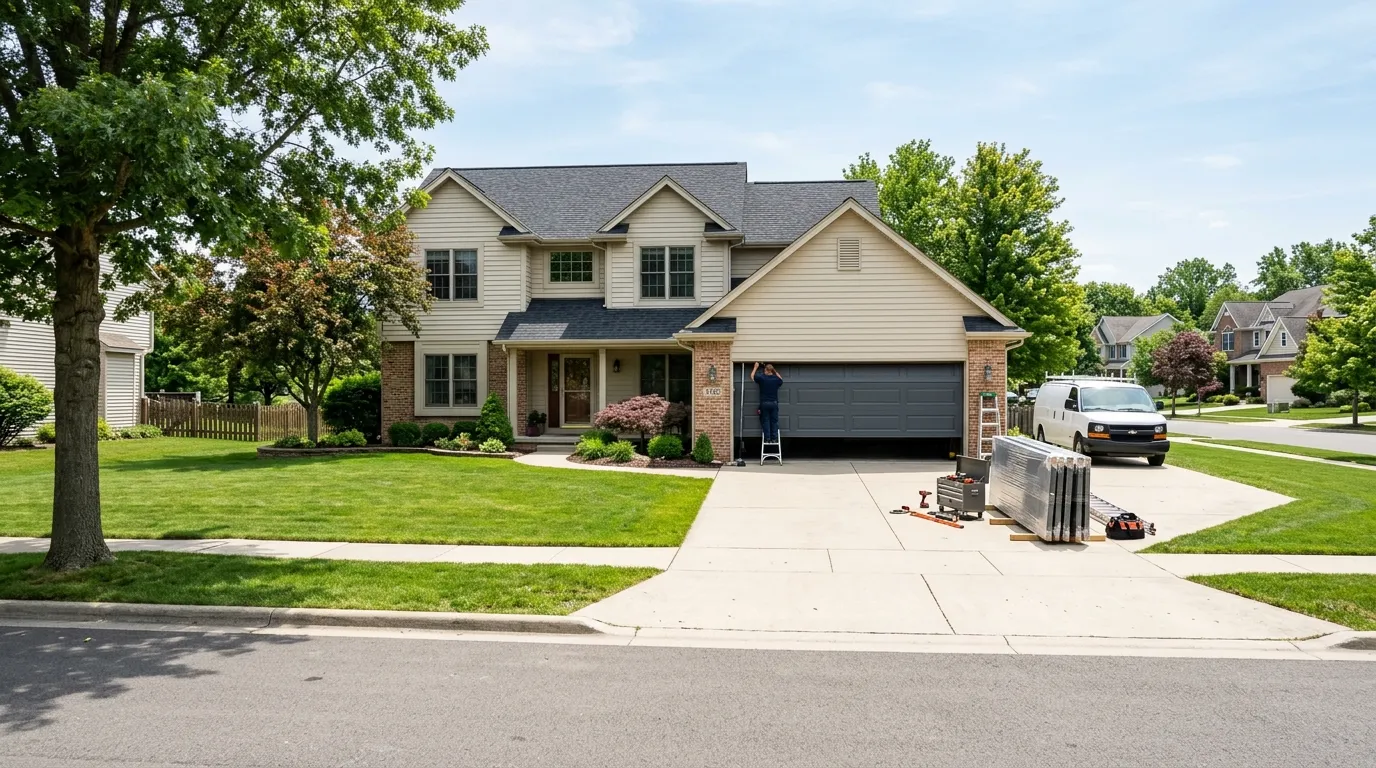
The drive to Rohnert Park is eight miles from our shop in Petaluma, which is short enough that a cable job here runs the same way it would ten minutes closer to home - one visit, no second trip for a part we could have brought the first time. That matters more than it sounds, because a snapped cable almost always means the door is stuck either wide open or jammed a few inches up, and nobody wants to wait around for a return visit.
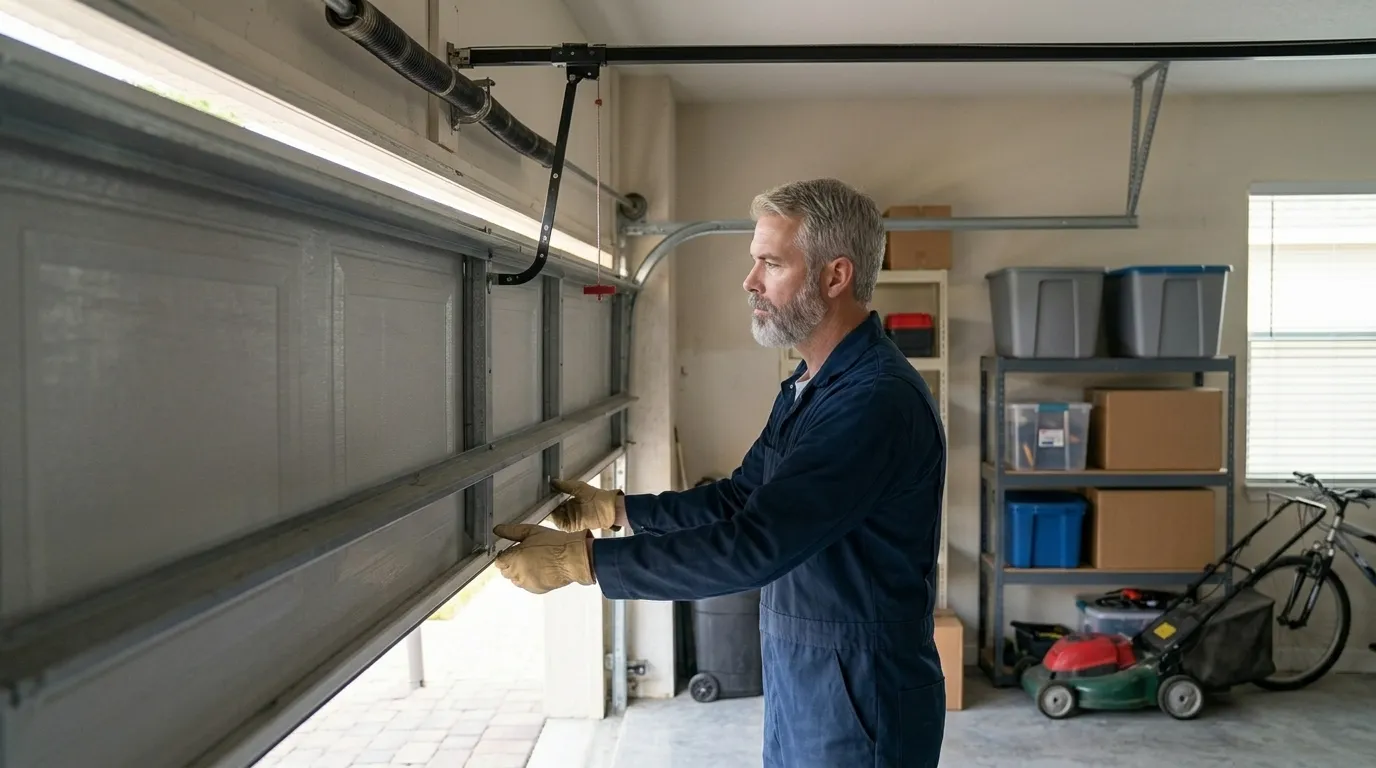
Most of the houses we see cable failures on in Rohnert Park went up well after the older stock across the wider Petaluma service area, which runs from 1938 into the late 1980s. Rohnert Park's own housing is newer within that range, built mostly around the early 1980s. That means extension-spring setups with their own cable and pulley routing, not the older torsion-only doors you find on the earliest houses in this area. The parts and the failure points are different, and we price the job to match what's actually on your door, not a guess based on the block it sits on. We don't quote a number blind over the phone - we quote it once we see the drums, the pulleys, and how the old cable frayed.
Time on the Job
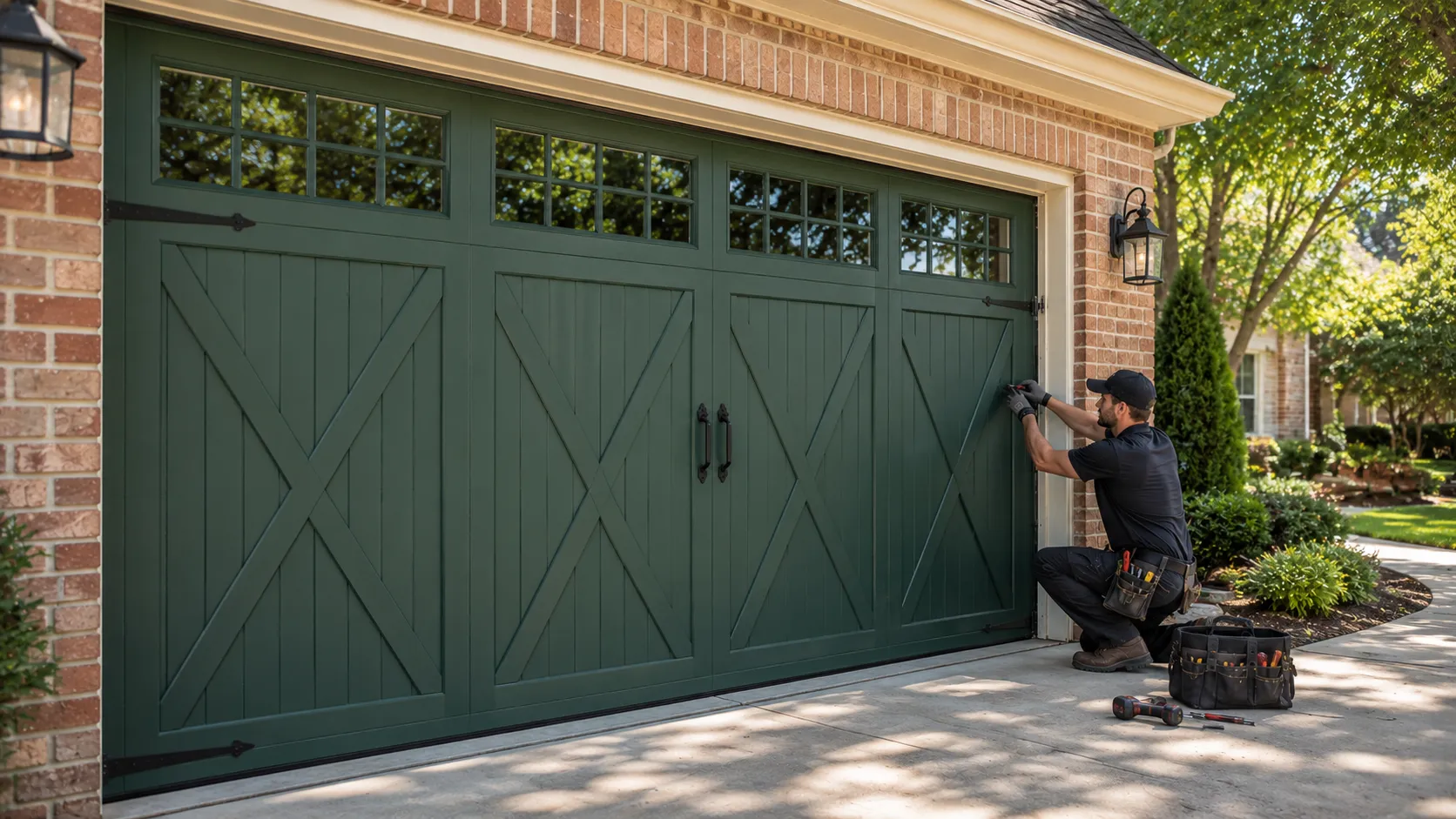
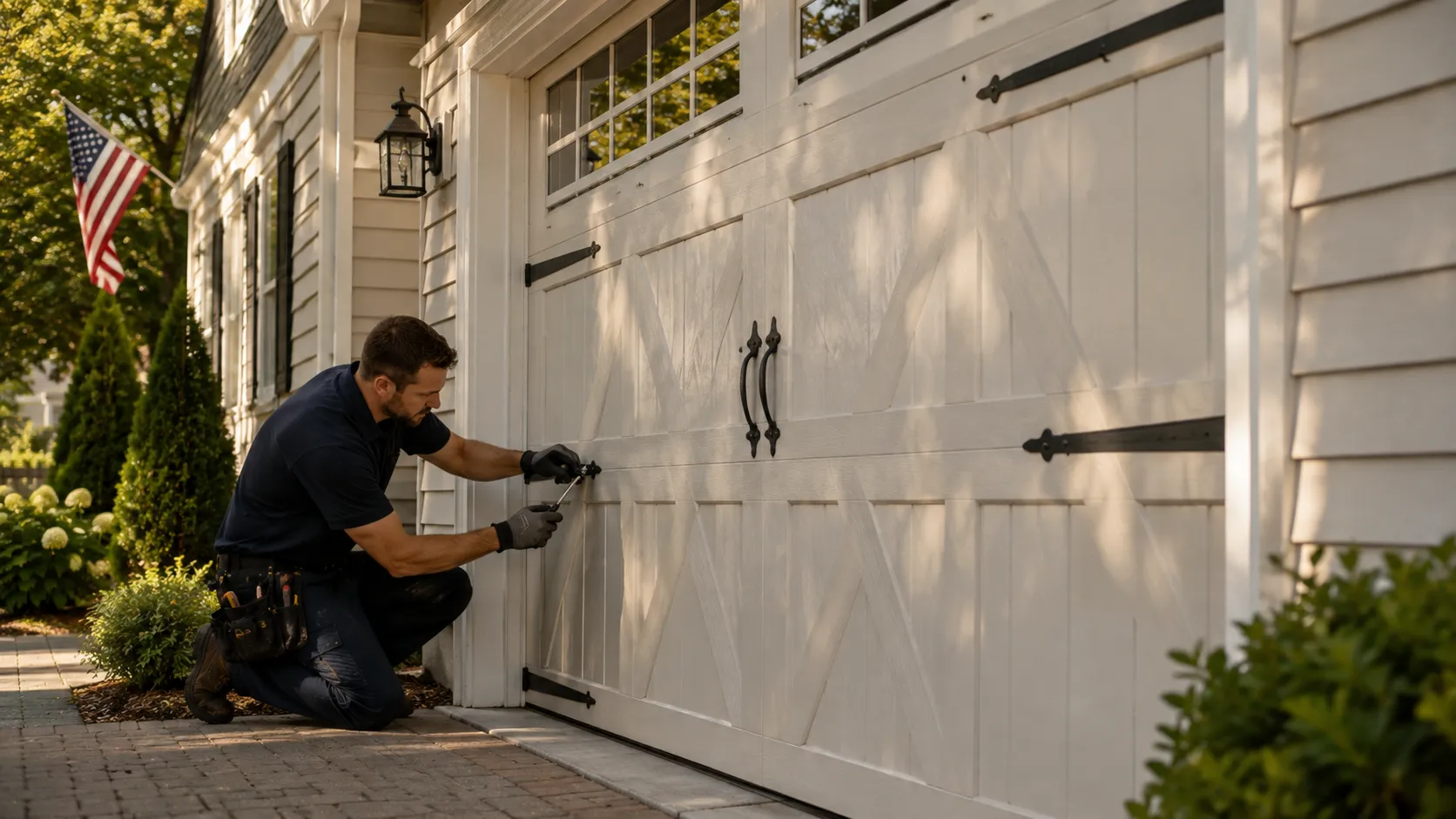
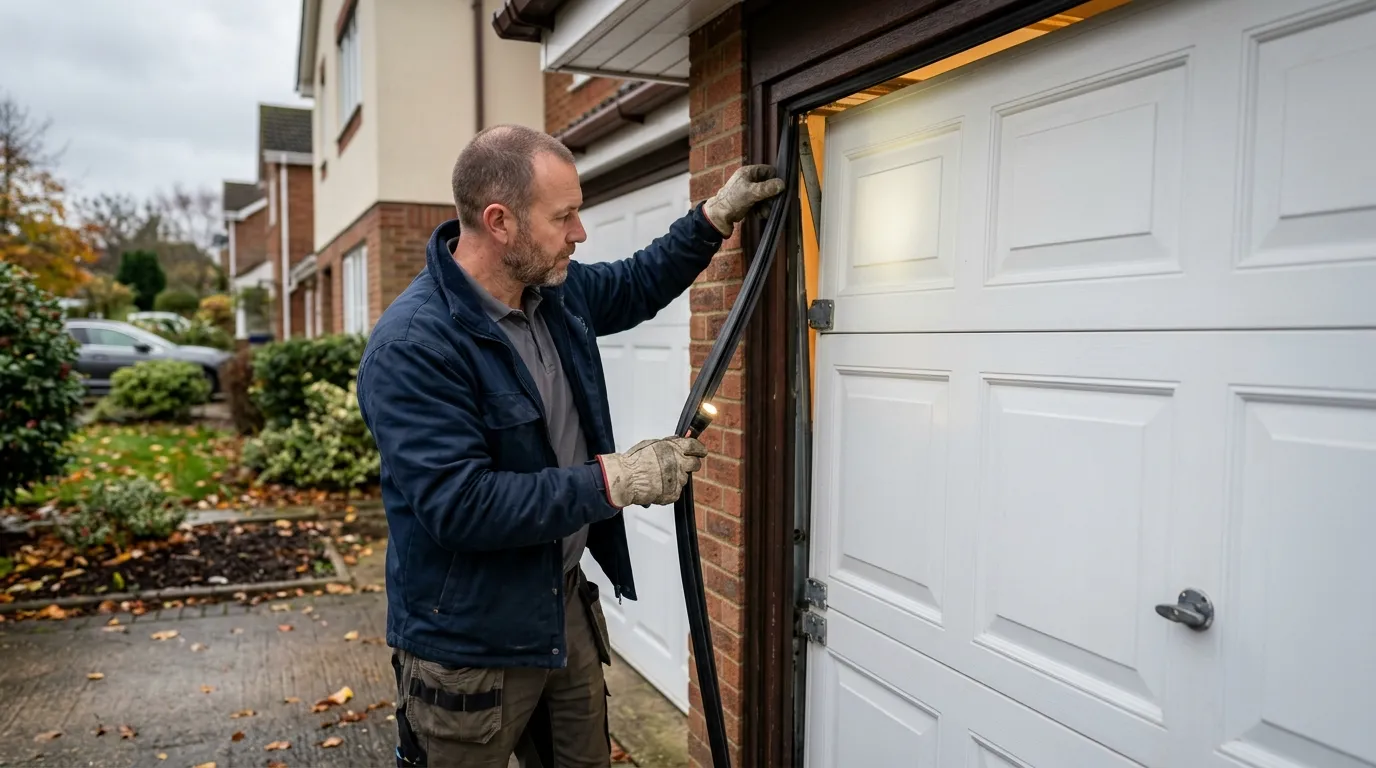
A straight cable replacement on a residential door is a same-visit repair - we don't leave a Rohnert Park garage stuck open or jammed shut overnight if the fix is just the cable and pulley. The work itself is a couple of hours including the tension and balance check afterward.
Where it runs longer is when the bottom bracket has bent from the door dropping unevenly, or when the drum on the torsion shaft is grooved from years of cable riding in the wrong spot - both of those show up more on doors from the older end of this area's housing, less on the early-80s stock typical of Rohnert Park. We check for that before we call the job done, not after you've called us back.
One honest limit: if you need an oversized or nonstandard cable length - some custom or oddly tall doors take one - that's not something we carry in every gauge on the truck, and it can mean ordering the exact spec rather than cutting one down on site. We'll tell you on the spot if that's your situation, not after we've started.
Why It Happens Here
Rohnert Park's housing stock centers on the early 1980s, which puts it toward the newer end of the range across this area - homes here run from 1938 up through the late 1980s overall. Doors from that era typically came with extension springs and lighter-gauge cables than the torsion setups on older houses nearby, and those cables have had four decades of cycles to wear through at the same two points: the drum and the bottom bracket clamp.
The climate here is mild temperate, so we're not dealing with the cable corrosion you'd see somewhere with real humidity swings or road salt. What wears these cables out is mechanical - the number of open-close cycles, a pulley that was never lubricated, or a door that's been slightly out of balance for years without anyone noticing until the cable finally lets go. Across the roughly 24,784 owner-occupied houses in this service area, that steady mechanical wear on 1960s-through-80s hardware is the pattern we see far more often than weather damage.