Doing It Yourself
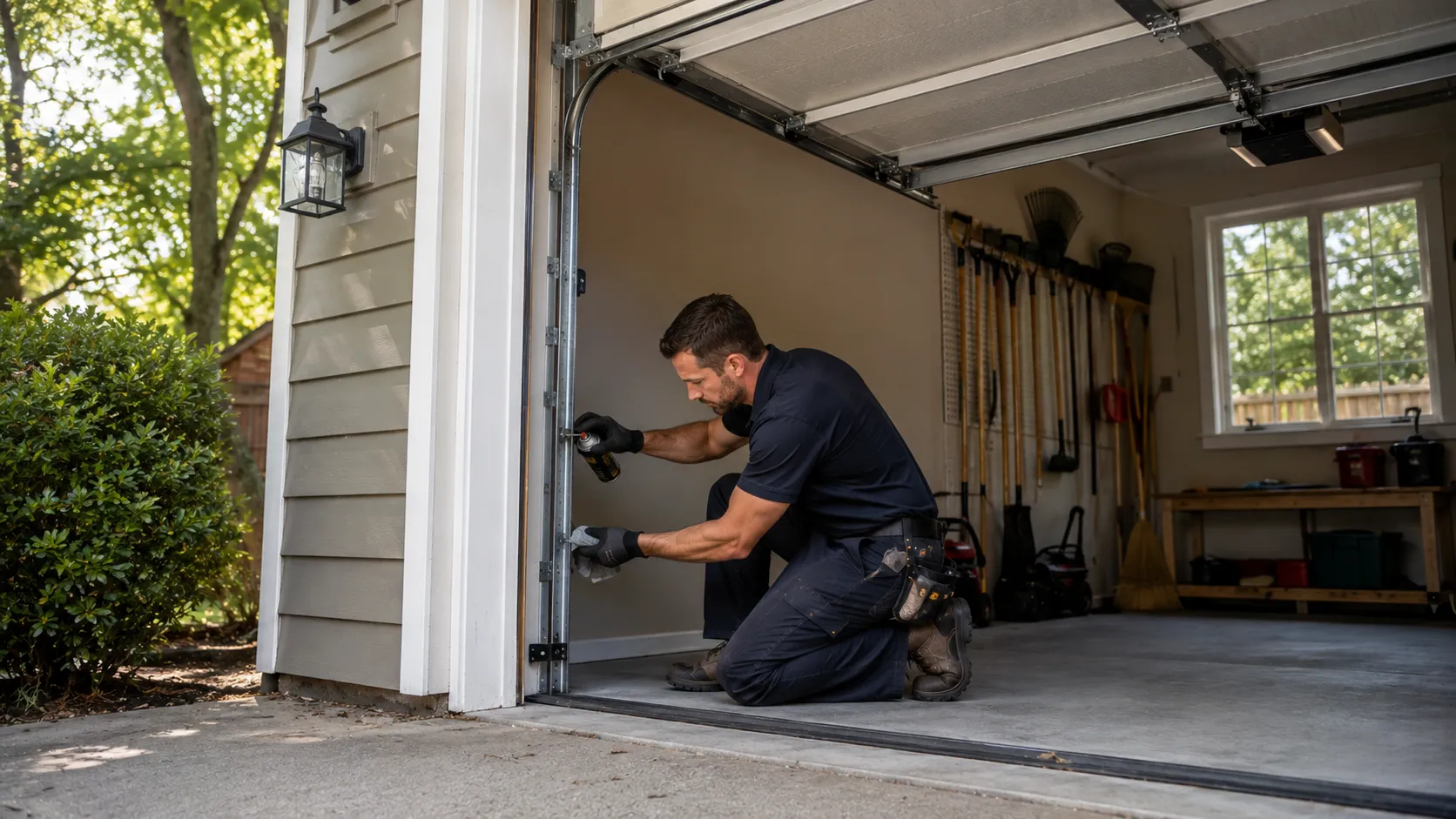
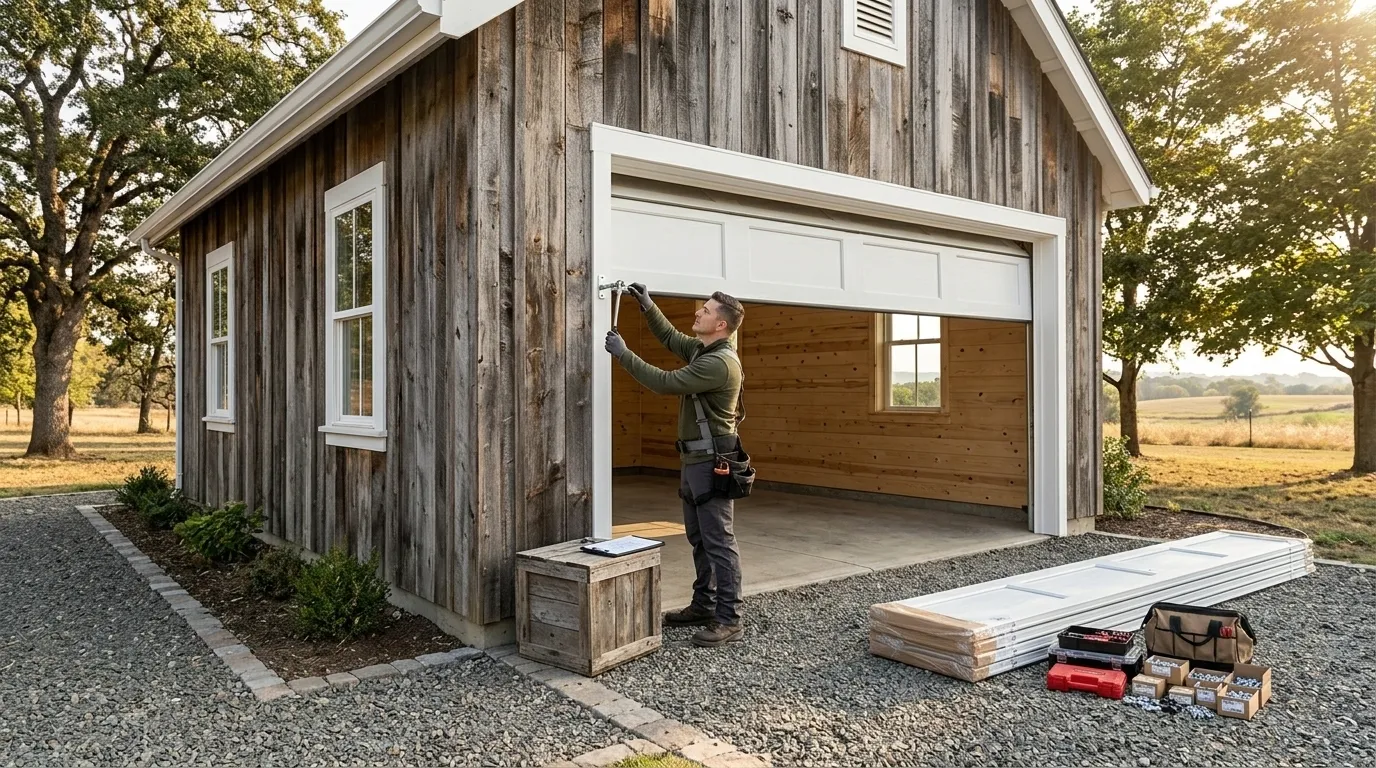
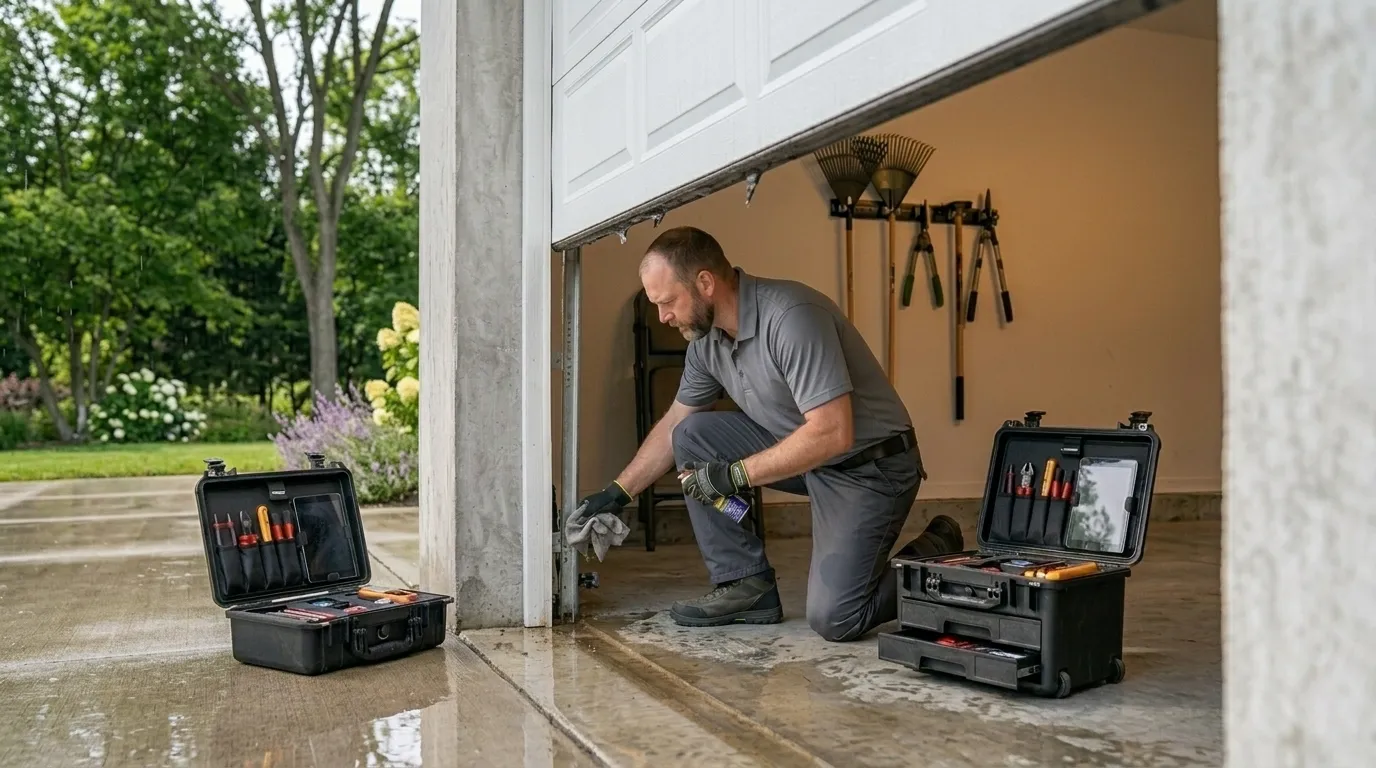
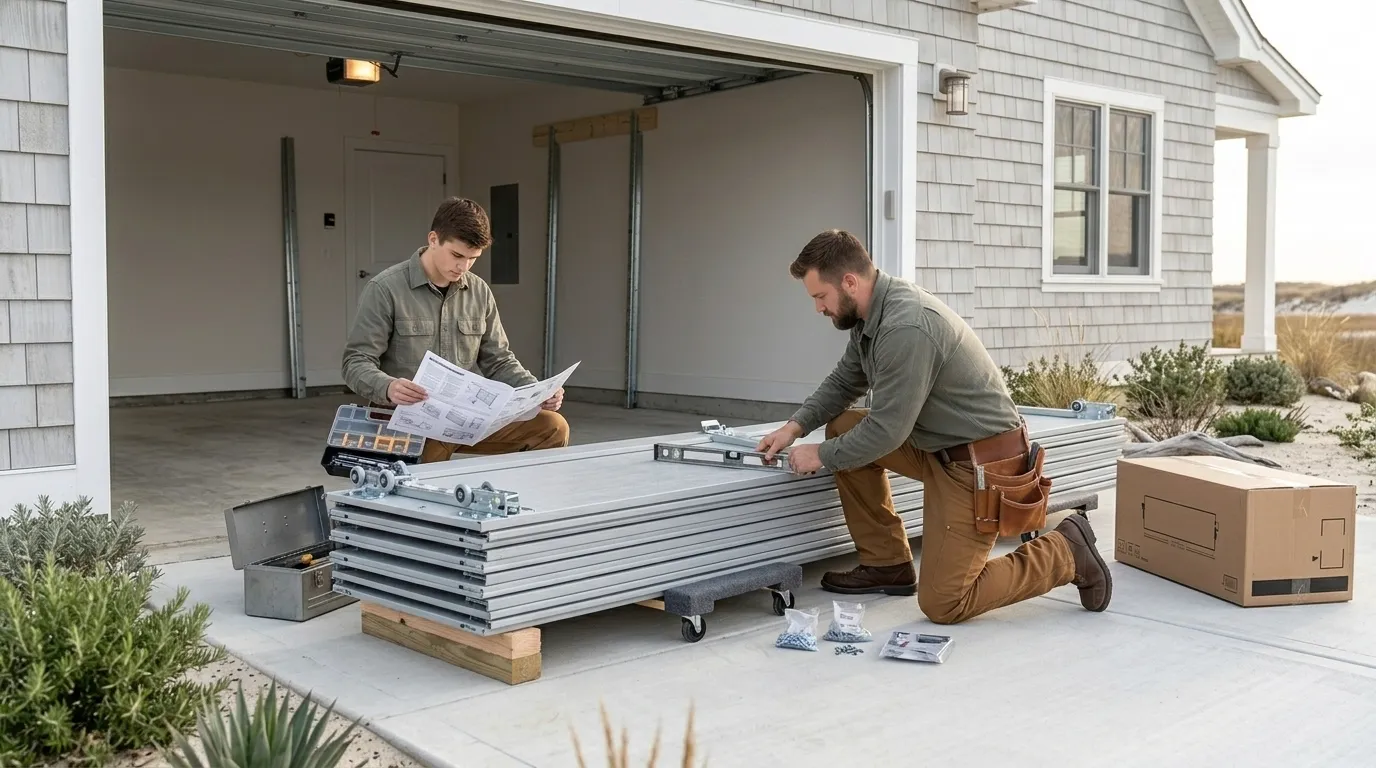
Penngrove sits close enough to town - about 5 miles out - that a lot of homeowners here call us after trying something first. That's fine, and some of it is safe. Lubricating hinges and rollers, checking that the photo-eye sensors are aligned and clean, tightening loose bolts on the track brackets - all reasonable weekend jobs.
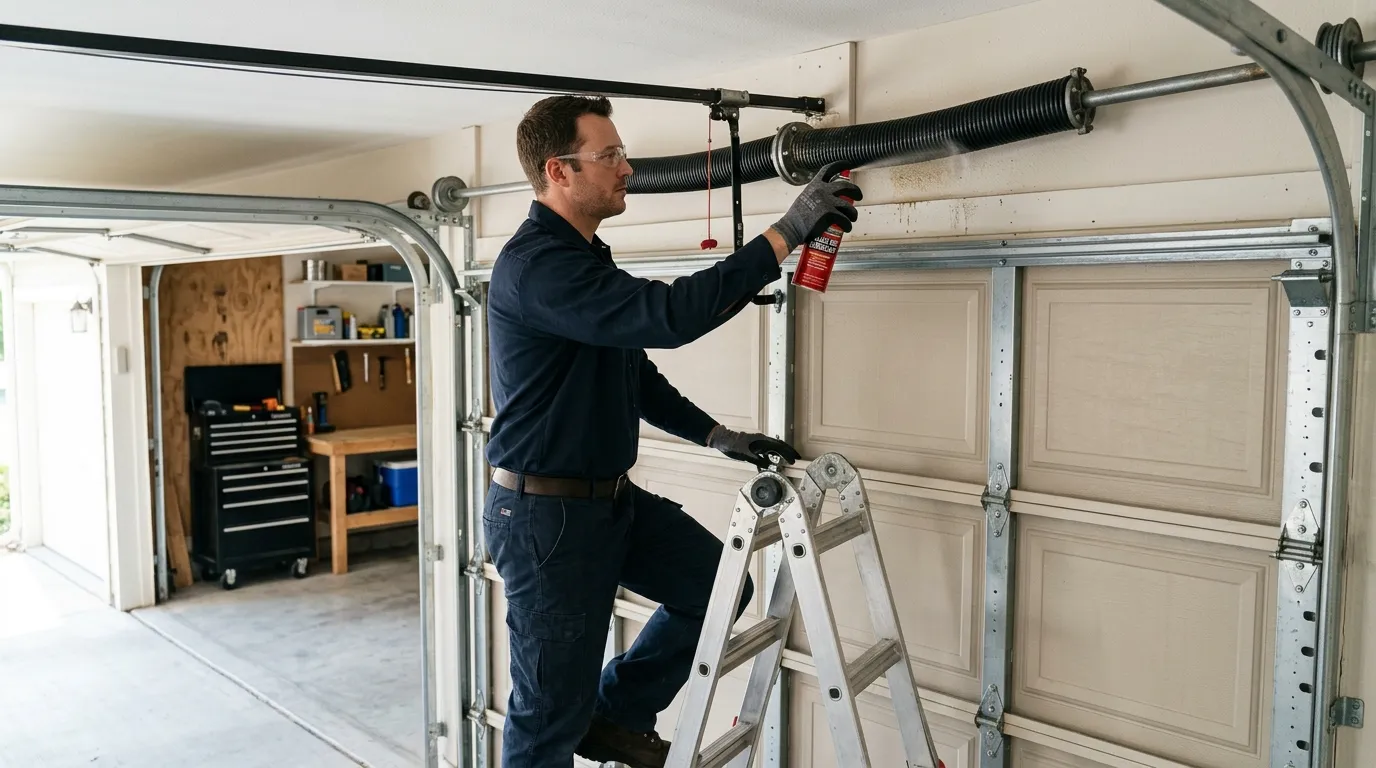
What isn't reasonable is touching the torsion spring. On a house built around the mid-1960s, which describes a lot of this small pocket of roughly 966 households, that spring has likely never been swapped. It's wound to a tension that can break a wrist or worse if you don't have the right winding bars and a clamp. We get calls where the homeowner got partway into a spring job and stopped, which is the right call, just later than it should have been.
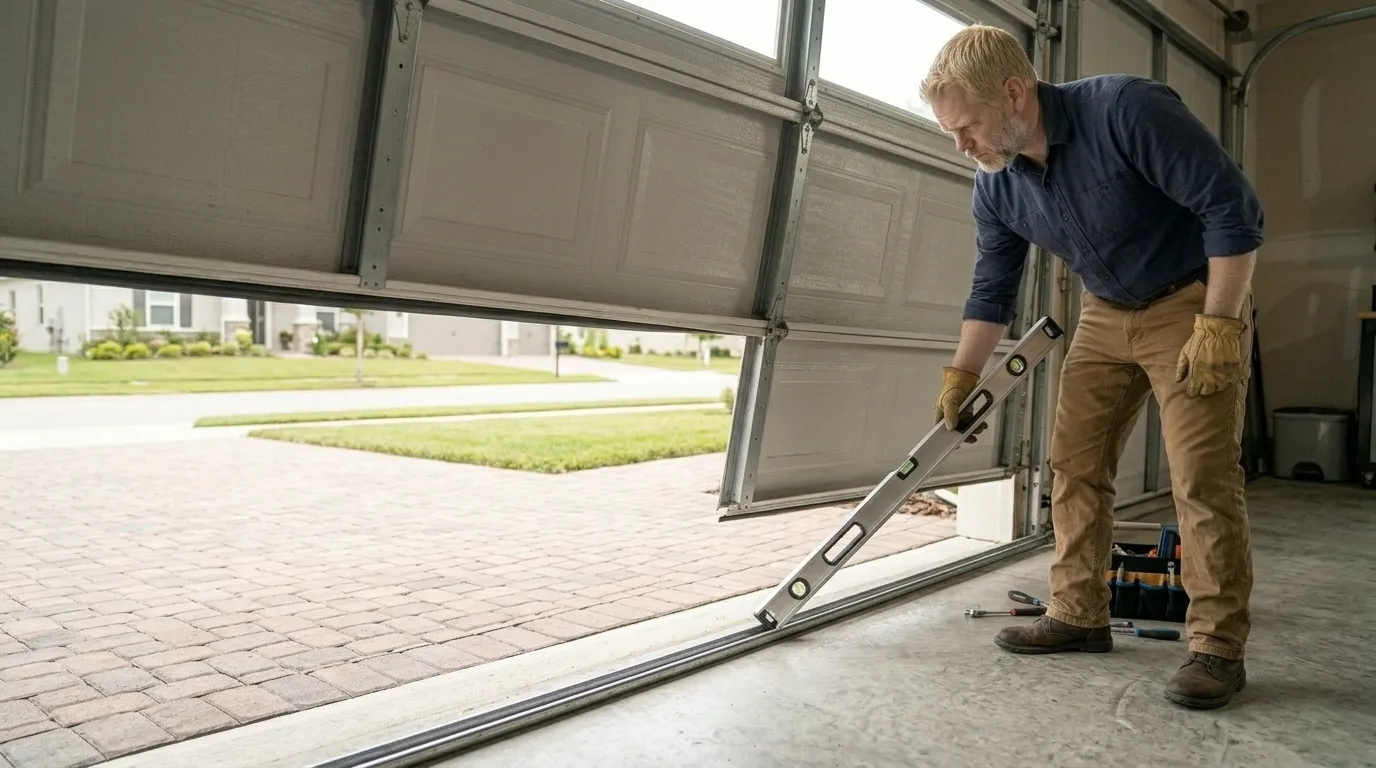
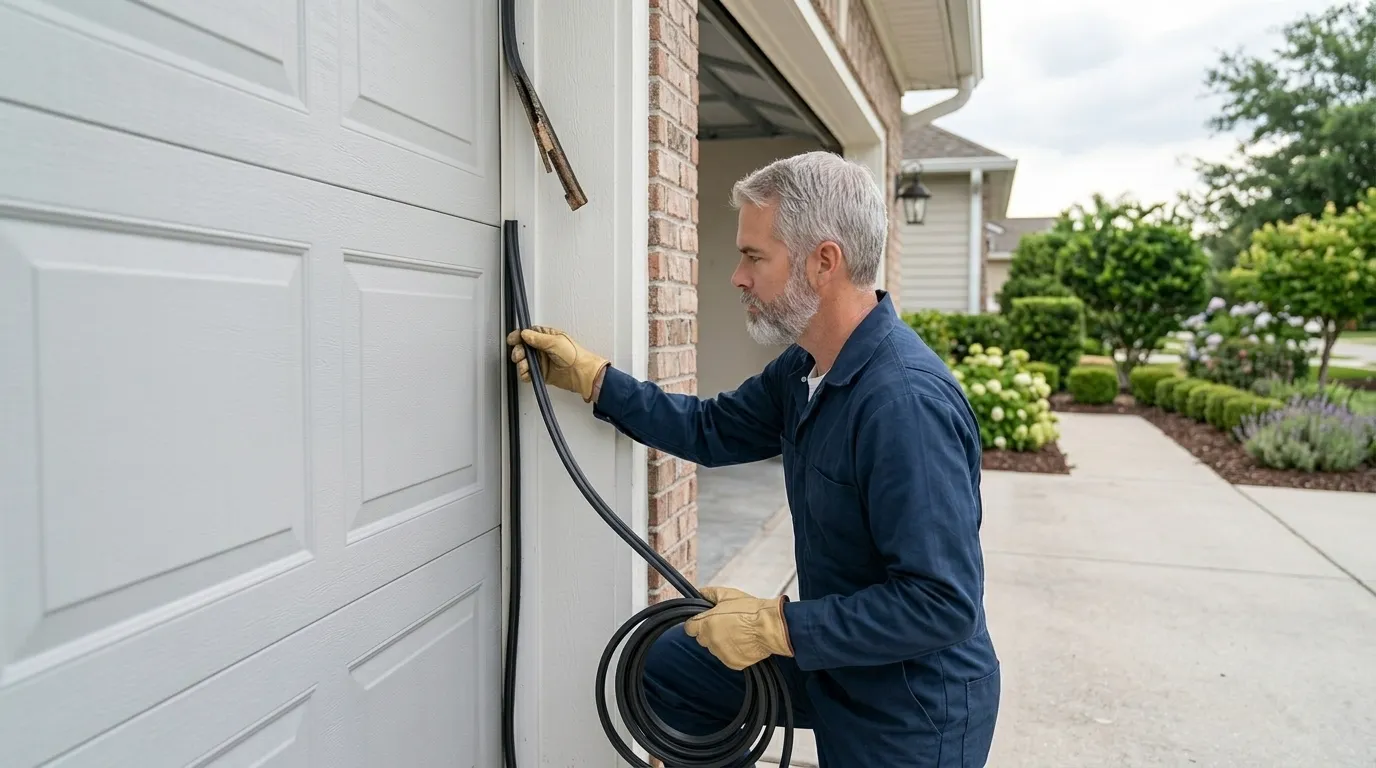
Same goes for cables under tension and anything involving the bottom brackets on a door that's still up. If the door won't open, won't close, or drops when you hit the button, that's a call for us, not a trip to the hardware store. If it's just noisy or slow, there's a decent chance you can quiet it down yourself before it becomes a real repair.
What You Pay
We don't quote a price here without seeing the door - Penngrove's mixed enough hardware-wise that a phone estimate would just be a guess. What we can tell you is what drives the number: whether it's a spring or a full cable-and-drum job, whether the opener is original or already replaced, and whether we need a special-order part for older track or a non-standard spring size.
Household income in this area runs a bit above the wider service area's median, and we mention that only because it shapes what people ask for - more owners here ask about full opener upgrades rather than patch repairs, since they're planning to stay in the house. That's a reasonable way to think about it: if the door is original and one part just failed, fixing that part usually makes sense. If two or three things are failing at once on forty-plus-year-old hardware, replacement often costs less over a few years than repeated service calls.
We'll give you the actual number after we've looked at the door, and we'll say plainly if repair isn't the better move.
How We Fix It
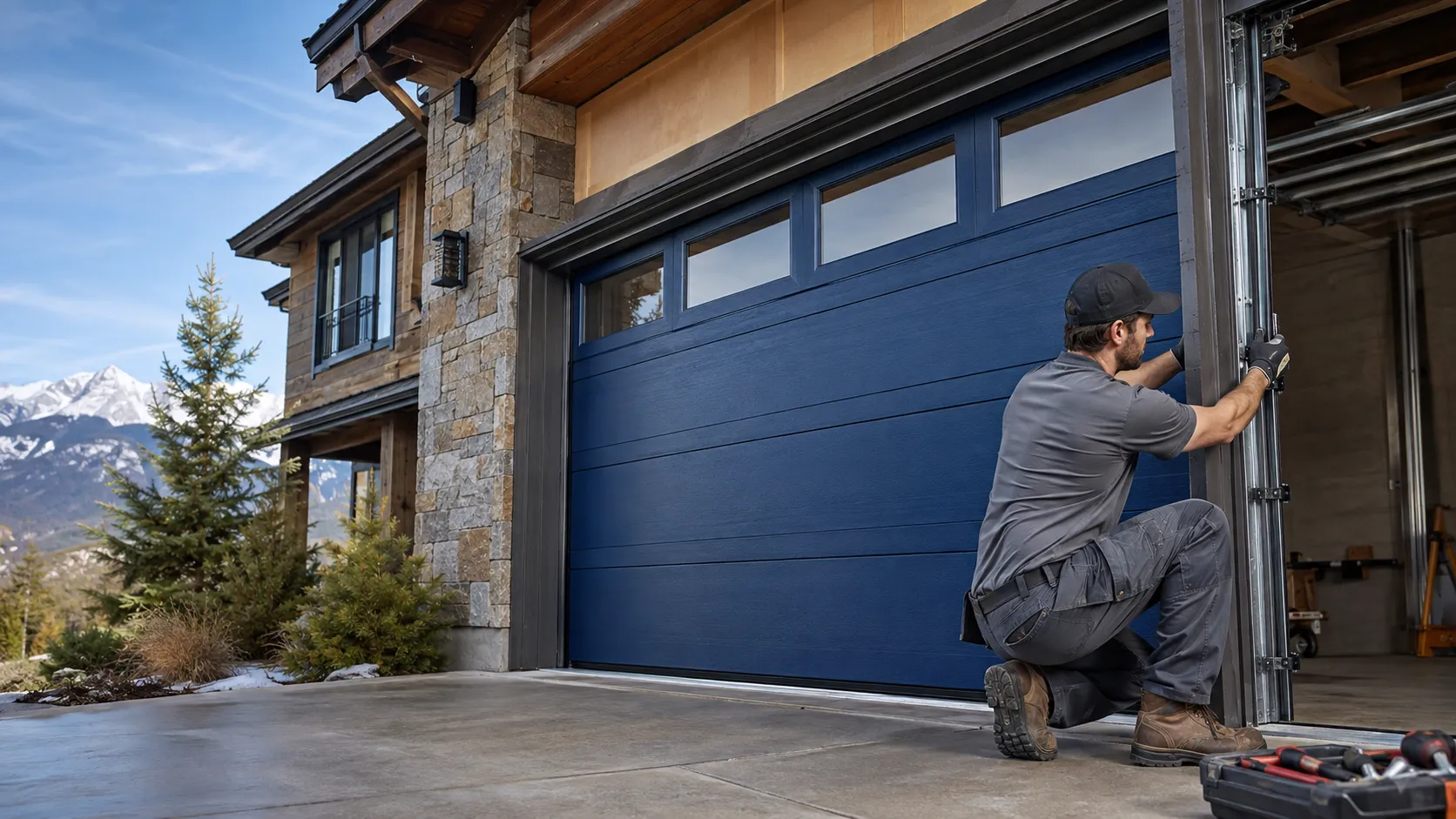
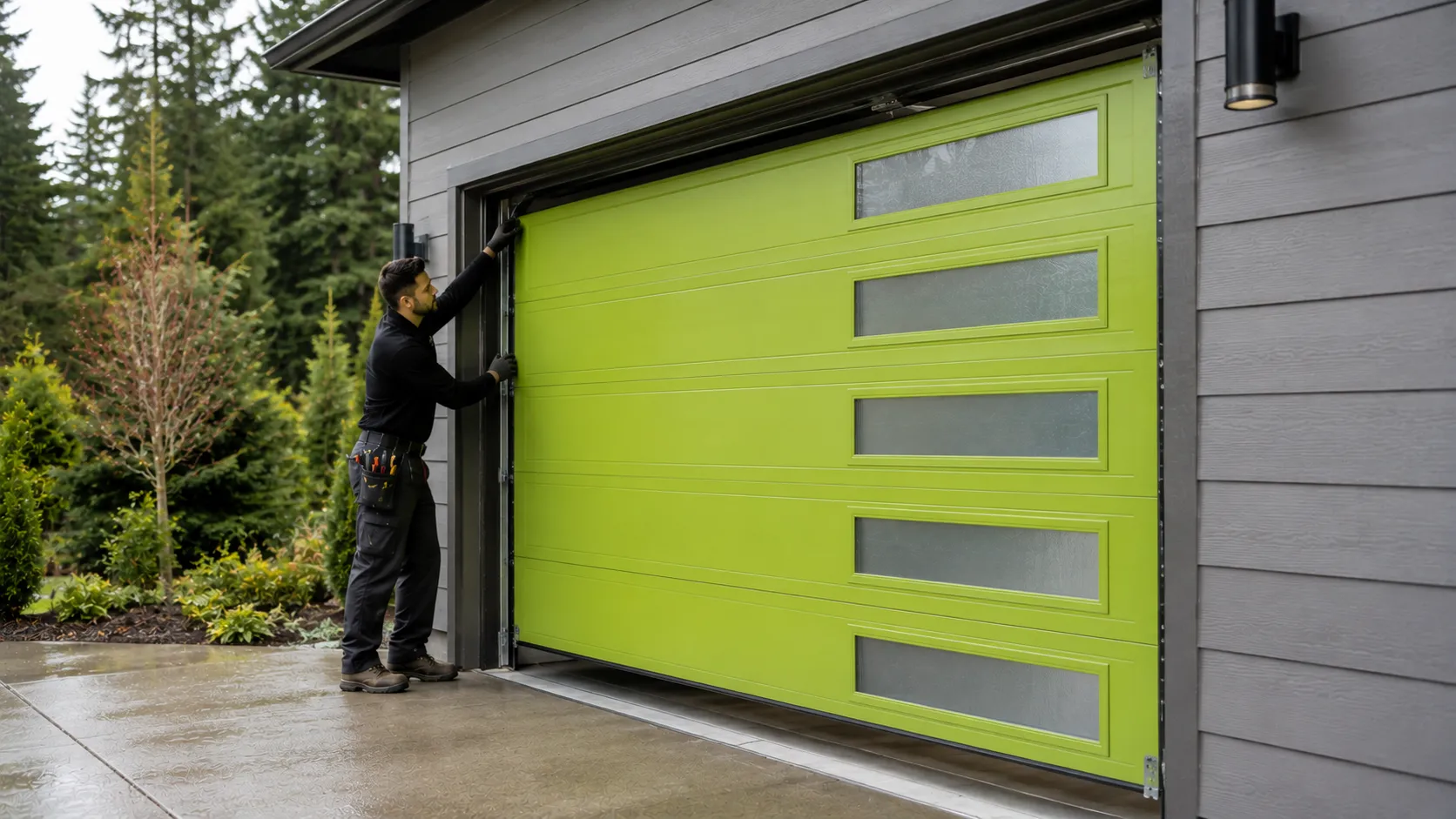
For a broken torsion spring, we match the wire size and wind to the door's actual weight, not just whatever's closest on the truck - original doors from the 1960s and 70s don't always match the spring sizing that's standard today. For cables and rollers, we replace in pairs even if only one side failed, since the other side on a door that old is usually close behind.
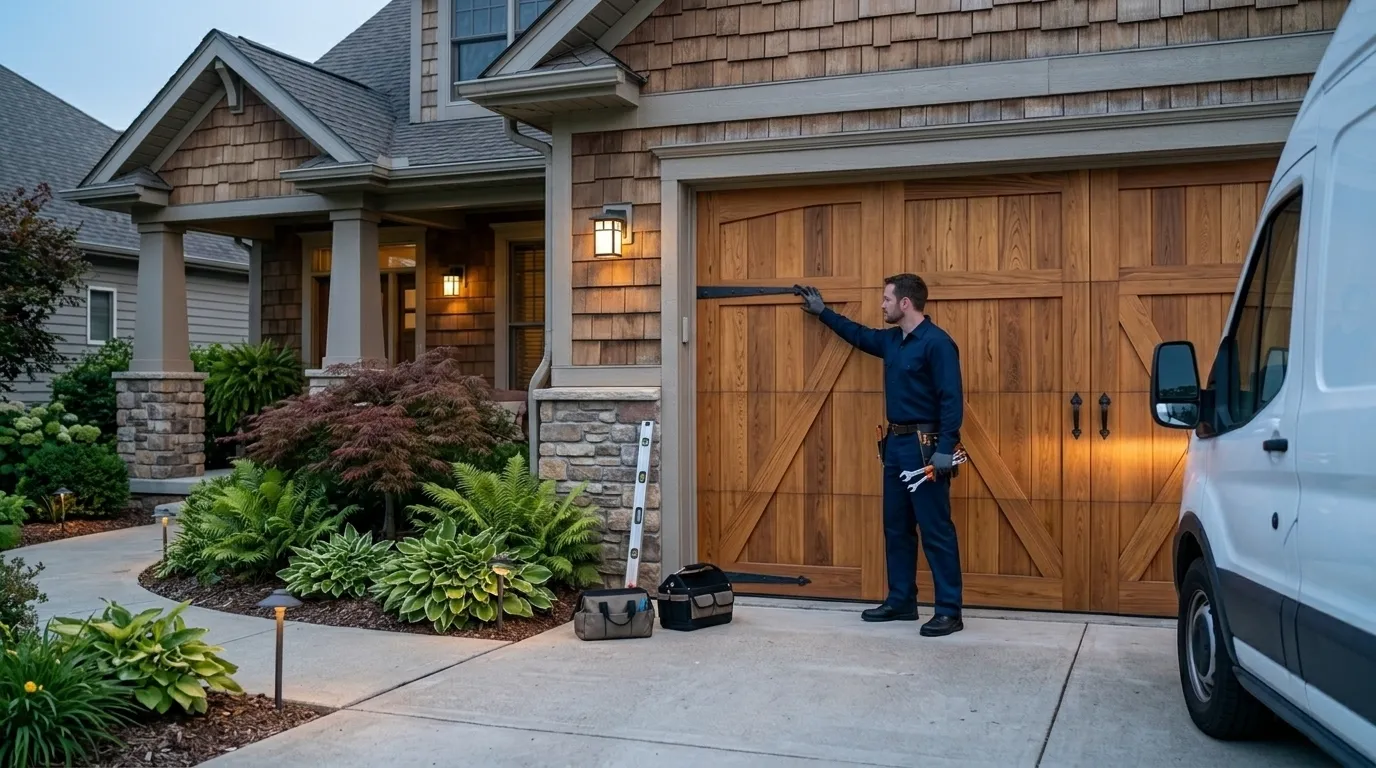
On openers, if yours is original to the house, we'll say so and talk through whether a straight swap to a comparable unit makes sense versus adding modern safety features the old unit doesn't have, like auto-reverse sensors that actually meet current standards. We test the whole system under load before we leave - not just that the door goes up and down, but that it balances correctly and reverses when it should.
We don't do cosmetic panel painting or refinishing as part of a repair call - that's outside what this visit covers, and we'll tell you that up front rather than let it turn into a longer job than you asked for.
Booking a Visit
We run this call from our Petaluma shop, about 5 miles from Penngrove, so getting a truck out to you isn't a long haul. We don't keep a branch or drop-in counter in Penngrove itself - everything's dispatched from Petaluma, and we'll tell you honestly if a part needs ordering before we can finish the job.
When you call, tell us the door's approximate age if you know it and what it's doing - won't open, drops when closing, opener runs but door doesn't move. That helps us bring the right hardware sizes on the first trip instead of guessing.
You can see more on what areas we cover from Petaluma on our service area page, and if what you're dealing with sounds more like a general question about our repair work than something specific to an older Penngrove door, our main Petaluma repair page covers that.